Improve problem-solving Worksheets for 8-Year-Olds
4 filtered results
-
From - To
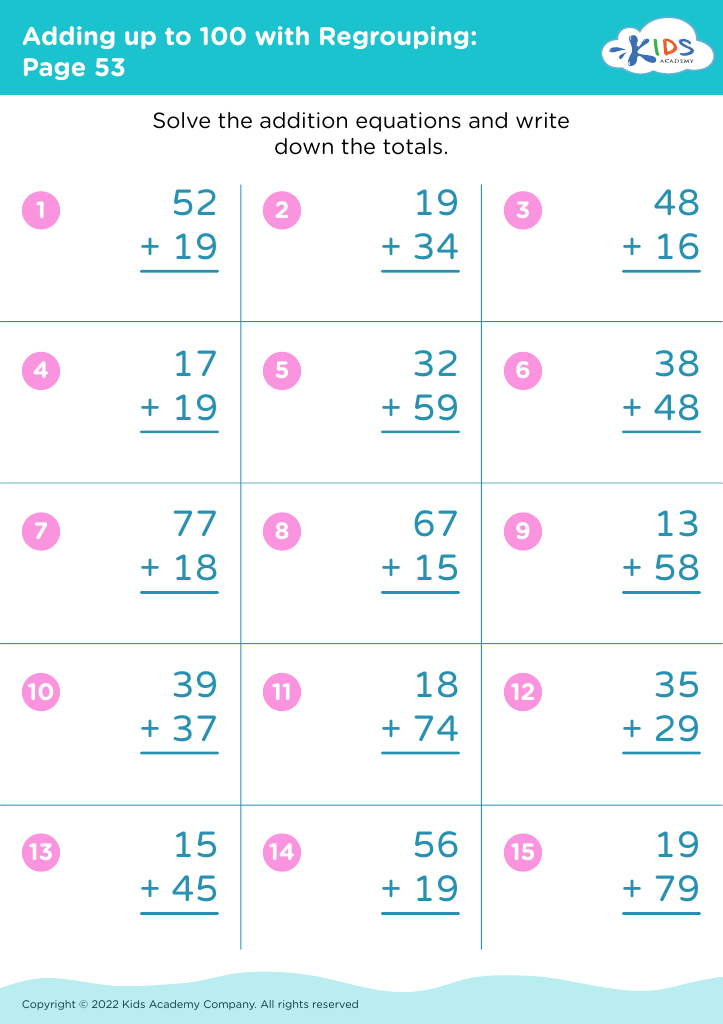
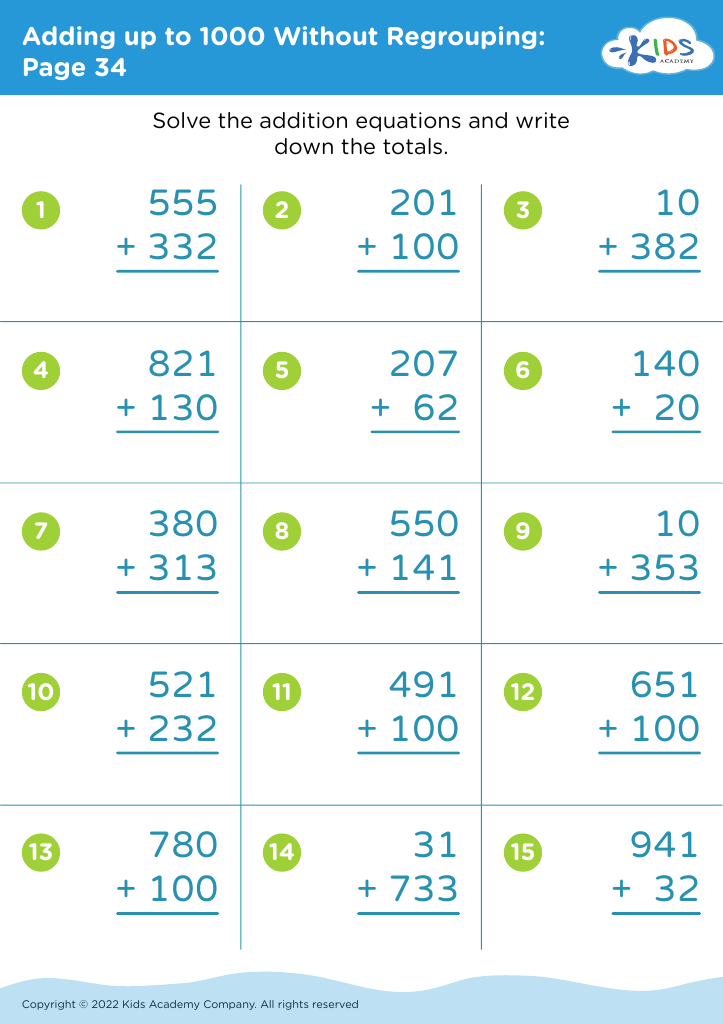
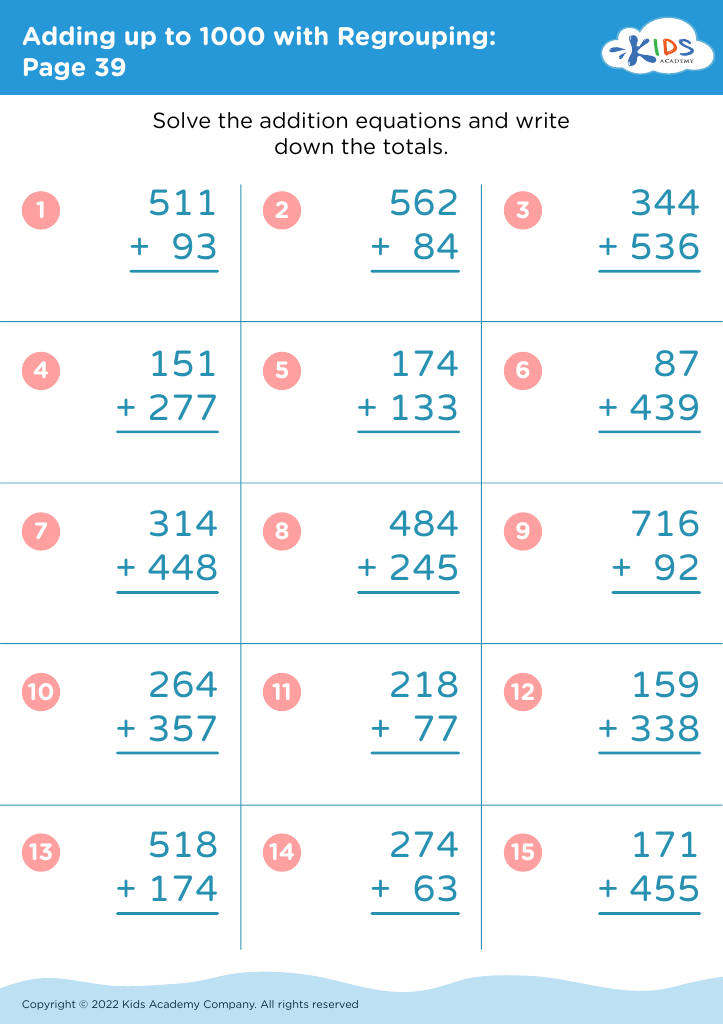
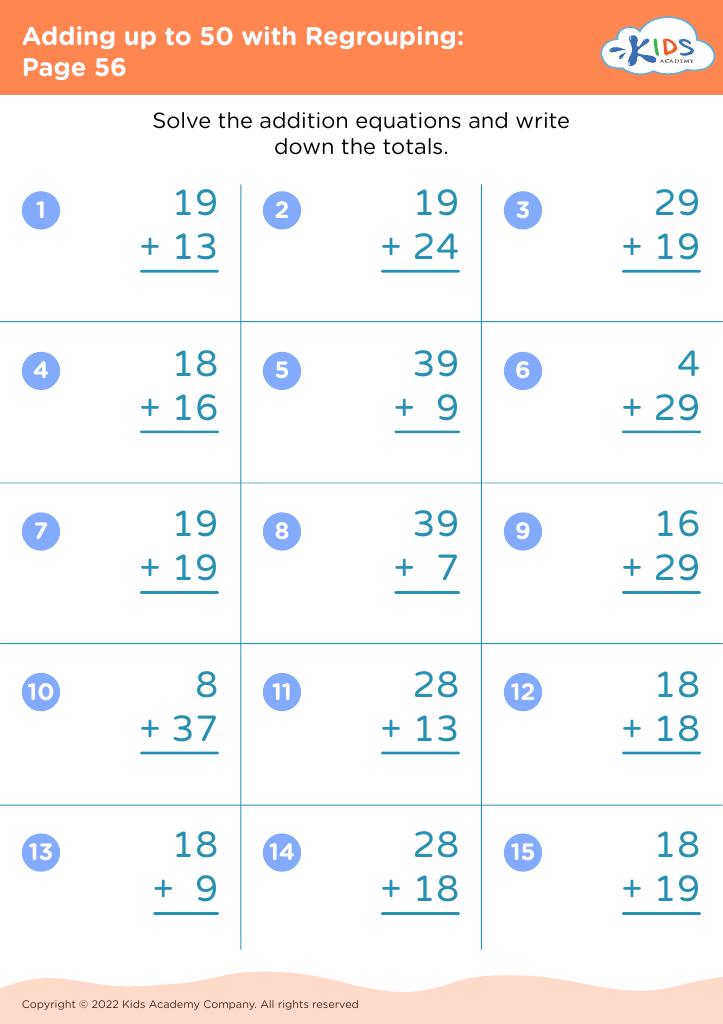
Discover our engaging problem-solving worksheets designed specifically for 8-year-olds, aimed at enhancing critical thinking and analytical skills. Each worksheet is crafted to challenge young minds with various puzzles and scenarios that foster creativity and resourcefulness. These activities not only make learning fun but also empower children to approach problems with confidence. Ideal for both classroom and home use, our resources are perfect for supplementing lessons and encouraging independent thought. Explore a variety of problems that will inspire your child to think outside the box and become a more effective problem solver. Start building essential skills today!






.jpg)
Improving problem-solving skills in 8-year-olds is crucial for several reasons. First, these skills form the foundation for critical thinking and cognitive development. At this age, children are beginning to make connections between concepts and apply logic to everyday situations. Developing strong problem-solving abilities empowers them to navigate challenges confidently and independently, fostering resilience—a skill essential for lifelong learning.
Moreover, problem-solving enhances creativity. When children are encouraged to think outside the box, they learn to approach problems from multiple angles, nurturing their ability to innovate and think critically. This cognitive flexibility becomes increasingly vital as they transition into more complex academic subjects and real-world situations.
Furthermore, strong problem-solving skills contribute to emotional intelligence. Children who can resolve issues constructively are better equipped to manage their emotions and work collaboratively with others, improving their social skills and relationships.
For parents and teachers, investing time in enhancing these skills means better academic performance and social interactions for children. It lays the groundwork for future success both in school and in life. Hence, fostering a supportive environment that encourages problem-solving will prepare 8-year-olds to face a rapidly changing world with confidence and adaptability.








