Check out this FREE "Improve reading skills" Trial Lesson for age 8!

Main Idea and Key Details

Favorites
With answer key
Interactive
  • 8
  • Improve reading skills
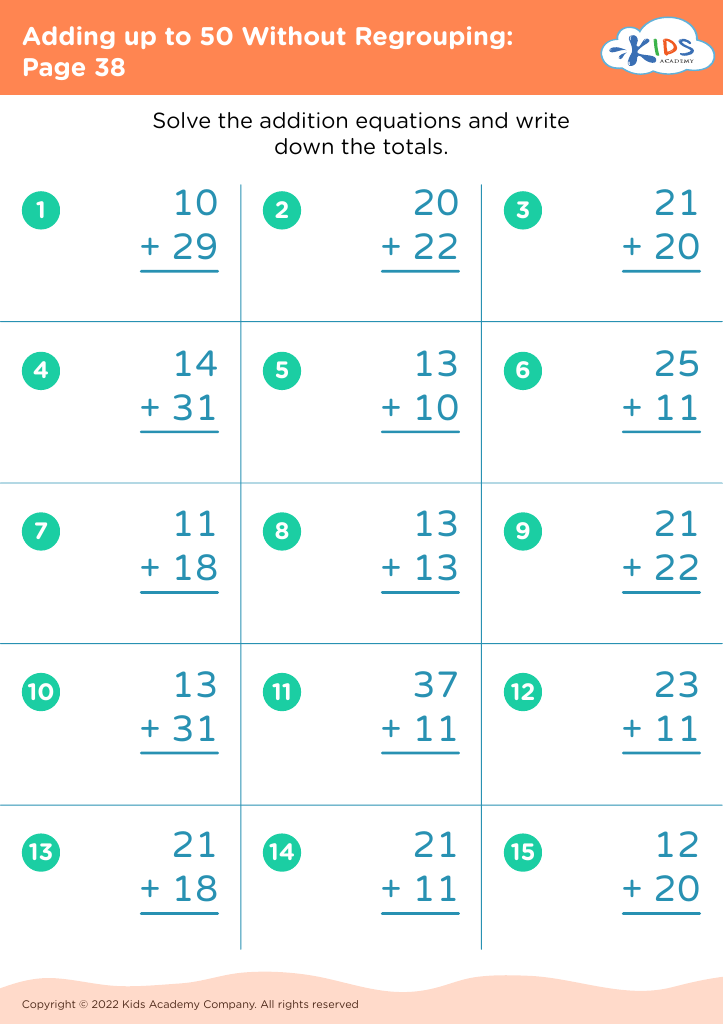
Adding up to 50 Without Regrouping: Page 38
Worksheet
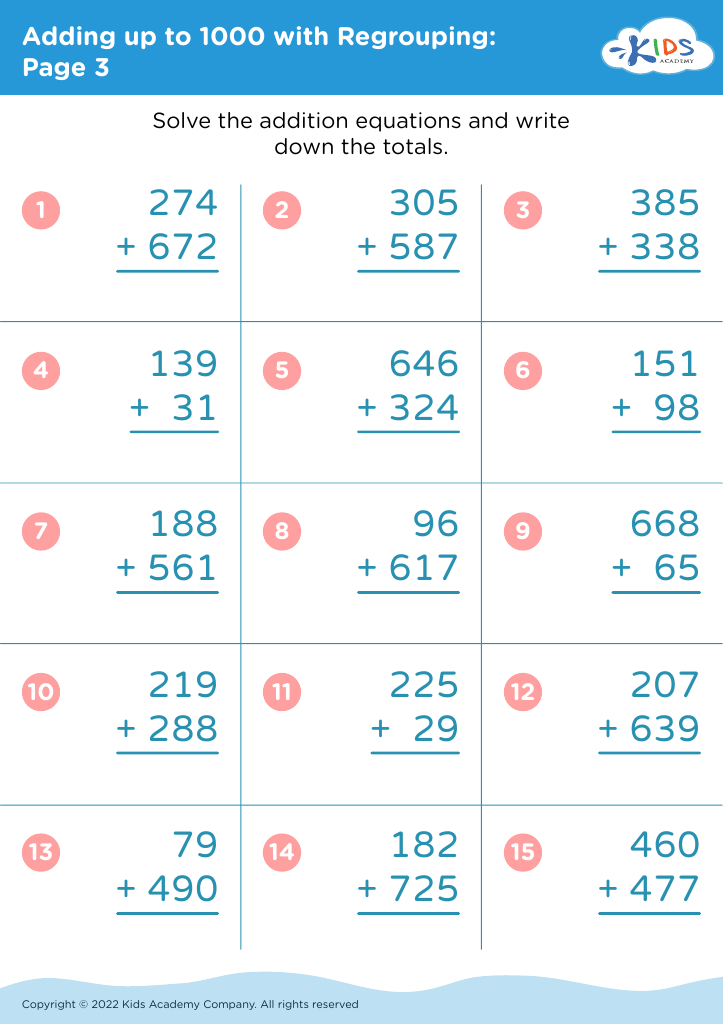
Adding up to 1000 with Regrouping: Page 3
Worksheet
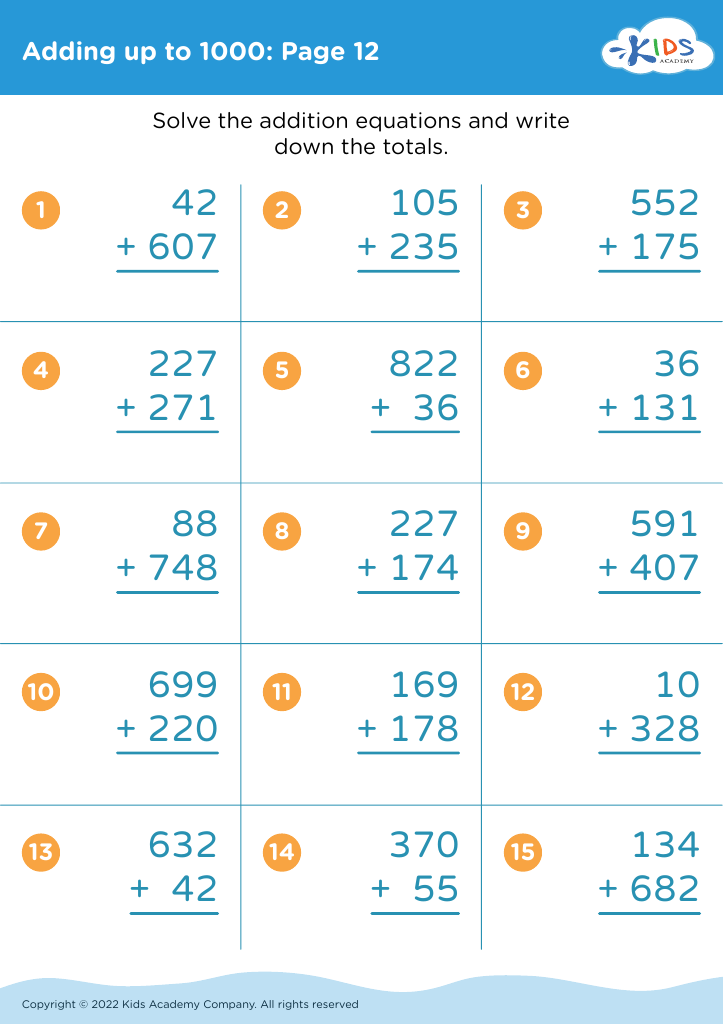
Adding up to 1000: Page 12

Adding up to 1000: Page 12

Adding up to 1000: Page 12
Worksheet
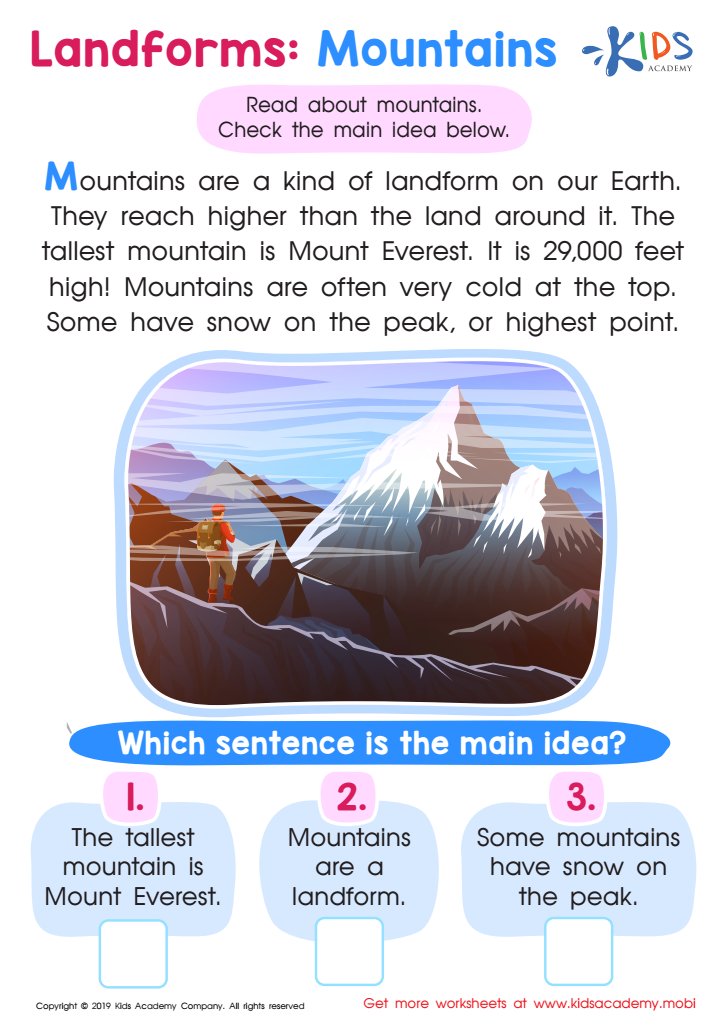
Landforms: Mountains Worksheet

Landforms: Mountains Worksheet

Help your kid master informational texts about mountains by finding the main idea. Go through the text together, discuss what's been learned, and work together to identify the main idea. To mark the correct answer, check the answer at the bottom.
Landforms: Mountains Worksheet
Worksheet
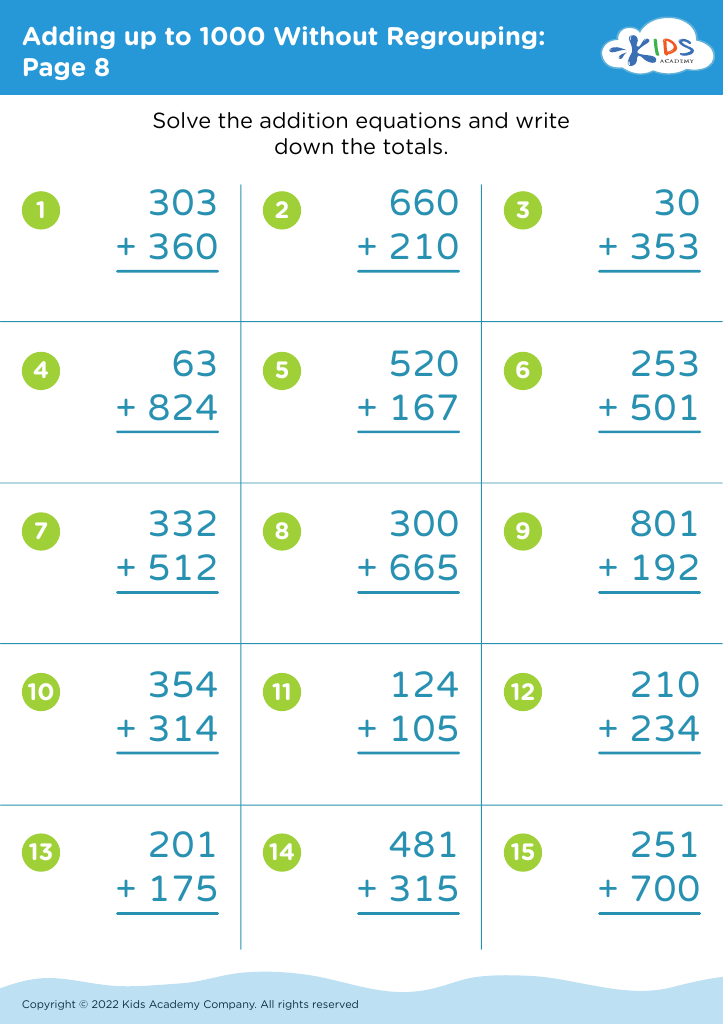
Adding up to 1000 Without Regrouping: Page 8
Worksheet
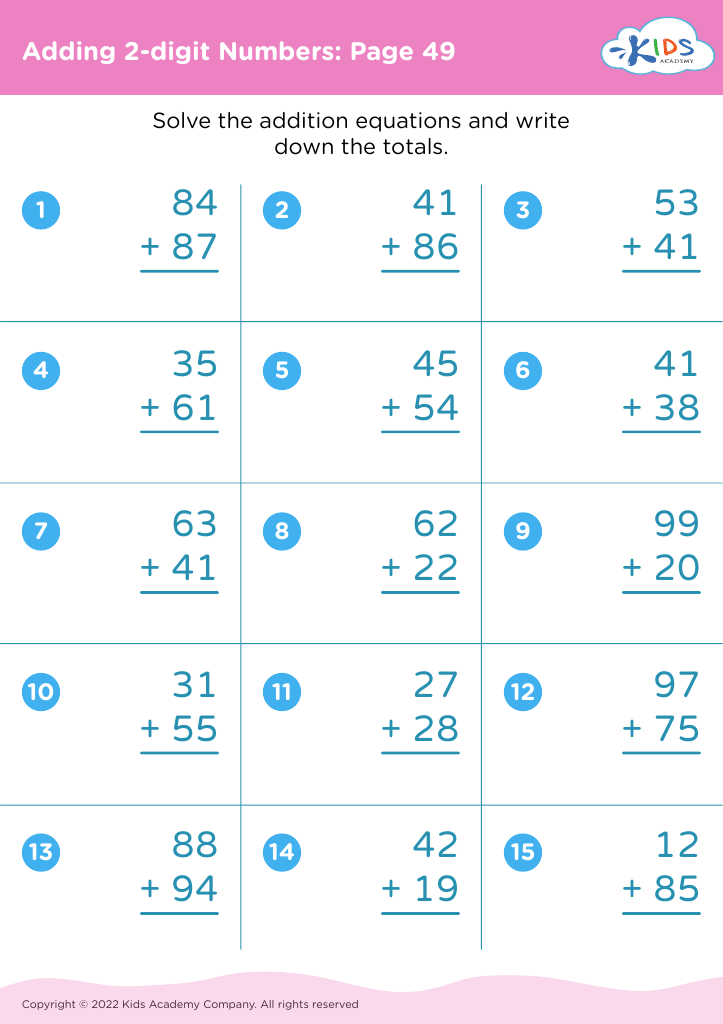
Adding 2-digit Numbers: Page 49

Adding 2-digit Numbers: Page 49

Adding 2-digit Numbers: Page 49
Worksheet
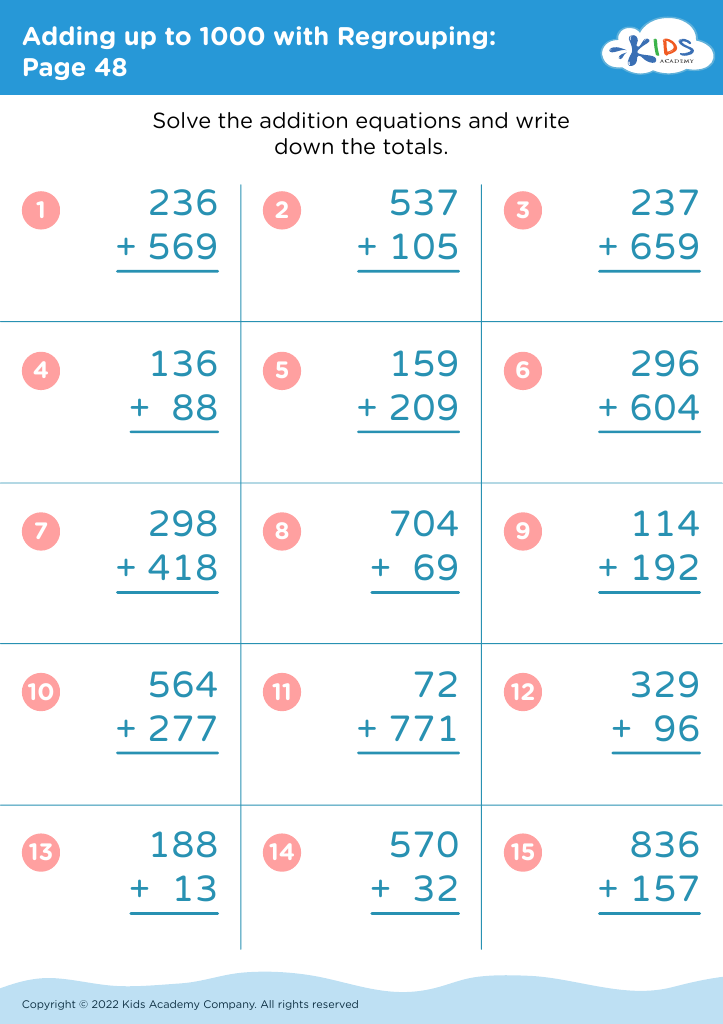
Adding up to 1000 with Regrouping: Page 48
Worksheet
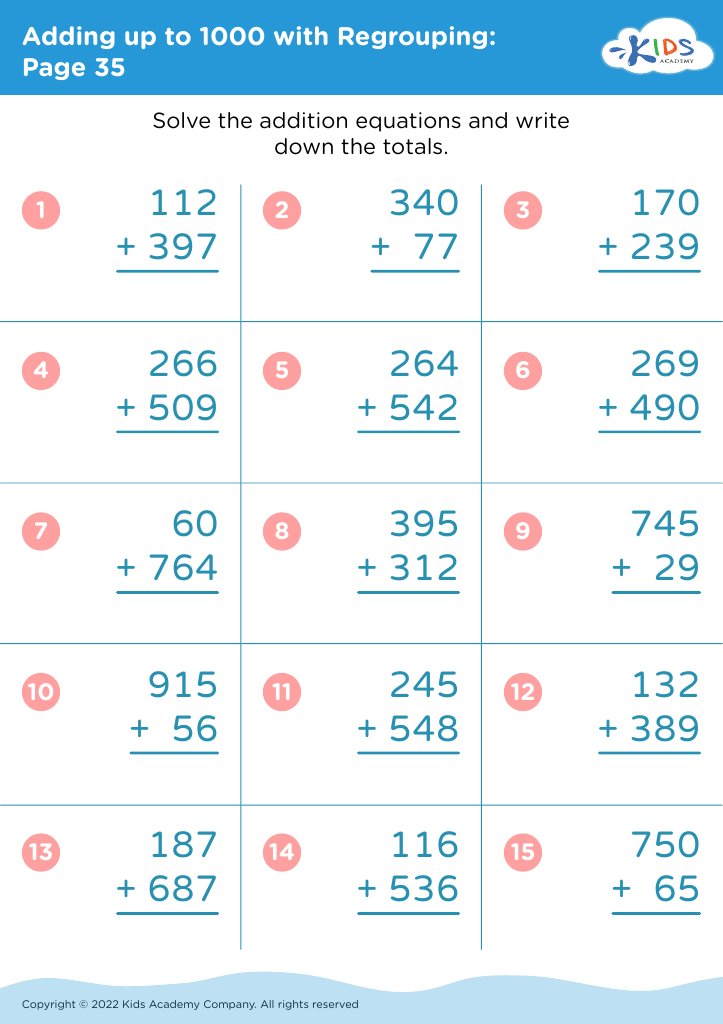
Adding up to 1000 with Regrouping: Page 35
Worksheet
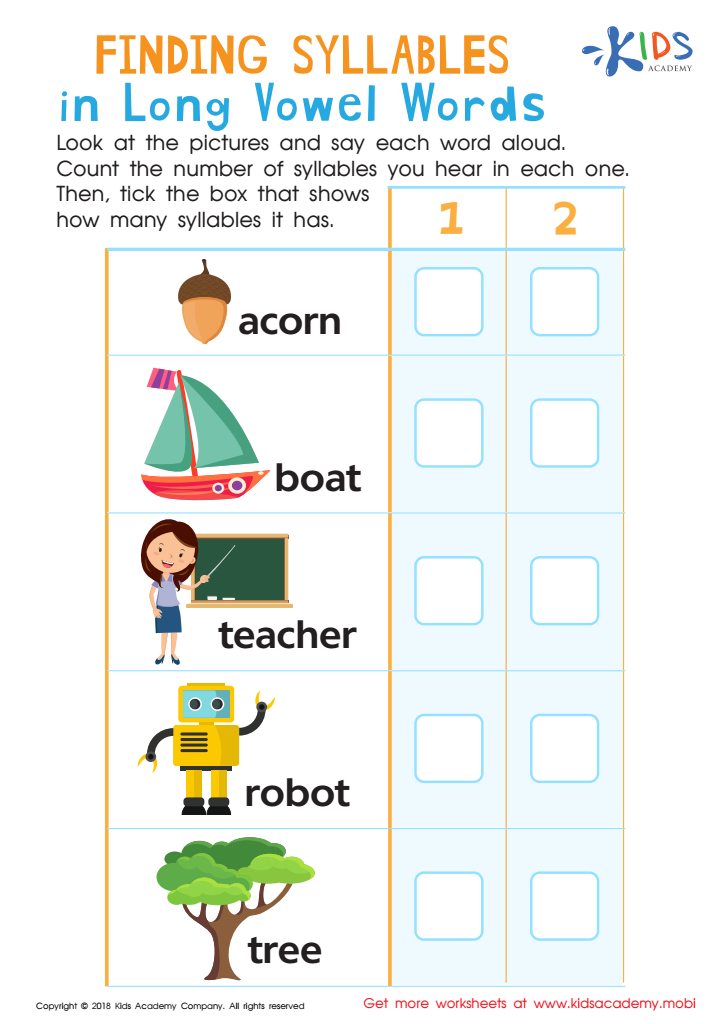
Finding Syllables in Long Vowel Words Worksheet
Finding Syllables in Long Vowel Words Worksheet
Help your kids identify objects and better count syllables in words. Look at the printout images with them and have them say each word out loud. Ask them to count syllables and tick the box with the correct number. With this worksheet, your kids will become more skilled.
Finding Syllables in Long Vowel Words Worksheet
Worksheet
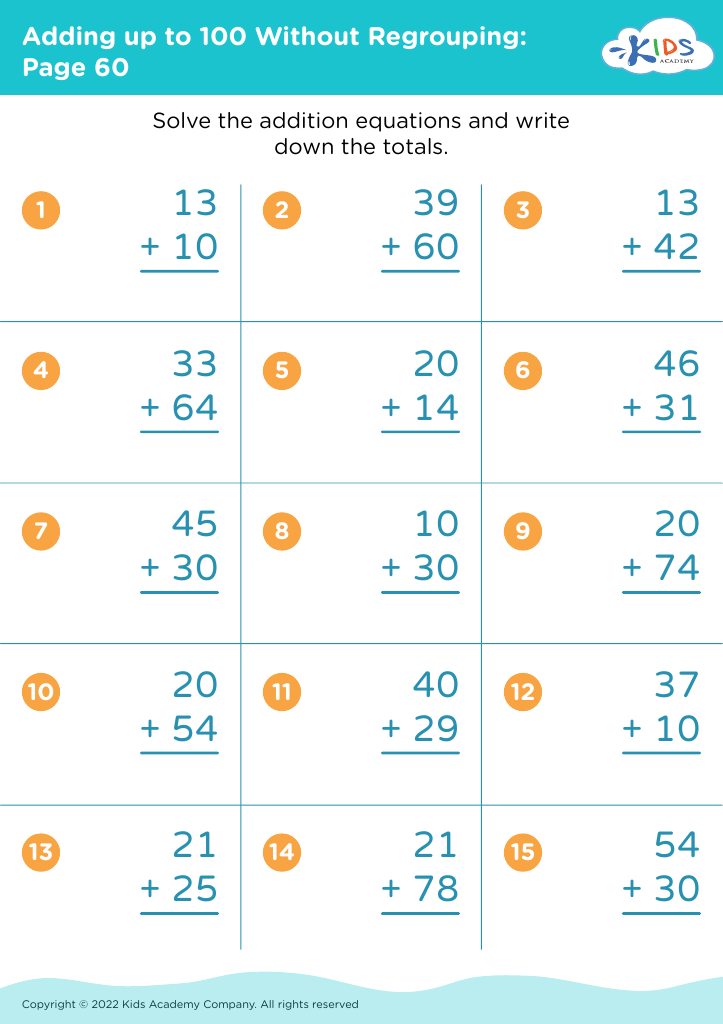
Adding up to 100 Without Regrouping: Page 60
Worksheet
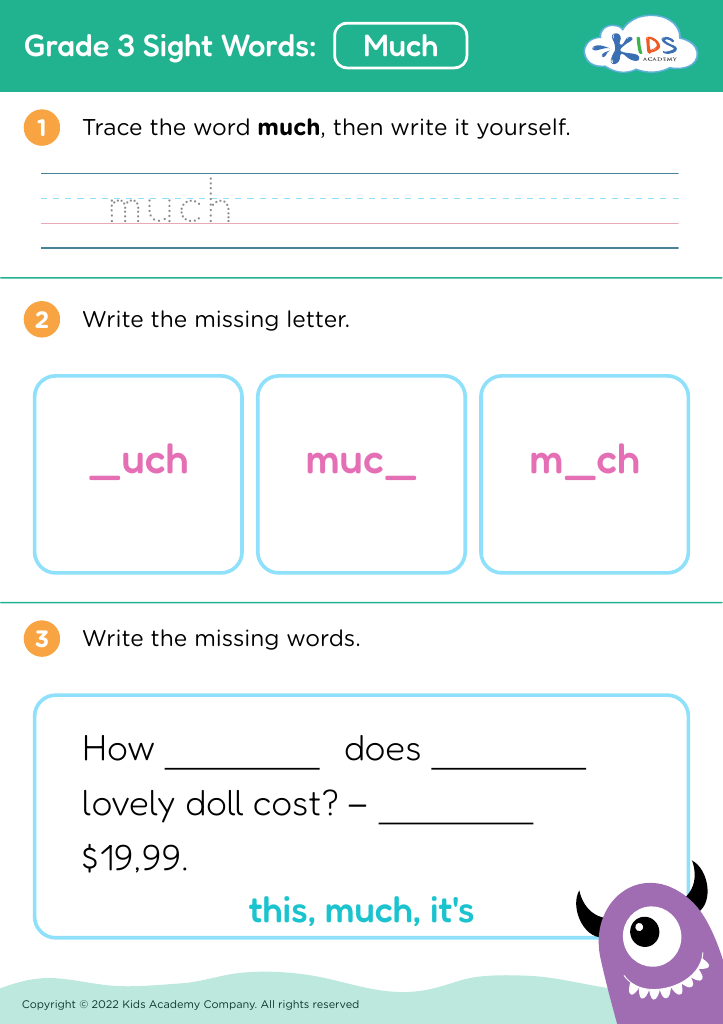
Grade 3 Sight Words: Much

Grade 3 Sight Words: Much

Grade 3 Sight Words: Much
Worksheet
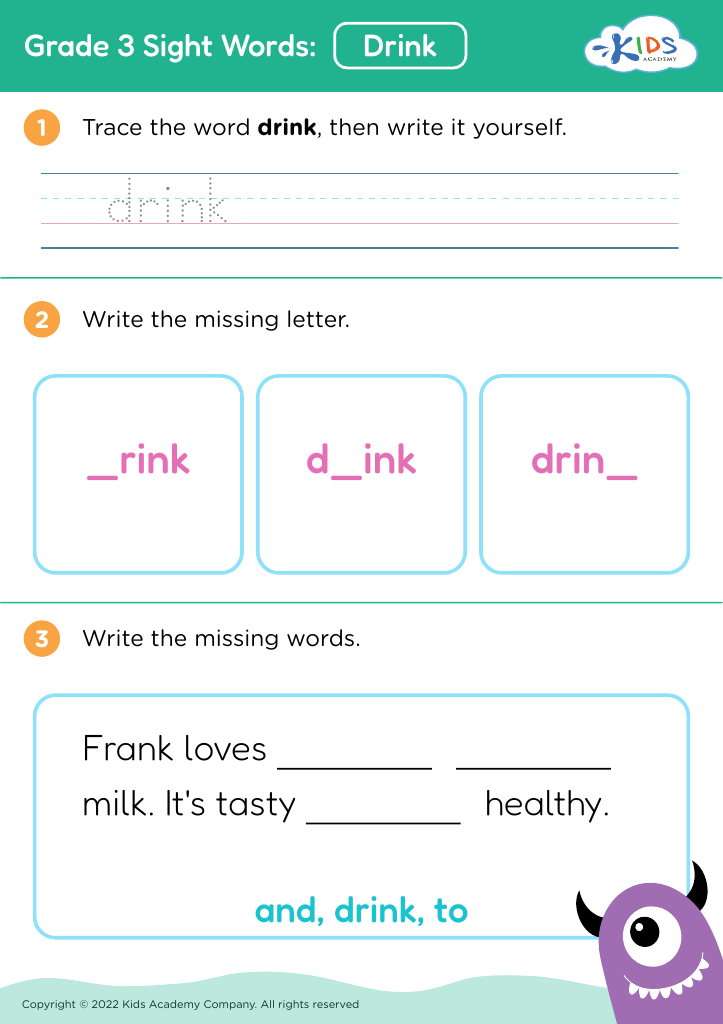
Grade 3 Sight Words: Drink

Grade 3 Sight Words: Drink

Grade 3 Sight Words: Drink
Worksheet
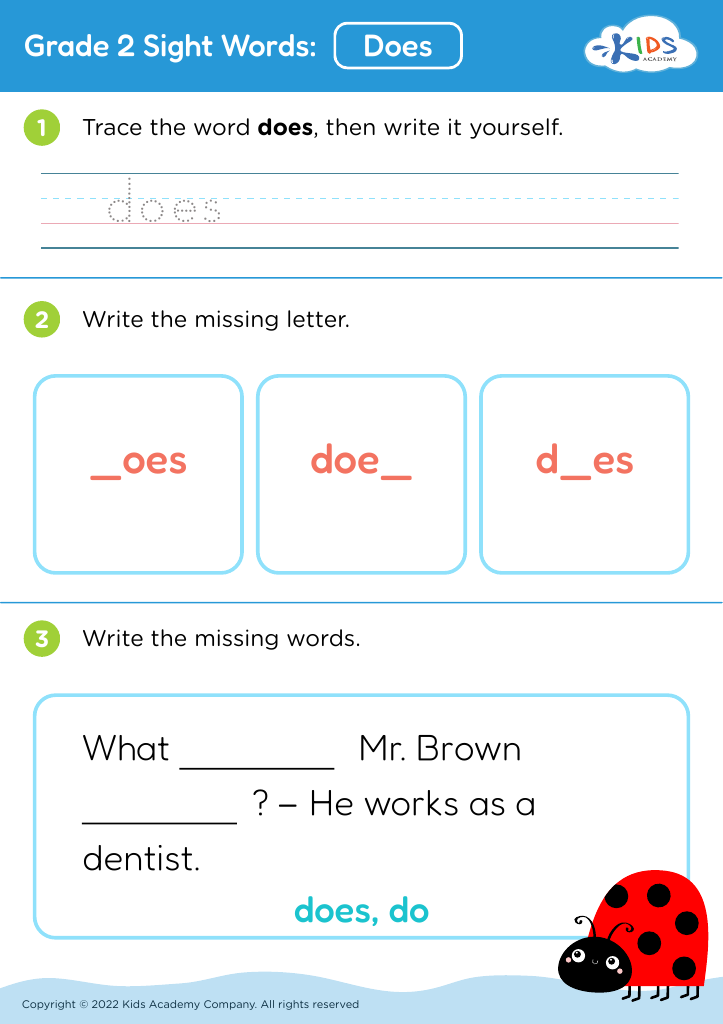
Grade 2 Sight Words: Does

Grade 2 Sight Words: Does

Grade 2 Sight Words: Does
Worksheet
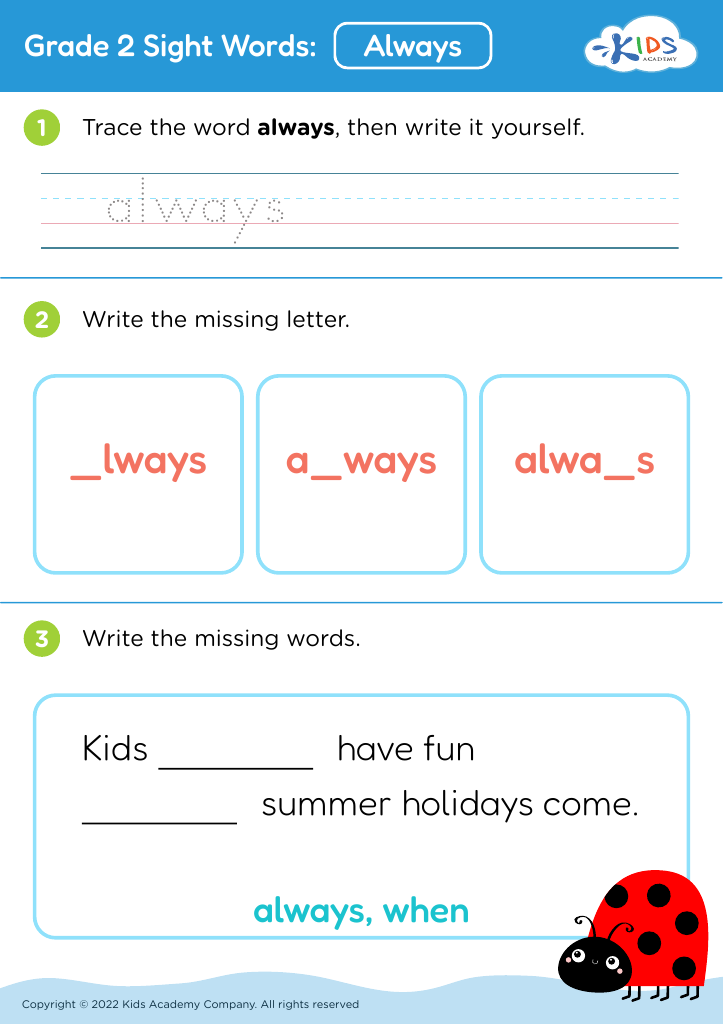
Grade 2 Sight Words: Always

Grade 2 Sight Words: Always

Grade 2 Sight Words: Always
Worksheet


Reading skills are the cornerstone of a child's academic and personal development, making them especially crucial to focus on at the age of 8. At this age, children transition from learning to read to reading to learn. Strong reading skills lay the foundation for future learning across all subjects such as math, science, and social studies. A child who reads well is more likely to succeed academically, as reading comprehension affects performance across the curriculum.

Parents and teachers should care about improving reading skills because literacy boosts a child's confidence and engagement in school. When children struggle with reading, they may also face challenges in understanding instructions, completing assignments, and participating in class discussions; this can lead to frustration and a loss of interest in learning. Conversely, proficient readers are more likely to enjoy school and become lifelong learners.

Moreover, reading enhances critical thinking, empathy, and creativity. Exposure to diverse texts allows children to understand the world around them, helping them develop the ability to think critically about various issues. Additionally, reading stories about different cultures and experiences fosters empathy and broadens a child's worldview.

Addressing reading skills at age 8 helps prevent future academic difficulties and sets the stage for lifelong success. Therefore, parents and teachers play a crucial role in fostering an environment that promotes regular reading habits and supports continual growth in literacy skills.