Improving vocabulary Worksheets for 8-Year-Olds
6 filtered results
-
From - To
Enhance your 8-year-old's vocabulary with our engaging and interactive worksheets! Designed specifically for young learners, these worksheets focus on expanding word knowledge, improving language skills, and fostering a love for reading. Children will enjoy activities such as matching words with their meanings, filling in the blanks, and engaging in fun word games. Our materials cater to different learning styles, ensuring that every child can thrive. Perfect for homeschooling or classroom use, these printable resources are not only educational but also entertaining! Visit our page to access a variety of worksheets that will empower your child’s language development.
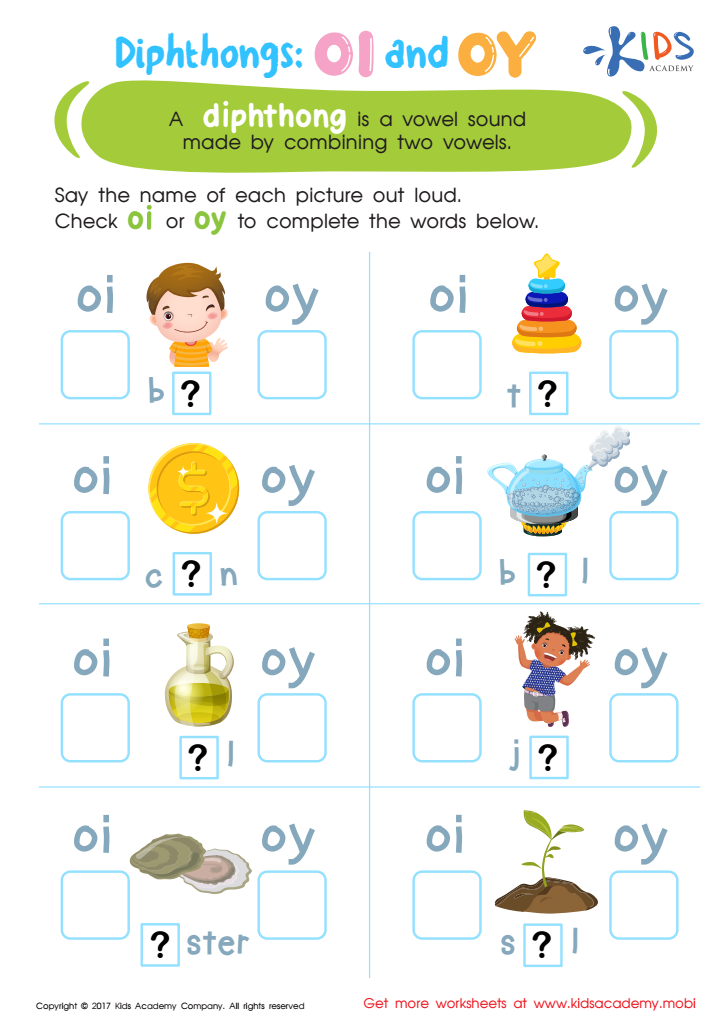
Vowel Diphthongs OI OY Worksheet
 Assign to My Students
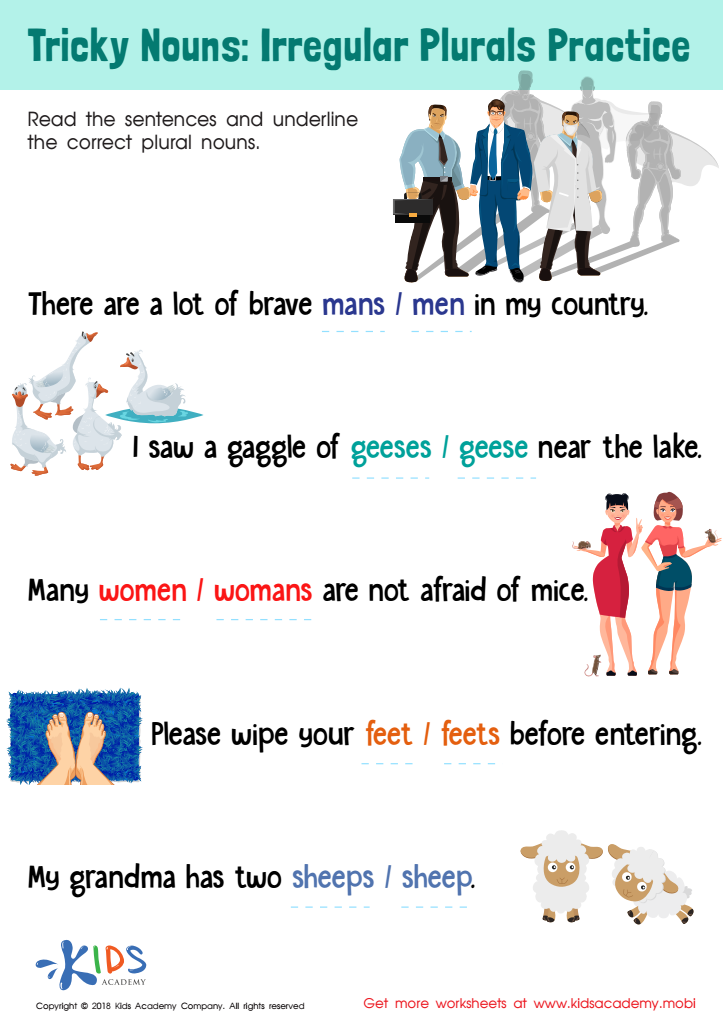
Tricky Nouns: Irregular Plurals Practice Worksheet
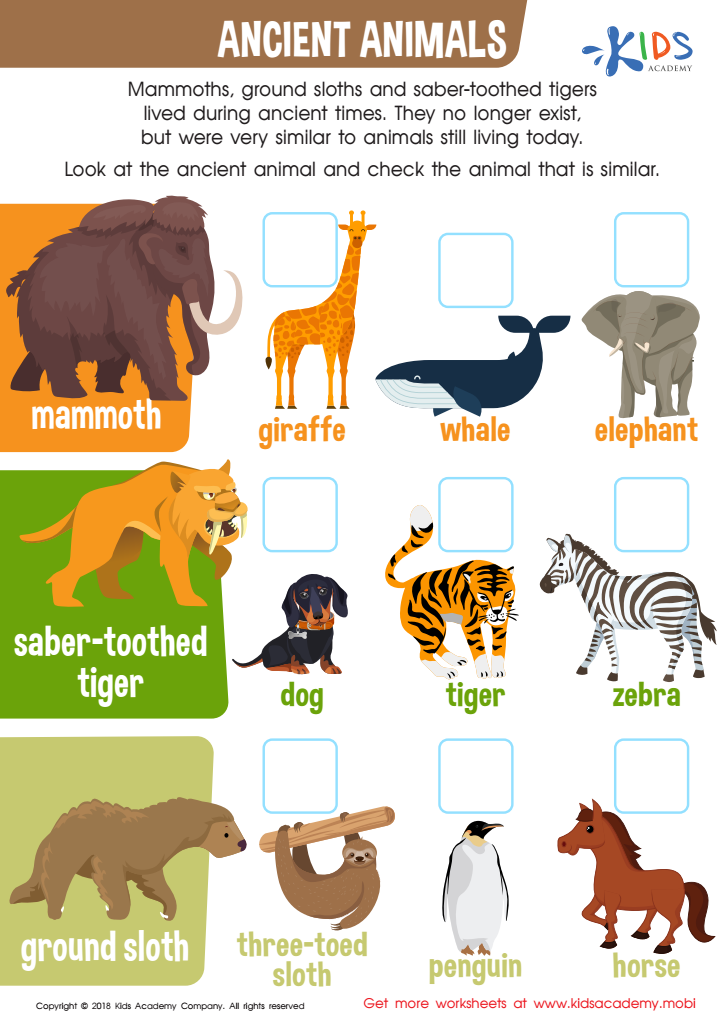
Ancient Animals Worksheet
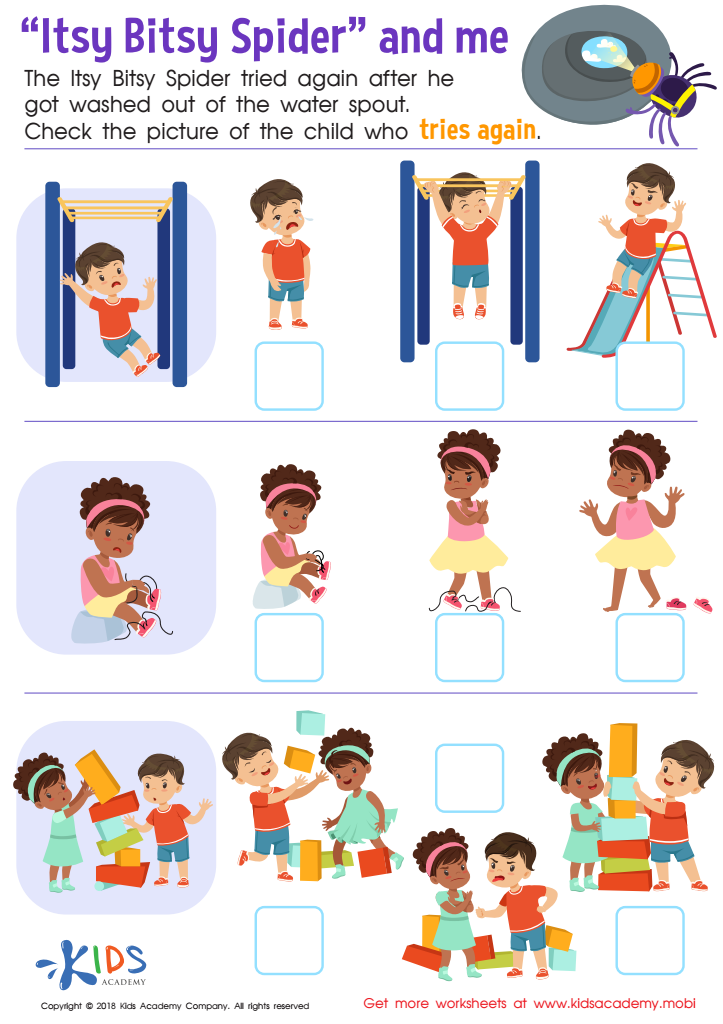
Itsy Bitsy Spider and Me Worksheet
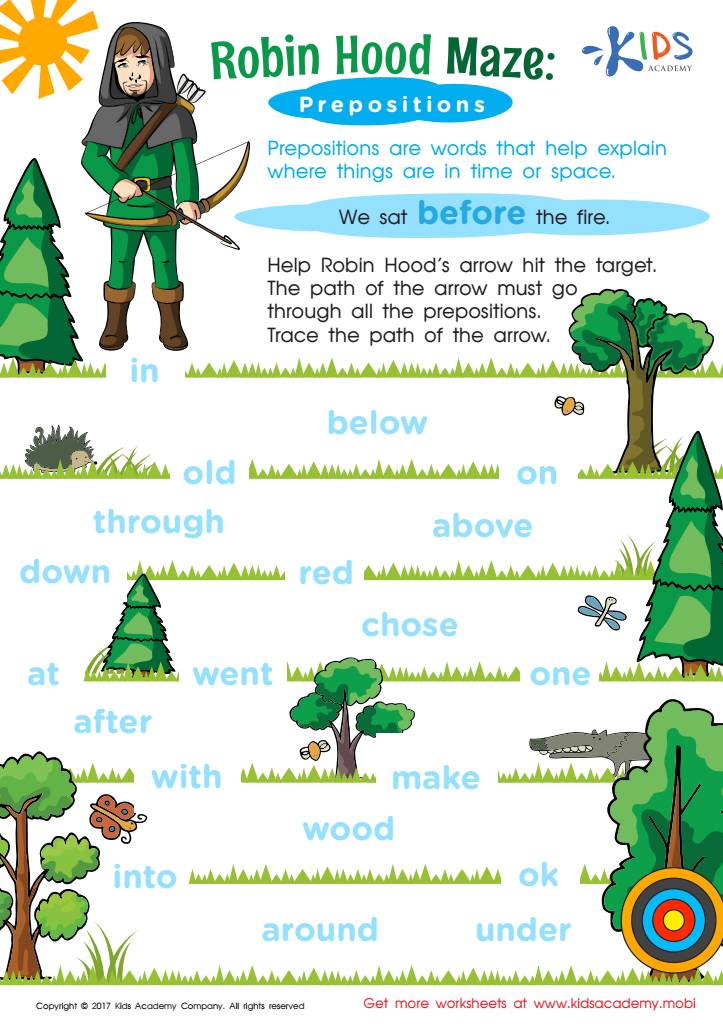
Prepositions Worksheet








Improving vocabulary for 8-year-olds is essential for several reasons. First, this developmental stage is critical for language acquisition; children are rapidly learning to read and write, making a rich vocabulary fundamental for literacy skills. A strong vocabulary enhances reading comprehension and fluency, allowing children to grasp complex texts and express their thoughts clearly.
Moreover, vocabulary plays a significant role in a child's overall academic success. A robust vocabulary helps facilitate effective communication during discussions, presentations, and group activities, boosting self-confidence and engagement in learning. Children with extensive vocabulary range outperform their peers in standardized testing and class participation.
Socially, a strong vocabulary aids children in building relationships, as effective communication is crucial for friendship and collaboration. It helps them articulate feelings and ideas, fostering emotional intelligence.
Lastly, enhancing vocabulary encourages a lifelong love for reading and learning. Children with rich vocabularies are more likely to explore diverse subjects, deepening their curiosity and critical thinking.
In sum, investing time in vocabulary development not only supports literacy and academic achievement but also equips children with the interpersonal skills and confidence they need to navigate social environments and embrace lifelong learning. Parents and teachers play vital roles in this developmental process.








