Number pattern recognition Worksheets for 8-Year-Olds
3 filtered results
-
From - To
Boost your child's mathematical skills with our meticulously designed Number Pattern Recognition Worksheets for 8-Year-Olds. These engaging worksheets, available on Kids Academy, target crucial learning skills by helping young learners identify and continue sequences. Through a variety of fun exercises, students will explore number patterns, enhance their logical thinking, and build a solid foundation in numeracy. Ideal for both classroom use and at-home practice, our resources aim to make learning mathematics an enjoyable and rewarding experience. Motivate your young mathematician to unlock their potential with our expertly crafted pattern recognition activities.
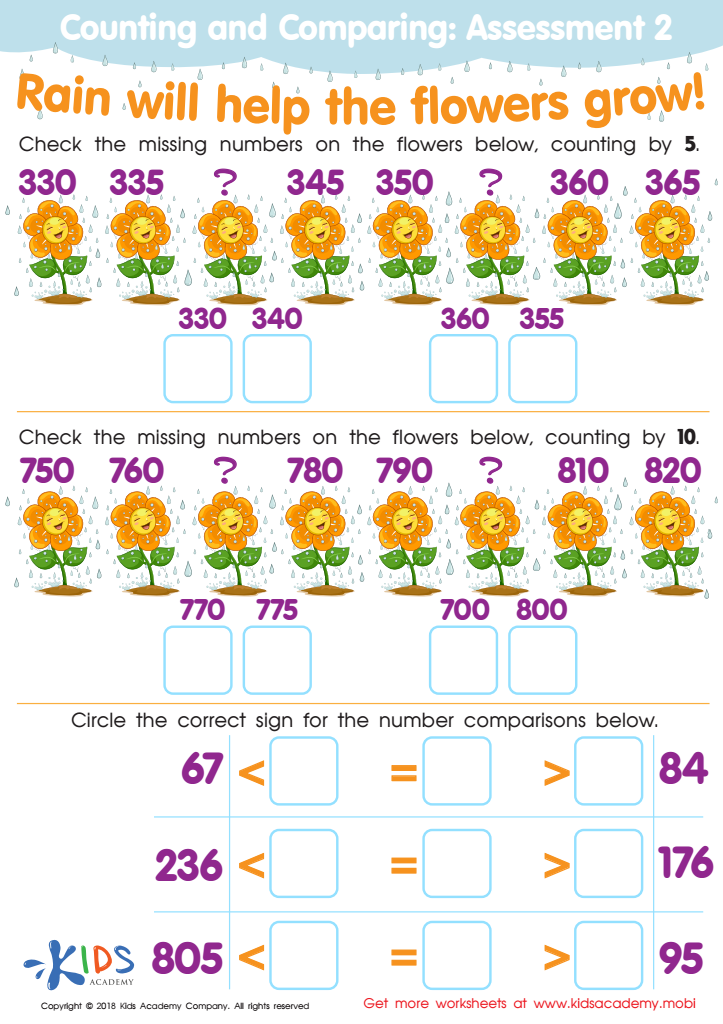
Counting and Comparing: Assessment 2 Worksheet
 Assign to My Students
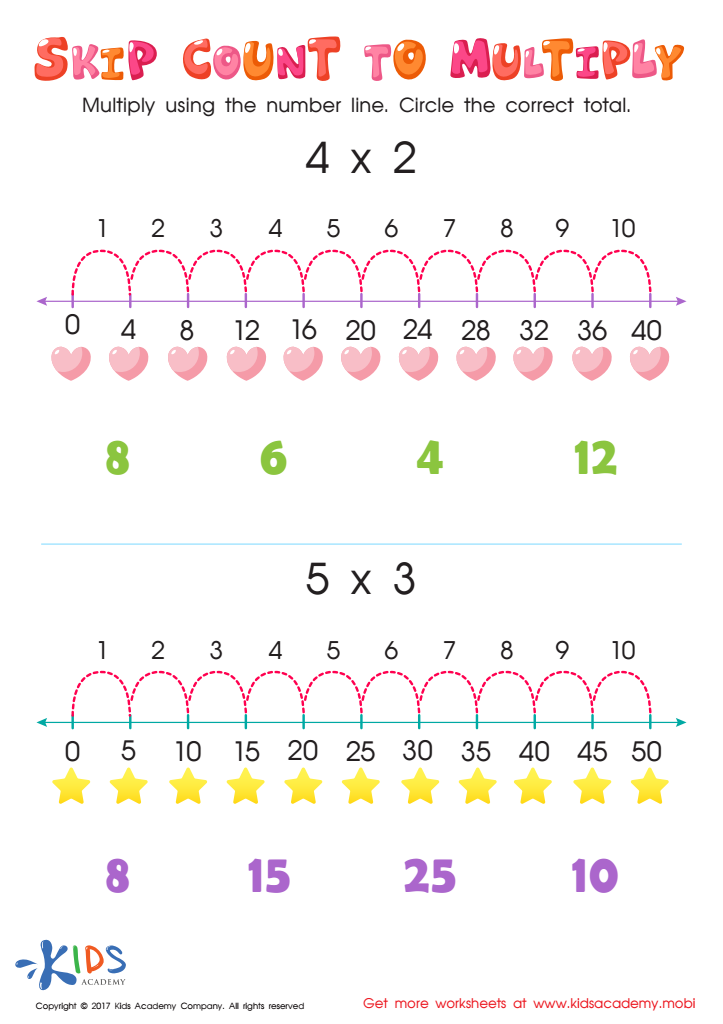
Skip Count Multiplication Worksheet
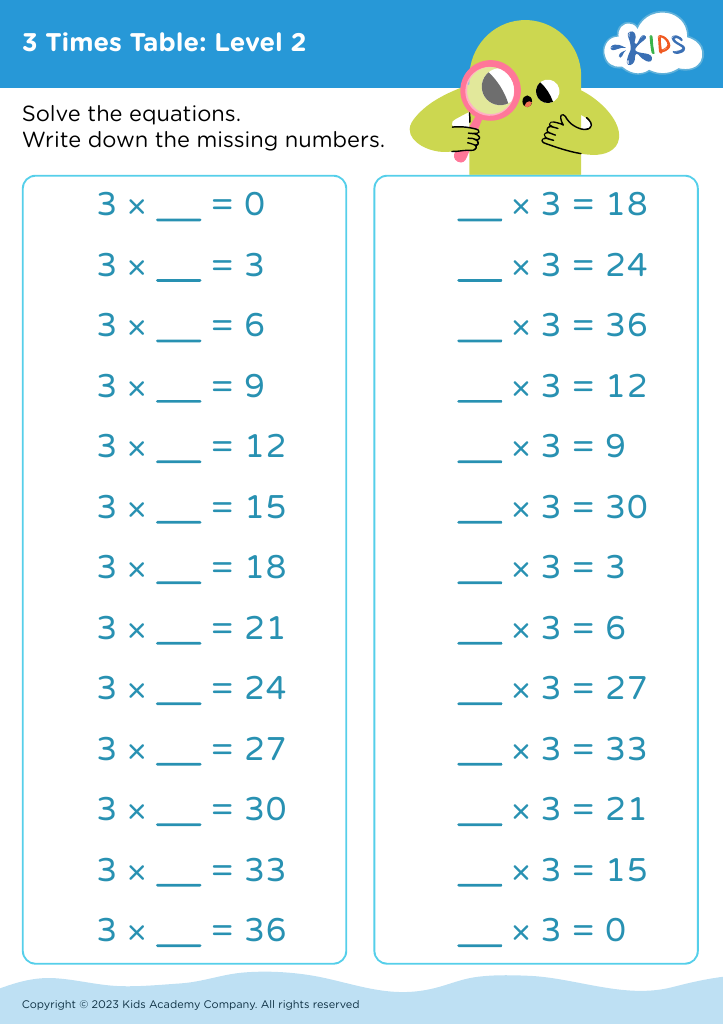



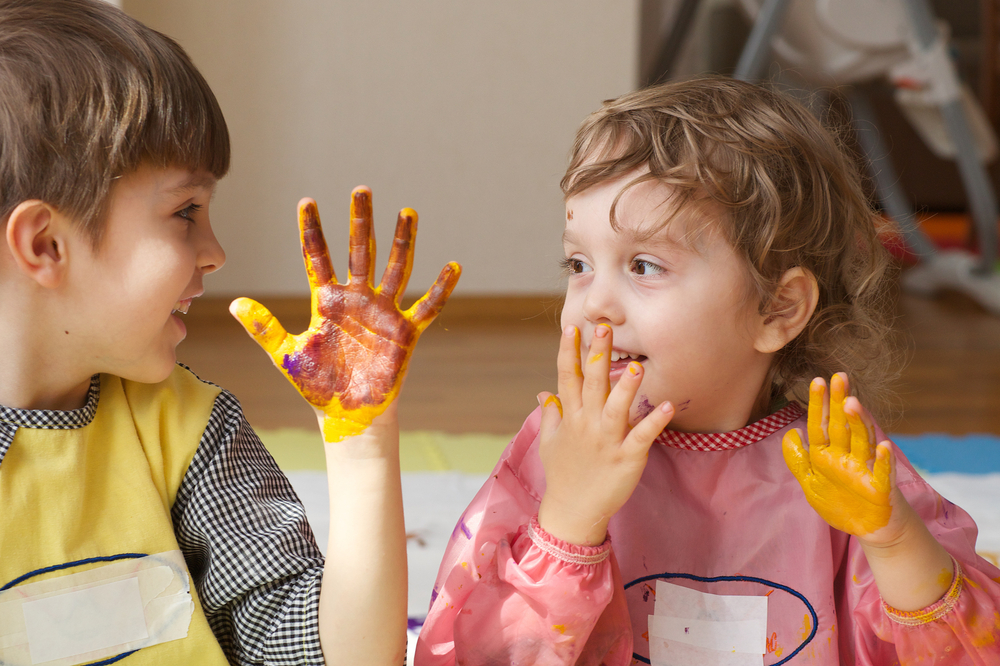

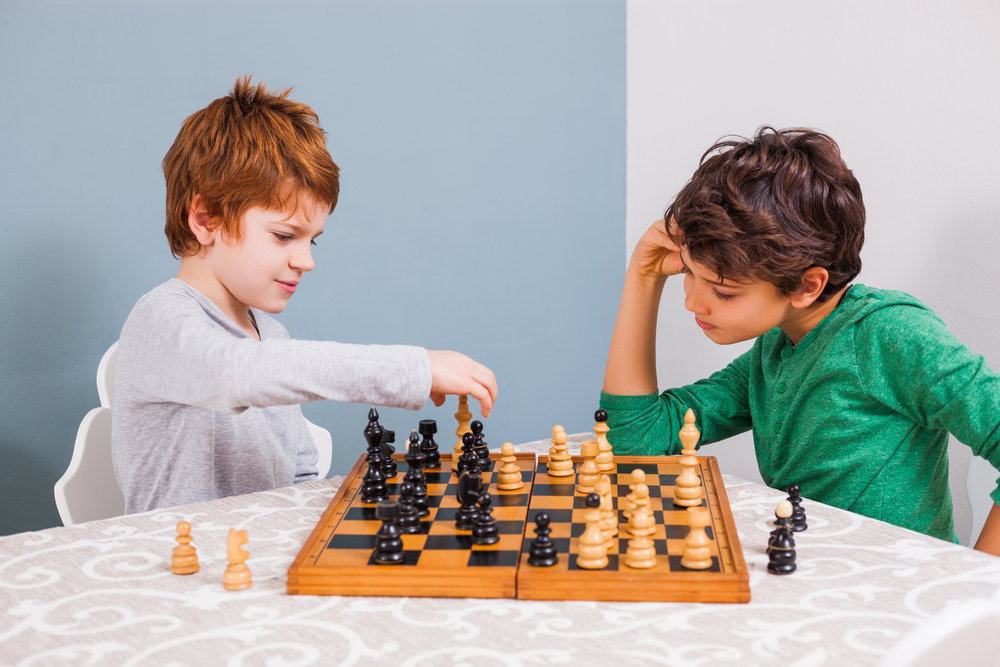


Number pattern recognition is crucial for 8-year-olds as it lays the foundation for important mathematical concepts and cognitive skills. Firstly, understanding patterns enhances a child's ability to predict and identify regularities, fostering a deeper grasp of numbers and mathematical relationships. This is fundamental for more advanced math topics such as algebra, which they will encounter in later school years.
Additionally, recognizing number patterns improves problem-solving skills. It sharpens analytical thinking, as children learn to observe, compare, and make connections. These skills are not only vital in math but are transferable to other subjects and real-life situations.
Moreover, number pattern recognition aids in the development of critical thinking and logical reasoning. By identifying and understanding patterns, children learn how to process information systematically and logically.
Socially and emotionally, succeeding in number pattern tasks boosts a child's confidence and motivation in learning. It encourages them to engage more actively in their educational journey, showing them that they can succeed with practice and persistence.
For these reasons, parents and teachers should actively support and encourage activities that foster number pattern recognition. This could be through games, puzzles, or everyday observations, as each interaction helps solidify these essential mathematical building blocks. Recognizing and nurturing these skills early on sets children up for future academic success and instills a love of learning.








