Problem-solving abilities Worksheets for 8-Year-Olds - Page 2
30 filtered results
-
From - To
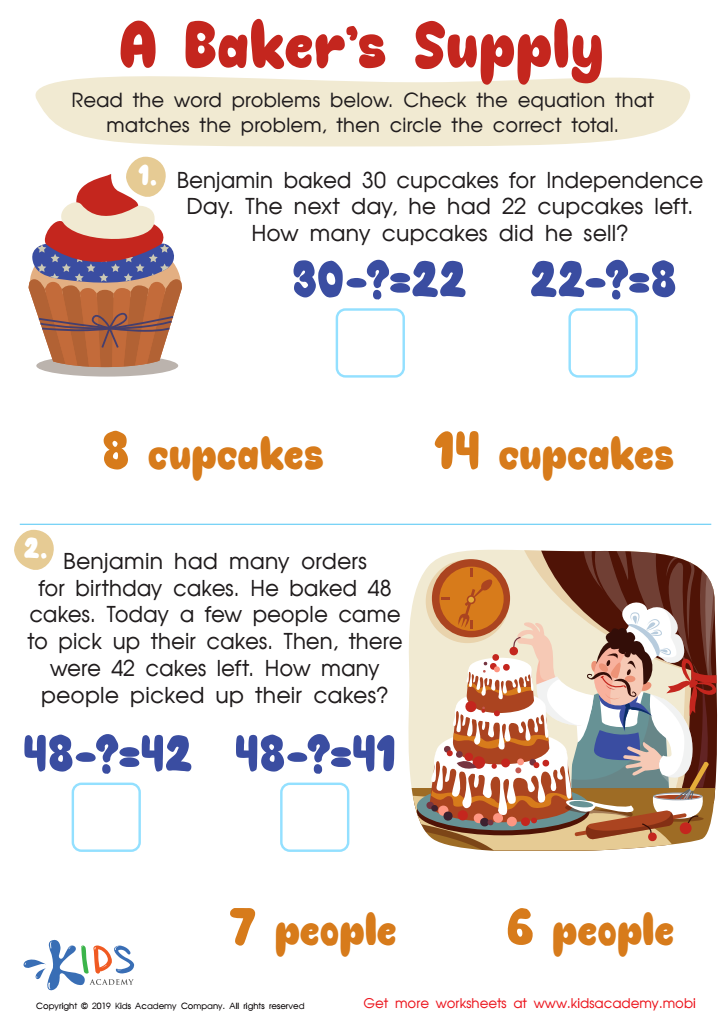
A Baker's Supply Worksheet
 Assign to My Students

Sweet Shop – Counting Coins Worksheet
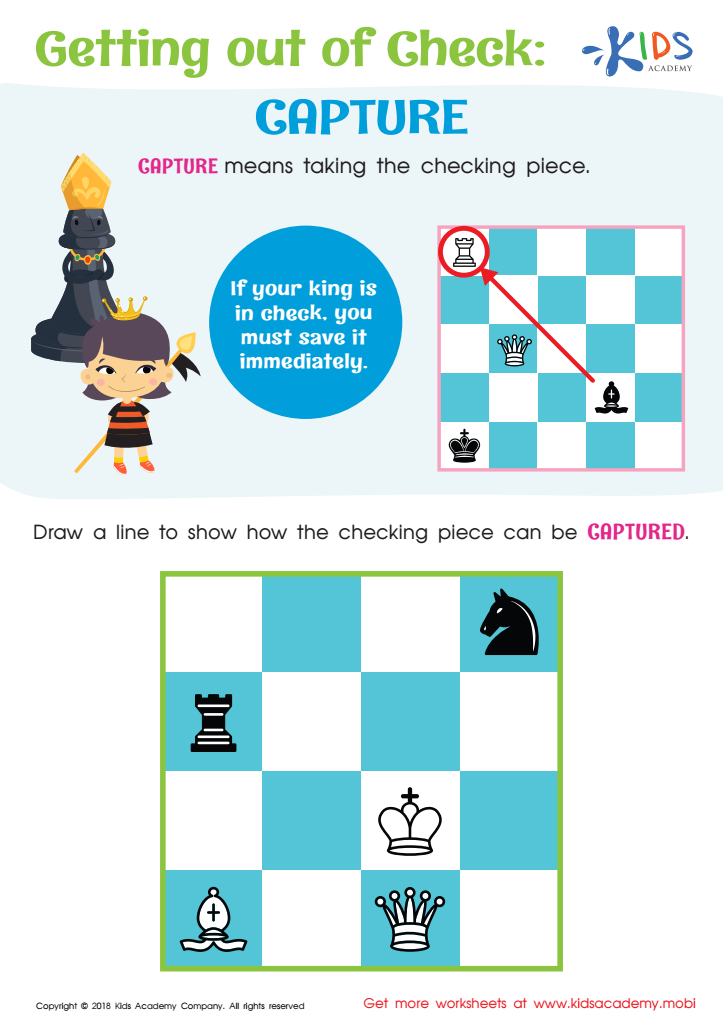
Getting out of Check: Capture






Problem-solving abilities are crucial for the development of 8-year-olds, and both parents and teachers should prioritize them for several reasons. At this age, children are transitioning from the early learning stage to more complex cognitive processes. Enhancing their problem-solving skills fosters critical thinking, enabling them to analyze situations effectively and make informed decisions. This foundational skill is not only essential for academic success across subjects but also for their everyday lives.
Promoting problem-solving encourages creativity and resilience. When faced with challenges, children learn to brainstorm solutions, assess potential outcomes, and experiment with different approaches. This process cultivates a growth mindset, helping children understand that mistakes are opportunities for learning rather than failures.
Furthermore, problem-solving instills confidence in young learners. As they successfully navigate challenges, their self-esteem grows, motivating them to tackle even more complex tasks in the future. Socially, strong problem-solving skills facilitate better teamwork and communication as children collaborate with peers to find solutions.
In summary, by nurturing problem-solving abilities in 8-year-olds, parents and teachers empower them to become independent thinkers, adaptable individuals, and lifelong learners, equipping them with essential skills for both academic and personal success.








