Time conversion skills Worksheets for 8-Year-Olds
3 filtered results
-
From - To
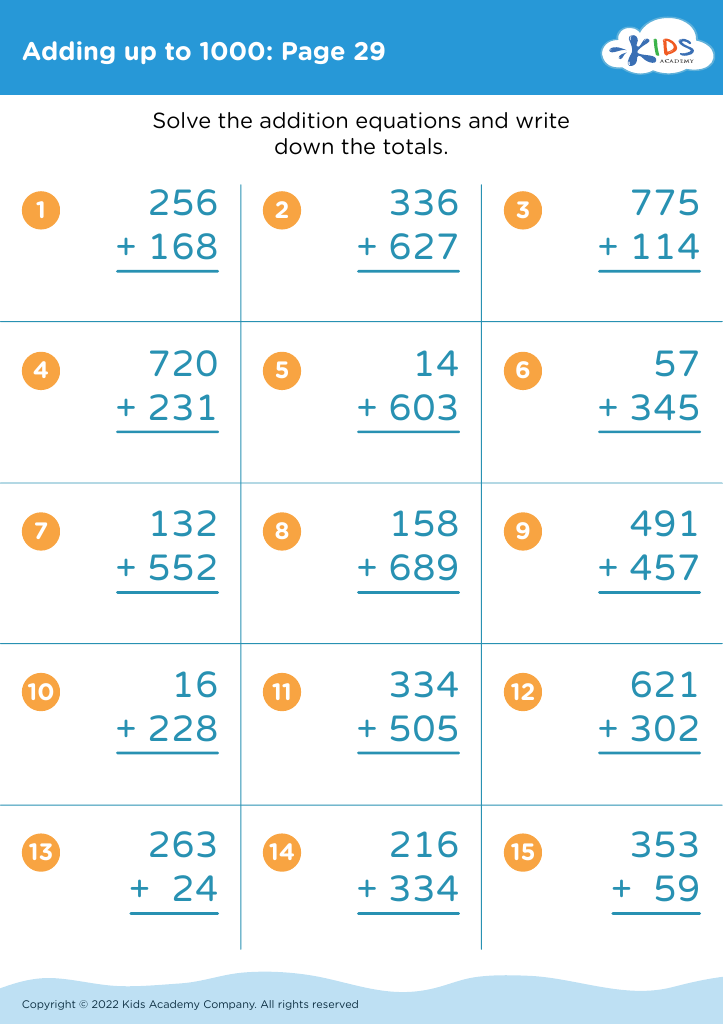
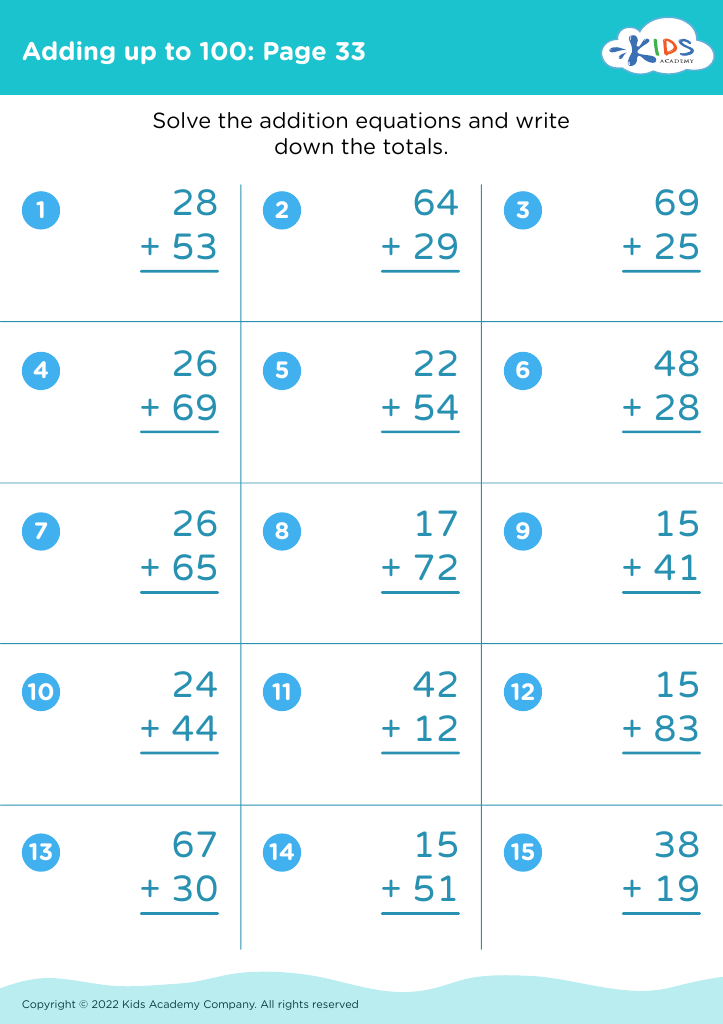
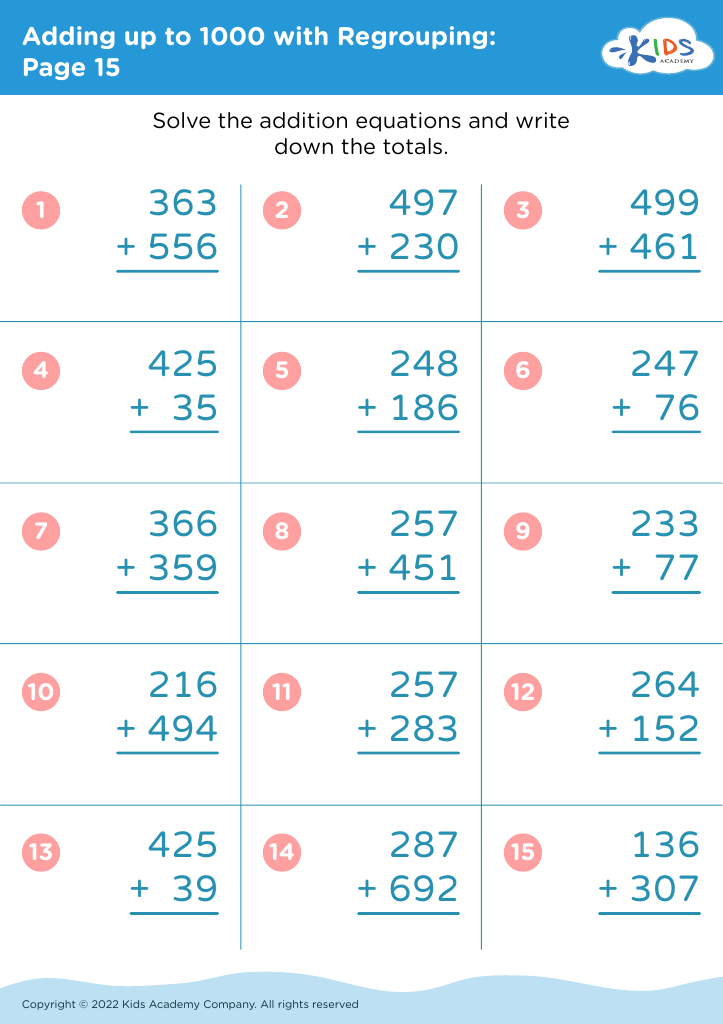
Boost your 8-year-old's math proficiency with our Time Conversion Skills Worksheets! Specially designed for young learners, these engaging printables help children grasp the concept of converting hours to minutes and vice versa, as well as understanding time differences. Each worksheet features fun activities and exercises that seamlessly blend education with enjoyment. Ideal for classroom use or extra practice at home, these resources help develop critical time-telling skills, ensuring your child stays ahead in their learning journey. Download now from Kids Academy and watch your child excel in mastering time conversion!


.jpg)





Time conversion skills are crucial for 8-year-olds for several reasons which make them essential in both academic and day-to-day contexts.
Firstly, understanding time helps children grasp the fundamental concept of sequencing and scheduling. It aids in teaching them how to organize their day, whether for getting ready for school, managing playtime, or establishing bedtime routines. This sense of structure is invaluable for fostering a sense of responsibility and punctuality.
Secondly, proficiency in converting time units enhances mathematical understanding and cognitive development. It encourages critical thinking, problem-solving skills, and the ability to perform arithmetic operations. For instance, converting minutes to hours or days to weeks provides practical contexts for applying their math lessons.
Thirdly, these skills significantly impact their wellbeing and safety. Understanding the duration of activities and travel times helps children develop time management skills, which are imperative for reducing stress and anxiety later in life. It also ensures they are aware of time-related safety measures, such as how long it should take to walk somewhere or gauge time intervals safely.
Lastly, mastering time concepts prepares them for a time-bound education system. Tests, quizzes, class schedules, and homework deadlines require precise time management, and those who lack these skills may struggle.
In sum, strong time conversion skills allow children to lead organized, safe, and responsible lives while boosting their academic performance and cognitive skills.








