Understand subtraction Worksheets for 8-Year-Olds
6 filtered results
-
From - To
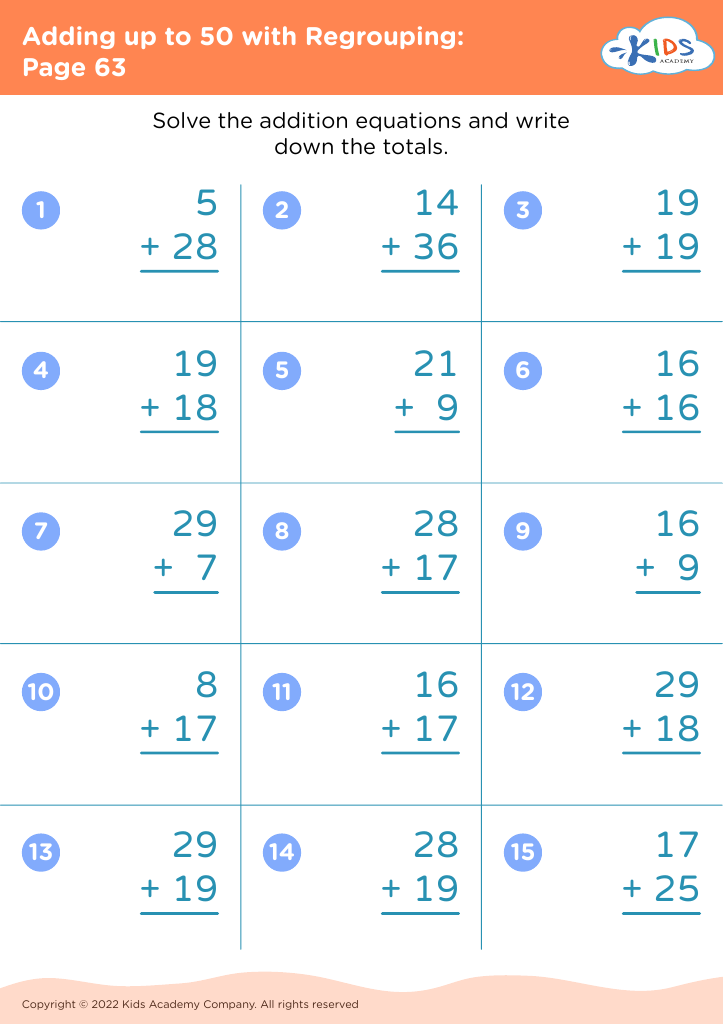
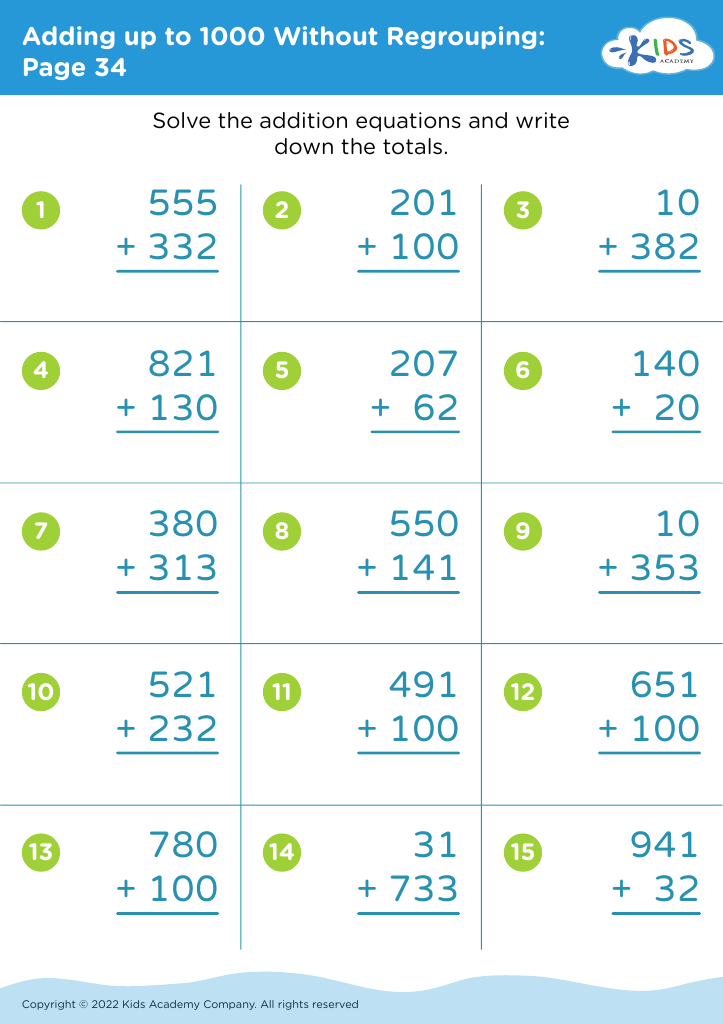
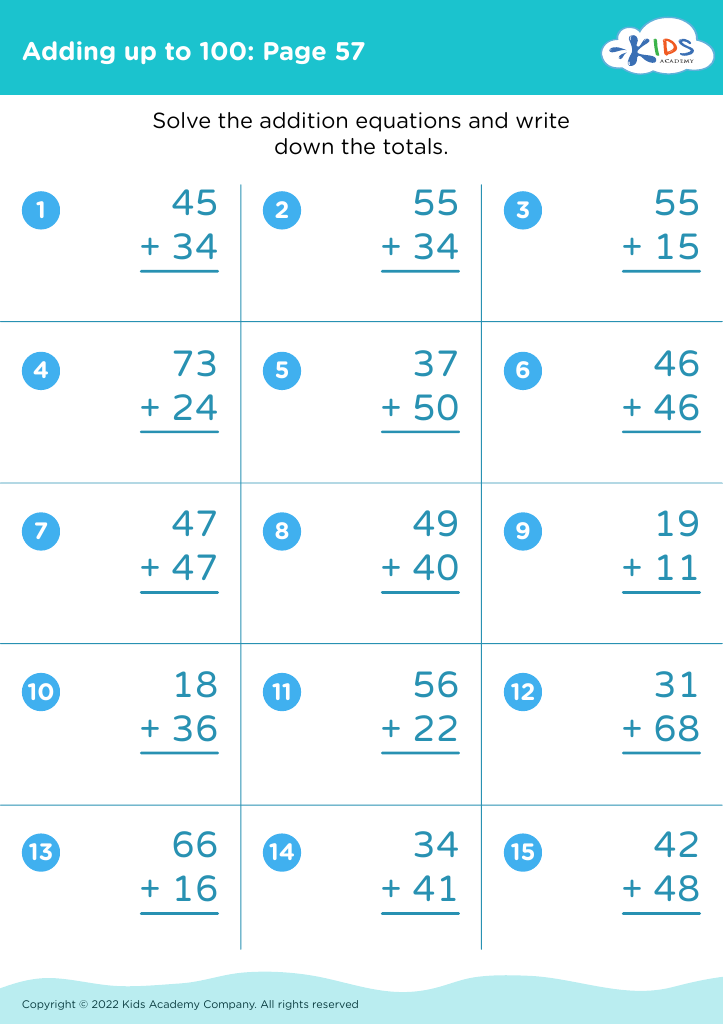
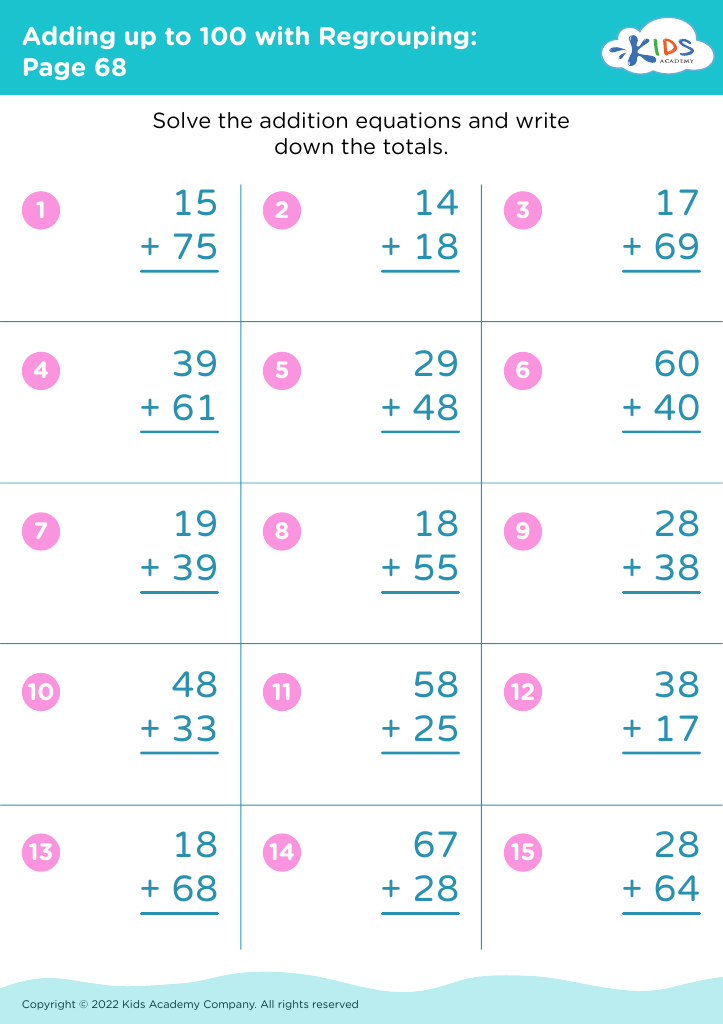
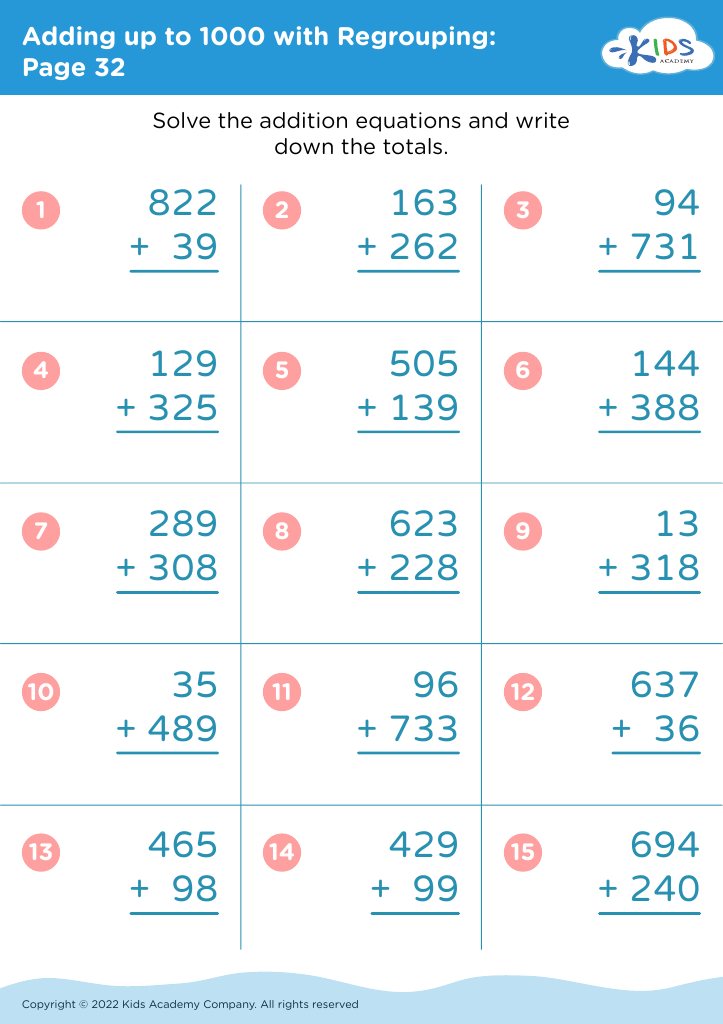
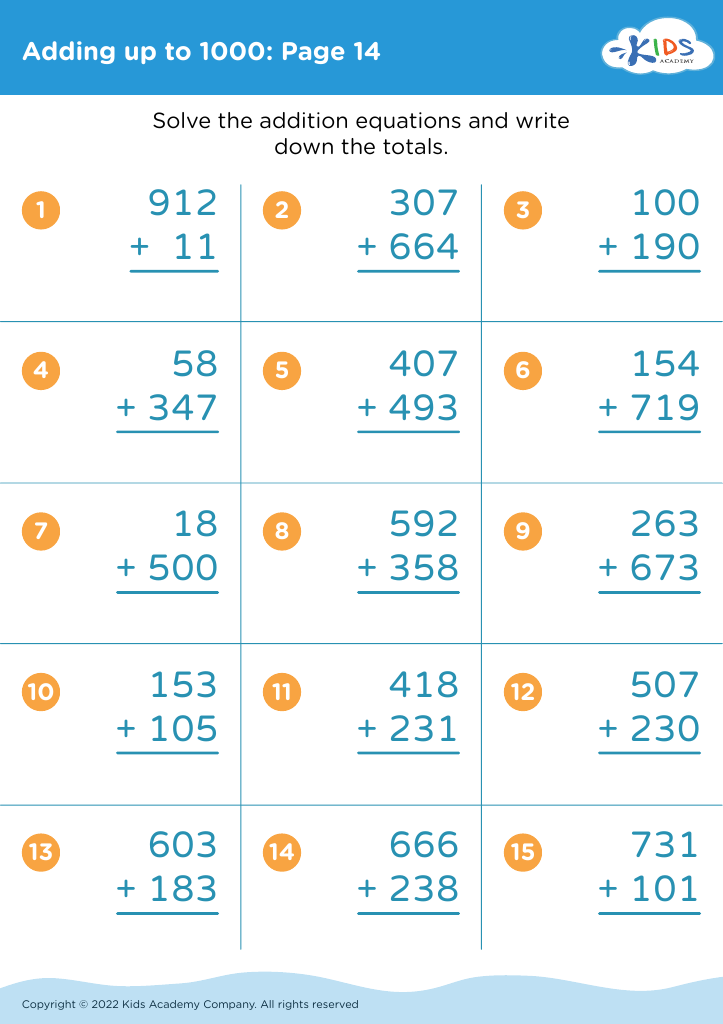
Welcome to our "Understand Subtraction Worksheets for 8-Year-Olds" page! Here, you’ll find an engaging collection of worksheets designed to help young learners master the concept of subtraction. These resources are tailored for children aged eight, promoting essential skills through fun and interactive activities. Each worksheet provides clear explanations, step-by-step instructions, and a variety of exercises to reinforce understanding. Your child will explore different subtraction strategies, solve word problems, and practice equations in an enjoyable way. Access our printable worksheets now and watch your child's confidence in subtraction grow as they develop a solid foundation for future math success!







Understanding subtraction is crucial for 8-year-olds as it lays the foundation for their mathematical journey. At this age, children begin to encounter more complex math concepts that require a strong grasp of basic operations. Mastery of subtraction helps them develop critical problem-solving skills, enabling them to tackle more significant mathematical challenges, such as word problems and multi-step equations.
Moreover, subtraction is not just an academic skill; it is a real-world tool. Children apply subtraction in everyday situations, from budgeting their allowance to measuring ingredients for a recipe. By understanding subtraction, they learn to make informed decisions and build confidence in their abilities.
Furthermore, subtraction fosters logical thinking and reasoning skills. When children engage with subtraction problems, they enhance their analytical abilities and develop a mindset that embraces finding solutions.
Lastly, parents and teachers play a critical role in nurturing this comprehension. Engaging approaches such as games, visual aids, and interactive activities can make learning subtraction enjoyable, fostering a positive attitude toward math. By emphasizing subtraction, adults help cultivate a well-rounded, mathematically literate individual who can navigate both academic and personal challenges effectively.








