Check out this FREE "Understanding fractions" Trial Lesson for age 8!

P

Favorites
With answer key
Interactive
  • 8
  • Understanding fractions
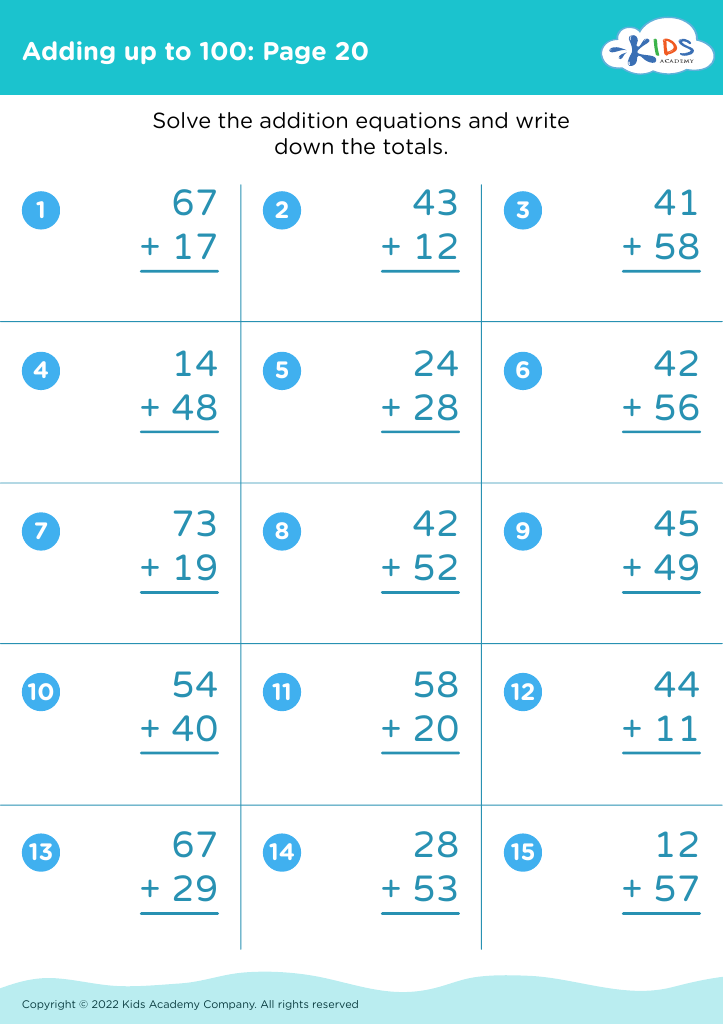
Adding up to 100: Page 20

Adding up to 100: Page 20

Adding up to 100: Page 20
Worksheet
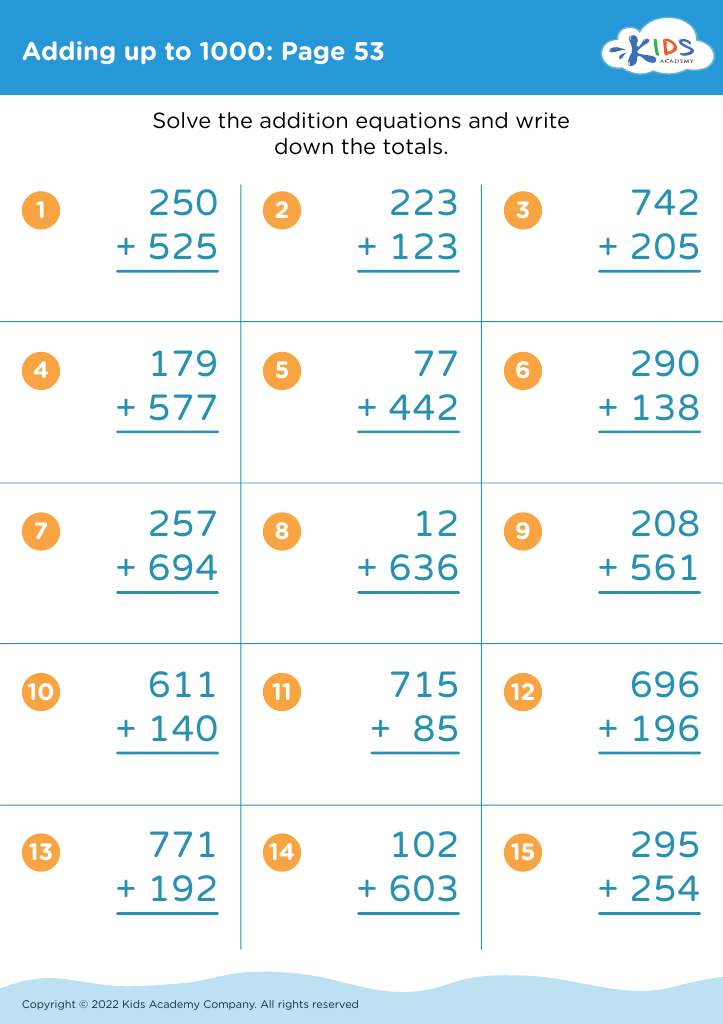
Adding up to 1000: Page 53

Adding up to 1000: Page 53

Adding up to 1000: Page 53
Worksheet
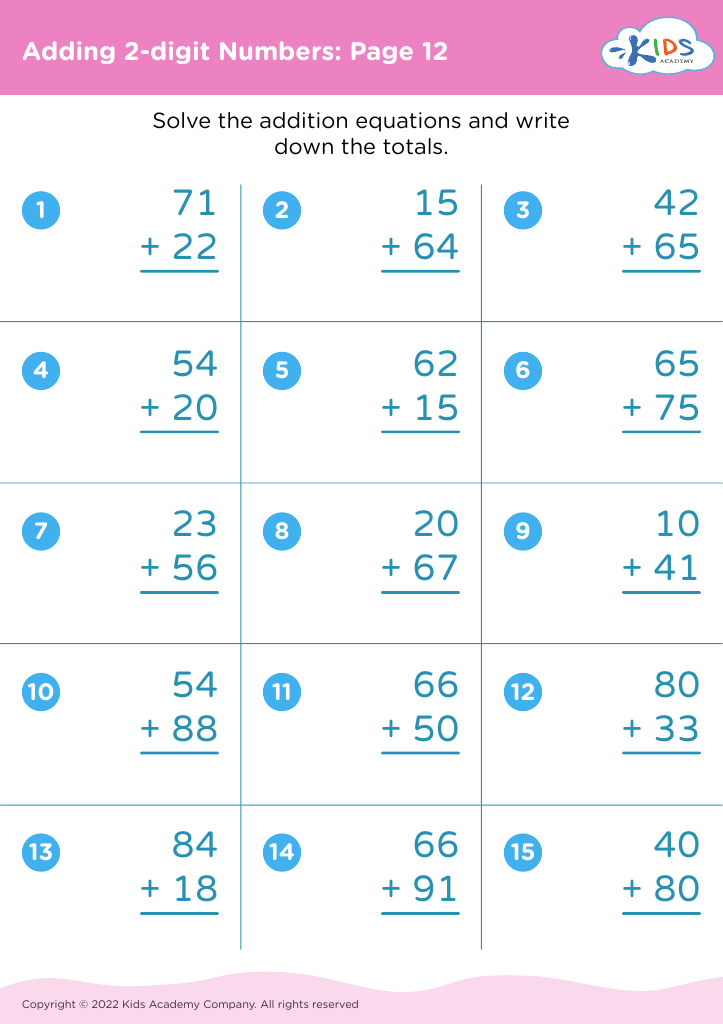
Adding 2-digit Numbers: Page 12

Adding 2-digit Numbers: Page 12

Adding 2-digit Numbers: Page 12
Worksheet
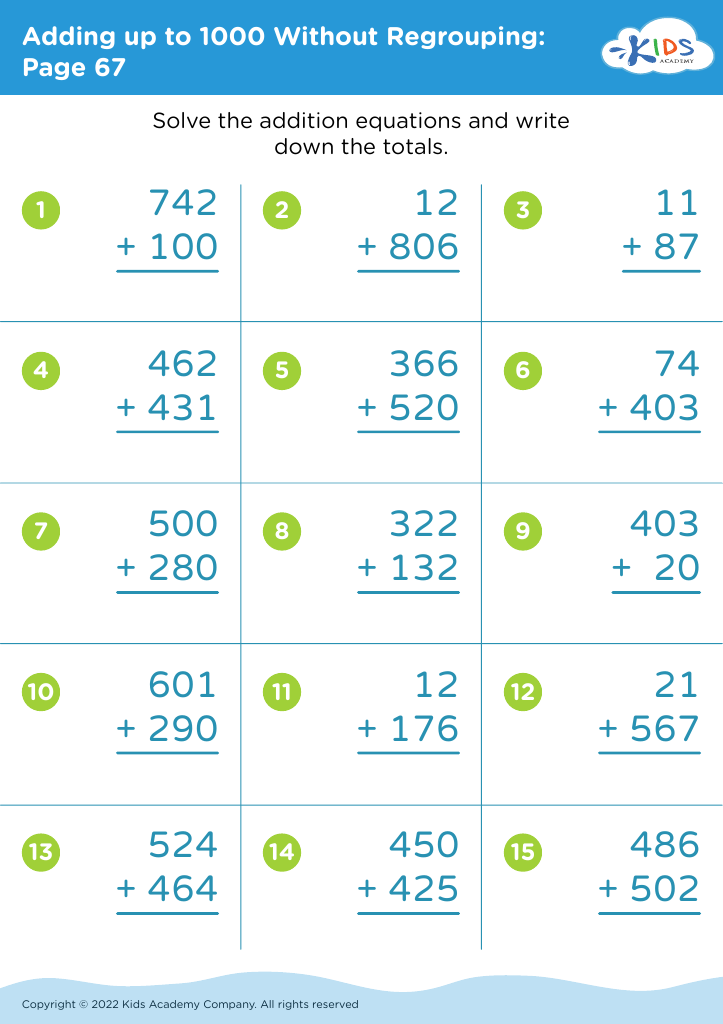
Adding up to 1000 Without Regrouping: Page 67
Worksheet
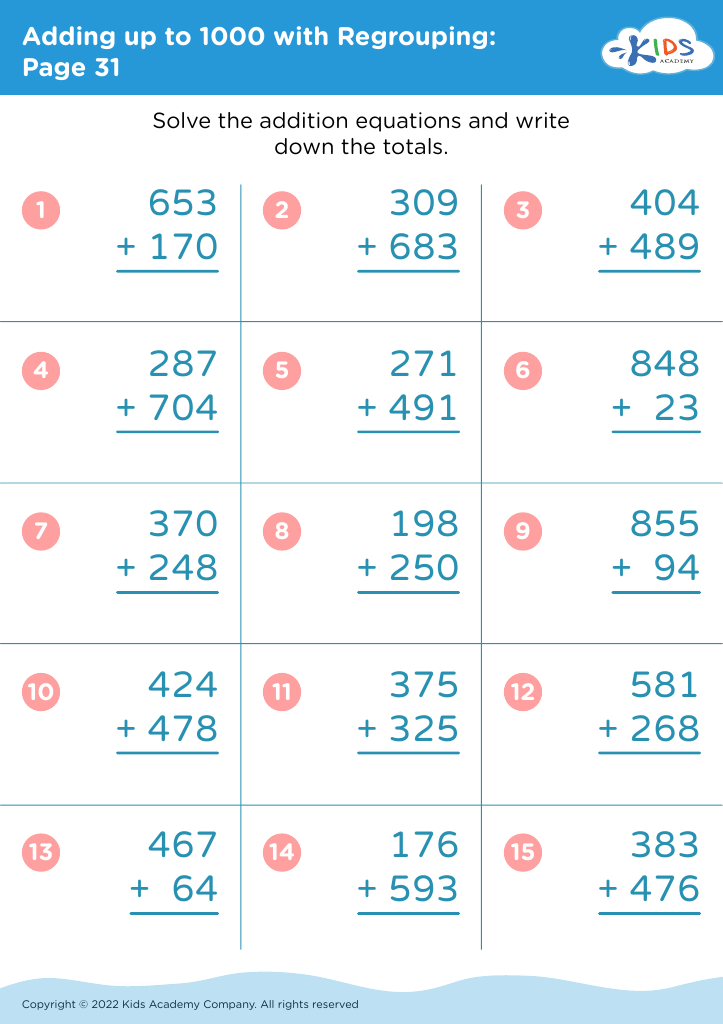
Adding up to 1000 with Regrouping: Page 31
Worksheet
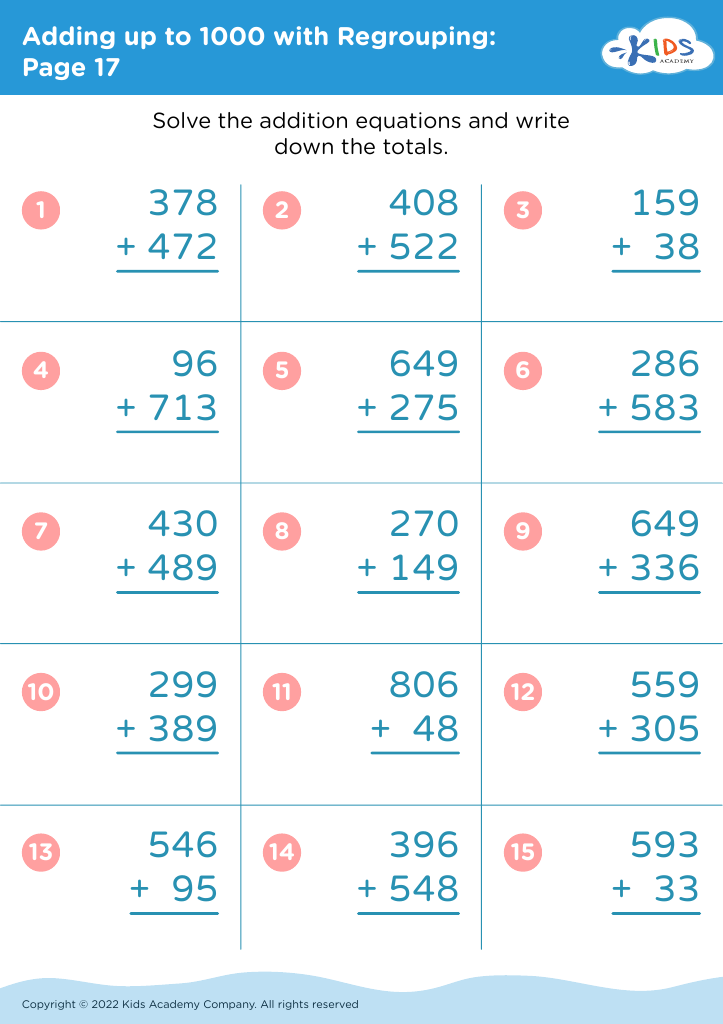
Adding up to 1000 with Regrouping: Page 17
Worksheet
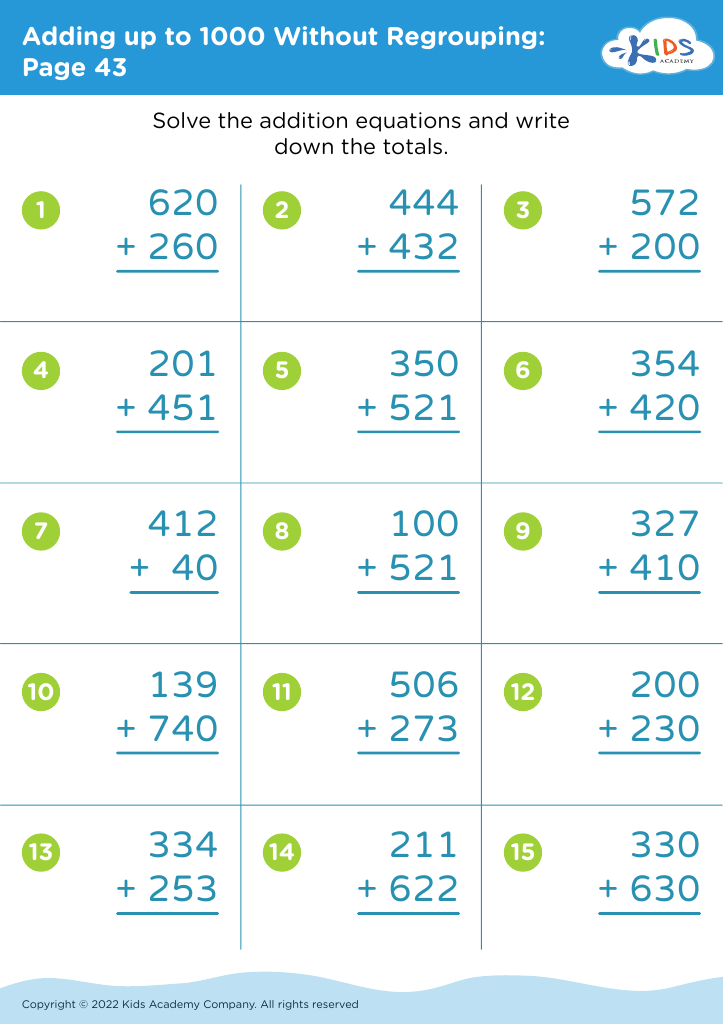
Adding up to 1000 Without Regrouping: Page 43
Worksheet
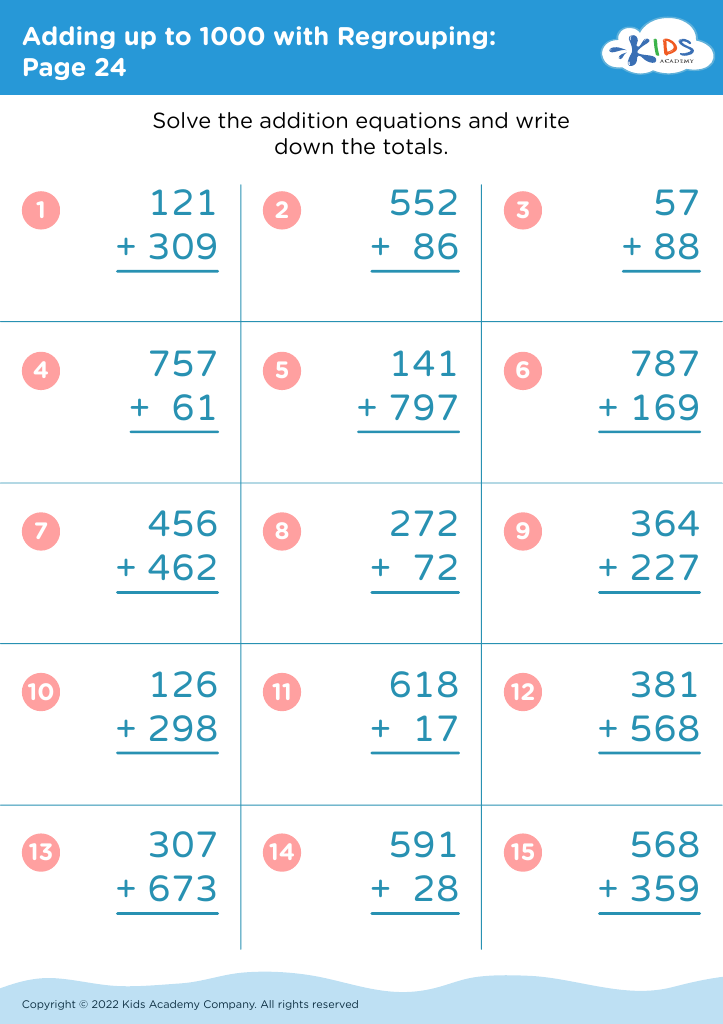
Adding up to 1000 with Regrouping: Page 24
Worksheet
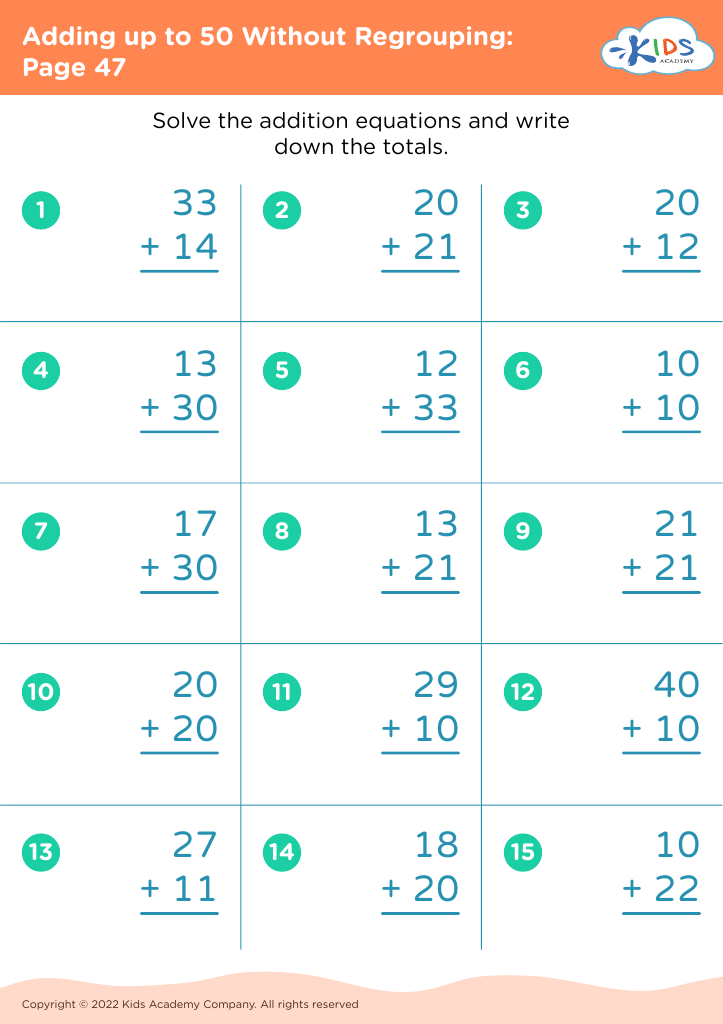
Adding up to 50 Without Regrouping: Page 47
Worksheet
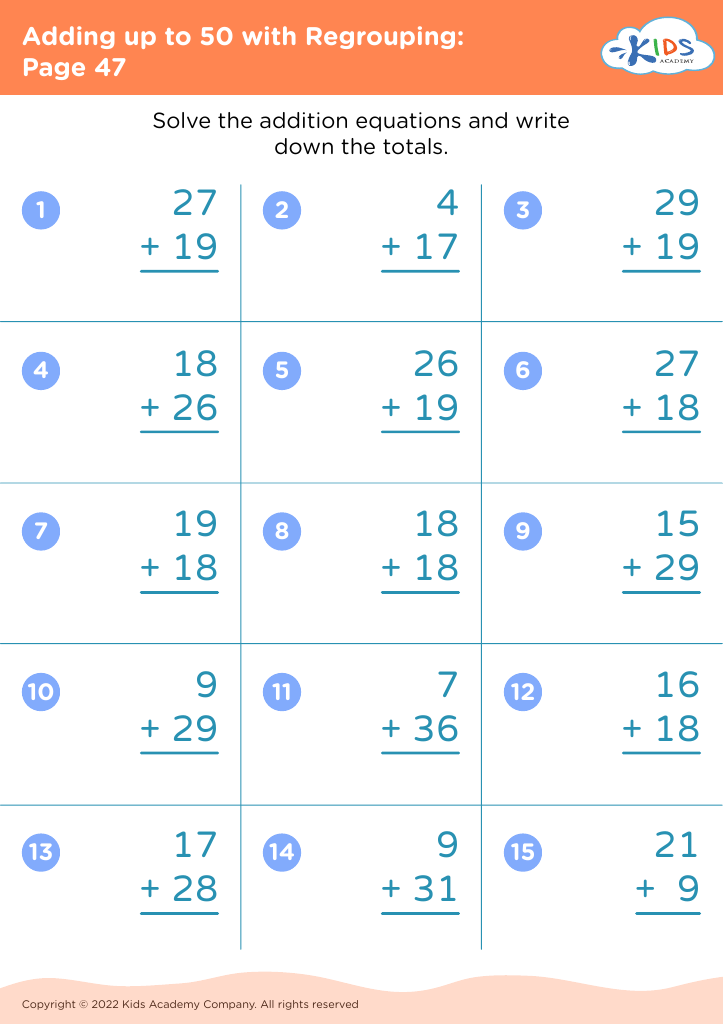
Adding up to 50 with Regrouping: Page 47
Worksheet
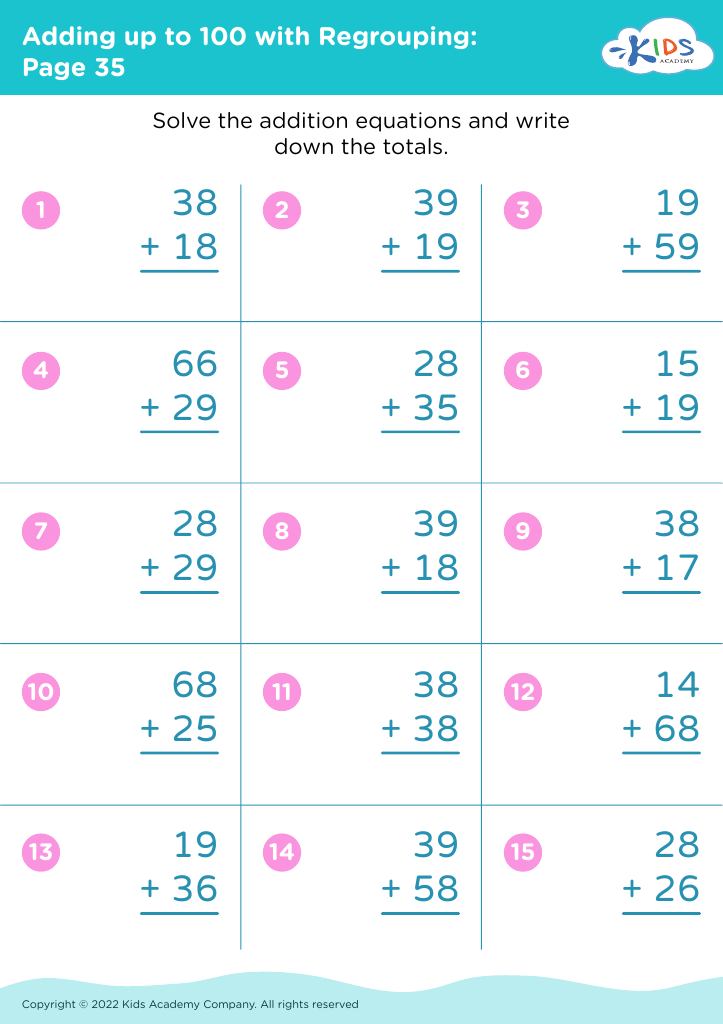
Adding up to 100 with Regrouping: Page 35
Worksheet
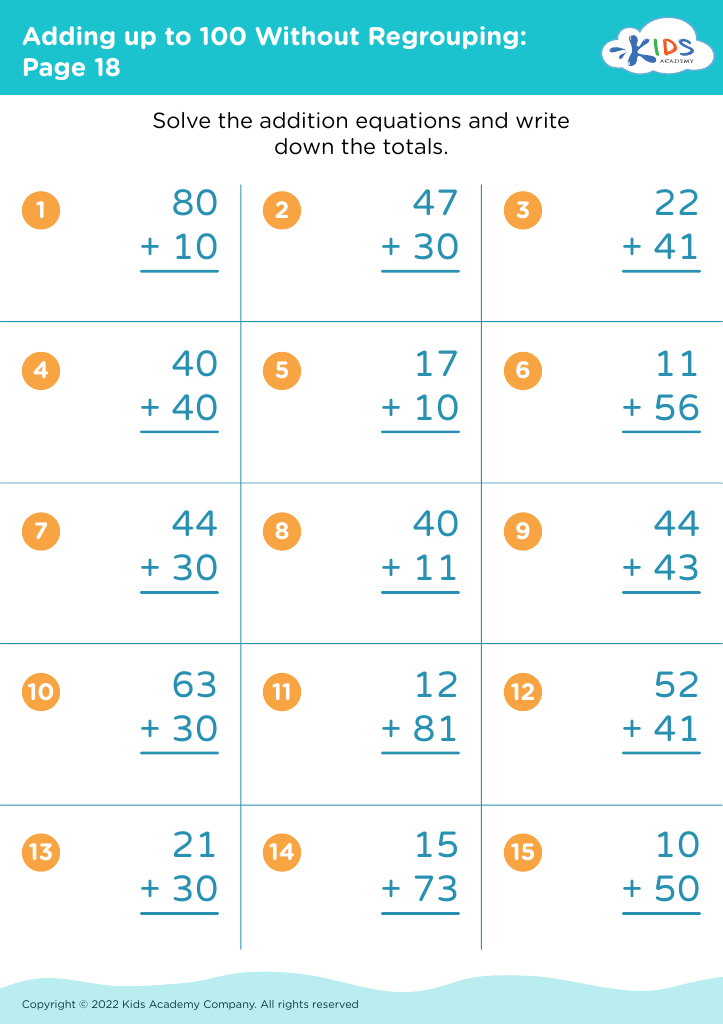
Adding up to 100 Without Regrouping: Page 18
Worksheet
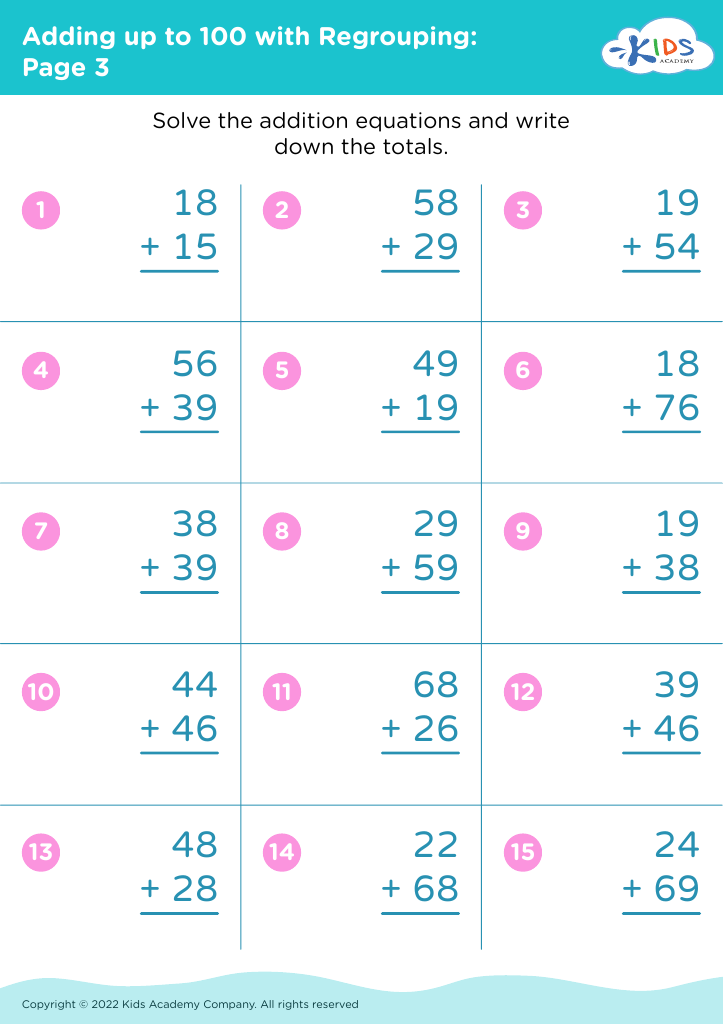
Adding up to 100 with Regrouping: Page 3
Worksheet
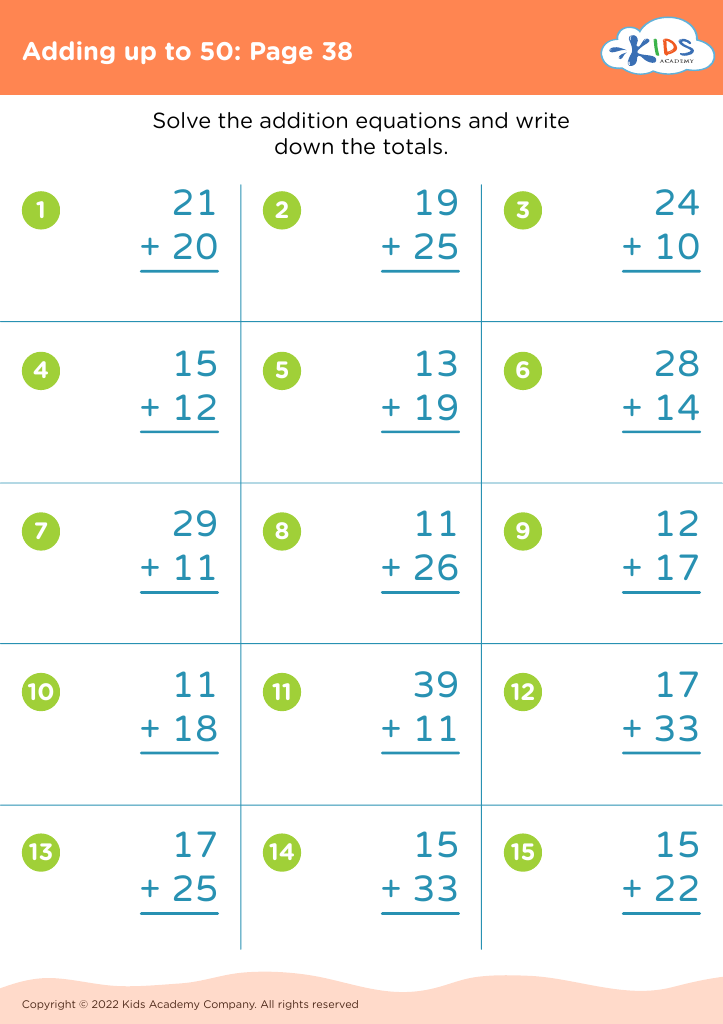
Adding up to 50: Page 38

Adding up to 50: Page 38

Adding up to 50: Page 38
Worksheet
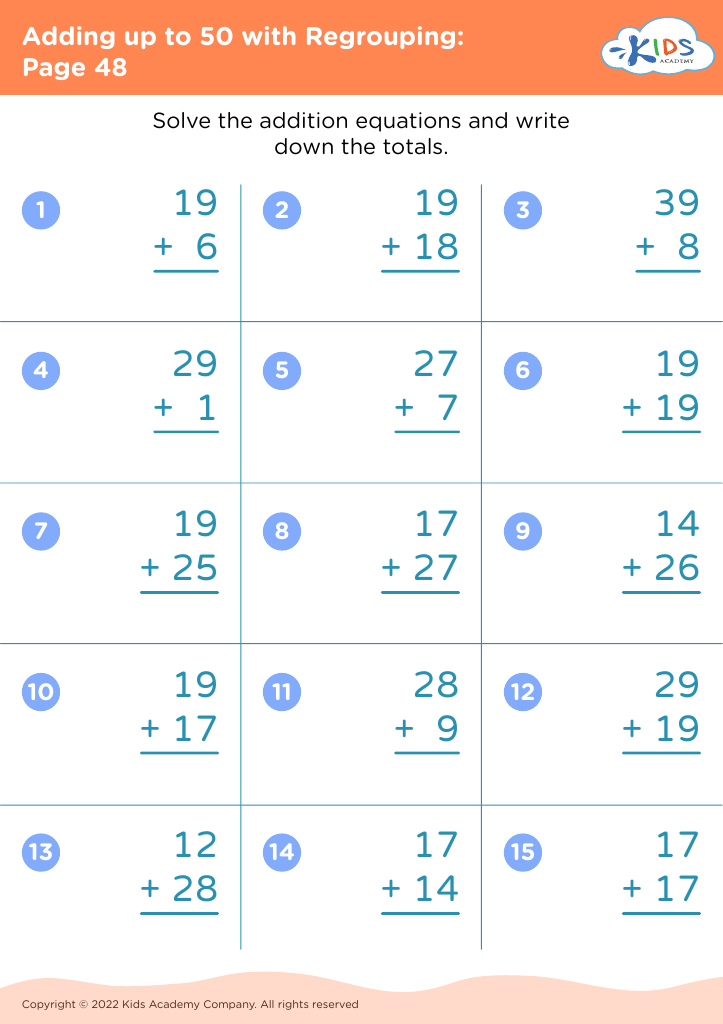
Adding up to 50 with Regrouping: Page 48
Worksheet
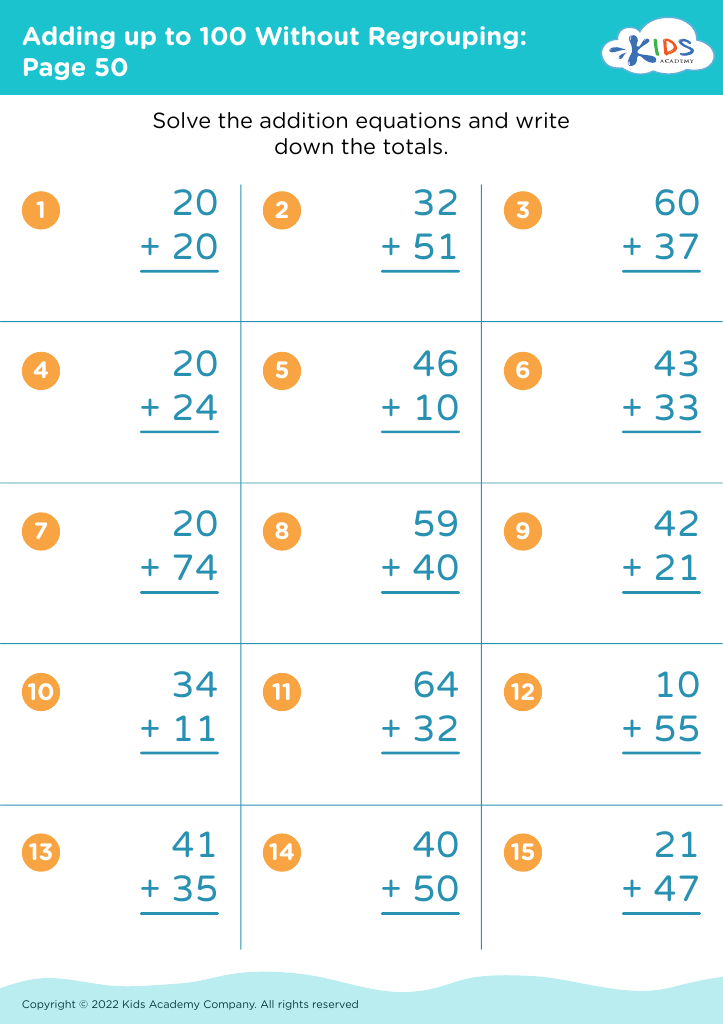
Adding up to 100 Without Regrouping: Page 50
Worksheet
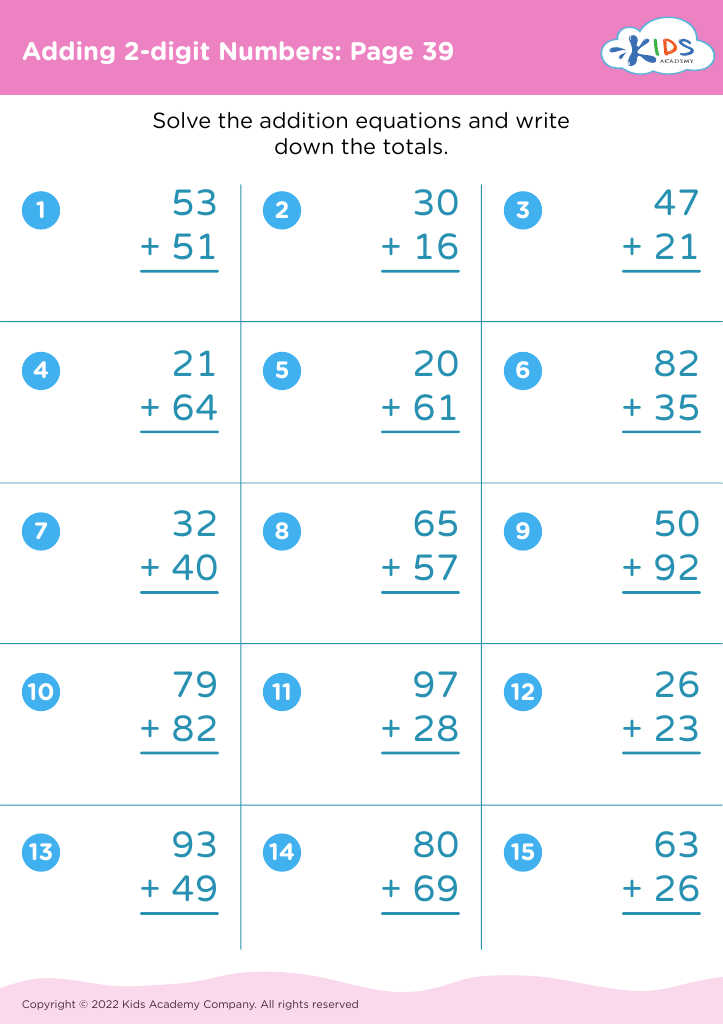
Adding 2-digit Numbers: Page 39

Adding 2-digit Numbers: Page 39

Adding 2-digit Numbers: Page 39
Worksheet
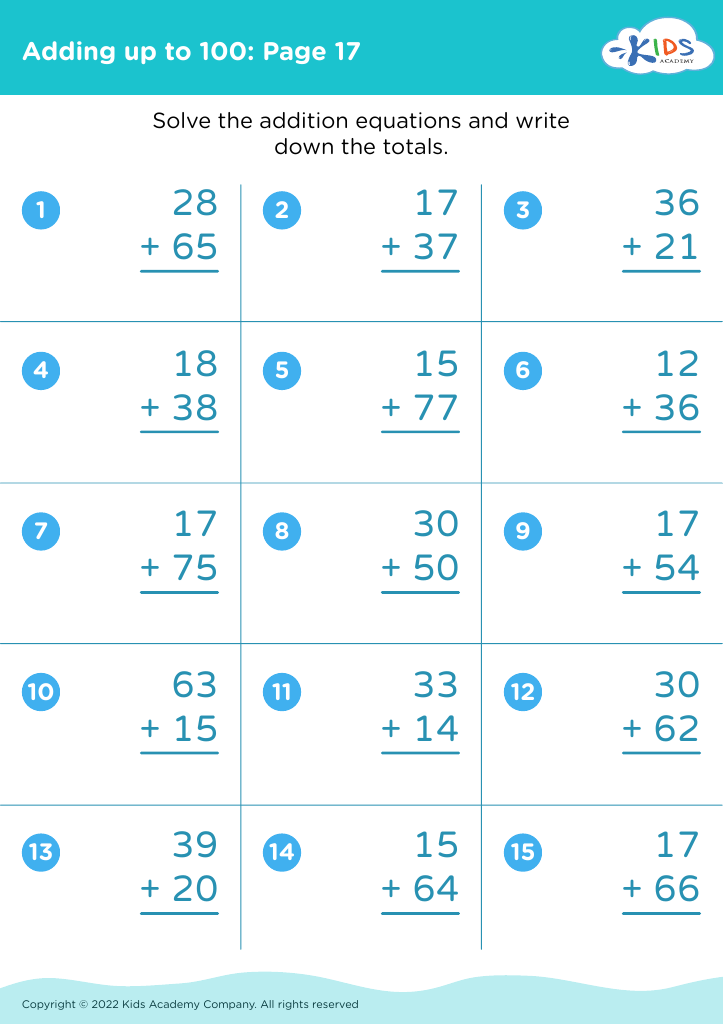
Adding up to 100: Page 17

Adding up to 100: Page 17

Adding up to 100: Page 17
Worksheet
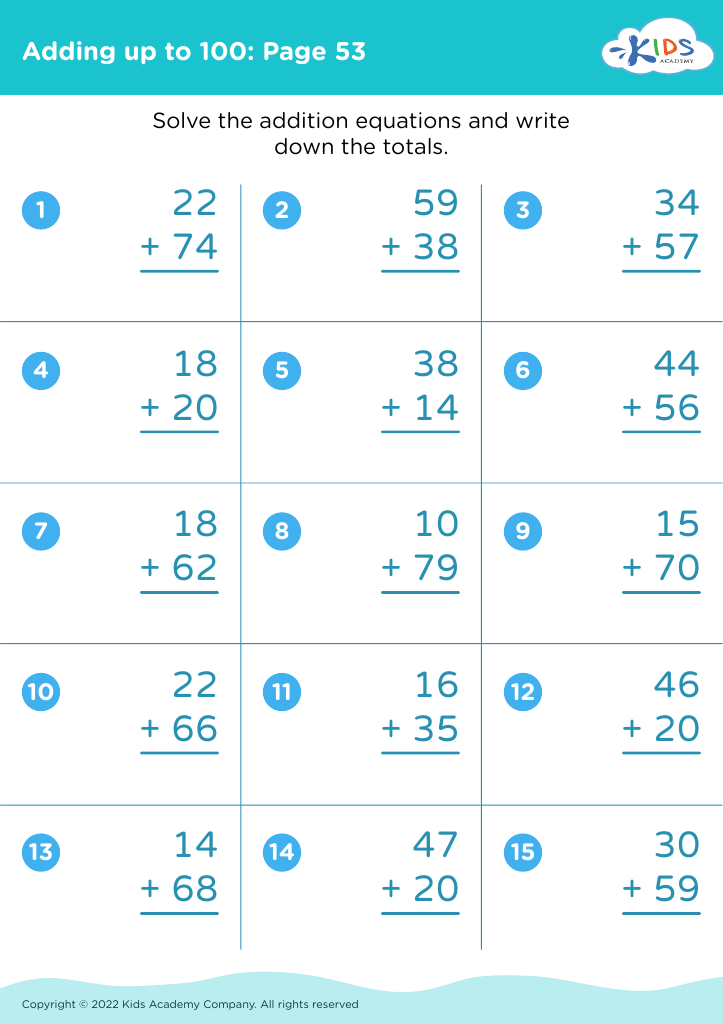
Adding up to 100: Page 53

Adding up to 100: Page 53

Adding up to 100: Page 53
Worksheet
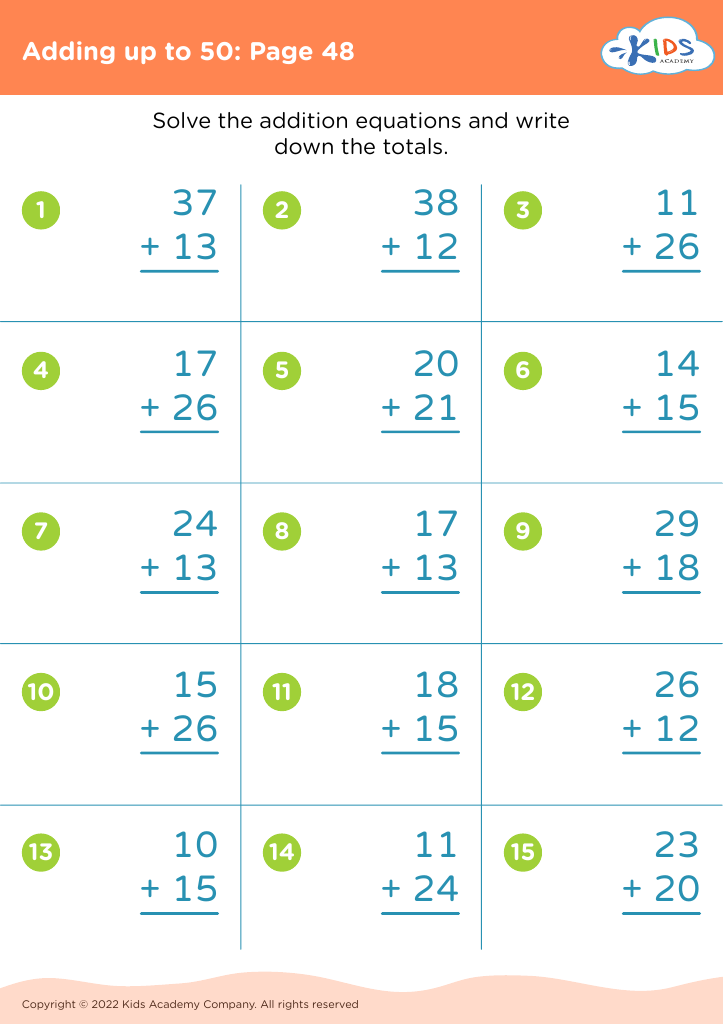
Adding up to 50: Page 48

Adding up to 50: Page 48

Adding up to 50: Page 48
Worksheet
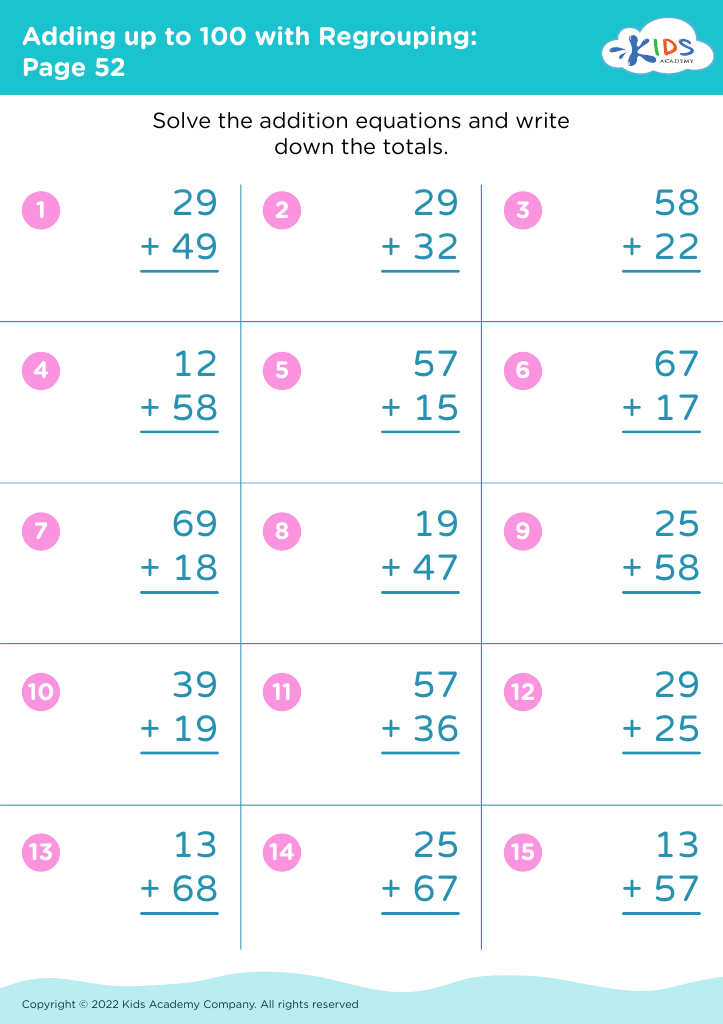
Adding up to 100 with Regrouping: Page 52
Worksheet
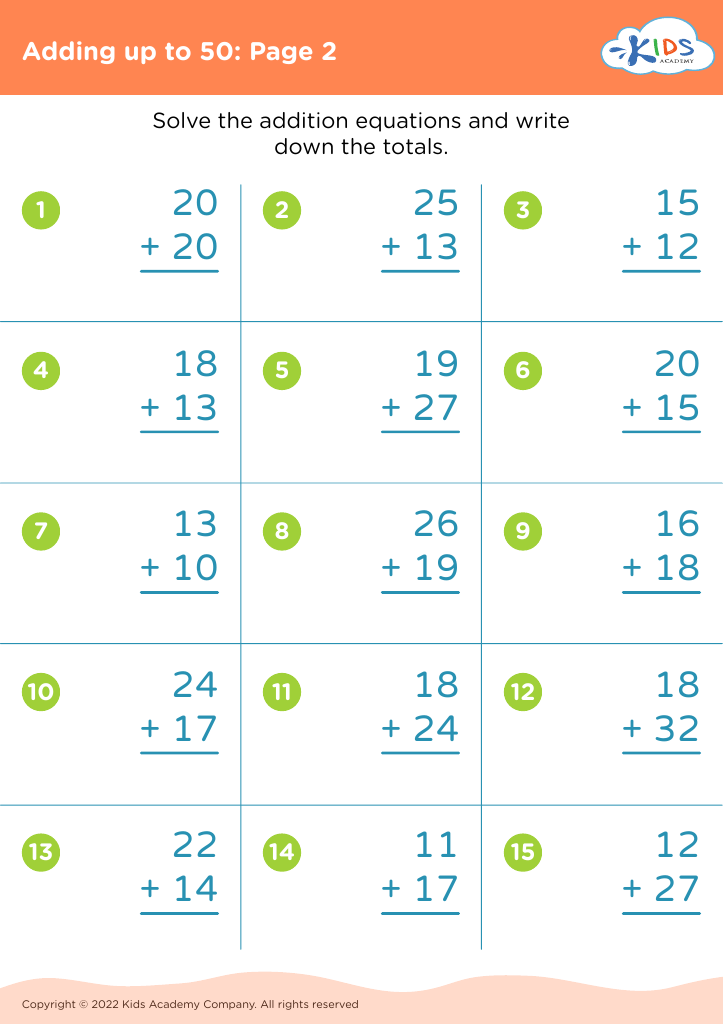
Adding up to 50: Page 2

Adding up to 50: Page 2

Adding up to 50: Page 2
Worksheet
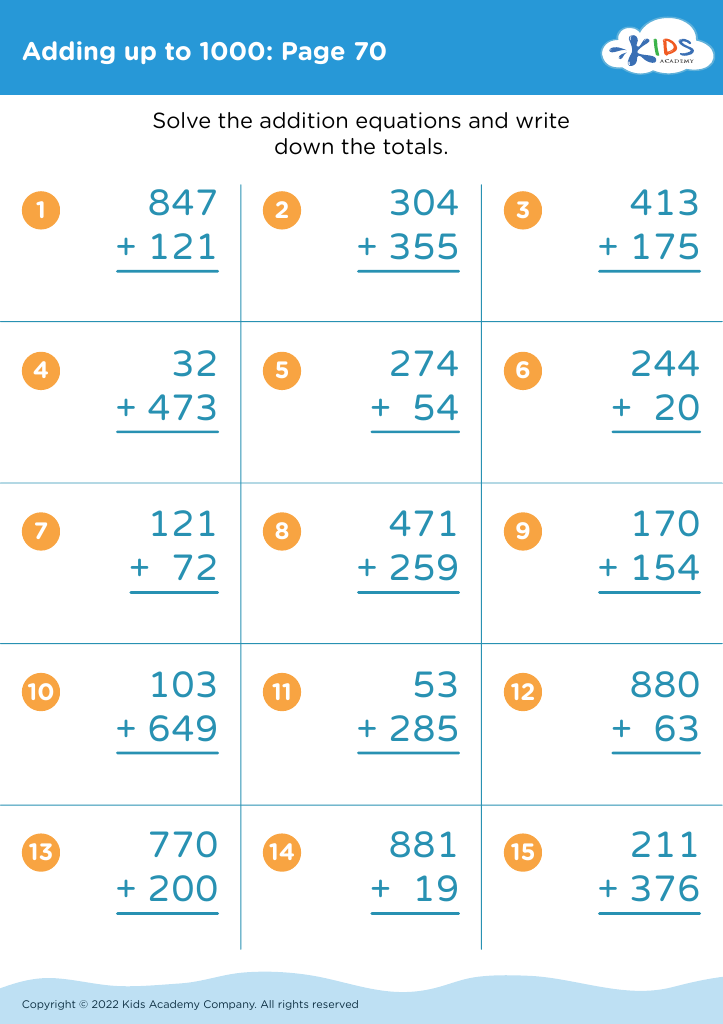
Adding up to 1000: Page 70

Adding up to 1000: Page 70

Adding up to 1000: Page 70
Worksheet
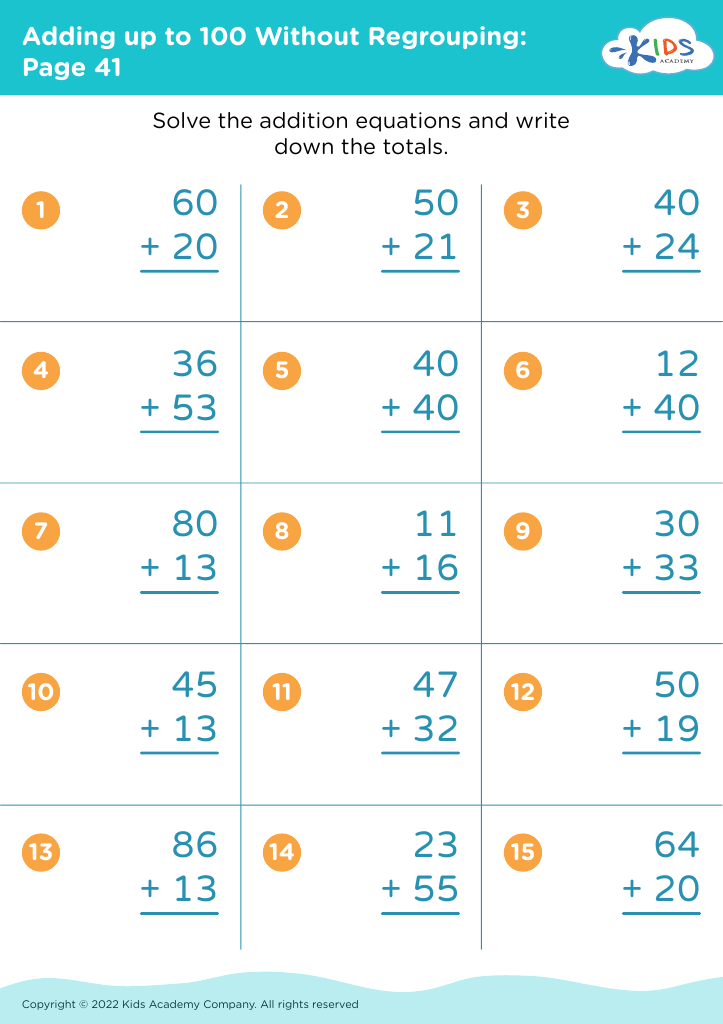
Adding up to 100 Without Regrouping: Page 41
Worksheet


Understanding fractions at an early age, such as 8, builds foundational math skills that are critical for a child's academic development and daily life. At this age, children transition from concrete thinking to more abstract thought processes, making it an ideal time to introduce the concept of fractions.

Fractions are everywhere: in cooking (half a cup of flour), sharing (dividing a pizza), and even in time management (a quarter of an hour). By grasping fractions, children enhance their problem-solving skills and learn to approach everyday situations logically.

Educationally, understanding fractions is pivotal for progressing in more advanced math topics, such as ratios, proportions, and algebra. A solid foundation in fractions can lead to greater confidence and success in subsequent math learning, fostering a positive attitude toward the subject.

Moreover, fractions teach valuable life skills. They promote precision, critical thinking, and an appreciation for the concept of parts and wholes. Understanding fractions also lays the groundwork for future financial literacy, such as dividing money or understanding discounts.

In summary, helping 8-year-olds understand fractions prepares them not just for academic success, but for a variety of real-world applications. Engaging parents and teachers in this effort supports a well-rounded, mathematically proficient, and confident child.