Understanding sequence Worksheets for 8-Year-Olds
5 filtered results
-
From - To
Unlock your child's potential with our "Understanding Sequence" worksheets, specifically designed for 8-year-olds! These engaging and interactive resources help young learners grasp the concept of sequencing, an essential skill in both language arts and critical thinking. Through fun activities and colorful visuals, kids will practice organizing events, following logical steps, and more. Our worksheets make learning not only educational but also enjoyable, ensuring your child develops a strong foundation for future learning. Perfect for home, classroom, or homeschooling, these sequence worksheets provide an excellent way to enhance your child's comprehension and analytical skills! Start their journey in mastering sequencing today!
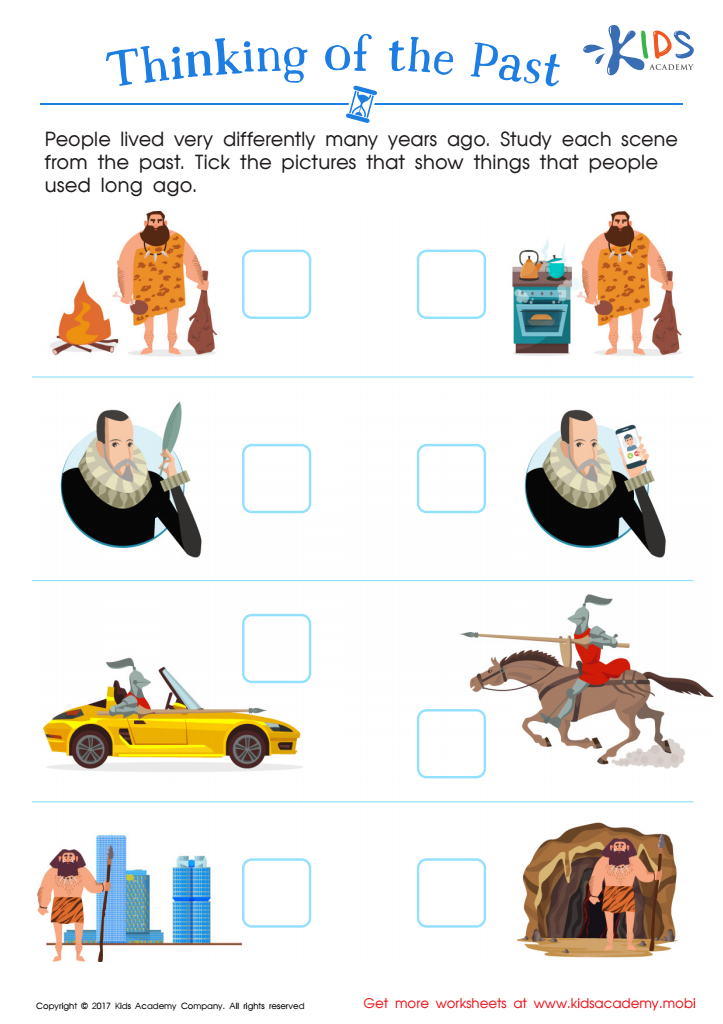
Thinking Past Printable
 Assign to My Students
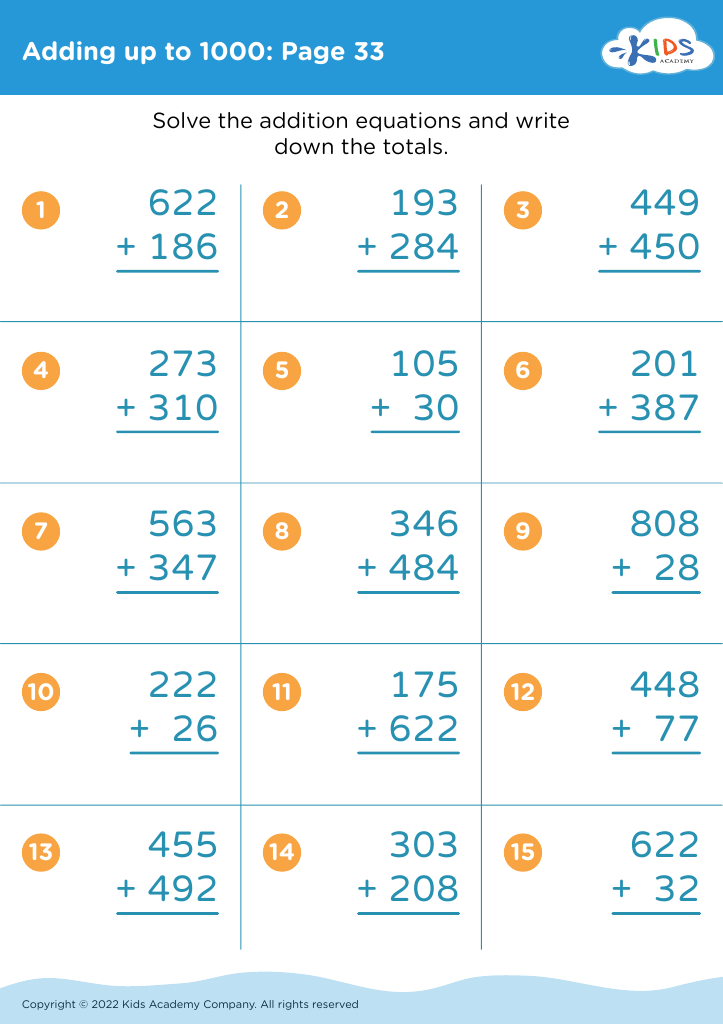



.jpg)


Understanding sequences is essential for 8-year-olds as it lays the foundation for critical thinking and problem-solving skills. At this age, children begin to make connections between concepts across subjects, and mastering sequences helps them do so effectively. Sequences are not limited to math; they appear in history, stories, and everyday life. Recognizing patterns, sorting events, and understanding order can greatly enhance a child's reasoning abilities.
Parents and teachers should care because fostering this skill encourages independence and self-confidence. For instance, when children understand sequences, they can better follow instructions, plan their activities, and comprehend narratives. Moreover, grasping sequences aids in grasping more complex mathematical concepts, such as multiplication and division, which rely on the understanding of patterns and order.
Furthermore, shearing in discussions about sequences provides opportunities for dialogue between parents and teachers, reinforcing learning in different environments. By focusing on this skill, caregivers can tailor activities—like cooking, arts and crafts, or storytelling—that make learning engaging and interactive. Equipped with the ability to understand sequences, 8-year-olds are not only better prepared for academic success but also more adept at navigating their world, setting them up for lifelong learning and growth.








