Understanding time Worksheets for 8-Year-Olds
8 filtered results
-
From - To
Our "Understanding Time Worksheets for 8-Year-Olds" are designed to make learning how to read clocks, understand calendars, and grasp the concept of time fun and engaging. With activities tailored to third graders, these worksheets help build critical time-telling skills through interactive exercises, puzzles, and real-life scenarios. Watch as your child learns to confidently read both analog and digital clocks, calculate elapsed time, and understand schedules. Our worksheets are perfect for classroom use or at-home practice, supporting educational development with clear visuals and step-by-step instructions. Empower your child with the tools they need to master time-telling effortlessly!
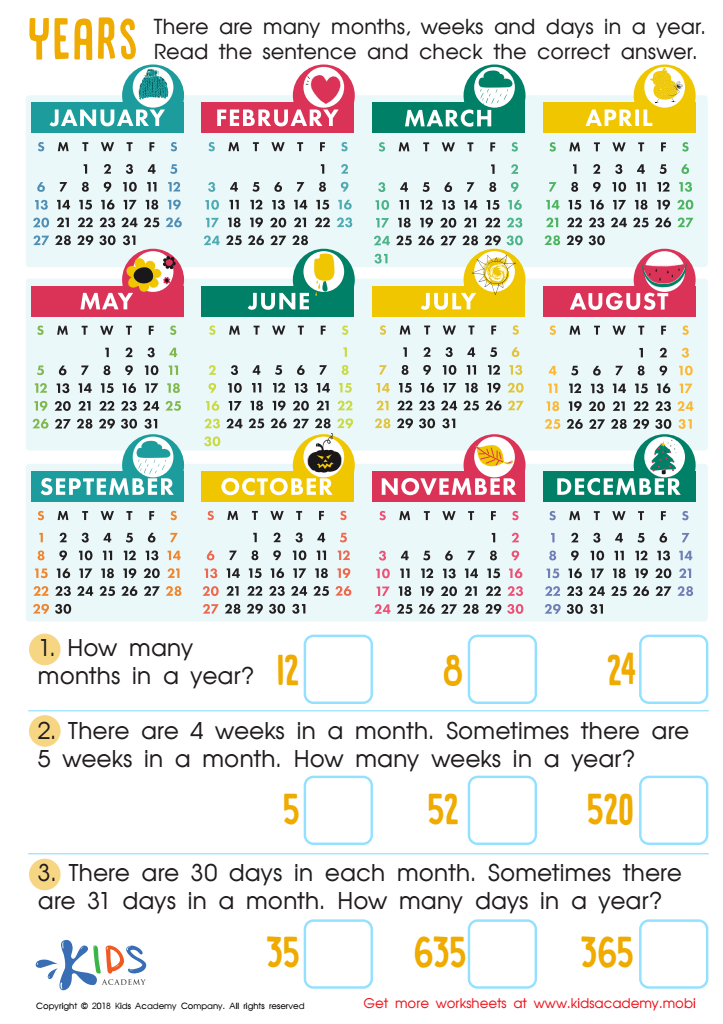
Years Worksheet
 Assign to My Students
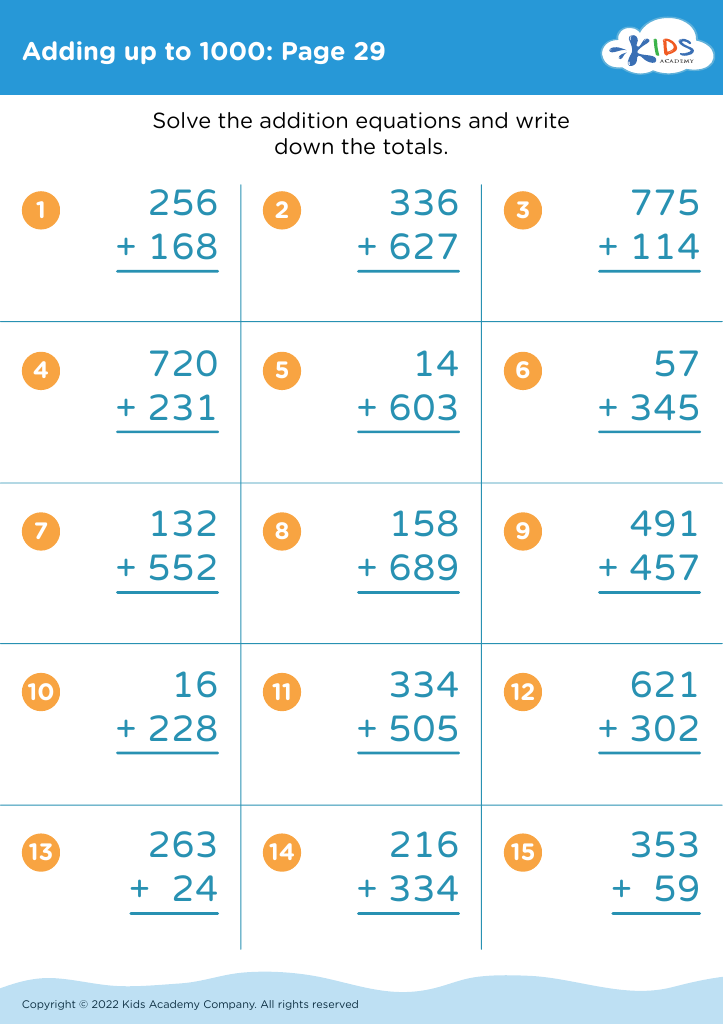
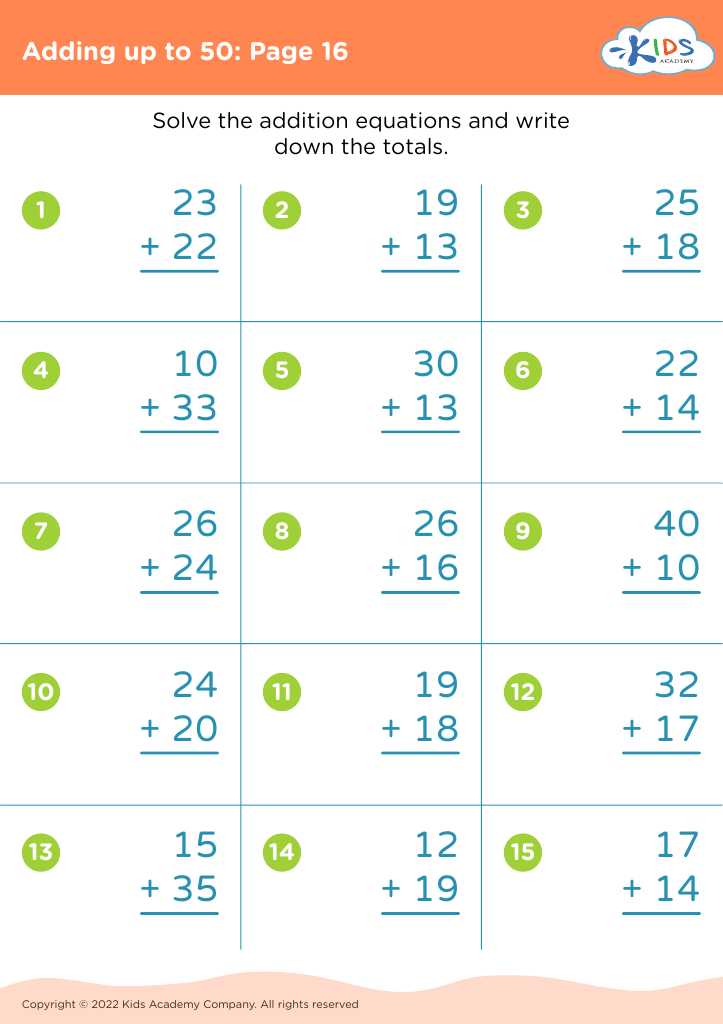
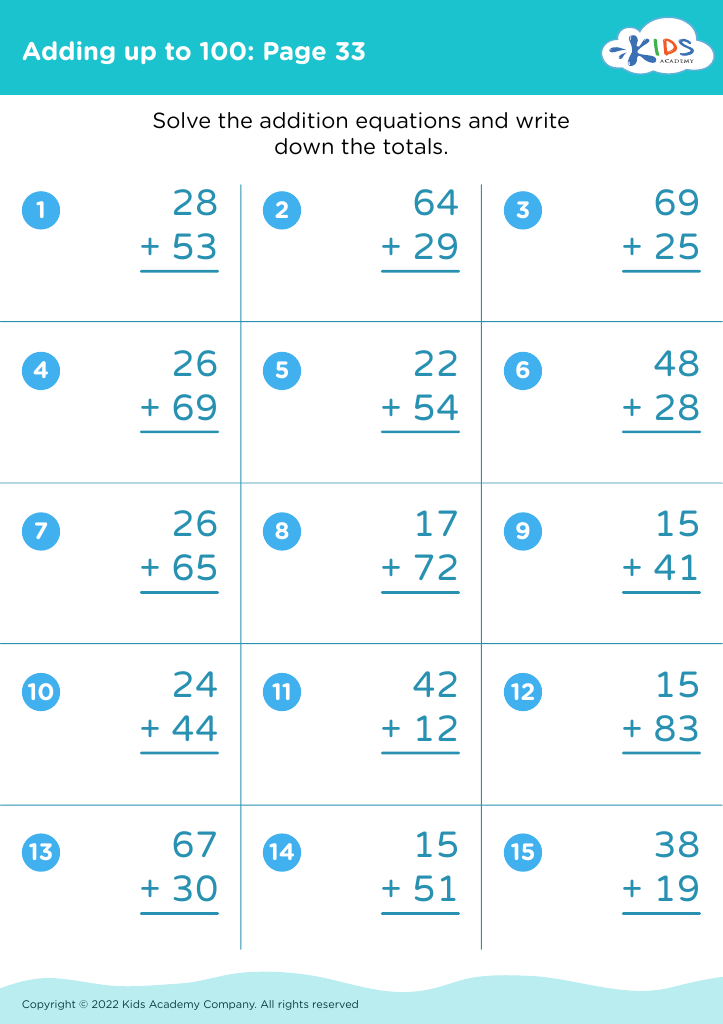
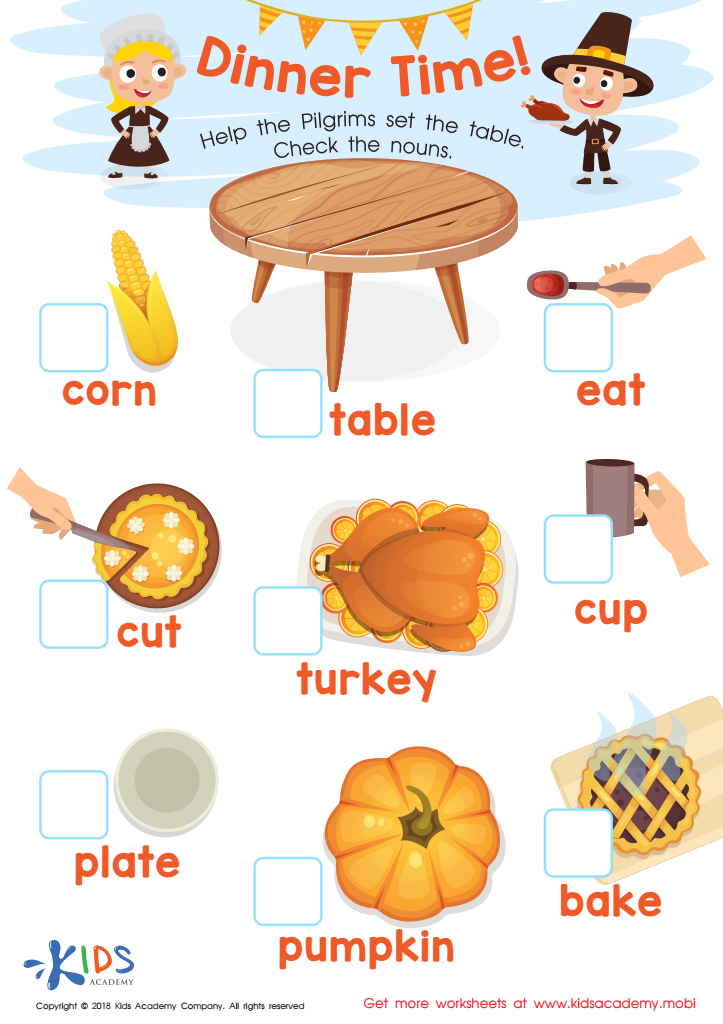
Dinner Time! Worksheet
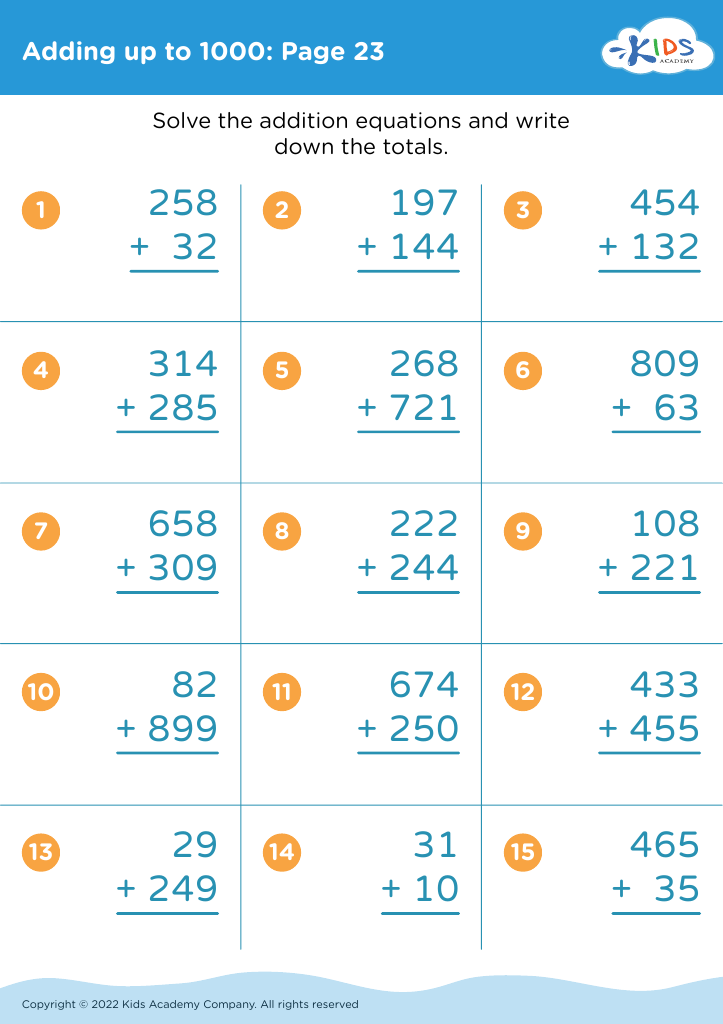
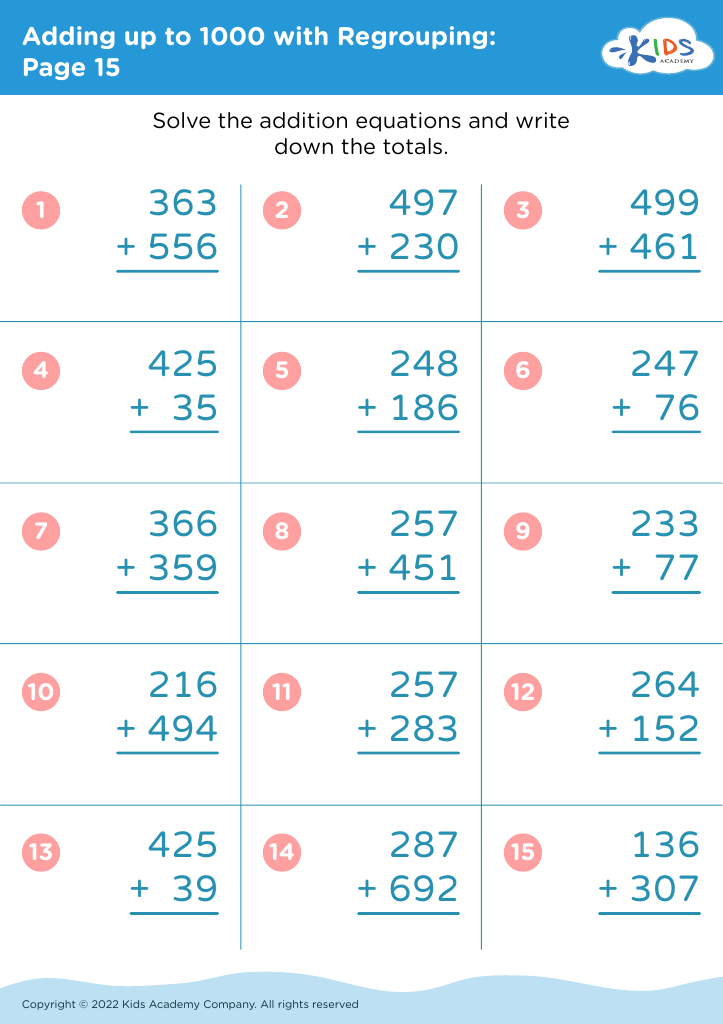
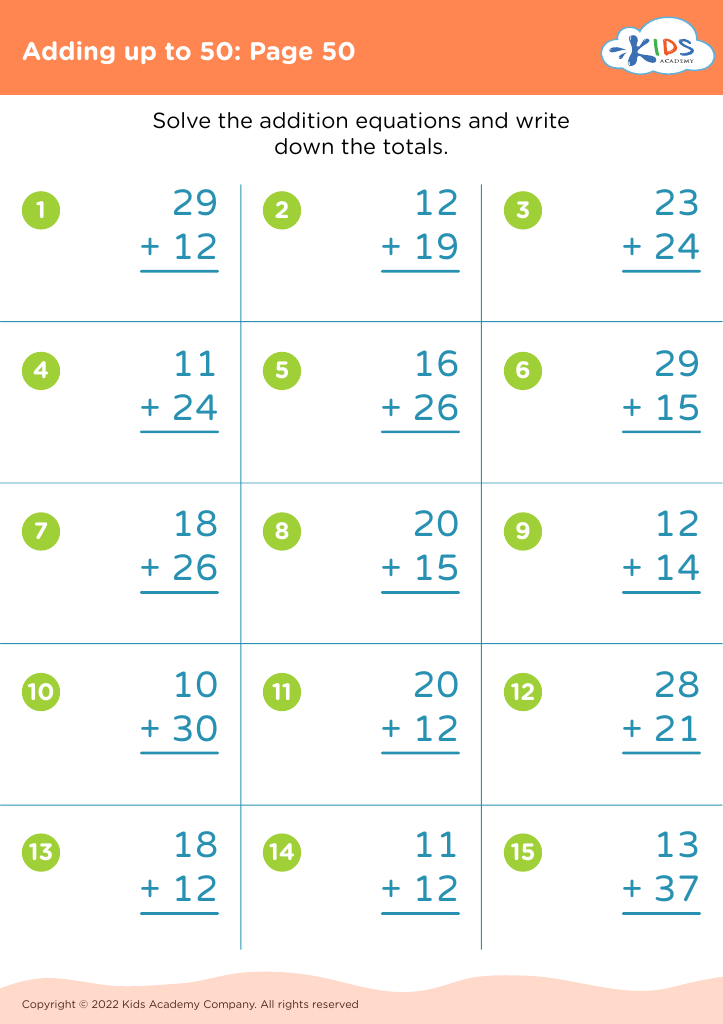







Understanding time is a fundamental skill for 8-year-olds, and it's crucial for both parents and teachers to engage actively in this learning process. Firstly, grasping the concept of time enhances a child's ability to follow schedules and routines, encouraging a sense of order and responsibility. This is essential for school, home activities, and future endeavors.
Furthermore, understanding time helps children develop better time-management skills. When kids comprehend the significance of minutes and hours, they can begin to allocate appropriate amounts of time to different tasks, fostering skills like prioritization and efficiency.
Knowing how to tell time also boosts mathematical abilities. The process inherently involves counting, addition, subtraction, and even fractions—skills that are transferable to other areas of learning. Moreover, clocks often introduce children to the concept of numbers in different bases, rounding out their mathematical comprehension.
Lastly, the concept of time is tied deeply to comprehension of the world. It helps kids understand historical events, the concept of aging, seasons, and the daily movement from day to night. This larger context makes them feel more connected to their environment and empowers them to navigate life with added confidence.
Thus, the role of parents and teachers is crucial in making sure 8-year-olds grasp the importance and functionality of telling and understanding time.








