Visual discrimination skills Worksheets for 8-Year-Olds
4 filtered results
-
From - To
Enhance your child's learning experience with our Visual Discrimination Skills Worksheets designed specifically for 8-year-olds. These engaging and interactive worksheets help children develop the ability to recognize subtle differences and similarities in shapes, colors, and patterns. This foundational skill is essential for reading, writing, and problem-solving. With a variety of fun activities, such as matching, sorting, and visual puzzles, our worksheets foster critical thinking while keeping learning enjoyable. Perfect for at-home practice or as supplemental classroom resources, our materials ensure that children build confidence in their skills. Begin their journey toward mastery with our comprehensive selection today!
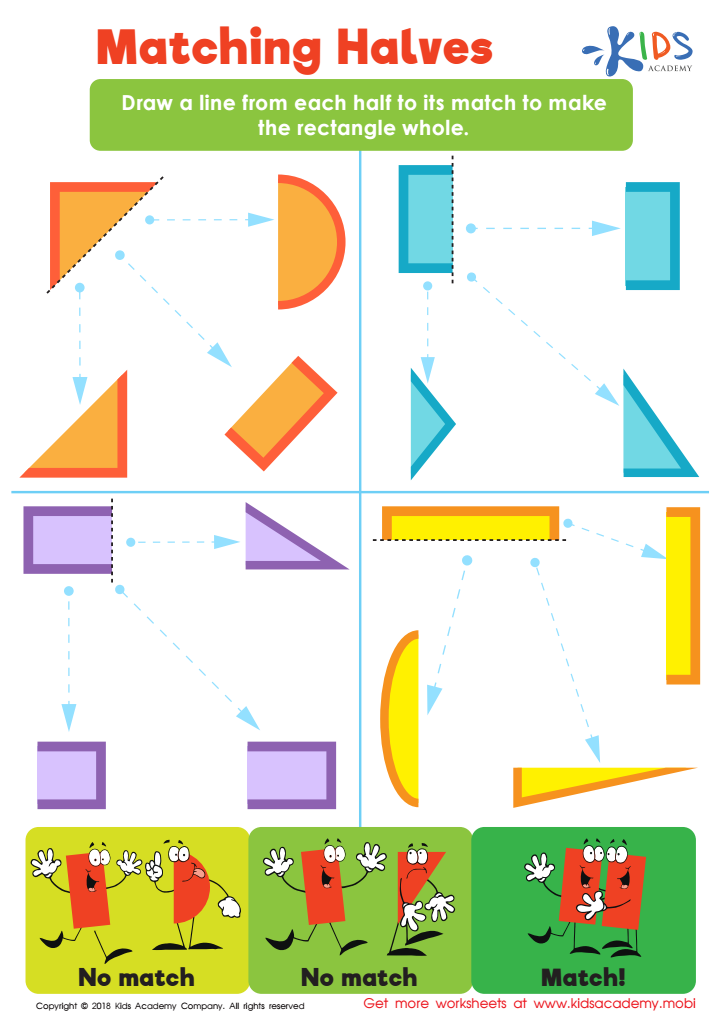
Matching Halves Worksheet
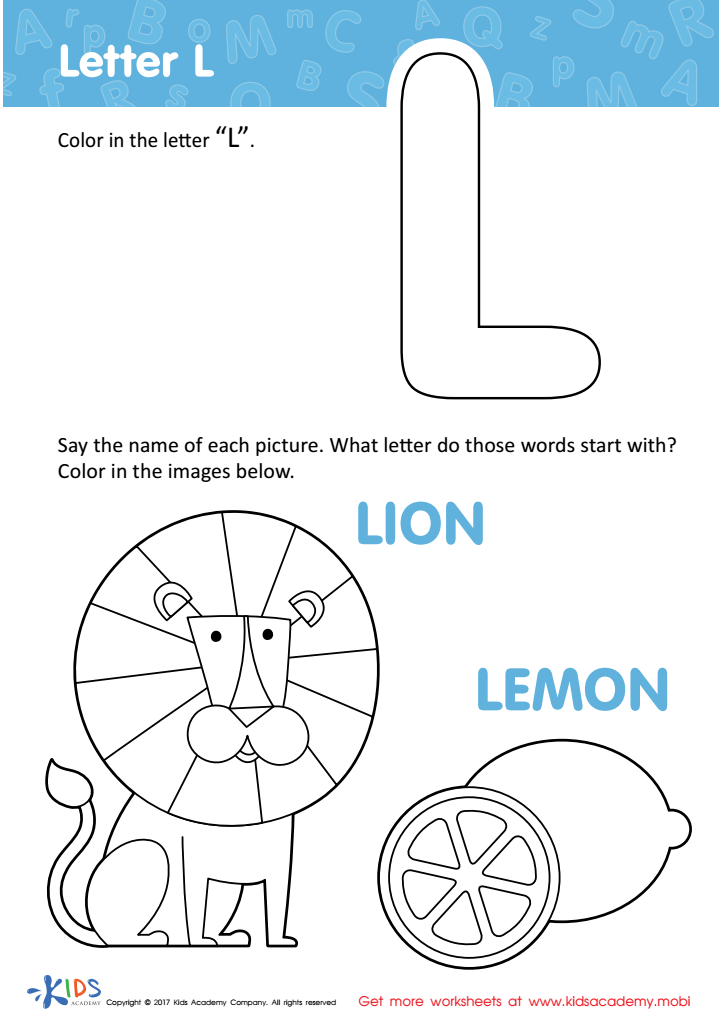
Letter L Coloring Sheet
 Assign to My Students
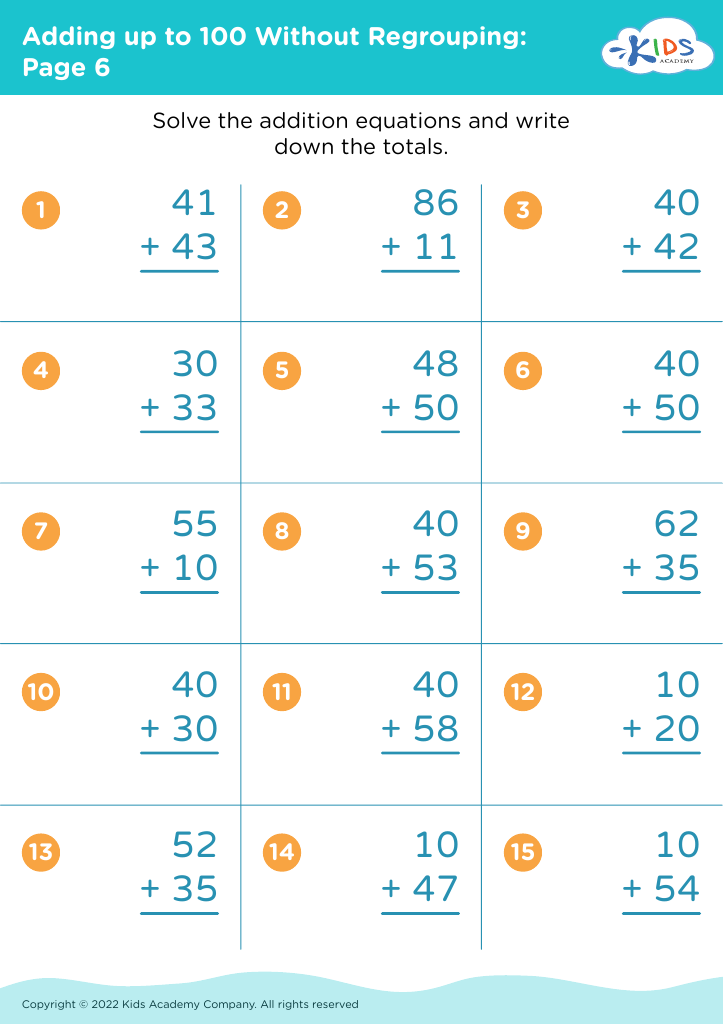
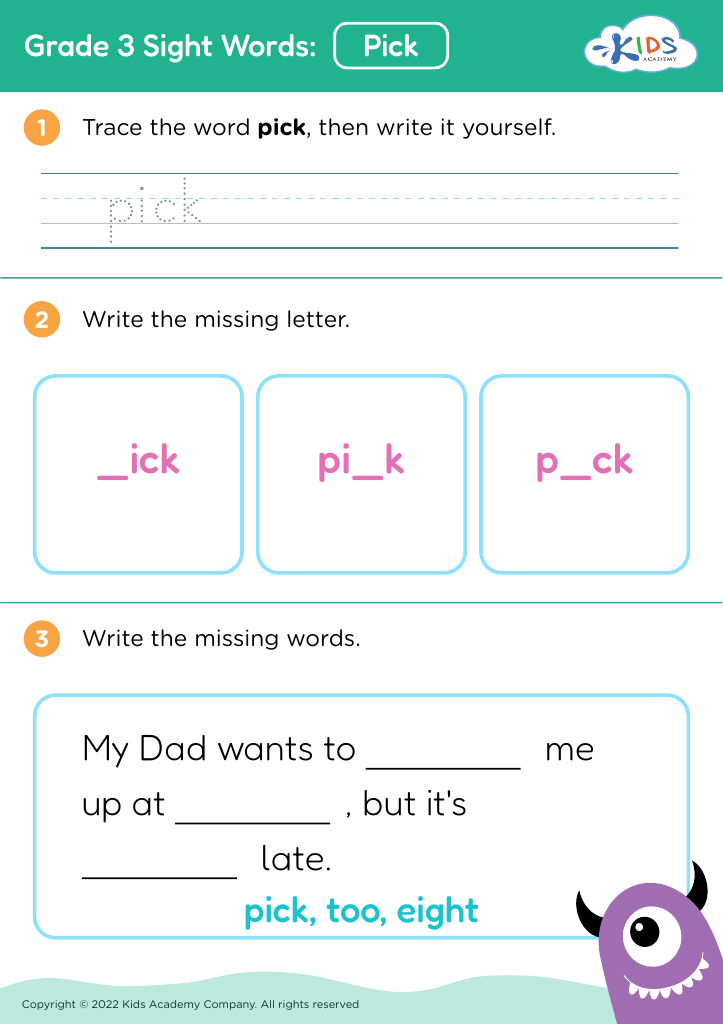





Visual discrimination skills are essential for 8-year-olds as they serve as foundational tools for learning and development. At this age, children are often refining their academic abilities, and strong visual discrimination contributes significantly to their success in reading, math, and everyday activities.
Firstly, visual discrimination equips children with the ability to notice differences and similarities in shapes, sizes, and patterns, crucial for reading. For example, recognizing the distinction between the letters "b" and "d" can prevent confusion while learning to read. This skill also aids in numeracy, helping children differentiate between numbers and quantities, which is important for solving basic math problems.
Moreover, these skills enhance a child’s observational abilities, allowing them to engage more effectively with their environment. This heightened awareness can improve problem-solving skills and foster creativity, as children learn to interpret visual stimuli critically.
For parents and teachers, encouraging the development of visual discrimination through engaging activities—such as puzzles, matching games, and art projects—can make a significant difference in instilling confidence and competence in young learners. By nurturing these skills, adults can help ensure that children are well-prepared for future academic challenges and everyday tasks, laying the groundwork for lifelong learning.








