Enhancing problem-solving abilities Addition & Subtraction Worksheets for 8-Year-Olds
10 filtered results
-
From - To
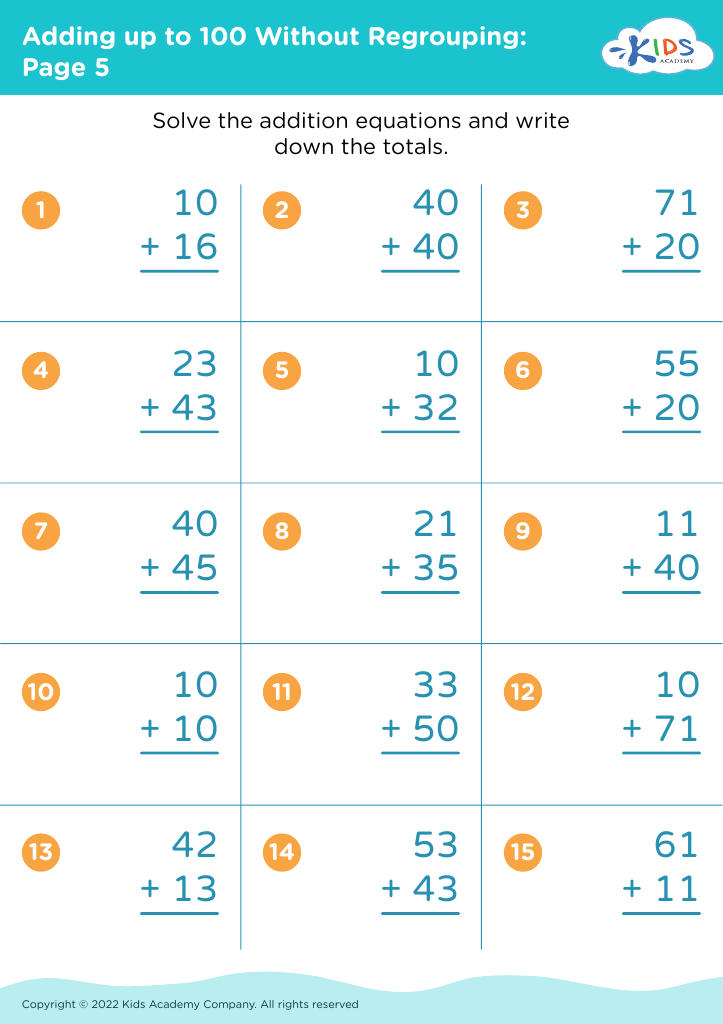
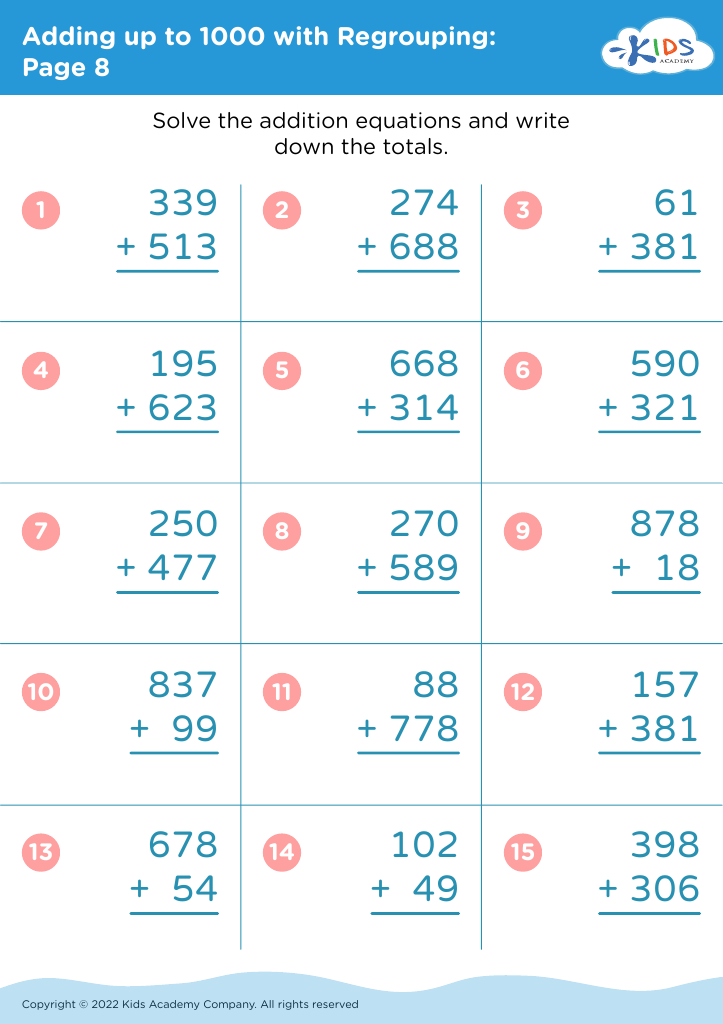
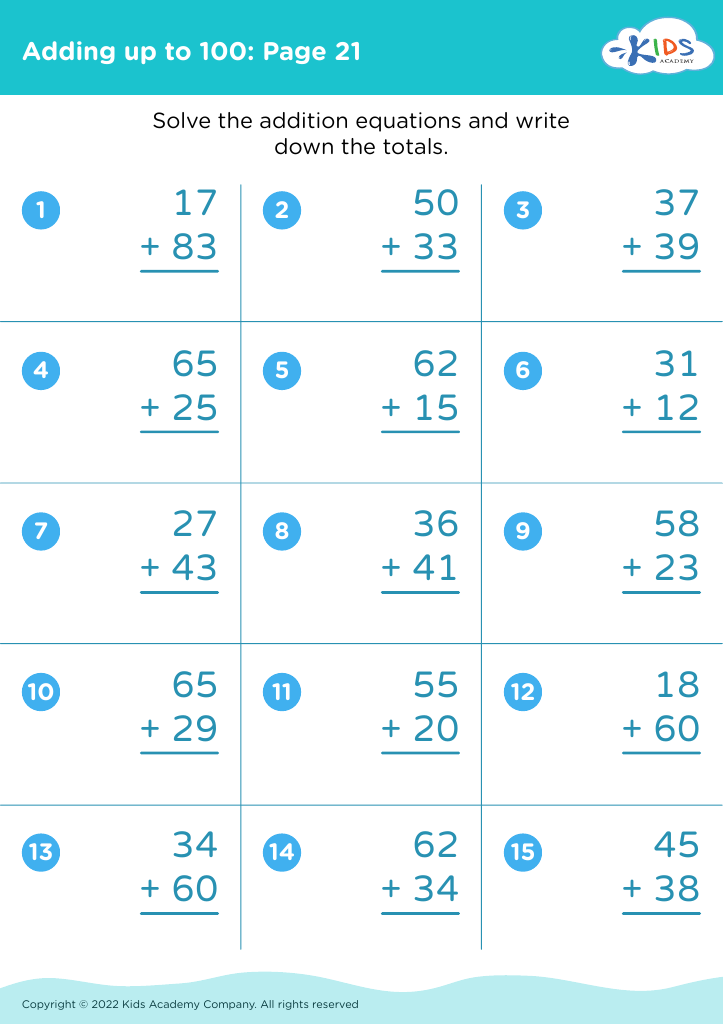
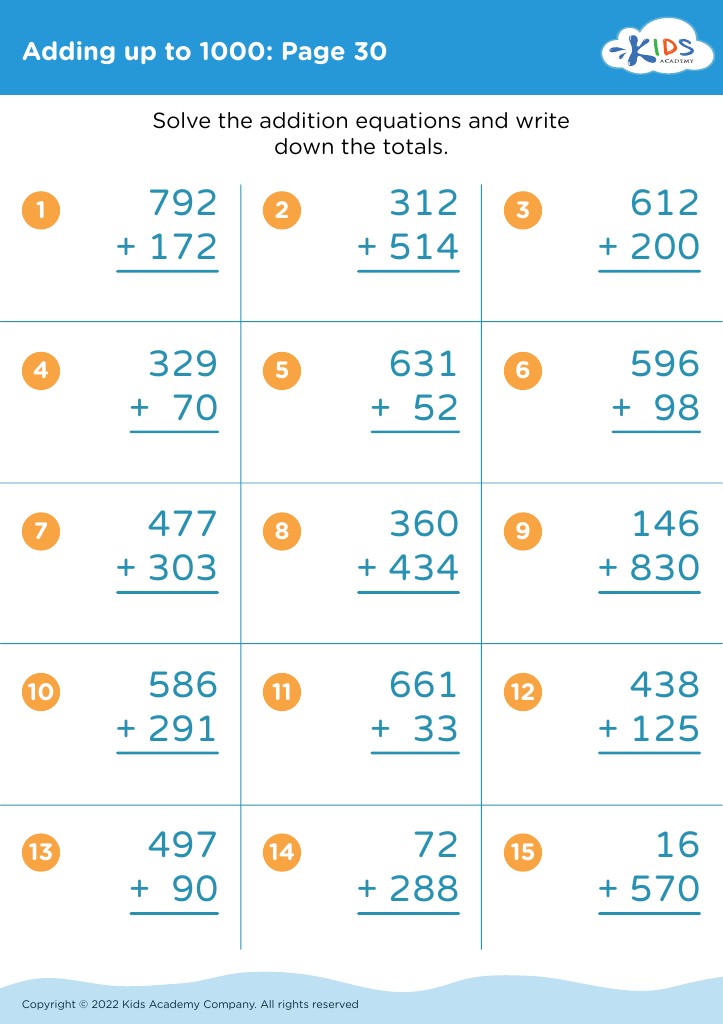
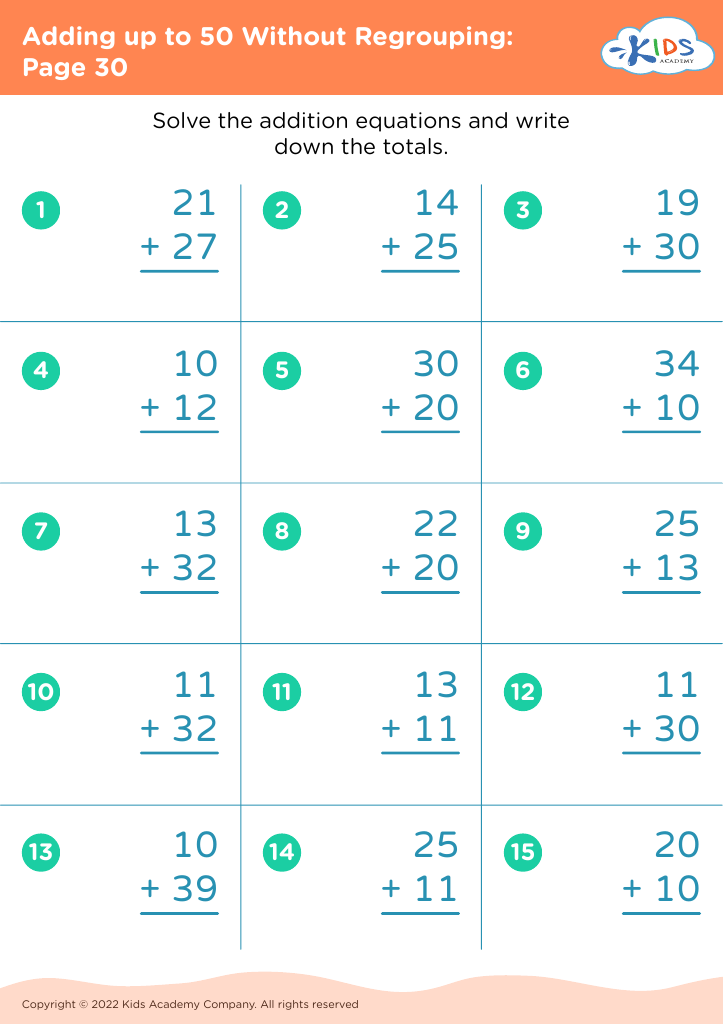
Our "Enhancing Problem-Solving Abilities: Addition & Subtraction Worksheets for 8-Year-Olds" provides engaging math practice through well-designed exercises aimed at refining young learners' arithmetic skills. Offering a variety of problems, these worksheets enhance critical thinking and boost problem-solving abilities by introducing different contexts and challenges tailored for 8-year-olds. These resources make learning fun and effective, helping children gain confidence in their addition and subtraction abilities while preparing them for more advanced mathematical concepts. Perfect for classroom use or at-home practice, our worksheets are an excellent tool for making math mastery an enjoyable journey.
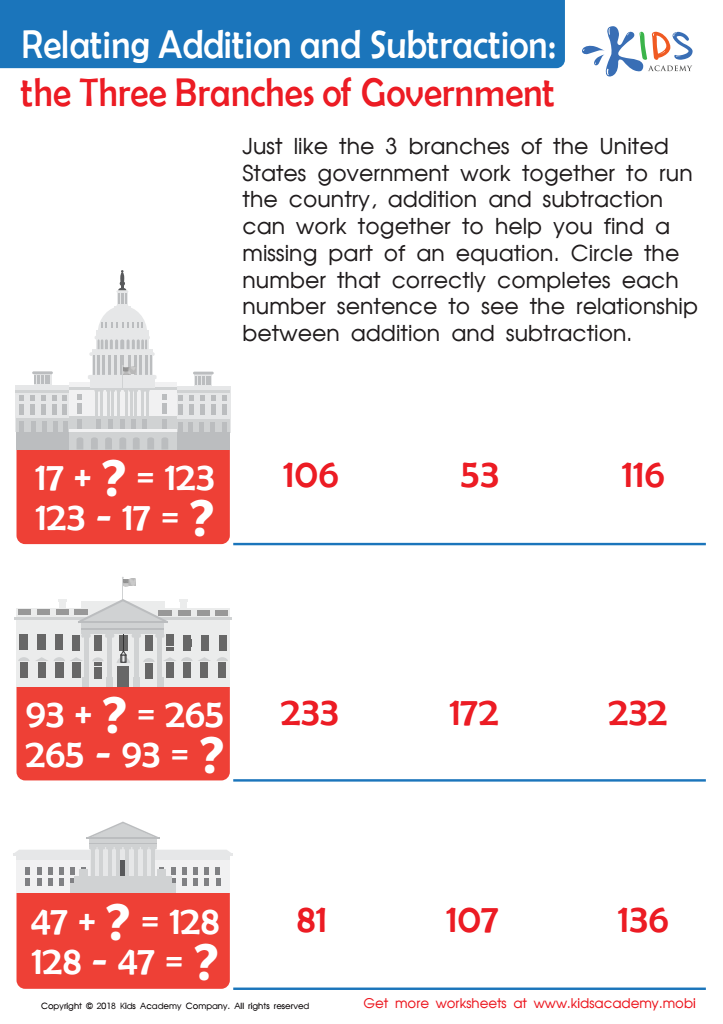
The Three Branches of Government Worksheet
 Assign to My Students
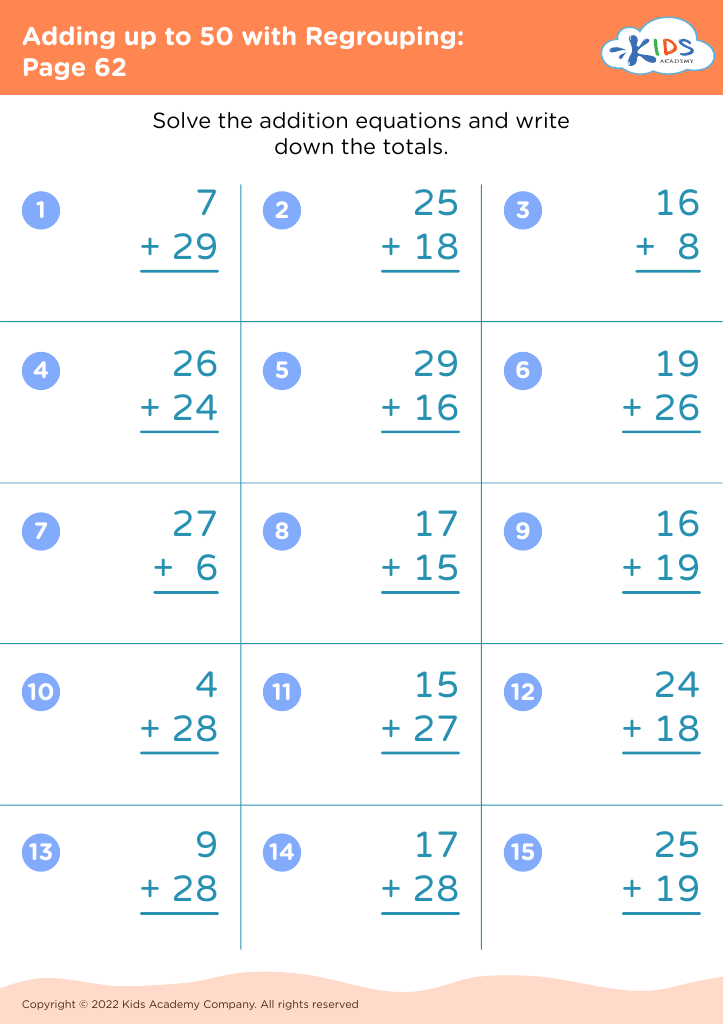
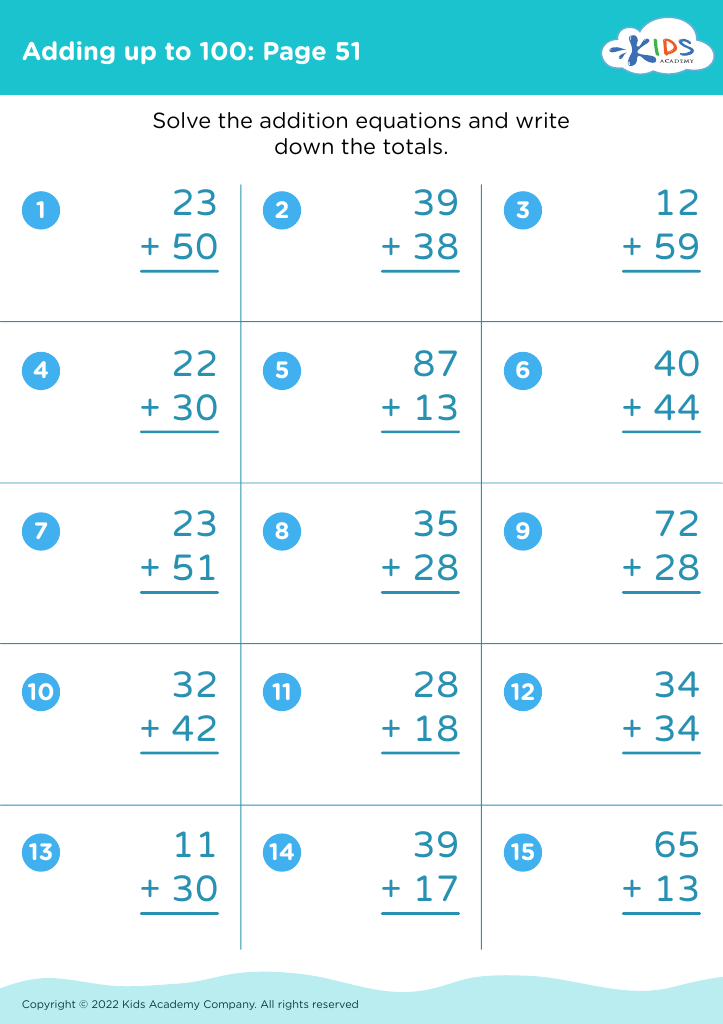
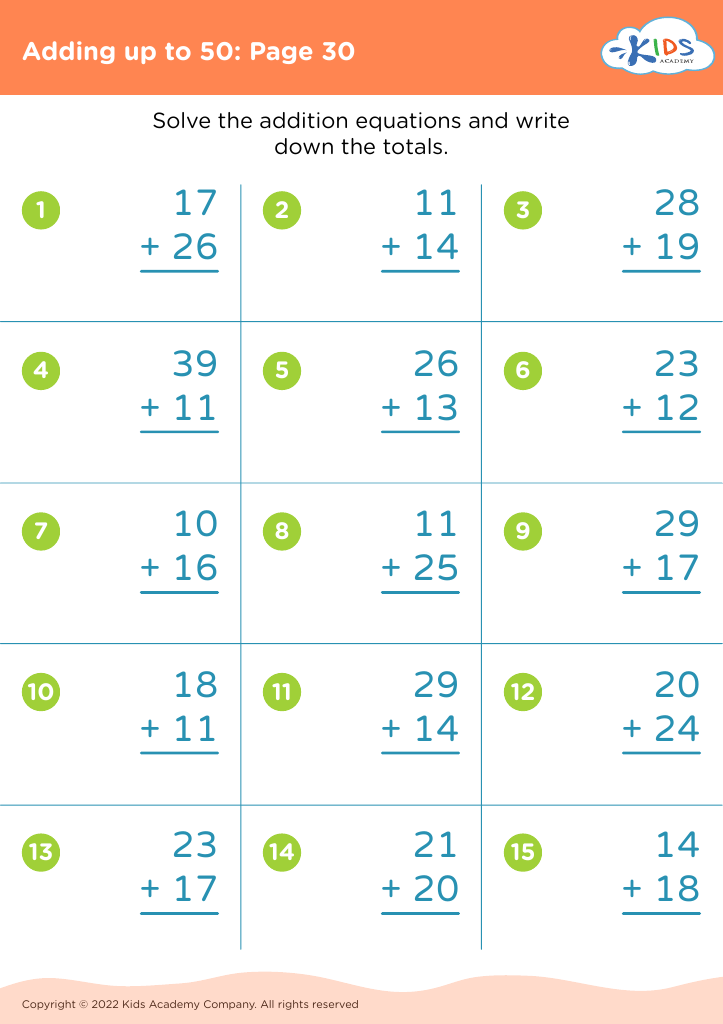
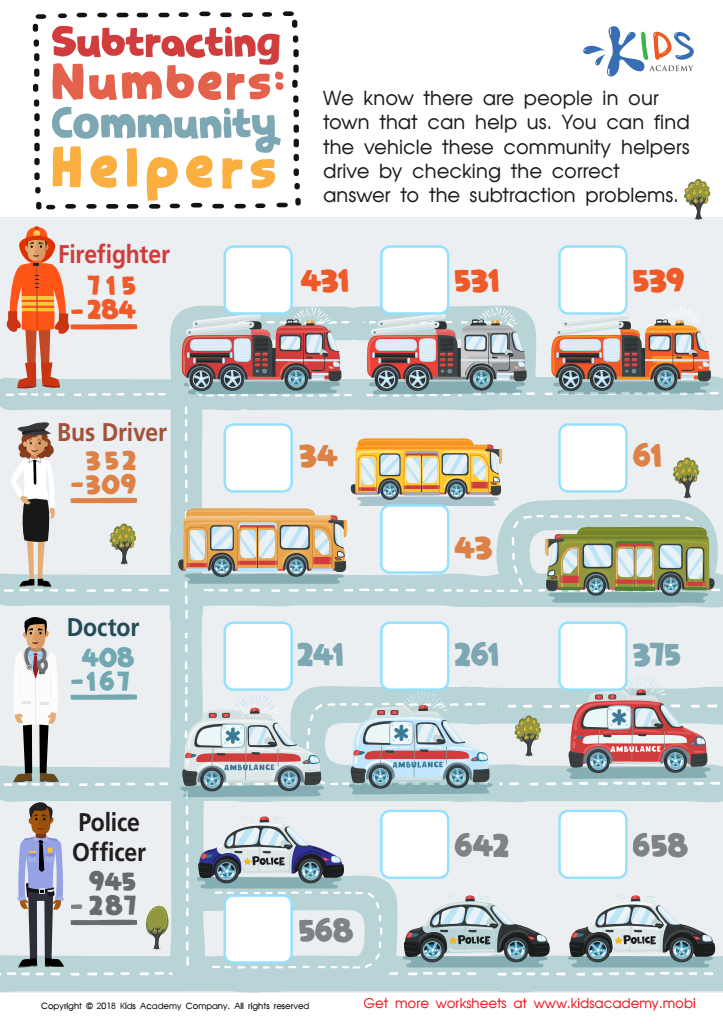
Subtracting Numbers: Community Helpers Worksheet








Parents and teachers should prioritize enhancing problem-solving abilities in addition and subtraction for 8-year-olds, as these skills form the cornerstone of not only mathematical proficiency but also broader cognitive development. At this formative age, children transition from concrete to abstract thinking. Mastery of these basic arithmetic operations reinforces their numerical fluency, which is essential for tackling more complex mathematical concepts in later grades, such as multiplication, division, and fractions.
Moreover, solving addition and subtraction problems encourages critical thinking and analytical skills. Children learn to approach problems systematically, develop strategies for finding solutions, and cultivate persistence and independence. These habits extend beyond math and are invaluable in everyday decision-making, from managing time to recognizing patterns and making reasoned choices.
In addition, early success in math can boost a child’s confidence and foster a positive attitude toward learning, which can lead to greater academic success overall. Engaging students with problem-solving tasks helps them to see math as an enjoyable and useful skill rather than a difficult chore. Therefore, by investing time and resources into enhancing these foundational skills, parents and teachers lay the groundwork for a lifelong aptitude and enthusiasm for learning.








