Fraction conversion Addition & Subtraction Worksheets for 8-Year-Olds
3 filtered results
-
From - To
Explore our engaging "Fraction Conversion Addition & Subtraction Worksheets" designed specifically for 8-year-olds! These worksheets provide a fun and interactive way for students to practice their fraction conversion skills alongside addition and subtraction. Incorporating colorful visuals and relatable examples, our resources help enhance understanding of fractions in real-life contexts. Each worksheet features a variety of exercises aimed at boosting confidence while making math enjoyable. Whether in the classroom or at home, these worksheets serve as a fantastic tool to support learning and mastery of essential math concepts. Get started today and watch young learners excel in their fraction skills!
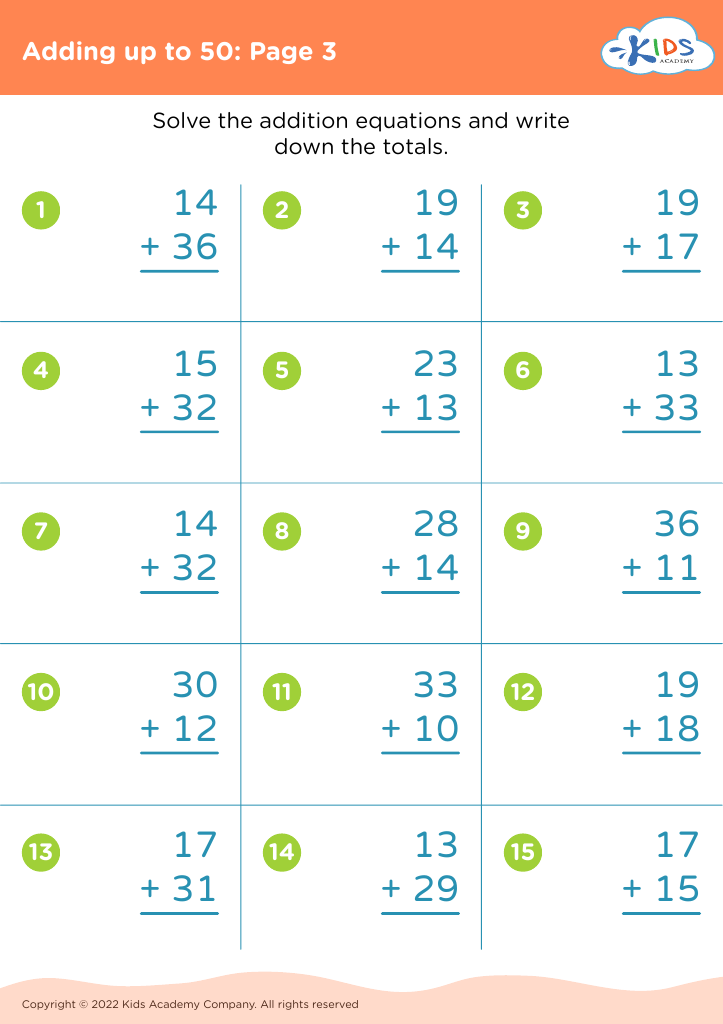
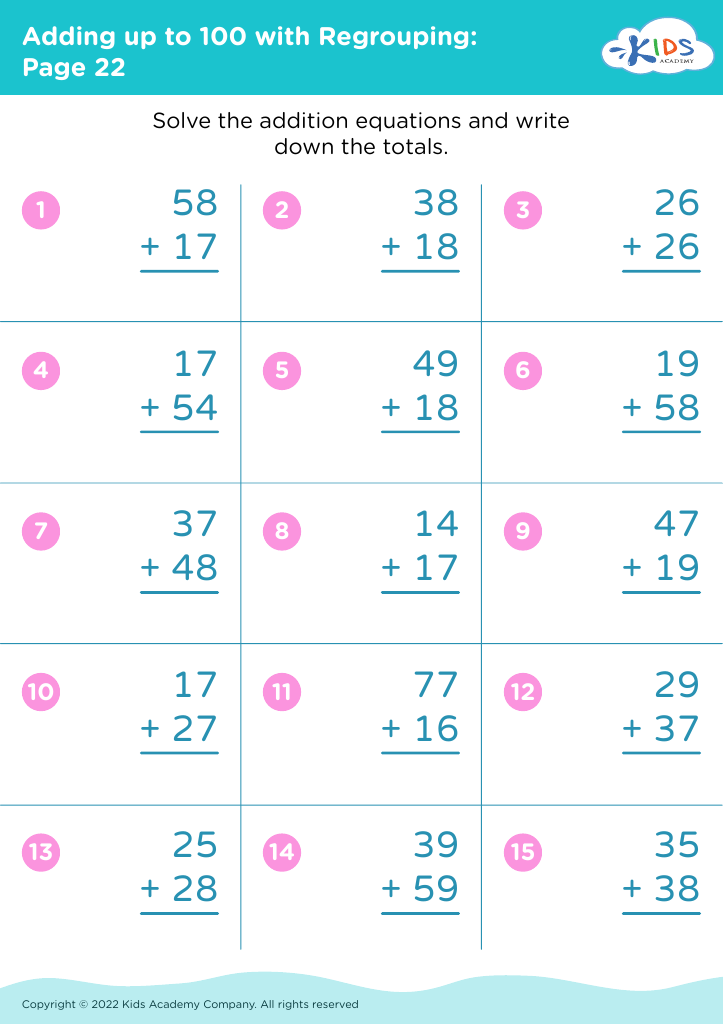
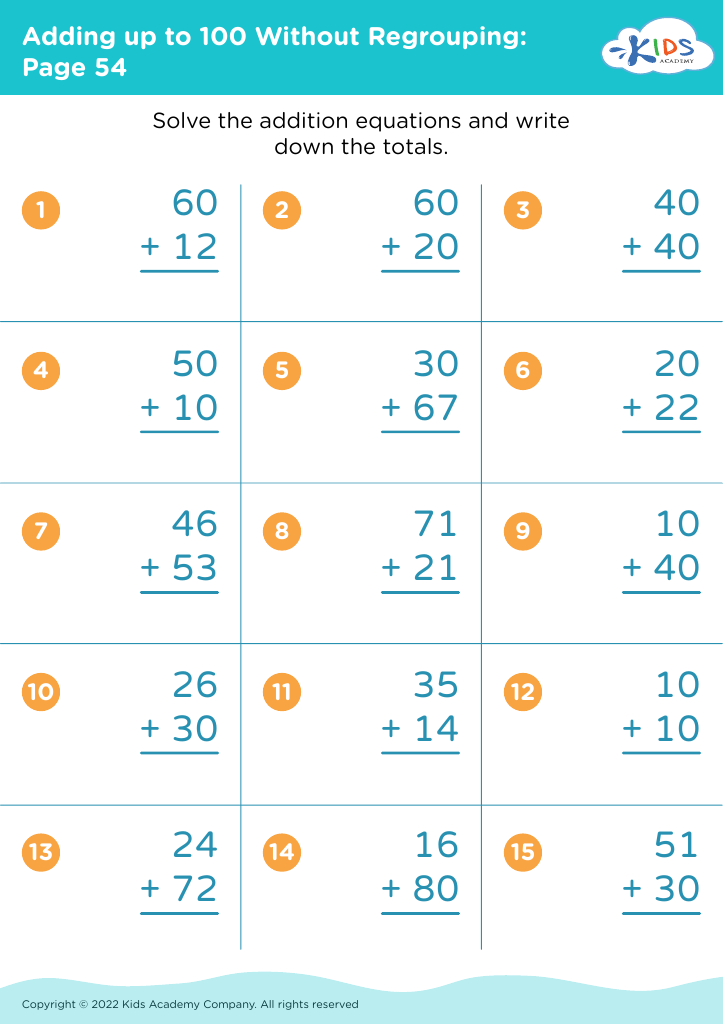








Fraction conversion, addition, and subtraction are essential concepts in mathematics, especially for 8-year-olds who are beginning to explore more complex numerical relationships. At this stage in their development, children are not only learning to work with whole numbers but are also introduced to fractions, which can be challenging. It is crucial for parents and teachers to care about these topics for several reasons.
Firstly, mastering fractions helps build a solid foundation for higher math concepts in the future, including algebra and geometry. Understanding how to add and subtract fractions prepares students for real-world situations, such as cooking or dividing items fairly.
Secondly, engaging with these concepts enhances critical thinking and problem-solving skills. Children learn to recognize patterns, compare and evaluate different fractions, which fosters analytical abilities.
Additionally, grasping conversion and operation of fractions can boost a child’s confidence in math. A solid comprehension can lead to improved performance in school, fostering a positive attitude towards the subject.
Lastly, when parents and teachers are involved and supportive, children are more likely to engage positively with math concepts, nurturing a lifelong appreciation for learning and exploration in mathematics. By prioritizing these skills, we prepare young learners for future academic success.








