Identifying equivalent fractions Addition & Subtraction Worksheets for 8-Year-Olds
7 filtered results
-
From - To
Welcome to our "Identifying Equivalent Fractions Addition & Subtraction Worksheets" designed specifically for 8-year-olds! These engaging worksheets help children grasp the concept of equivalent fractions and apply their skills in addition and subtraction. With colorful visuals and interactive exercises, students will confidently learn how to identify and manipulate fractions while having fun. Each worksheet is crafted to reinforce understanding through practice, ensuring students develop a solid foundation in fraction concepts. Perfect for classroom activities, homework, or extra practice at home, our worksheets promote critical thinking and problem-solving skills. Start your child's journey to mathematical mastery today!
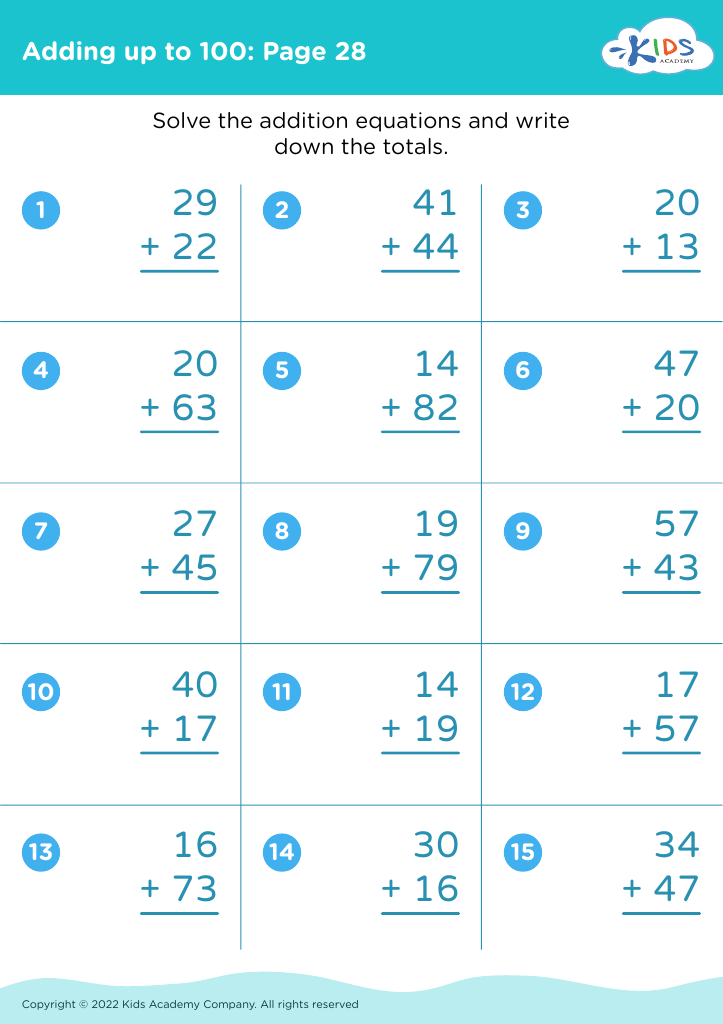
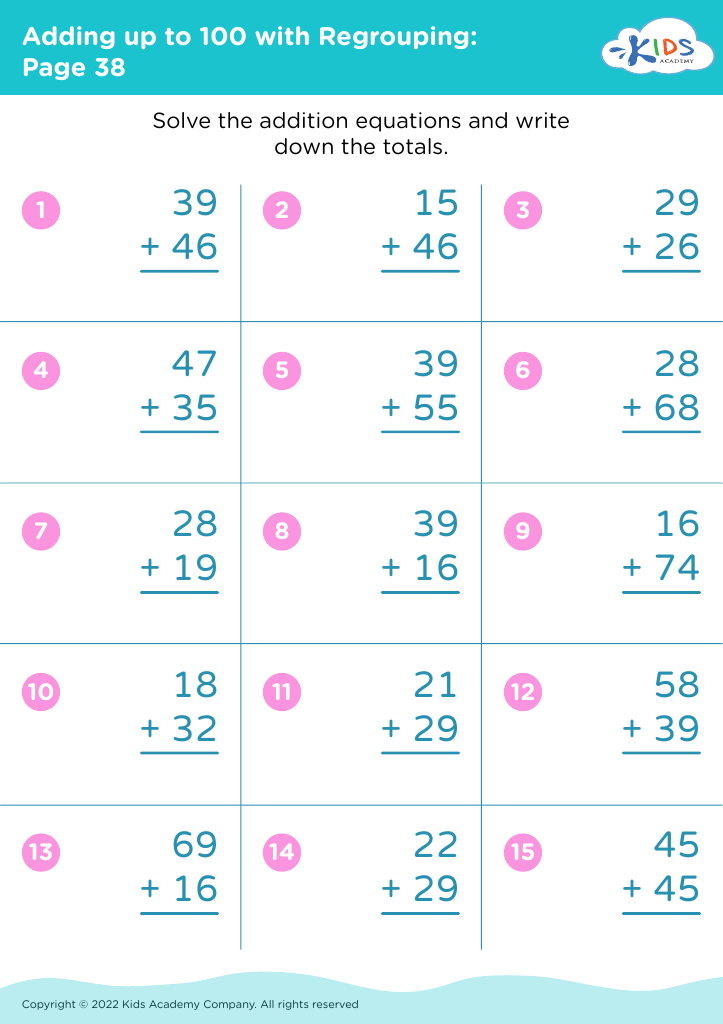
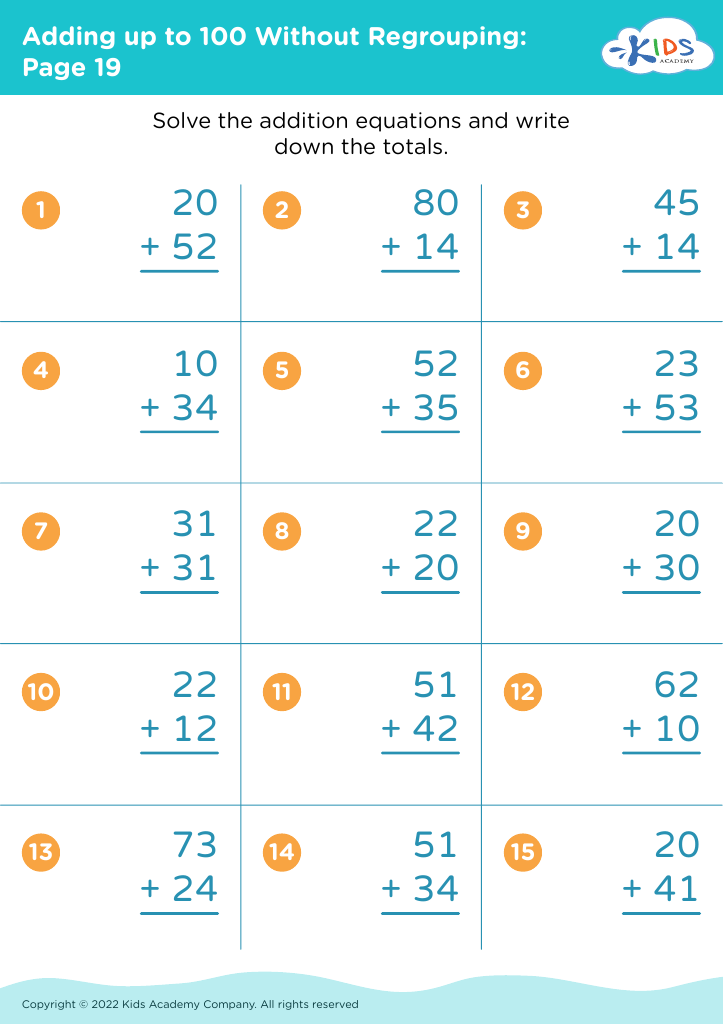
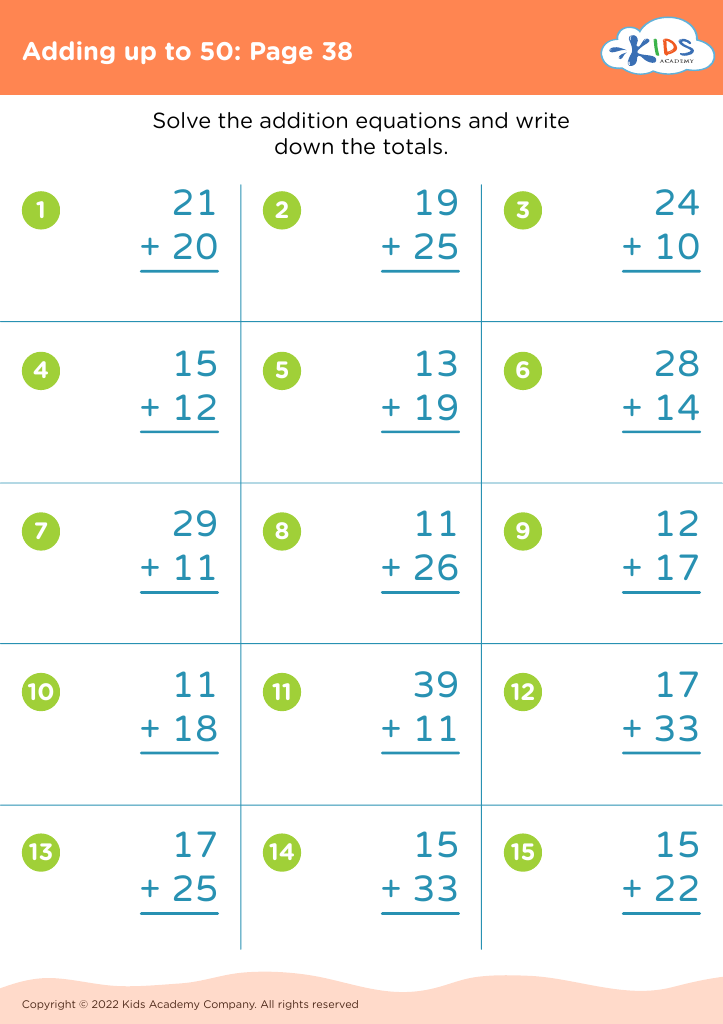








Identifying equivalent fractions and understanding their role in addition and subtraction are crucial skills for 8-year-olds. Mastery of these concepts lays the foundation for future mathematical learning and critical thinking. When parents and teachers focus on this area, they are enabling children to recognize that different fractions can represent the same value. This understanding is essential not just for fraction comparisons but also for more advanced concepts like adding and subtracting fractions with different denominators.
Moreover, proficient understanding of equivalency helps enhance problem-solving skills. Children learn to manipulate numbers in flexible ways, which can lead to reduced frustration when tackling math challenges. This skill fosters resilience and a positive attitude towards learning, as students see math as a manageable, relatable subject.
Additionally, contextualizing fractions through real-life scenarios—like sharing pizza or dividing candy—makes the abstract concept tangible, making it more relatable for children. Encouraging children to identify equivalent fractions promotes a deeper comprehension of ratios and proportions, setting the stage for more complex mathematical thoughts in later grades.
Overall, emphasizing equivalent fractions in young learners instills confidence, a love for math, and critical analytical skills that are necessary for academic achievement.








