Improve number recognition Addition & Subtraction Worksheets for 8-Year-Olds
15 filtered results
-
From - To
Boost your child’s math skills with our engaging Addition & Subtraction Worksheets designed specifically for 8-year-olds! These worksheets focus on improving number recognition while making math fun and interactive. With a variety of exercises, children can practice adding and subtracting numbers, enhancing their confidence and proficiency in math. Each page is filled with colorful illustrations and stimulating activities to capture their interest. Perfect for at-home learning or supplementary school practice, these worksheets promote essential skills that lay the foundation for future math success. Discover the joy of learning with our carefully crafted materials, tailored for young learners’ needs.
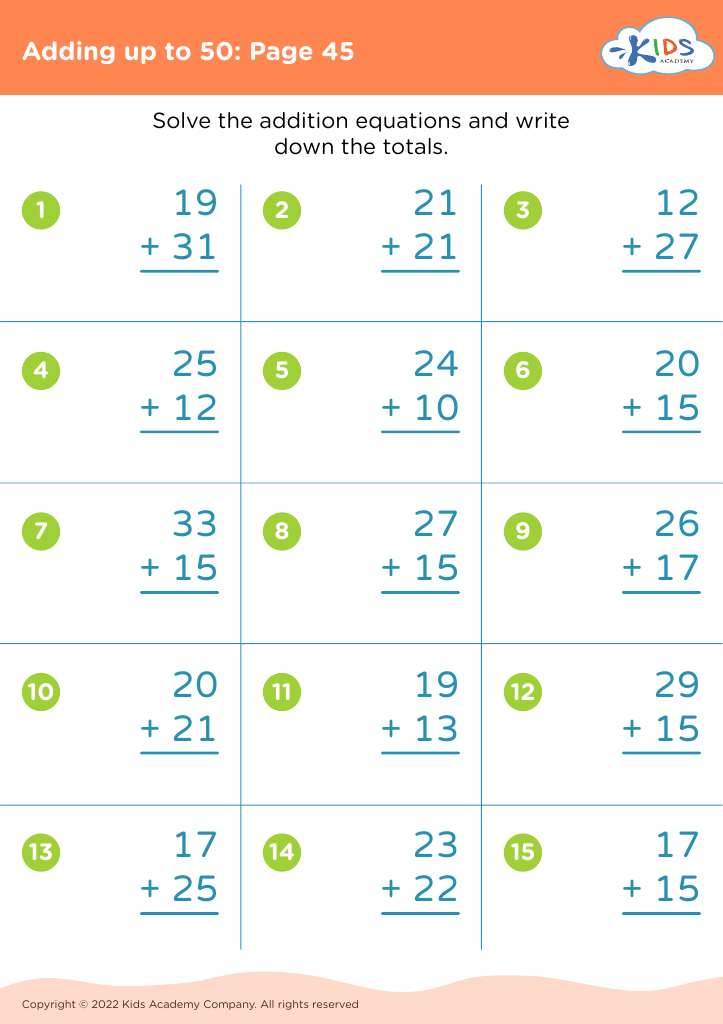
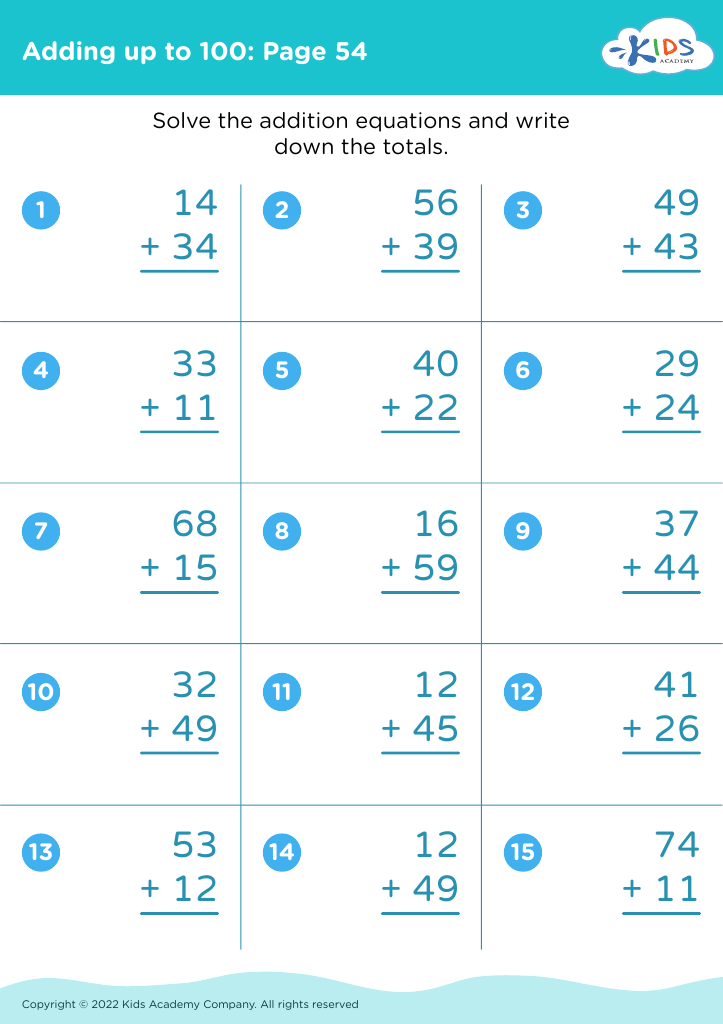
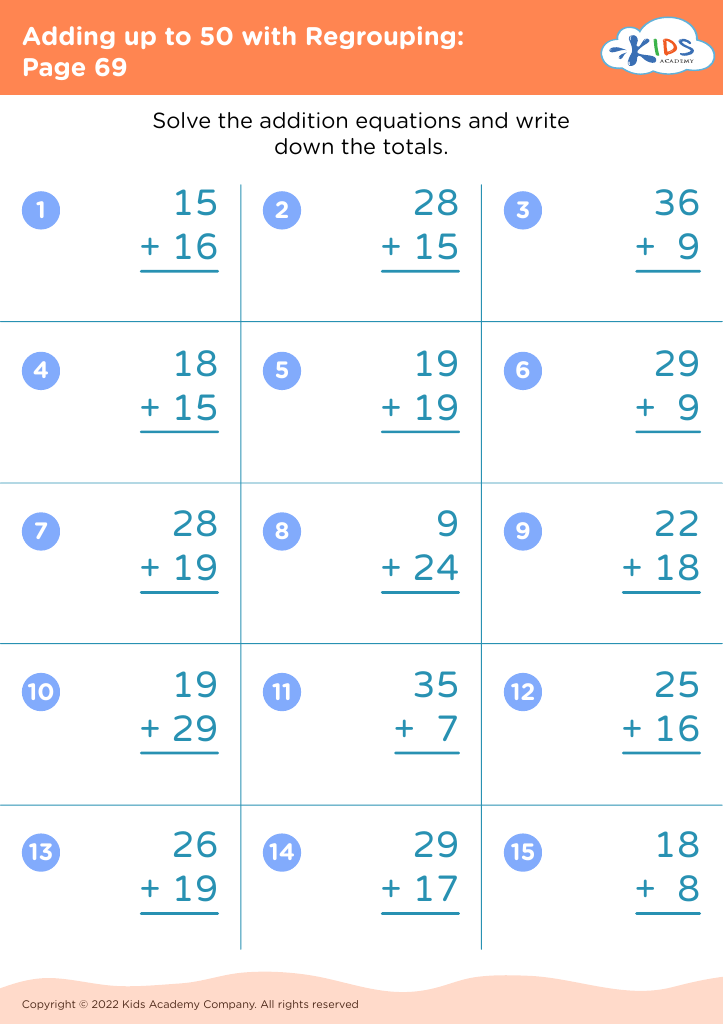
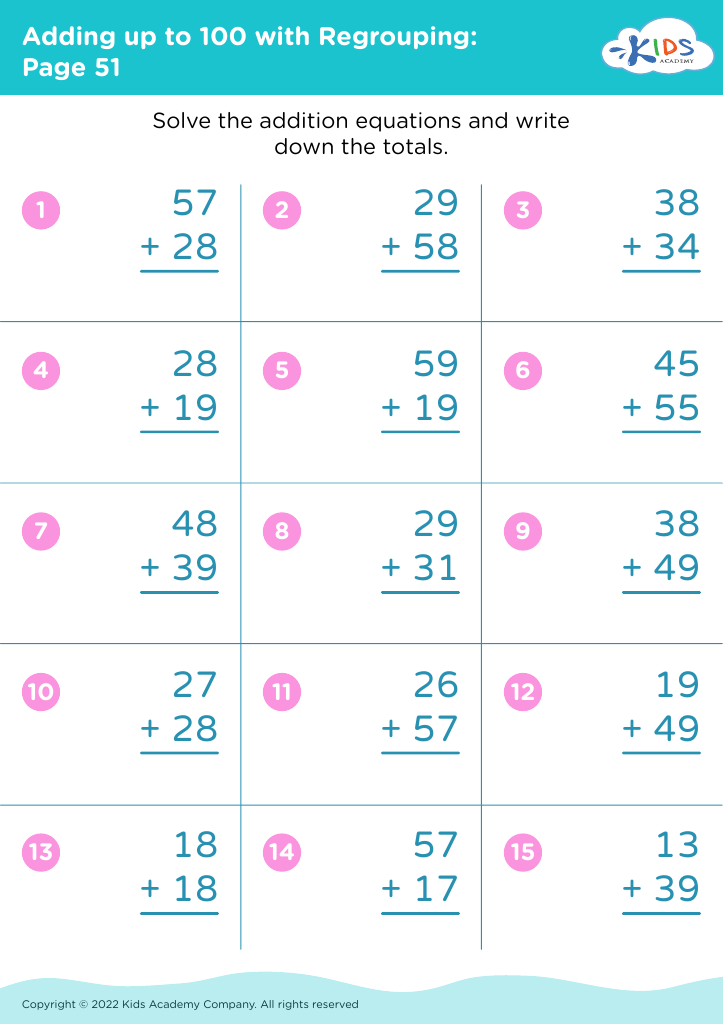
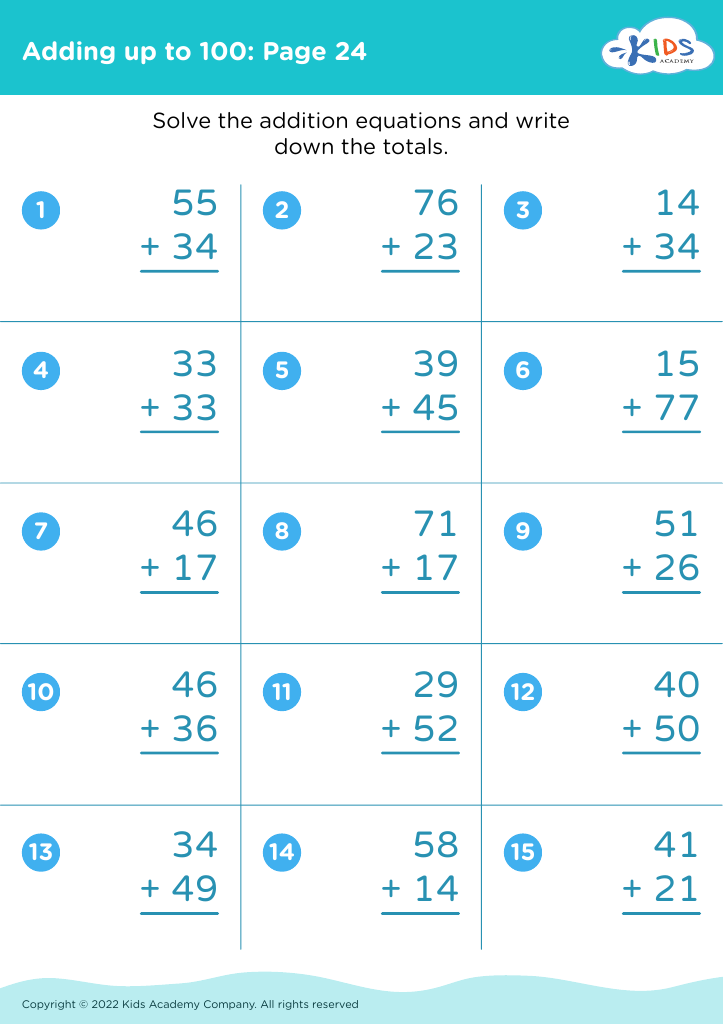
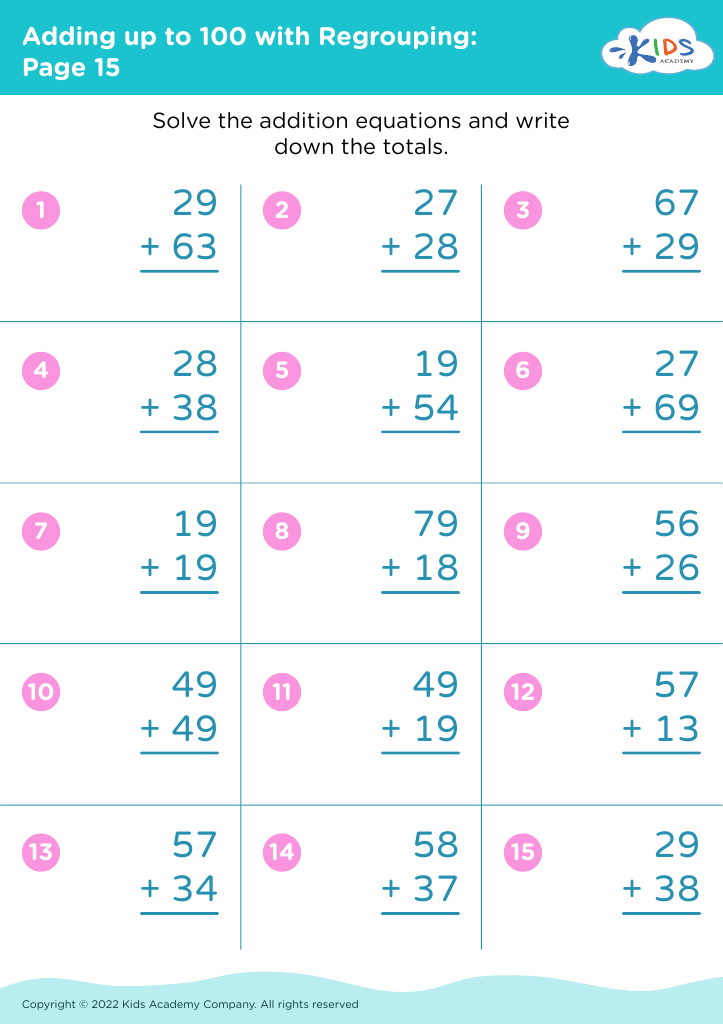
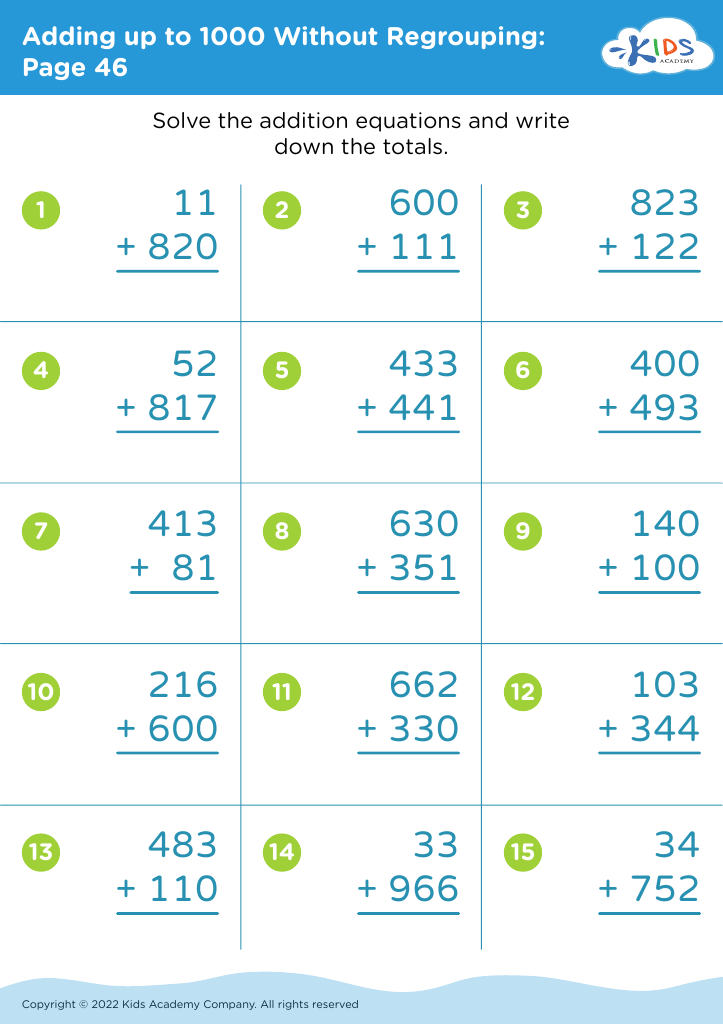
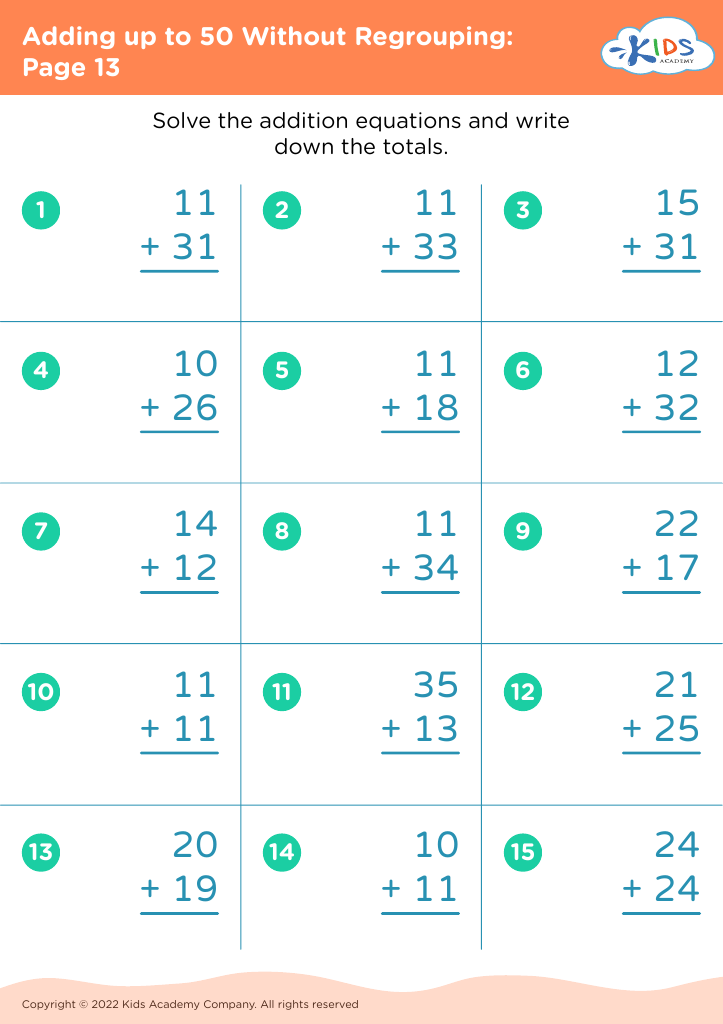
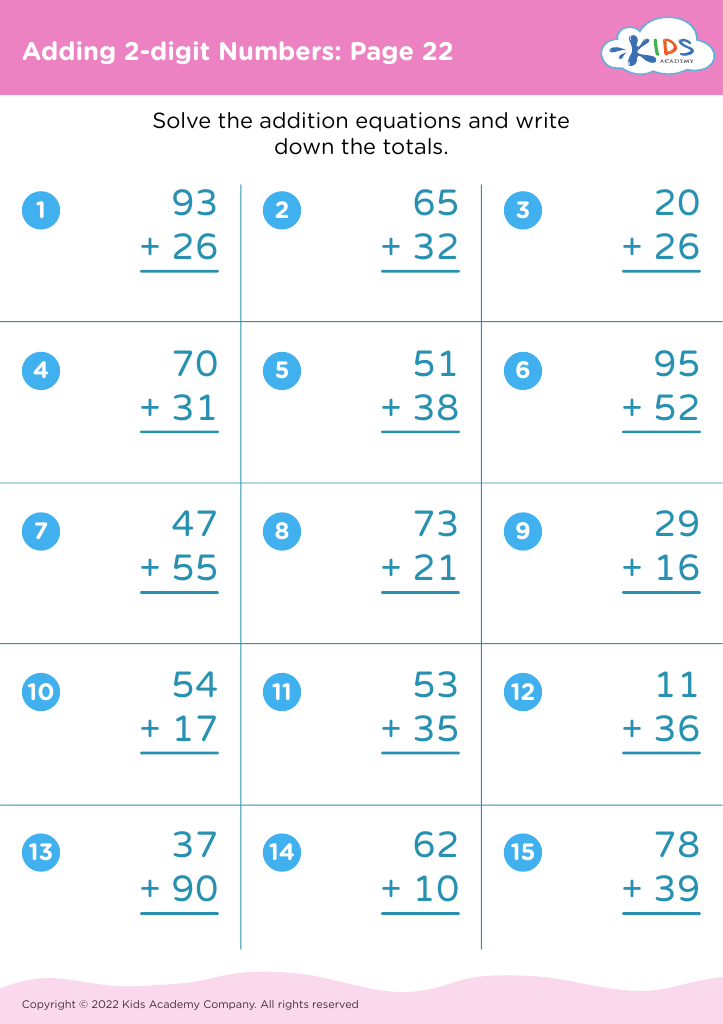
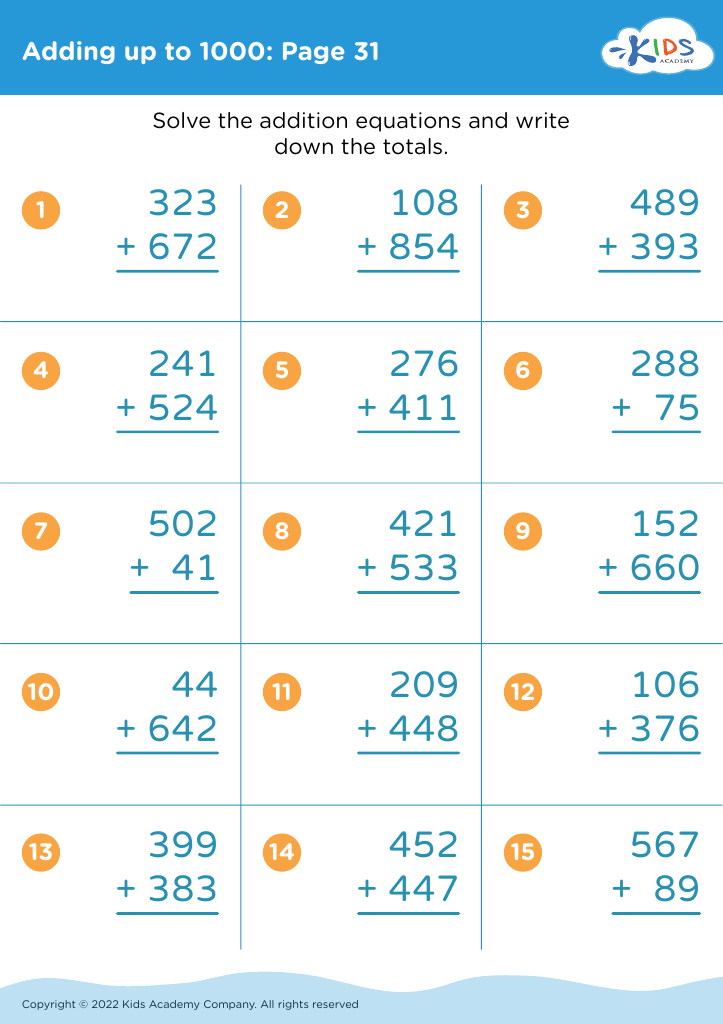
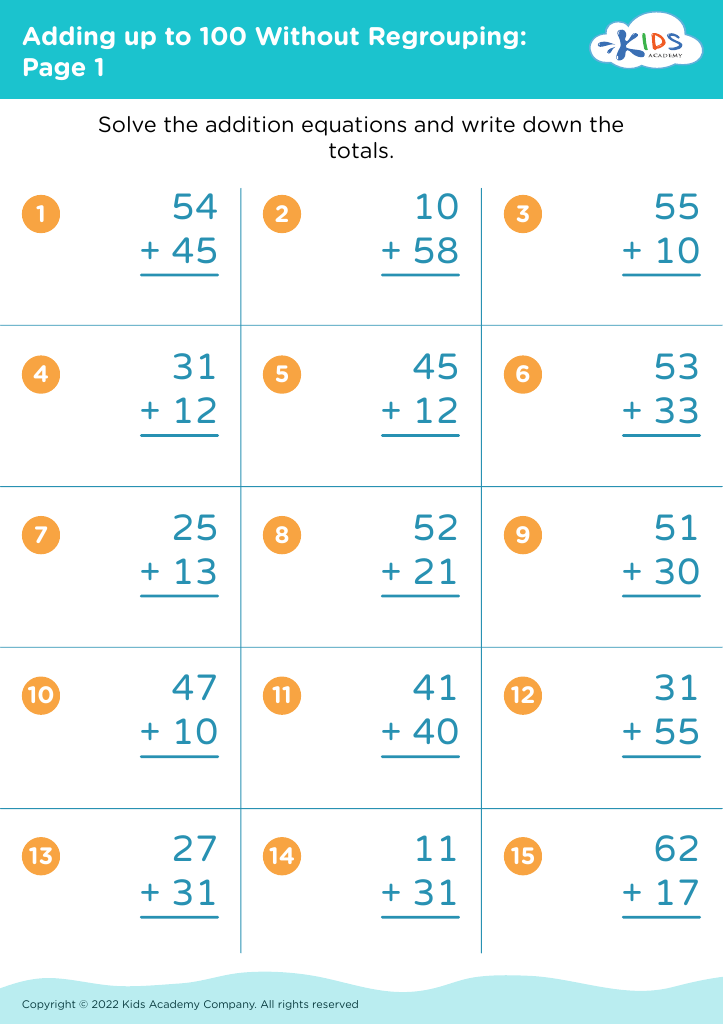
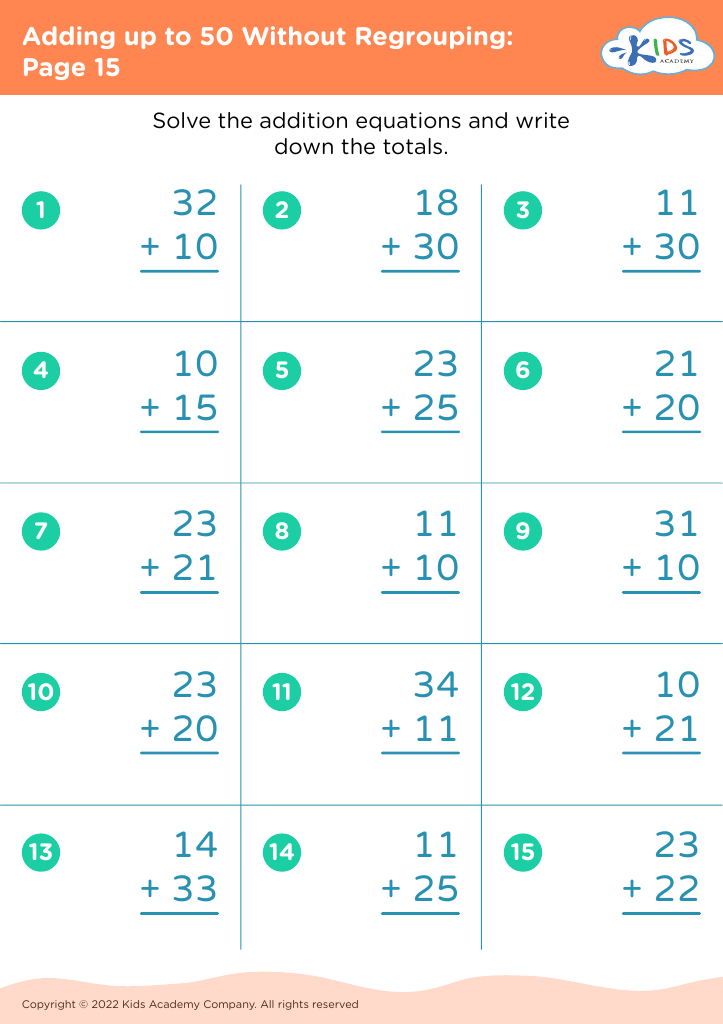
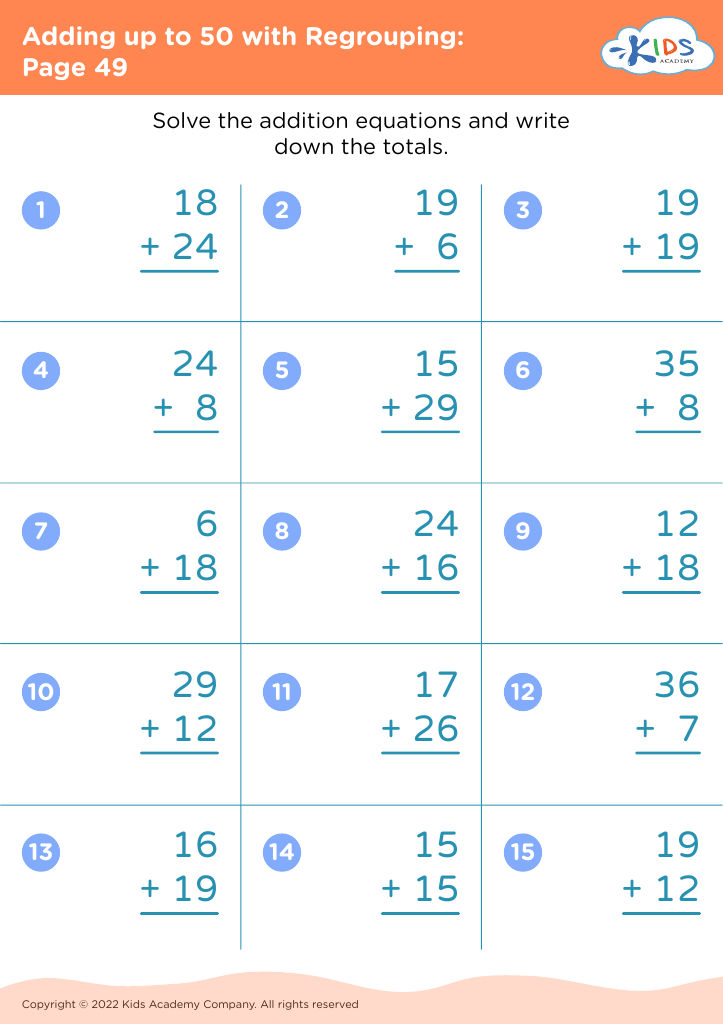
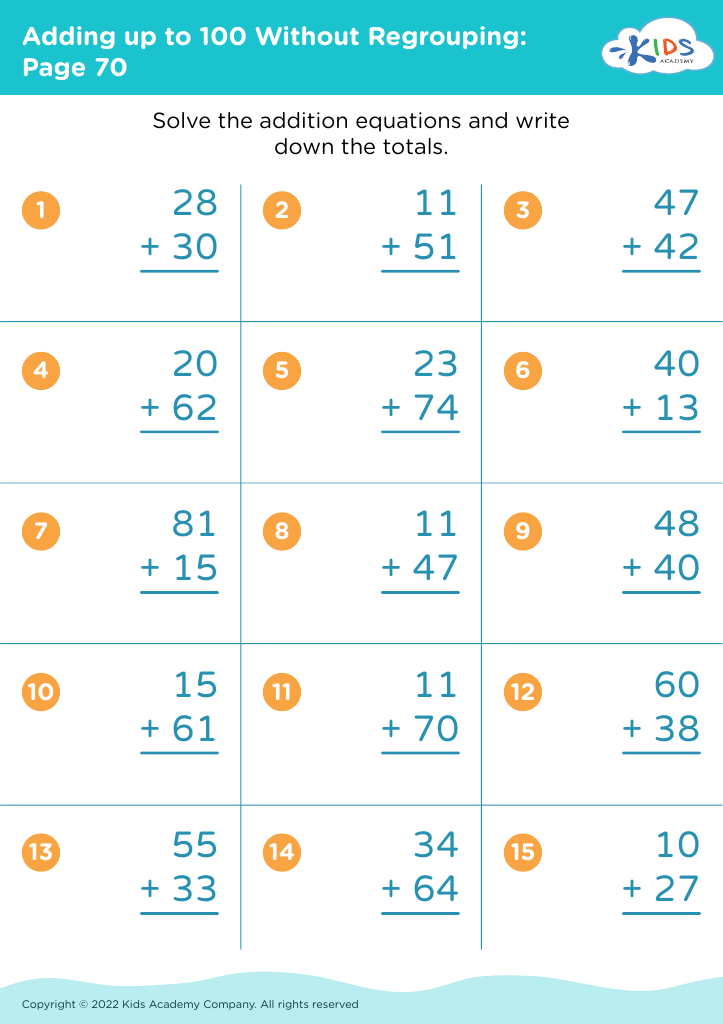
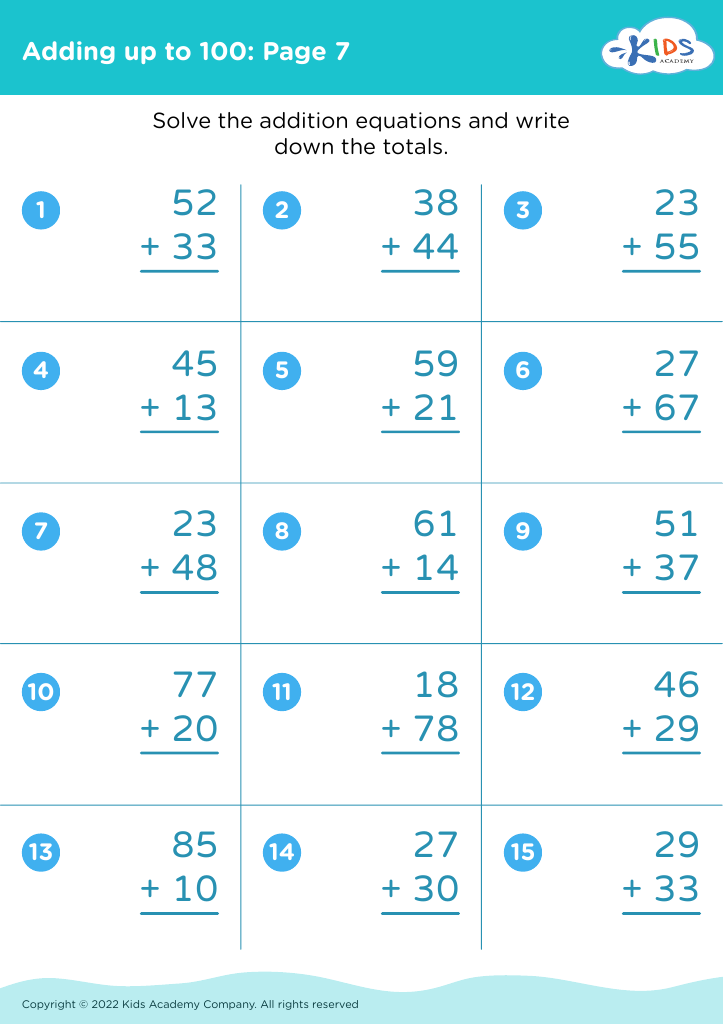








Improving number recognition and addition and subtraction skills in 8-year-olds is vital for their overall mathematical development and future academic success. At this age, children transition from basic arithmetic to more complex problem-solving. Mastery of these foundational concepts boosts their confidence in math and enhances cognitive abilities.
Number recognition is essential for understanding quantities and numerical relationships, serving as the building block for more advanced math skills. When children can quickly recognize numbers, they can apply this knowledge in real-life situations, like handling money or measuring ingredients in cooking.
Additionally, fluency in addition and subtraction lays the groundwork for more complex operations such as multiplication and division. It also aids in understanding concepts like word problems, fractions, and even early algebraic thinking. Children who struggle with these basics may develop anxiety around math, potentially leading to long-term barriers in their education.
Overall, by encouraging improved number recognition and arithmetic proficiency, parents and teachers foster a positive learning environment. This support enables children to achieve higher levels of mathematical understanding and cultivate an enduring appreciation for learning, which is core to personal and academic growth.








