
Understanding money Addition & Subtraction Worksheets for 8-Year-Olds
4 filtered results
Difficulty Level
Grade
Age
-
From - To
Subject
Activity
Standards
Discover our engaging "Understanding Money Addition & Subtraction Worksheets" designed specifically for 8-year-olds! These fun and interactive worksheets help young learners grasp essential math concepts while managing money. Children will enhance their addition and subtraction skills through practical scenarios like making purchases, counting change, and budgeting. Incorporating real-life examples helps students relate math to everyday situations, fostering a deeper understanding of financial literacy. Our worksheets are visually appealing and age-appropriate, ensuring that learning is both enjoyable and effective. Download now and empower your child with the confidence and skills needed to master money-related math challenges!
Favorites
With answer key
Interactive
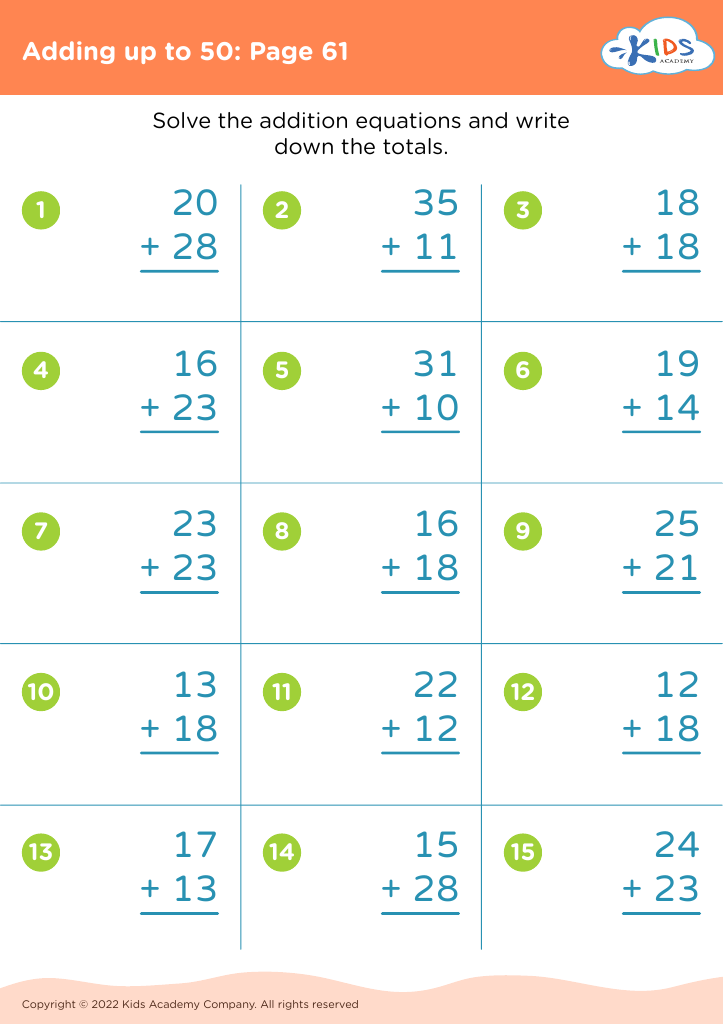
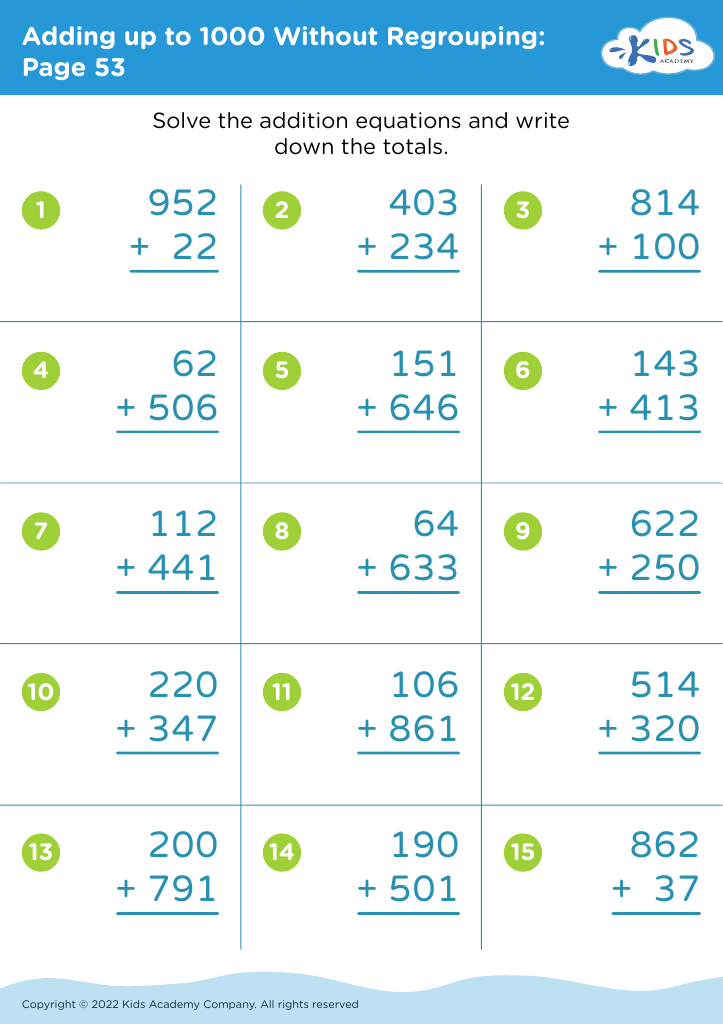
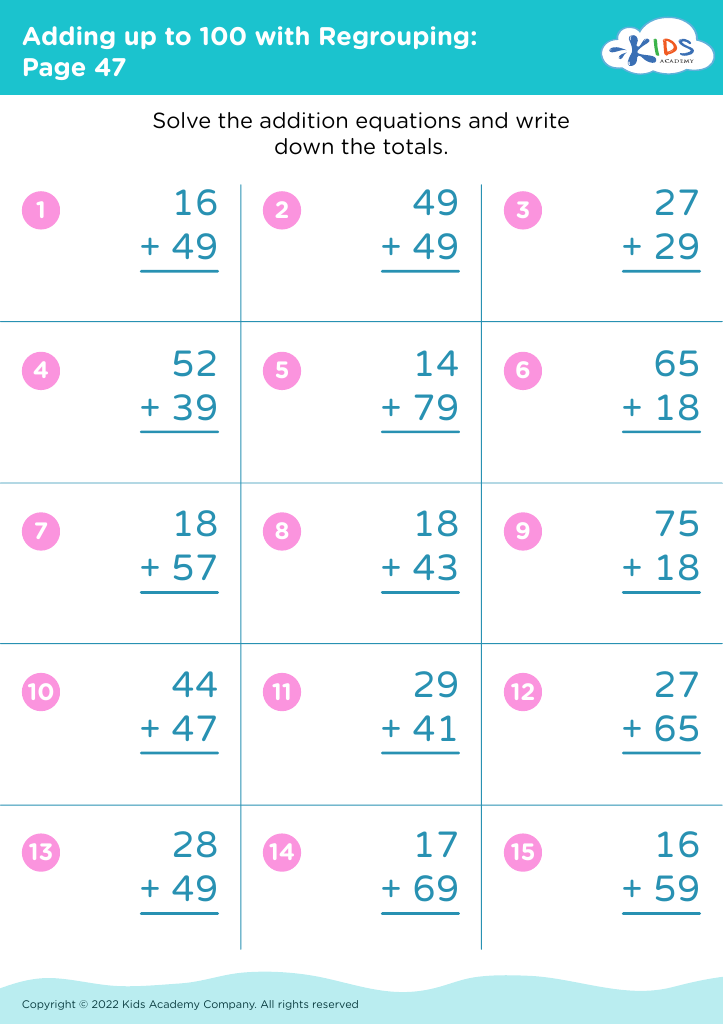
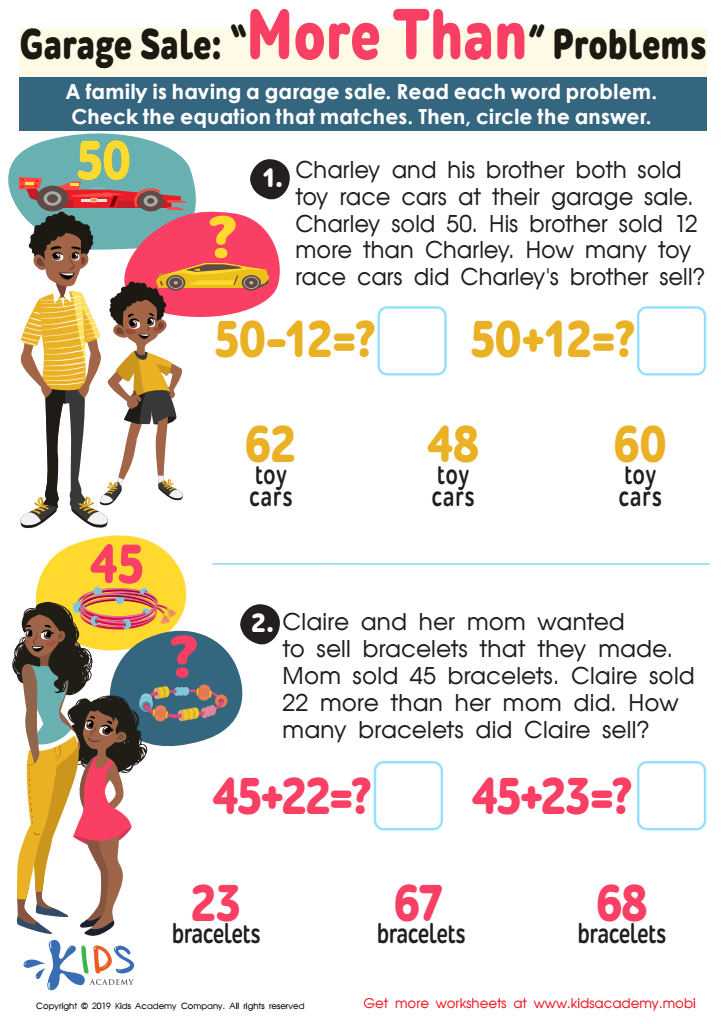
Garage Sale - More yhan Worksheet
The whole family can join in on the fun with this free worksheet! It helps kids practice math word problems while assisting their friends with a garage sale. Kids learn to identify "More Than" key words and pick the right equation, improving their order of operations skills. Download the PDF and get started!
 Assign to My Students
Garage Sale - More yhan Worksheet
Worksheet
Join Kids Academy for Free
Who is primarily going to use this learning content?








Understanding money, addition, and subtraction is crucial for 8-year-olds as it lays the foundation for their financial literacy and mathematical skills. At this age, children are beginning to interact with money through chores, allowances, and shopping with parents. Teaching them how to add and subtract money helps them make sense of transactions in real-life situations, fostering a practical understanding of budgeting and spending.
Additionally, mastering these concepts boosts their overall confidence in math. When children learn to manage money, they develop critical thinking skills as they navigate scenarios involving prices, change, and savings. This knowledge empowers them to make informed decisions, building a sense of responsibility that will benefit them in the future.
Moreover, money-related math can make learning more engaging and relevant. Children can relate to examples that involve their favorite toys or treats, reinforcing math skills in an enjoyable way. By focusing on these skills, parents and teachers not only enhance a child's academic performance but also prepare them for a financially responsible adulthood. Investing time in understanding money addition and subtraction empowers children to face everyday situations with confidence and skill, shaping them into financially savvy individuals.








