
Color recognition Addition Worksheets for 8-Year-Olds
10 filtered results
Difficulty Level
Grade
Age
-
From - To
Subject
Activity
Standards
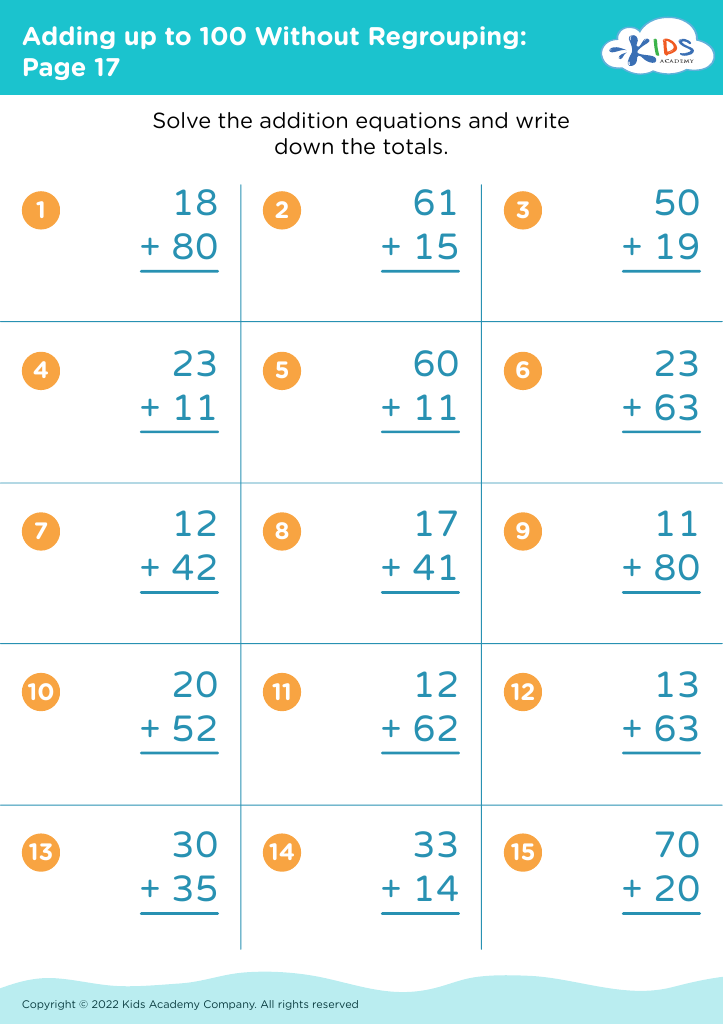
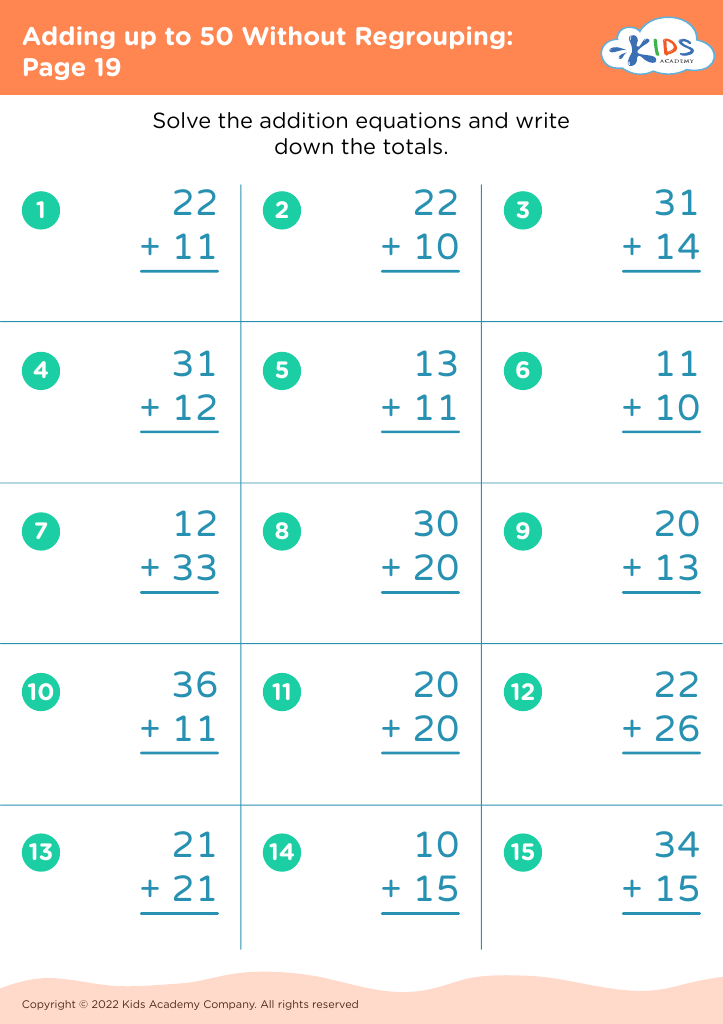
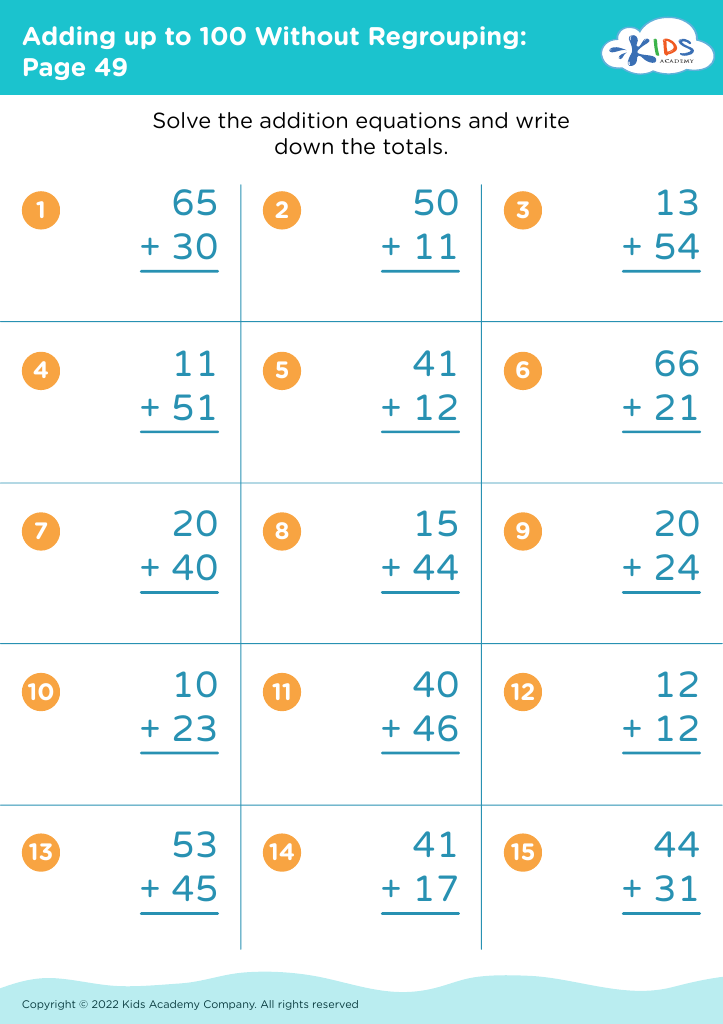
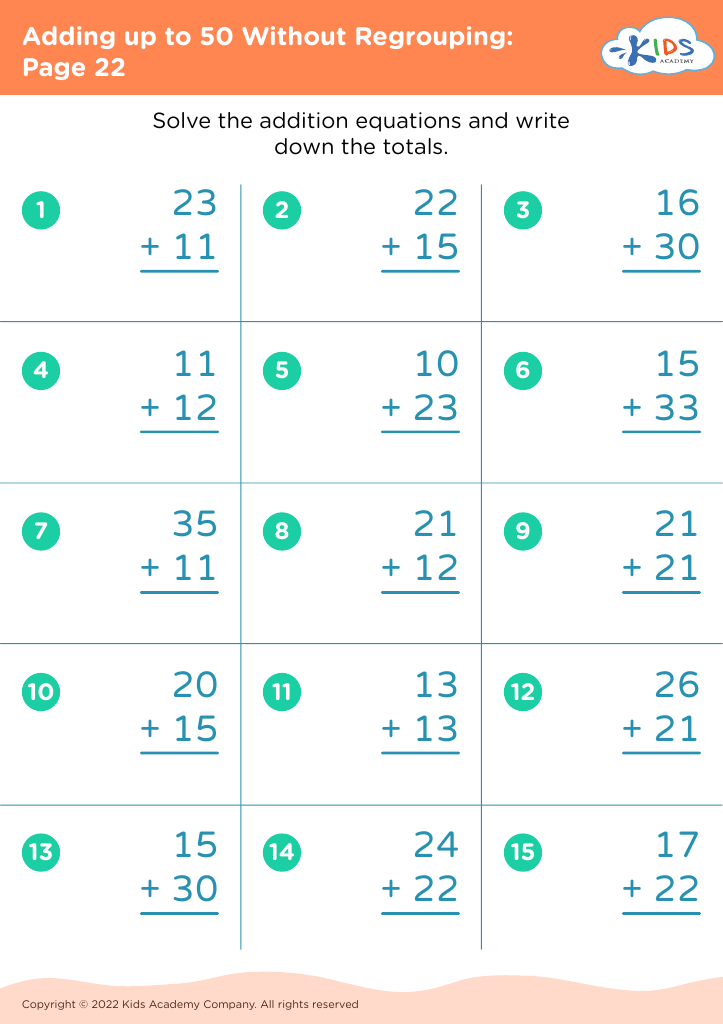
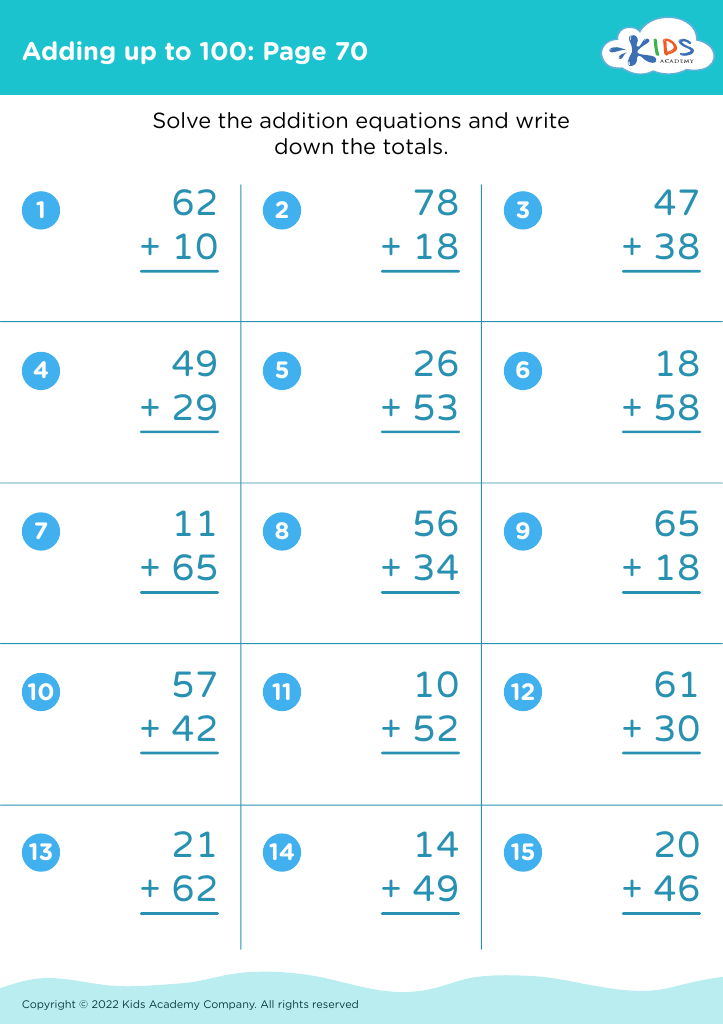
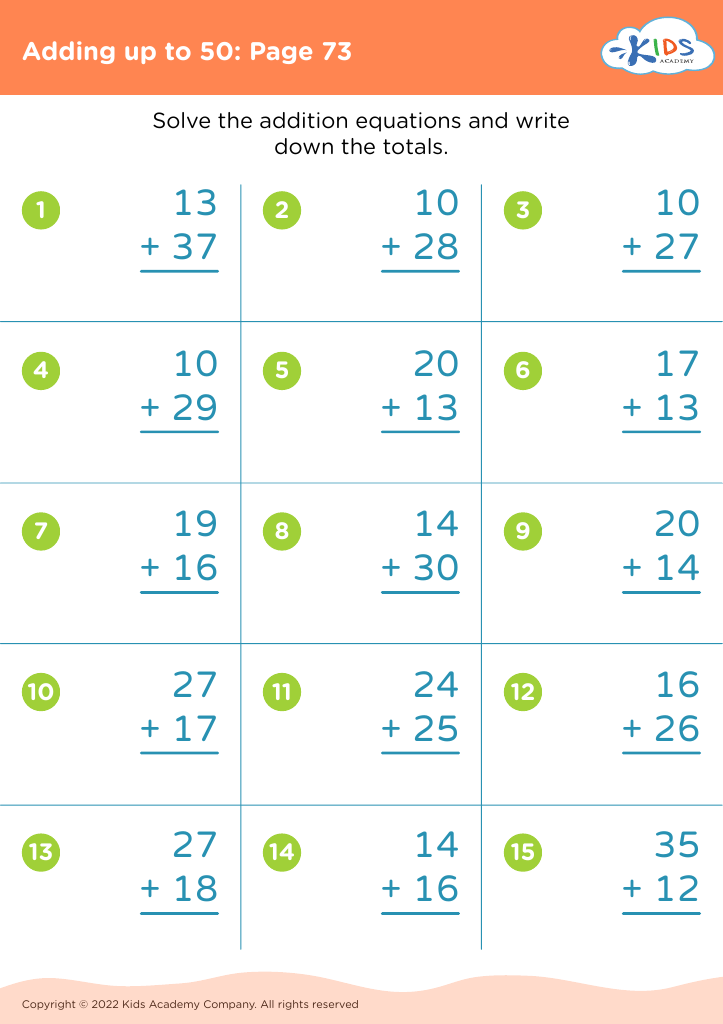
Discover our engaging Color Recognition Addition Worksheets designed specifically for 8-year-olds! These worksheets cleverly blend fun coloring activities with fundamental math practice to enhance your child's addition skills. By associating colors with numbers, kids not only develop their math abilities but also improve color recognition and fine motor skills. Each worksheet offers a creative way for children to explore numbers and colors, ensuring a well-rounded learning experience. Ideal for both home and classroom use, our worksheets make learning exciting and effective. Give your child the perfect blend of education and enjoyment with our Color Recognition Addition Worksheets today!
Favorites
With answer key
Interactive
Join Kids Academy for Free
Who is primarily going to use this learning content?




.jpg)


Color recognition and addition are fundamental skills that lay the groundwork for a child’s overall developmental success. For 8-year-olds, color recognition aids cognitive development by enhancing memory and attention to detail, critical for learning across all subjects. Associating colors with numbers or objects can simplify complex concepts, making it easier for kids to grasp and retain new information. This visual aid is particularly beneficial for visual learners, helping them better understand and enjoy lessons.
Addition, on the other hand, is a cornerstone of mathematics. Mastery of basic addition sets the stage for more advanced mathematical concepts, including subtraction, multiplication, and division. For 8-year-olds, proficiency in addition not only improves mathematical abilities but also enhances problem-solving and logical thinking skills.
When married together, color recognition and addition can create an engaging and interactive learning experience. Activities that use both skills can be particularly effective in maintaining a child’s interest and making learning fun. For example, using colored beads or blocks to demonstrate addition can help solidify their understanding by linking visual and numerical inputs.
Parents and teachers should care about these combined skills because they promote critical thinking, enhance cognitive abilities, and establish a strong educational foundation, ensuring children are well-prepared for future academic challenges.








