Comparing Fractions Addition Worksheets for 8-Year-Olds
82 filtered results
-
From - To
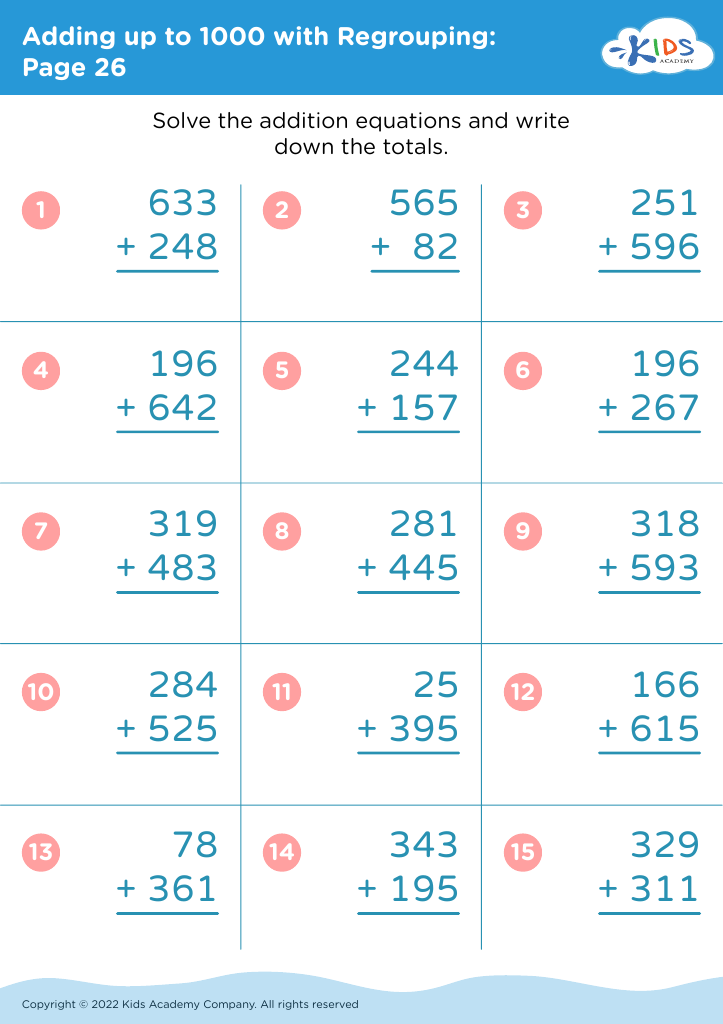
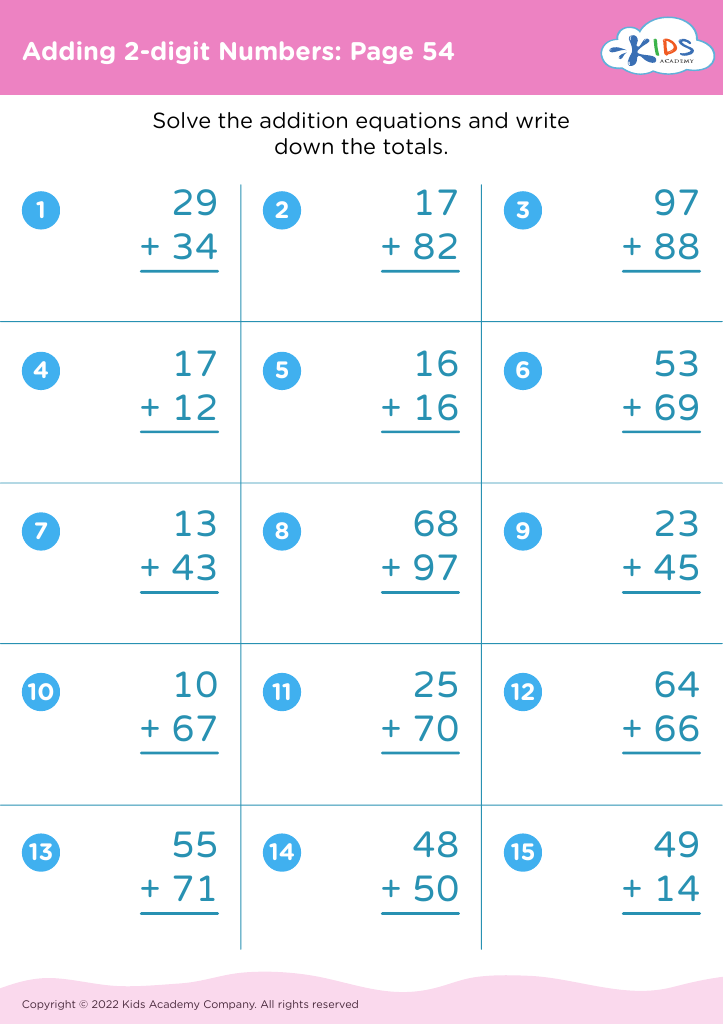
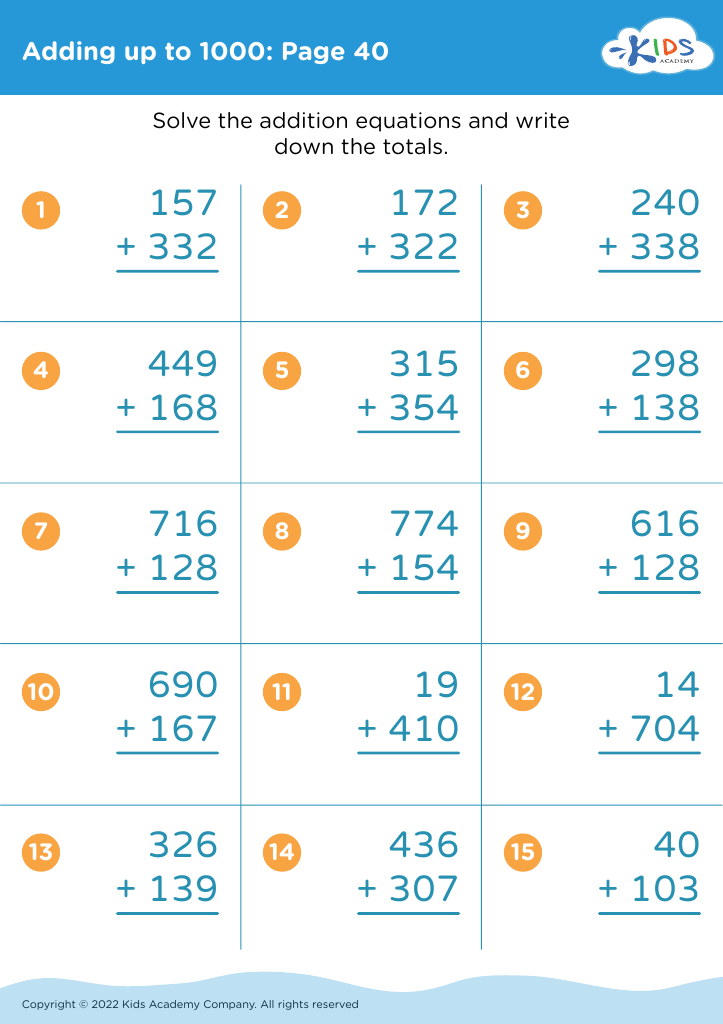
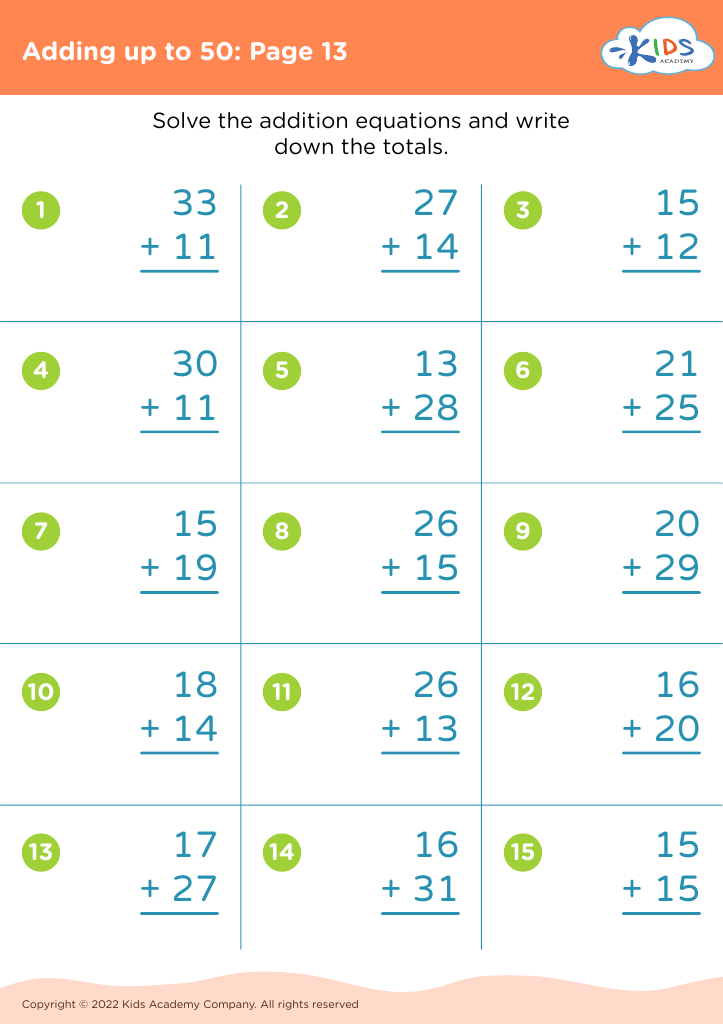
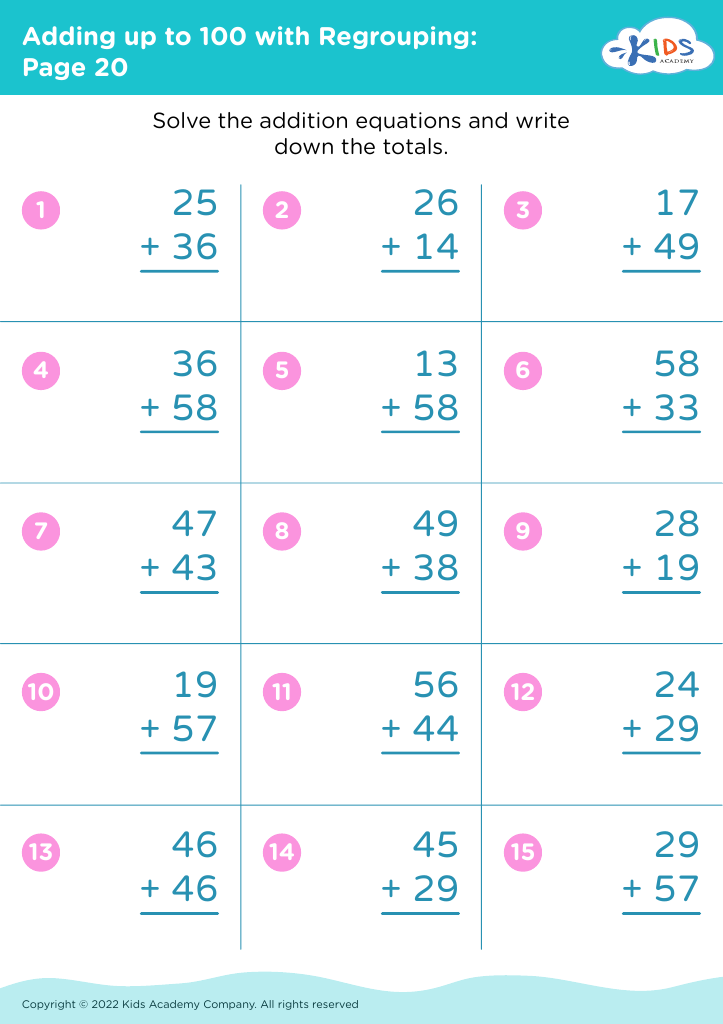
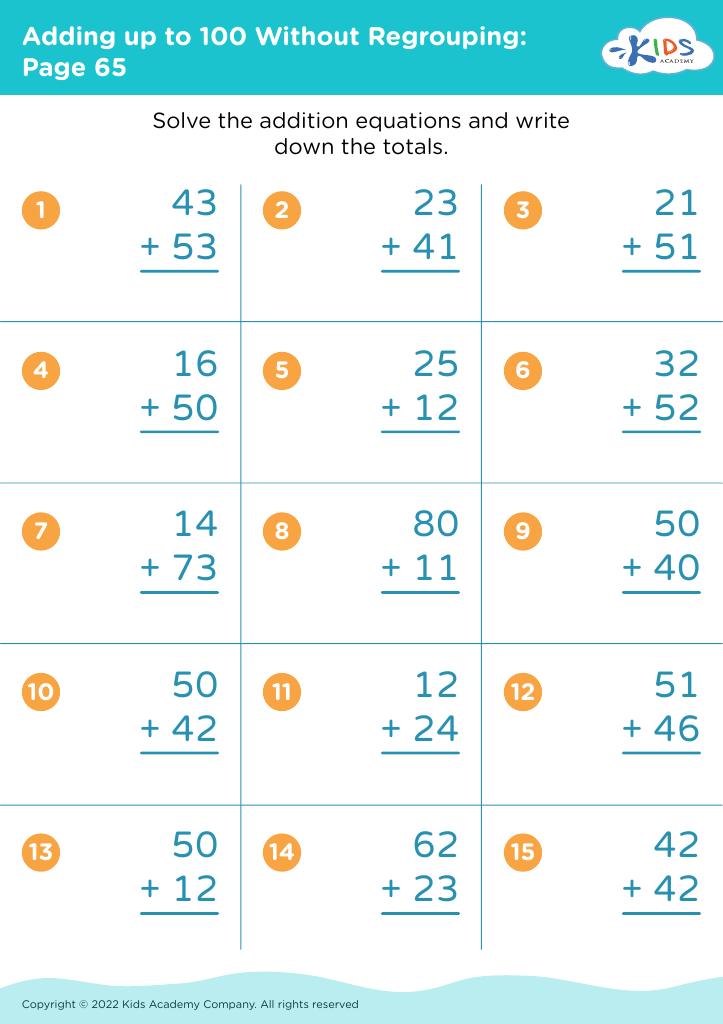
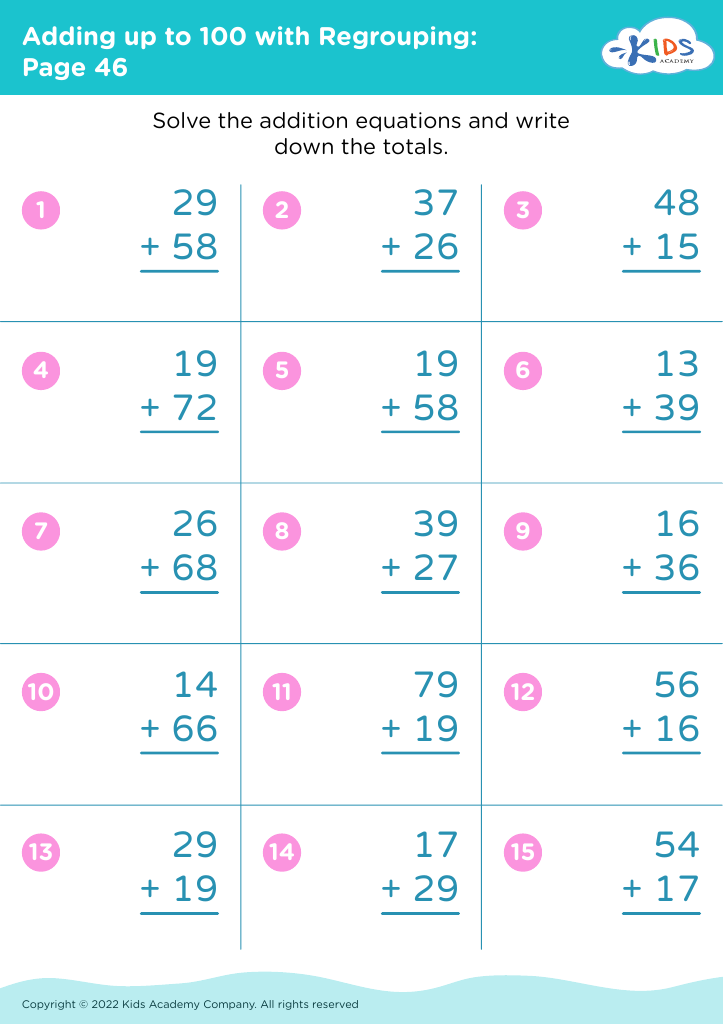
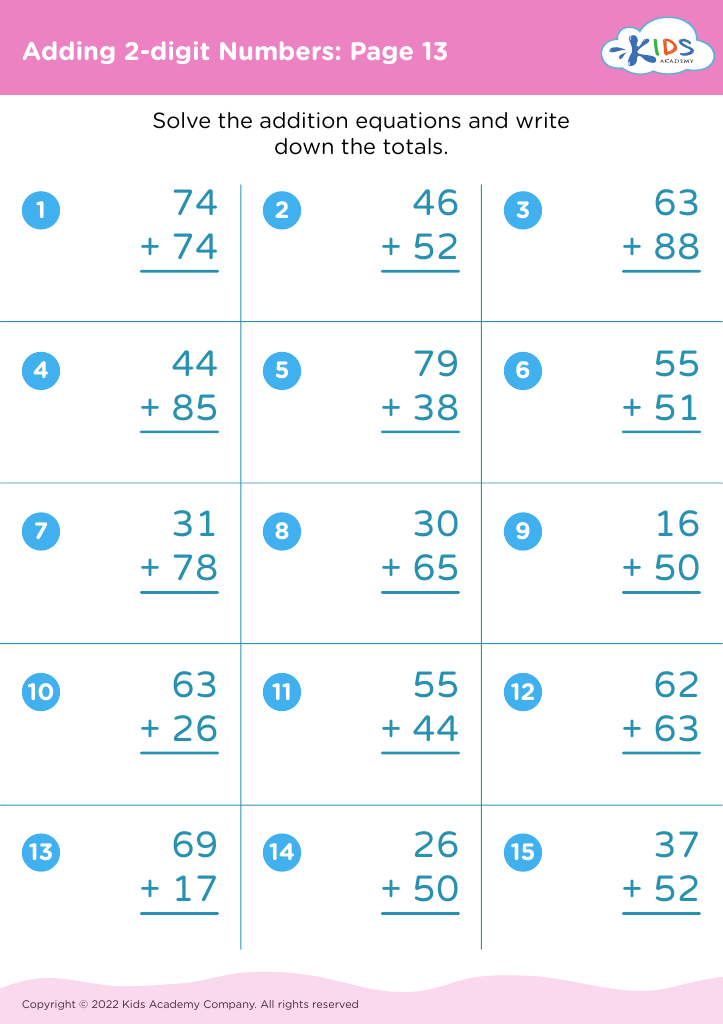
Unlock the world of fractions with our "Comparing Fractions Addition Worksheets for 8-Year-Olds". Specially designed to enhance learning, these worksheets focus on comparing, adding, and understanding fractions in a fun, interactive way. Our worksheets align with the common core standards and provide engaging exercises that help children master fractions. Featuring vibrant visuals and child-friendly instructions, they make complex concepts more accessible. Perfect for class or home use, these sheets foster confidence in young learners and complement their curriculum seamlessly. Equip your child with essential math skills and make learning an enjoyable adventure with Kids Academy.
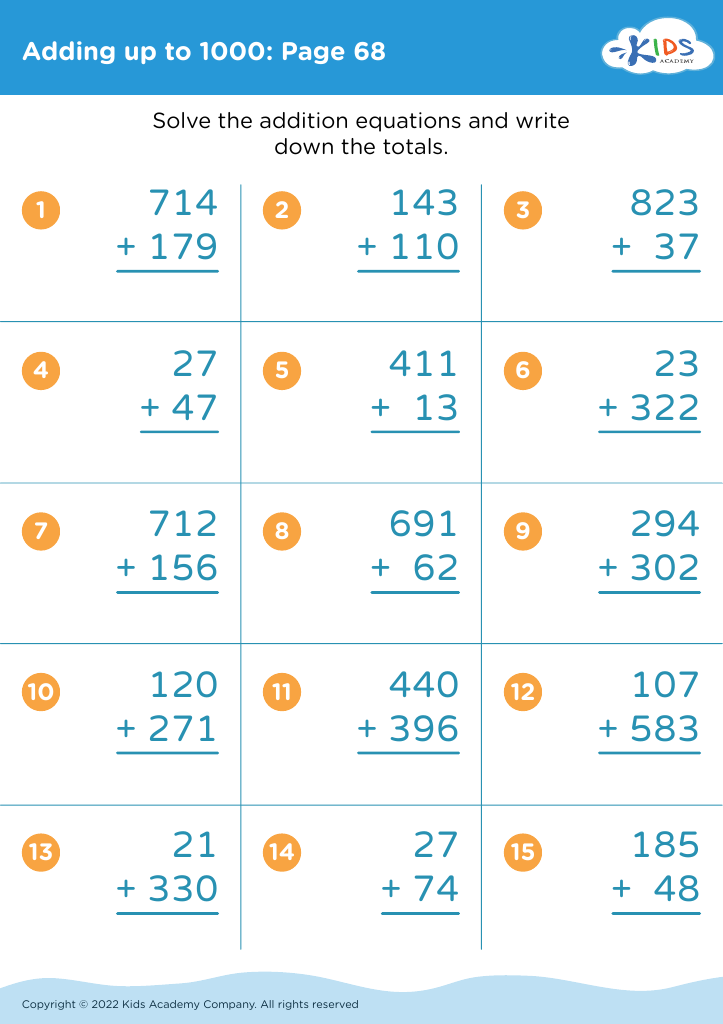
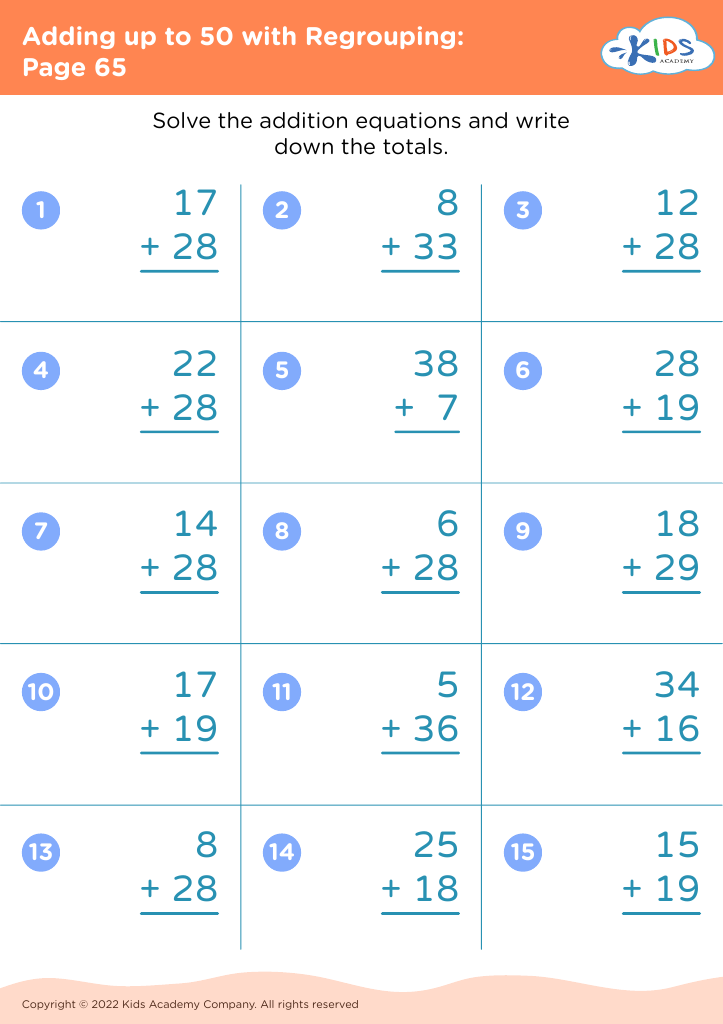
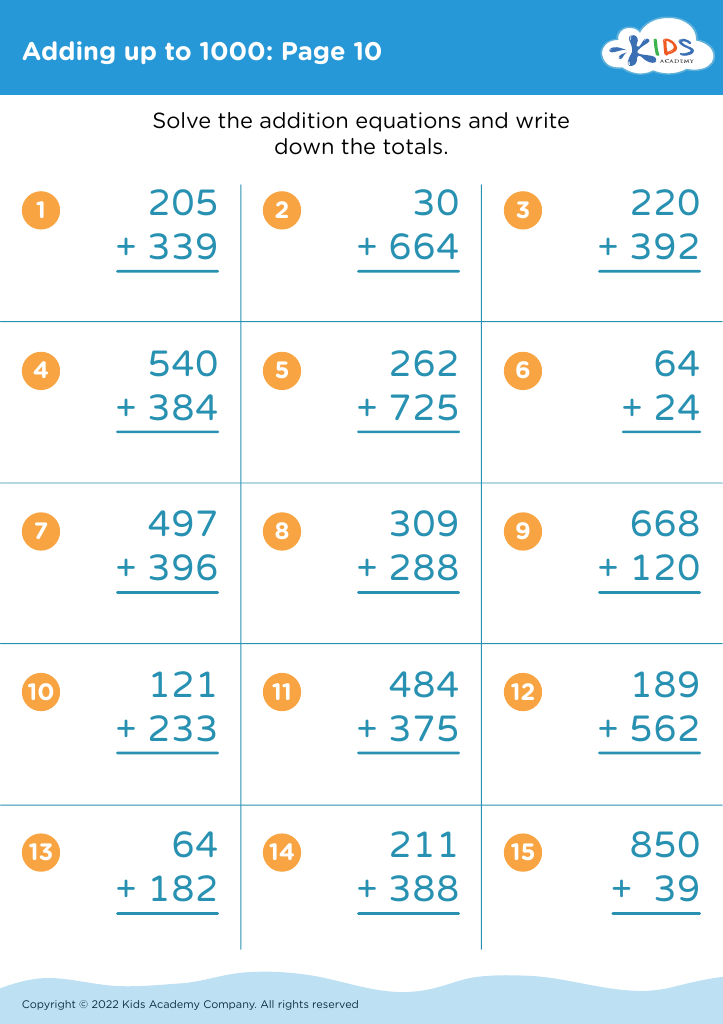
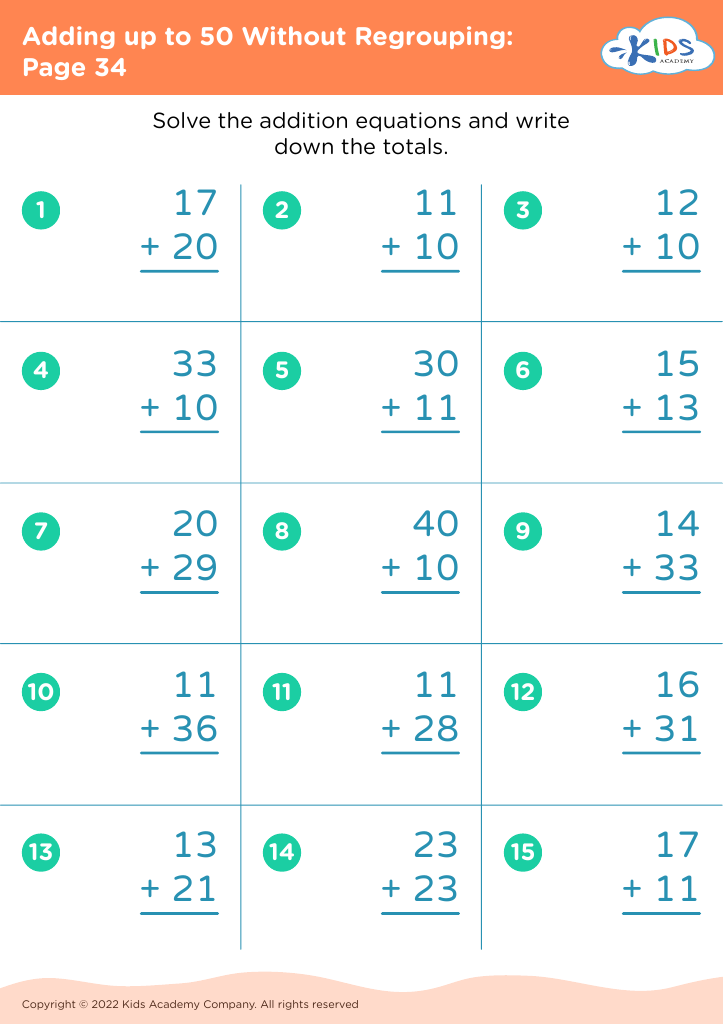
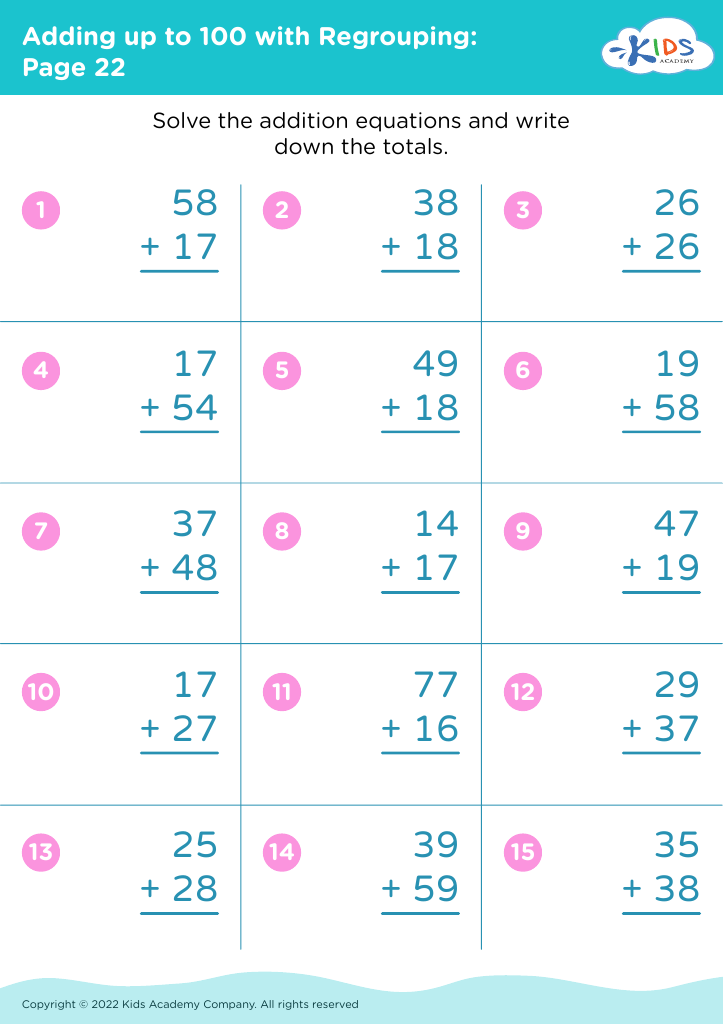
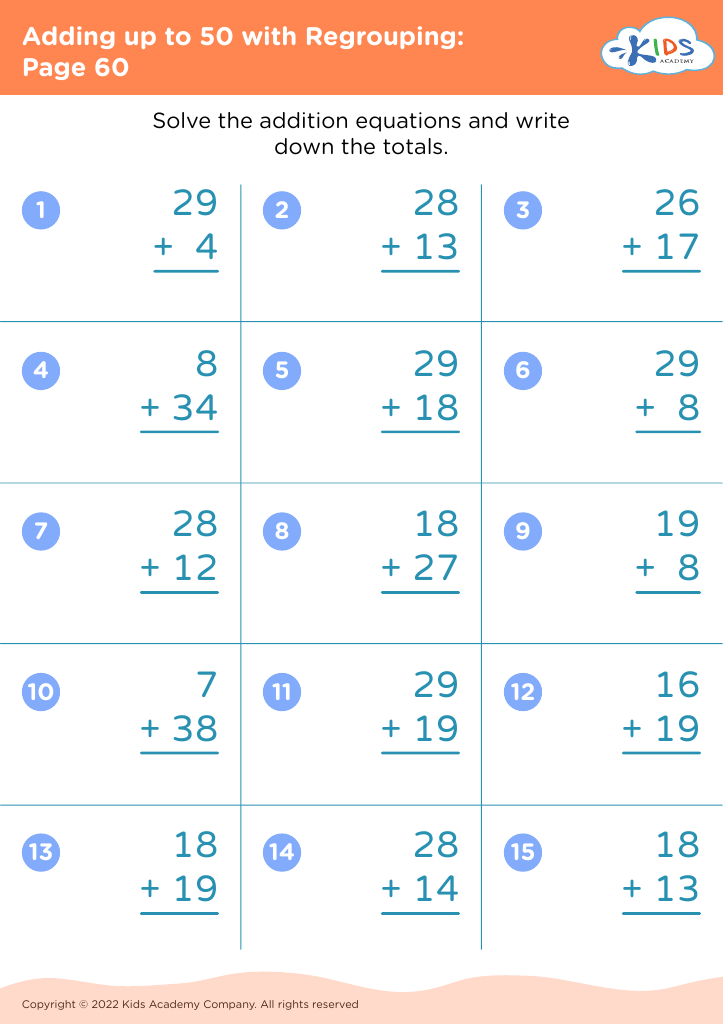
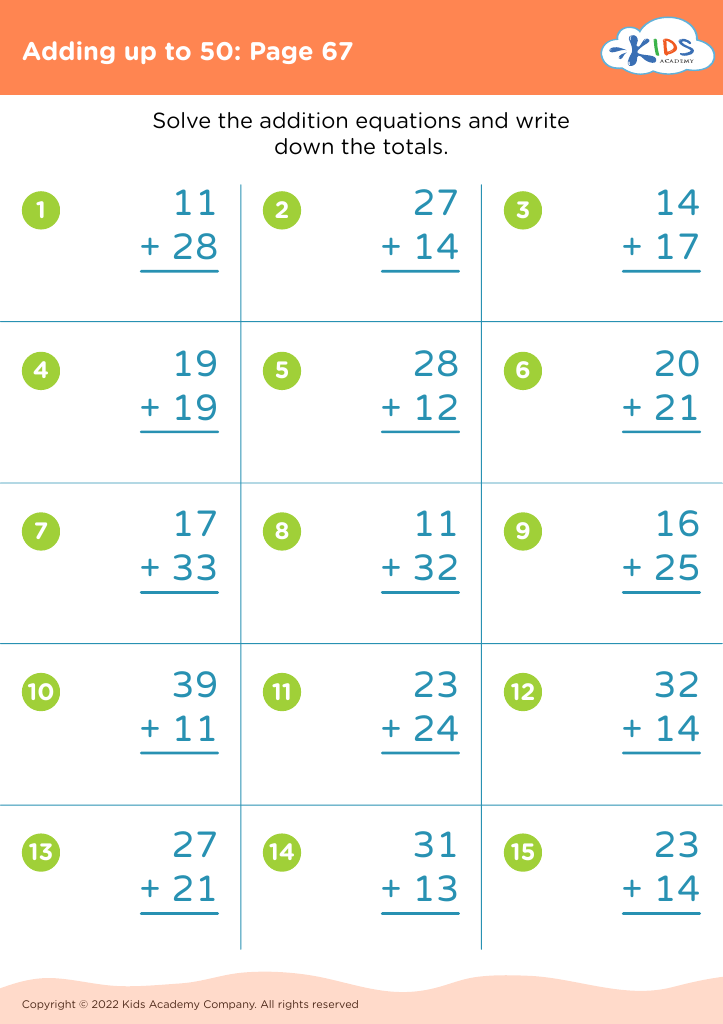
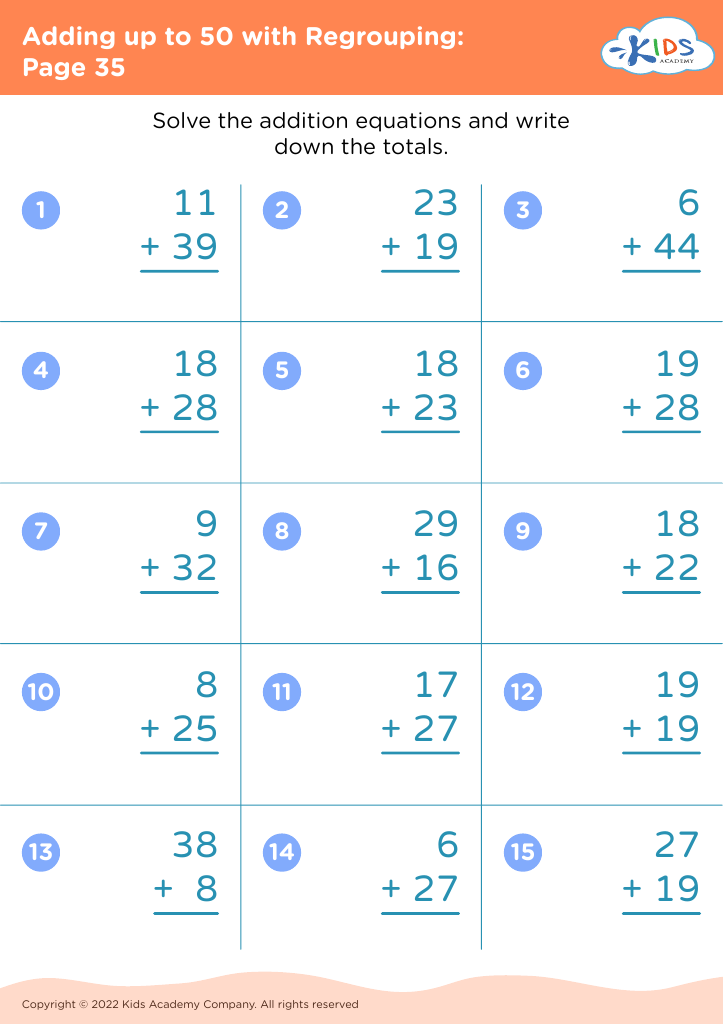








Understanding how to compare and add fractions is a crucial foundational skill for 8-year-olds, typically in second or third grade. Developing competency in this area offers several educational benefits that make it worthwhile for parents and teachers to invest time and effort.
Firstly, comparing fractions and adding them helps children develop a strong number sense, which is essential for more complex math concepts they will encounter later, such as decimals, percentages, and algebra. Strong number sense also enhances their problem-solving and logical thinking skills, applicable in daily life situations and various subjects beyond mathematics.
Moreover, fractions are often tied to real-world scenarios, like measuring ingredients in a recipe. Comprehending these skills makes real-world tasks more manageable and relatable for children, enhancing their engagement and interest in math.
Secondly, conceptual understanding of fractions strengthens mental arithmetic skills, which are pivotal for academic success. It enhances their ability to visualize, make connections between different math concepts, and think abstractly – all of which are essential for higher-level math.
Additionally, mastering fractions early on builds confidence in young learners. When children conquer challenging concepts, they develop a positive attitude towards learning. This confidence translates to a more focused and motivated approach to education in general.
Therefore, giving attention to teaching and understanding fractions not only lays a solid math foundation but also promotes overall cognitive development, practical life skills, and a love for learning.








