
Fraction Addition Addition Worksheets for 8-Year-Olds
14 filtered results
Difficulty Level
Grade
Age
-
From - To
Subject
Activity
Standards
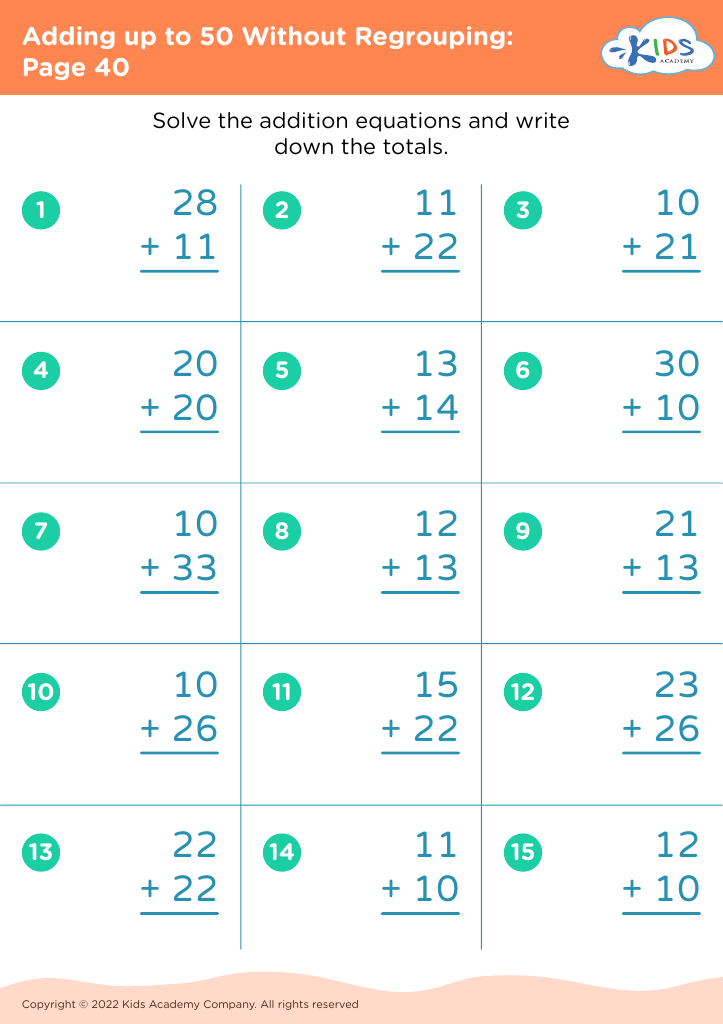
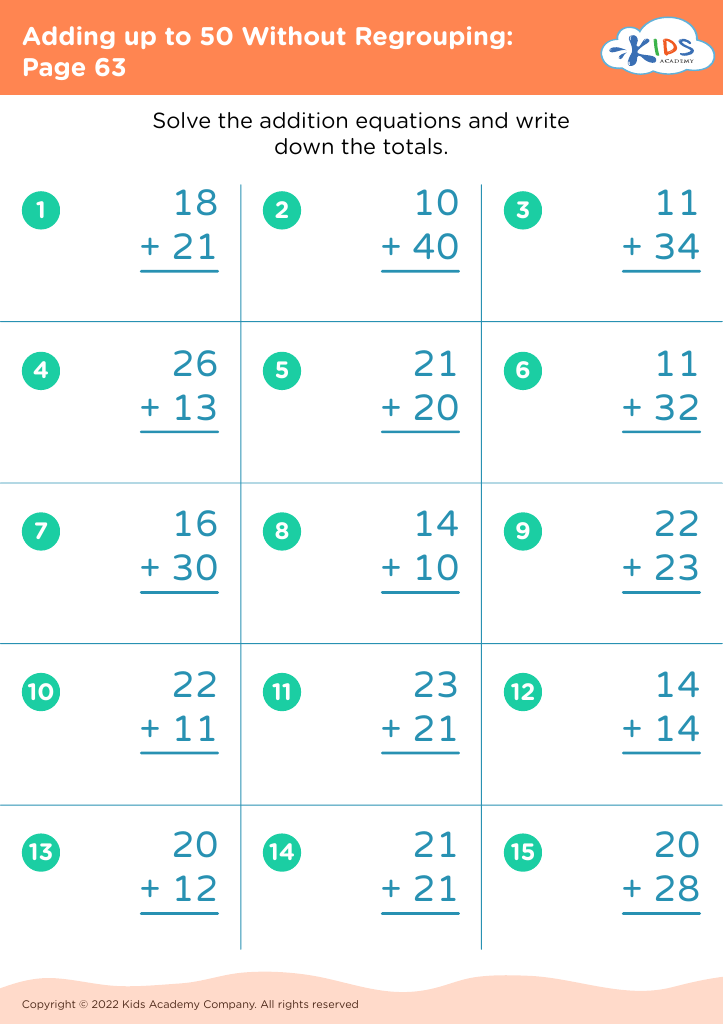
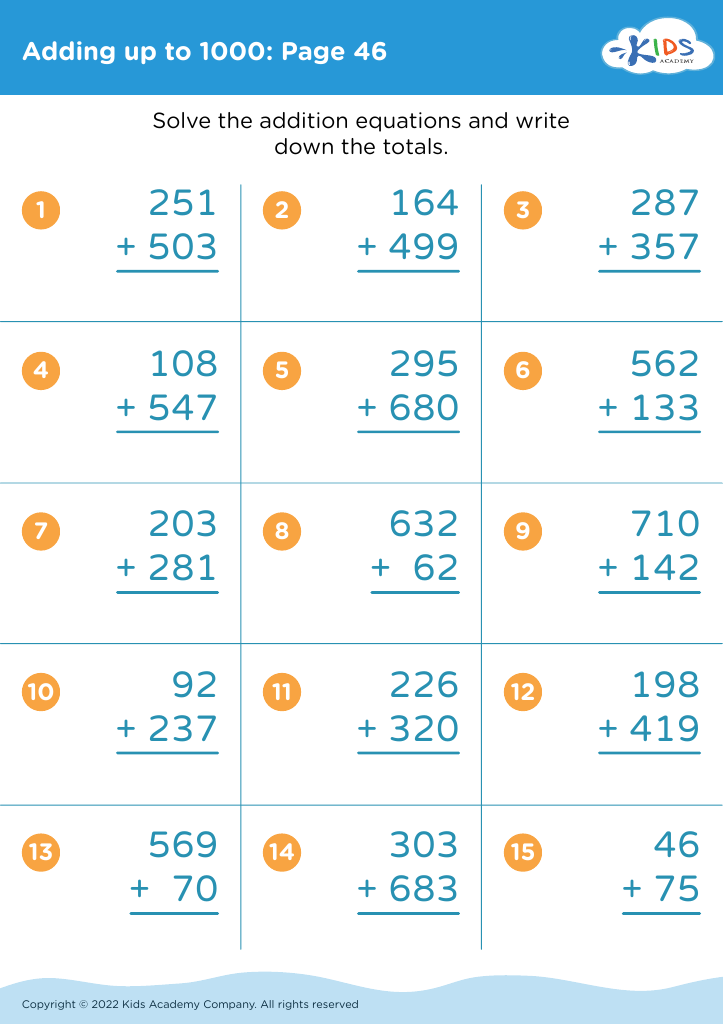
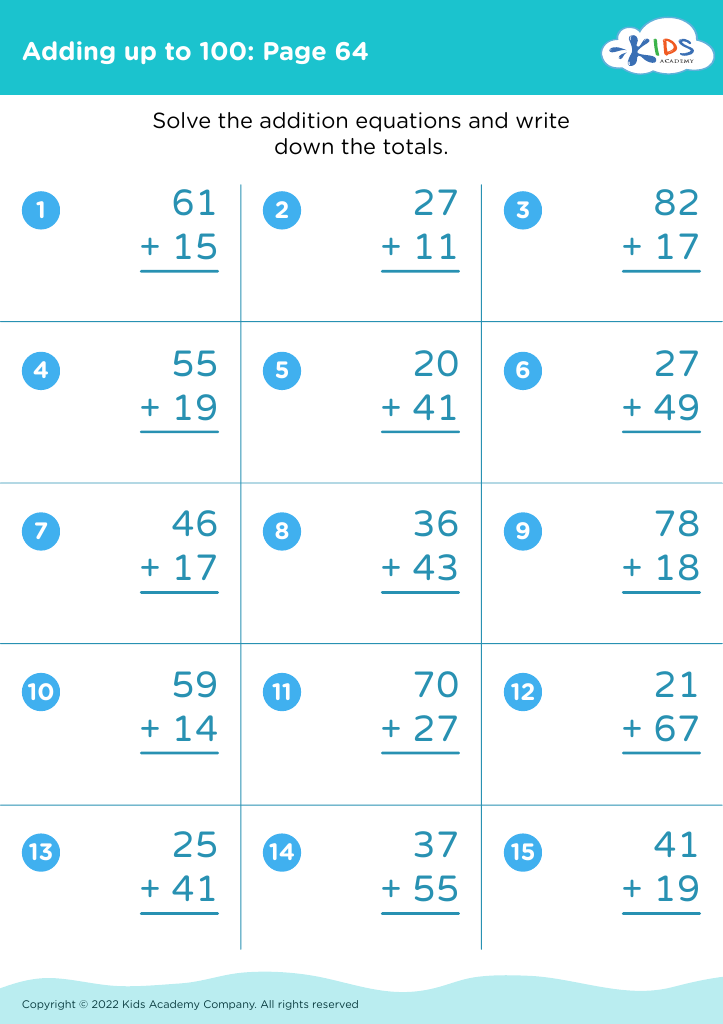
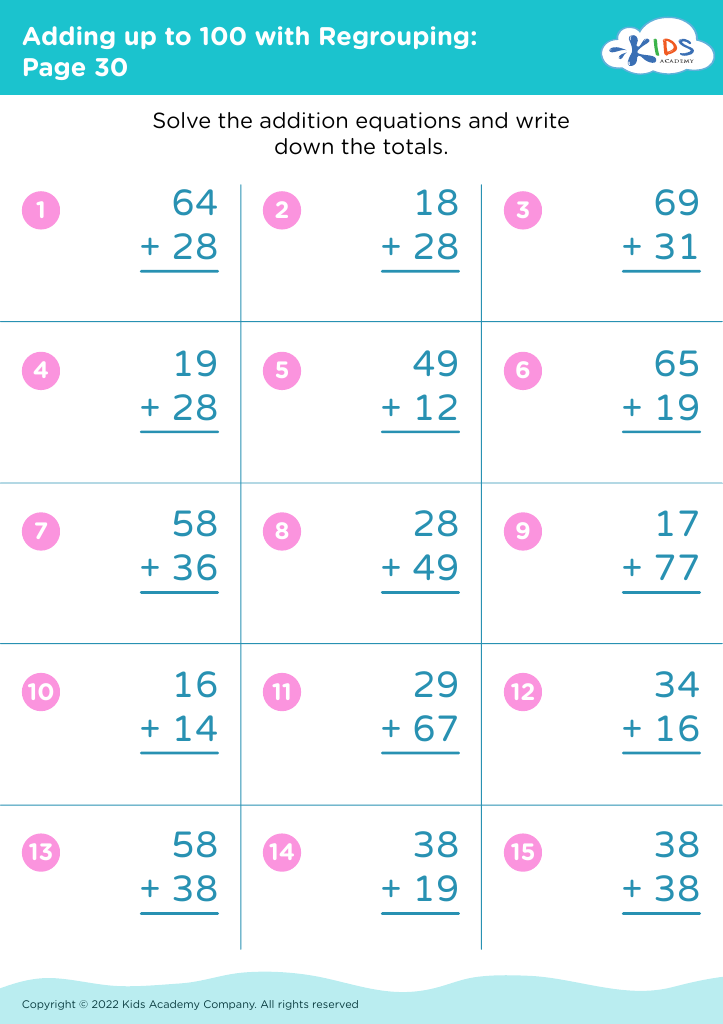
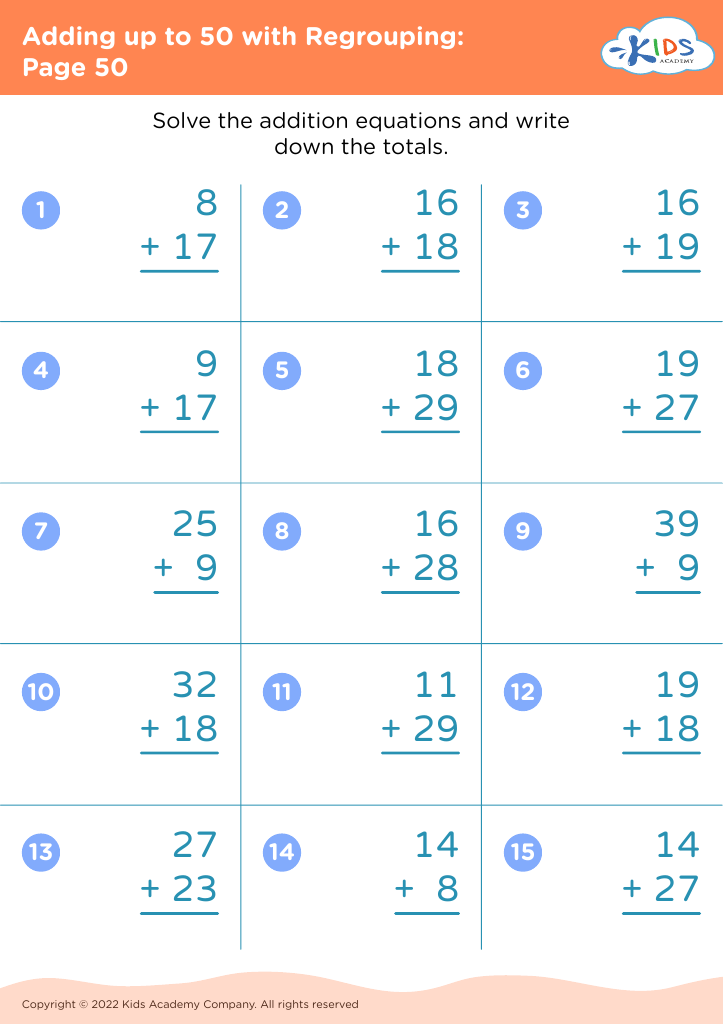
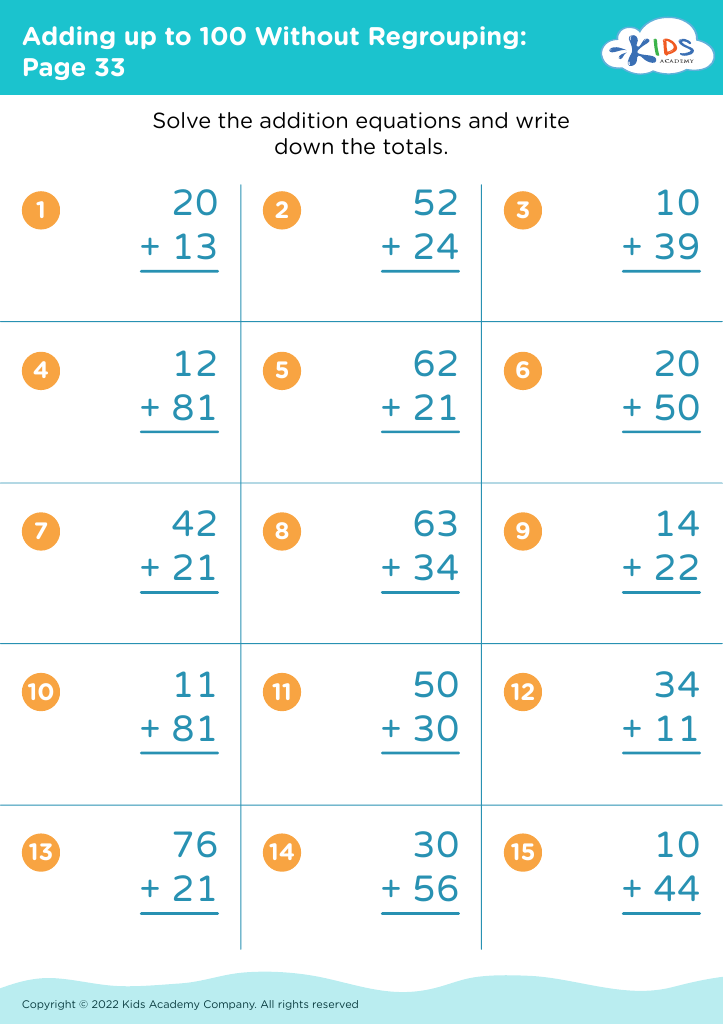
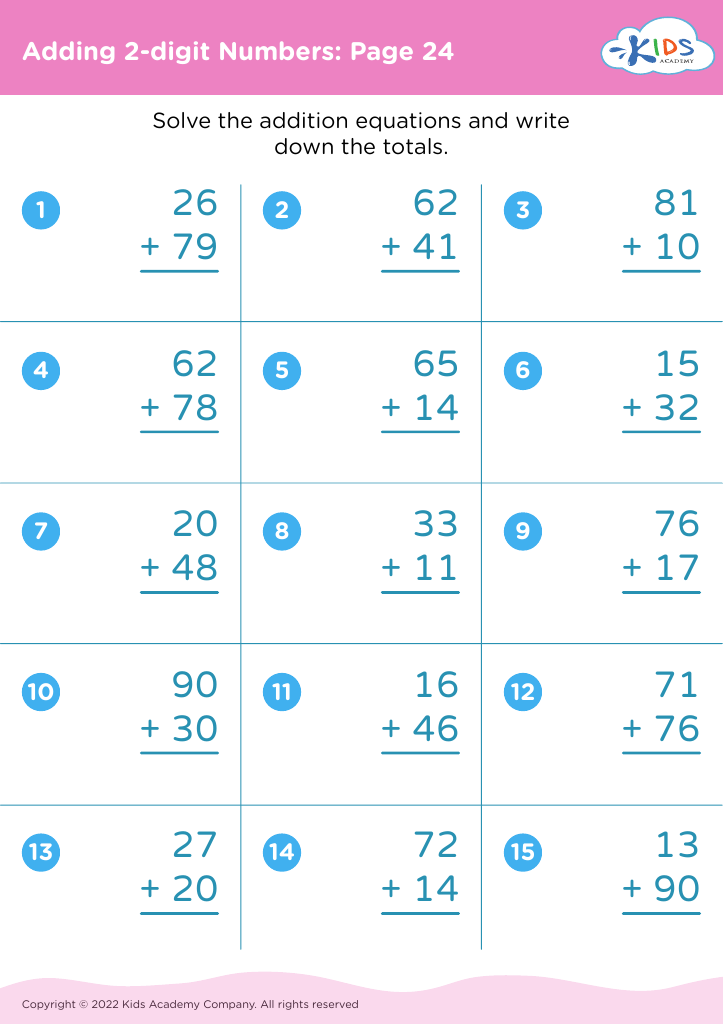
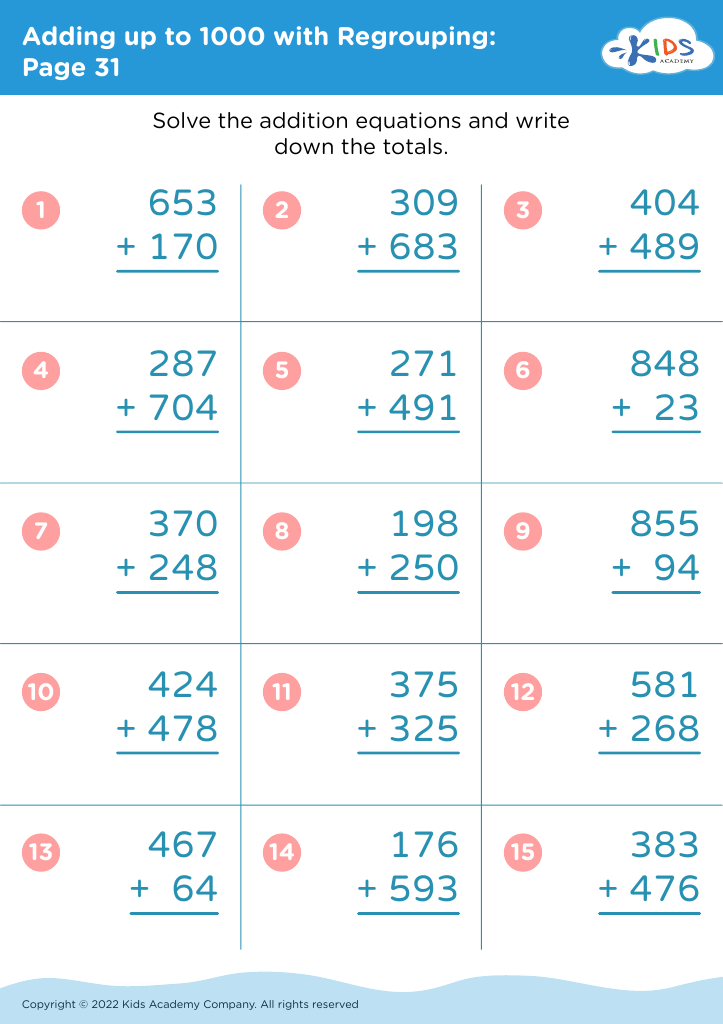
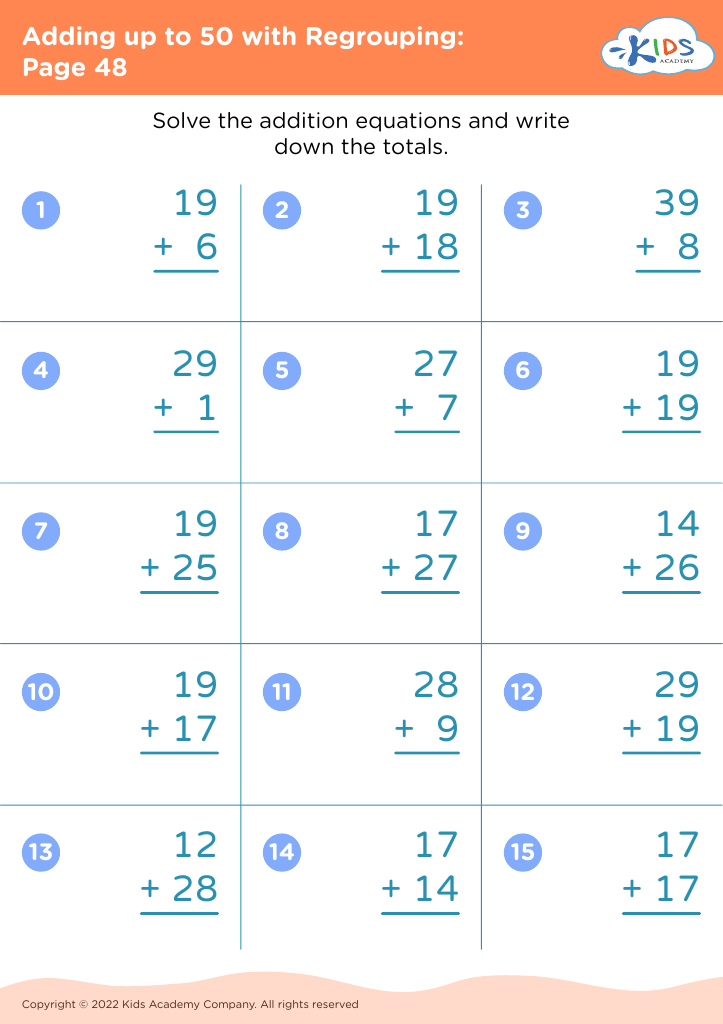
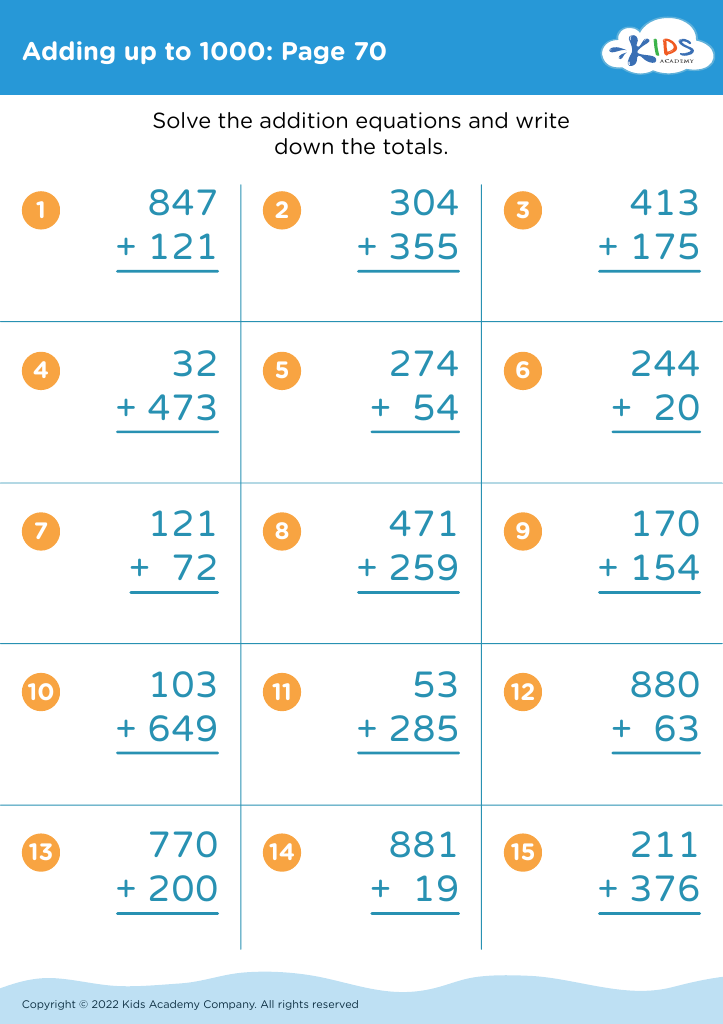
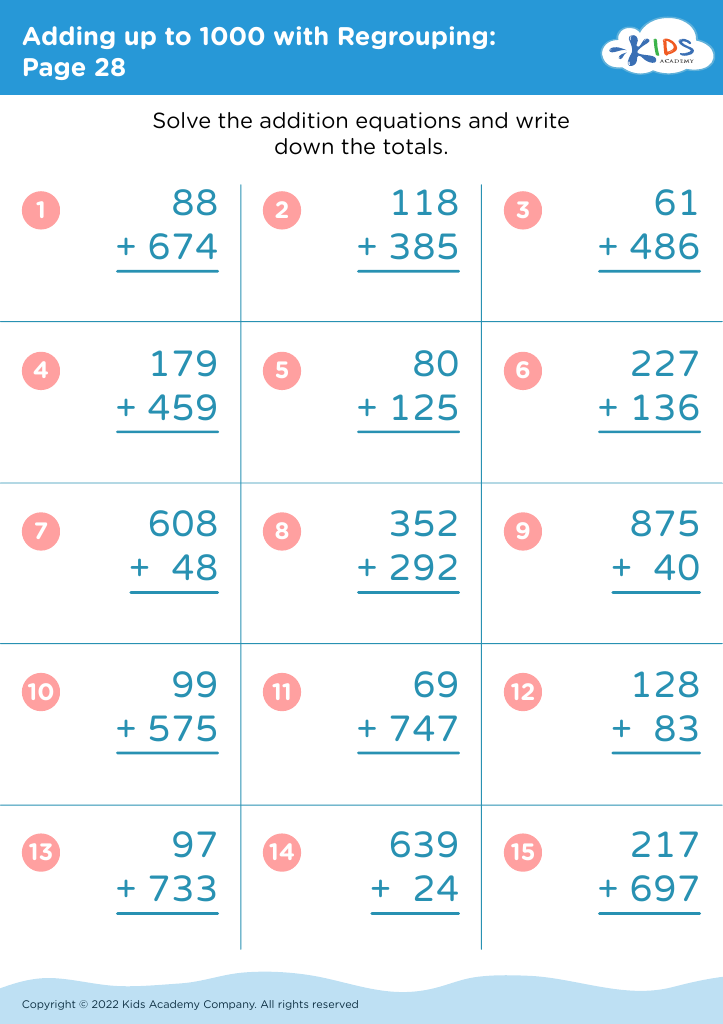
Discover our engaging Fraction Addition Worksheets tailored for 8-year-olds, designed to make learning fun and interactive! These worksheets introduce young learners to the concepts of adding fractions with like and unlike denominators, ensuring a solid foundation in math. Our resources feature colorful illustrations and step-by-step instructions, promoting a hands-on approach to understanding fractions. With a variety of problems that challenge and reinforce skills, children will gain confidence in their abilities. Perfect for homework, classroom activities, or extra practice at home! Unlock your child's math potential with our carefully curated worksheets and watch their skills blossom!
Favorites
With answer key
Interactive
Join Kids Academy for Free
Who is primarily going to use this learning content?








Parents and teachers should prioritize teaching fraction addition to 8-year-olds because it lays a critical foundation for essential mathematical skills. Understanding how to add fractions not only enhances a child's comprehension of numbers but also fosters problem-solving skills, logical reasoning, and critical thinking. At this age, children are transitioning from basic arithmetic to more complex concepts, and mastering fractions can significantly boost their confidence in tackling math challenges.
Additionally, fraction addition helps children grasp real-life applications of math, such as cooking or sharing objects, fostering a practical understanding of the subject. Making connections to everyday situations can make learning fractions more engaging and relevant. It also prepares them for more advanced topics in middle school, such as ratios, percentages, and algebra.
Ultimately, a solid grasp of fraction addition benefits overall academic performance, not just in mathematics but across subjects that involve analytical thinking. Encouraging curiosity and perseverance in learning fractions will instill a lifelong appreciation for math. By engaging with children in this aspect, parents and teachers create a supportive environment that promotes learning and cognitive development, paving the way for future success in higher-level mathematics.








