







Recognizing shapes and mastering addition are cornerstone skills for 8-year-olds that hold significant importance for a child’s cognitive and academic development. Firstly, understanding shapes aids in enhancing spatial awareness and geometry, forming the foundation for higher-level math and logic skills. Shapes help kids recognize patterns and relationships, which are essential for solving complex math problems later in life.
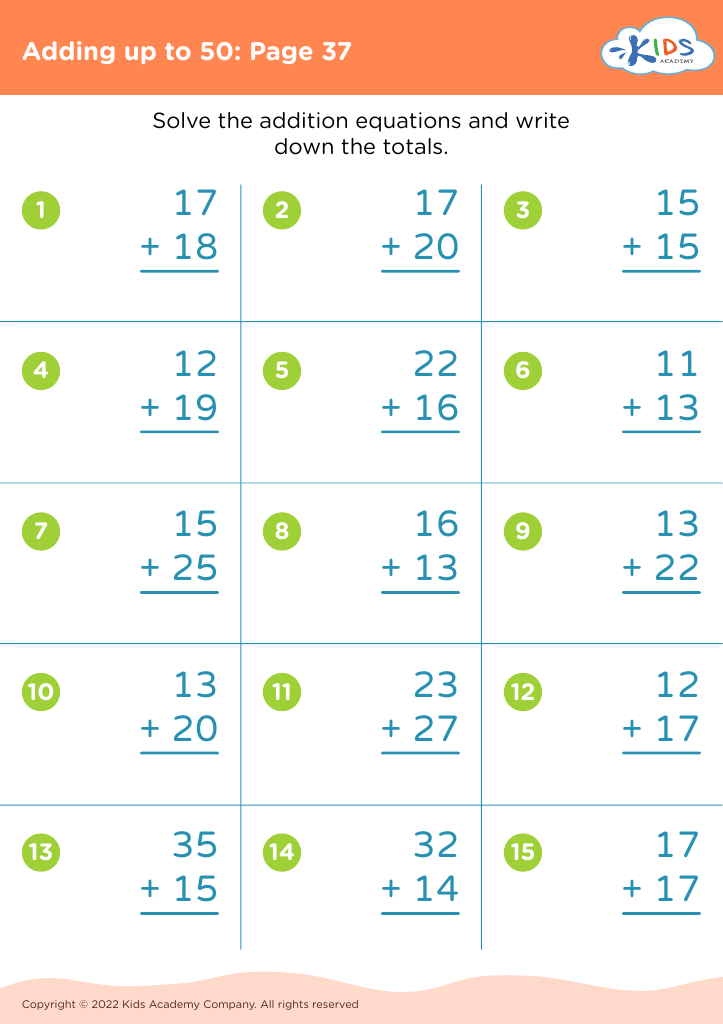
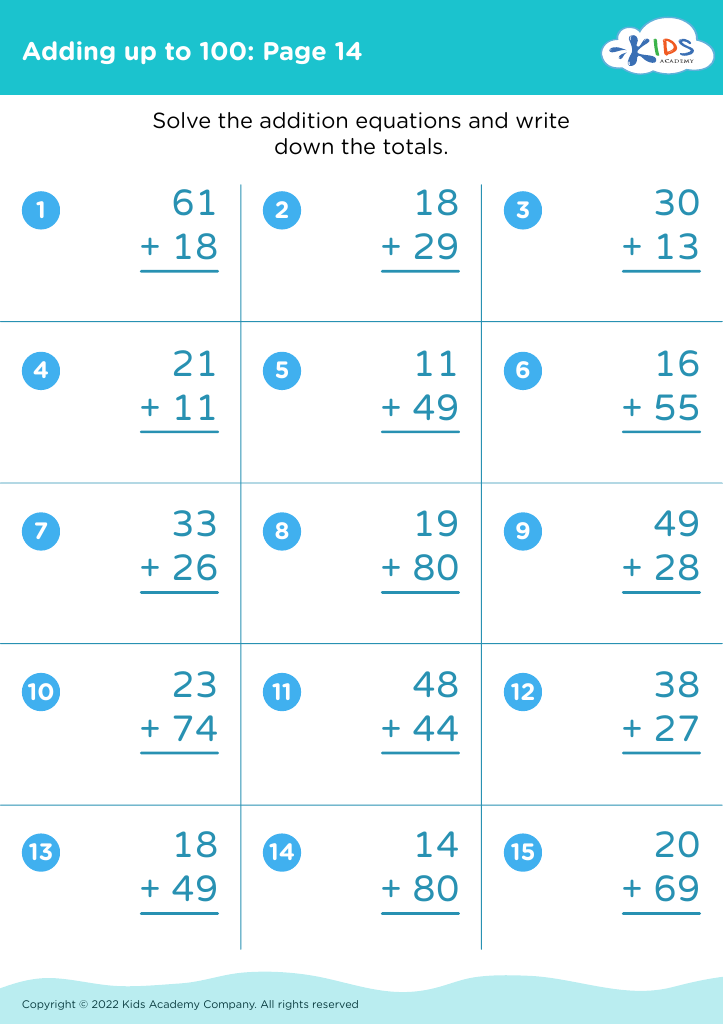
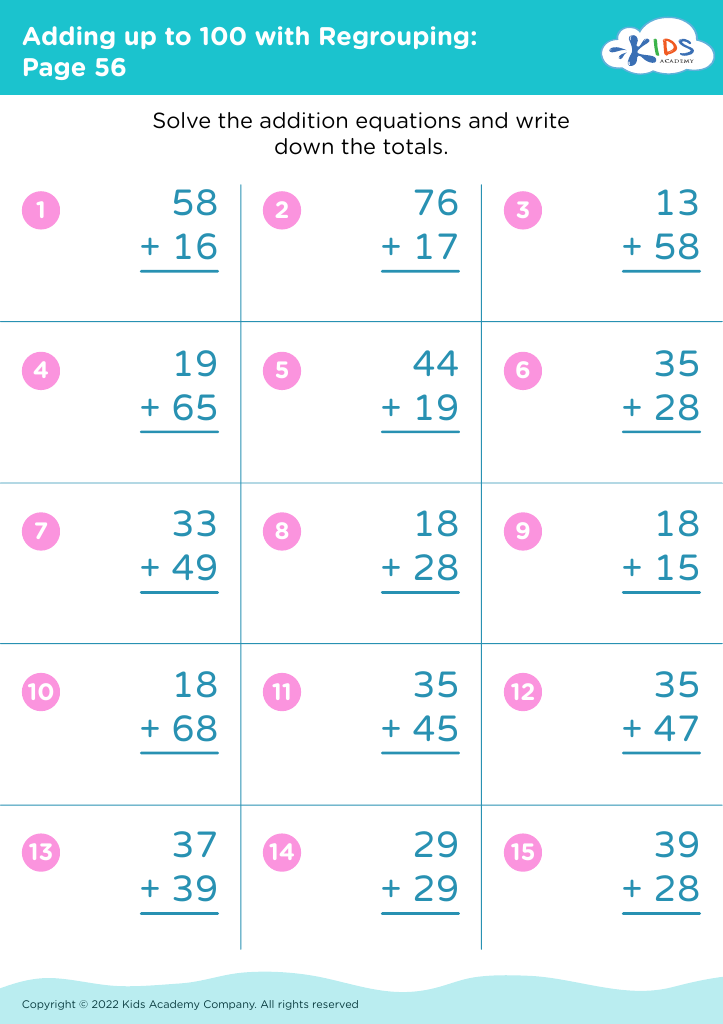
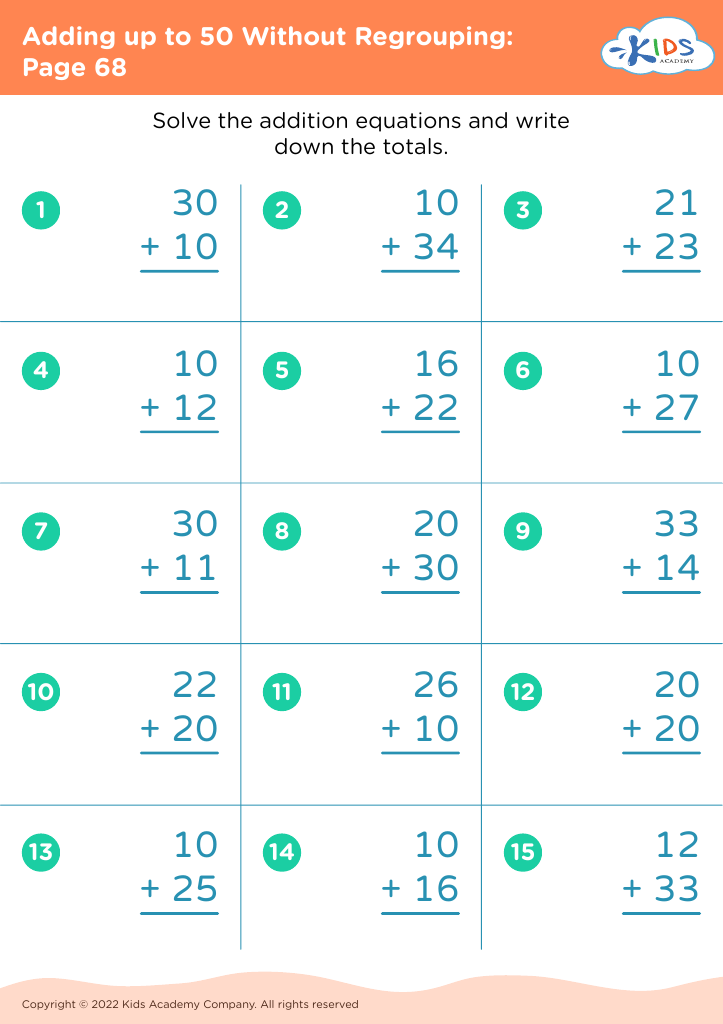
Secondly, addition is fundamental in everyday tasks and builds the groundwork for all future math endeavors. Proficiency in addition enables children to tackle more complex arithmetic operations, fostering numerical literacy and competence. Strong addition skills are linked to better problem-solving abilities and analytical thinking, skills that are invaluable inside and outside the classroom.
From a developmental perspective, engaging in activities that combine problem-solving with physical aspects, like recognizing shapes and counting objects for addition, can improve a child's fine motor skills and hand-eye coordination. Moreover, these exercises can boost memory and attention span. For teachers and parents, reinforcing these skills ensures that children are well-prepared for future academic challenges, boosts their confidence, and cultivates a positive attitude towards learning. Ultimately, these foundational skills are instrumental in a child's holistic development and future success in school and beyond.








