Filters

157 filtered results

Clear all filters
Favorites
With answer key
Interactive

157 filtered results

Difficulty Level

Grade


Check out this FREE Trial Lesson on Addition for age 8!

My Family

Favorites
With answer key
Interactive
  • 8
  • Understanding fractions
  • Addition
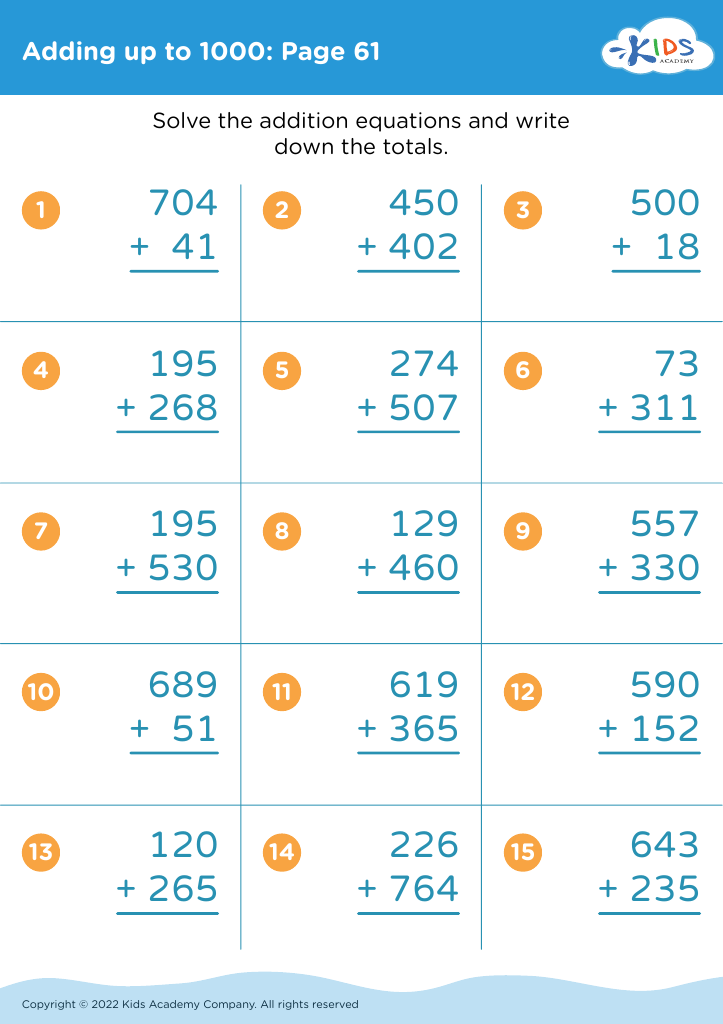
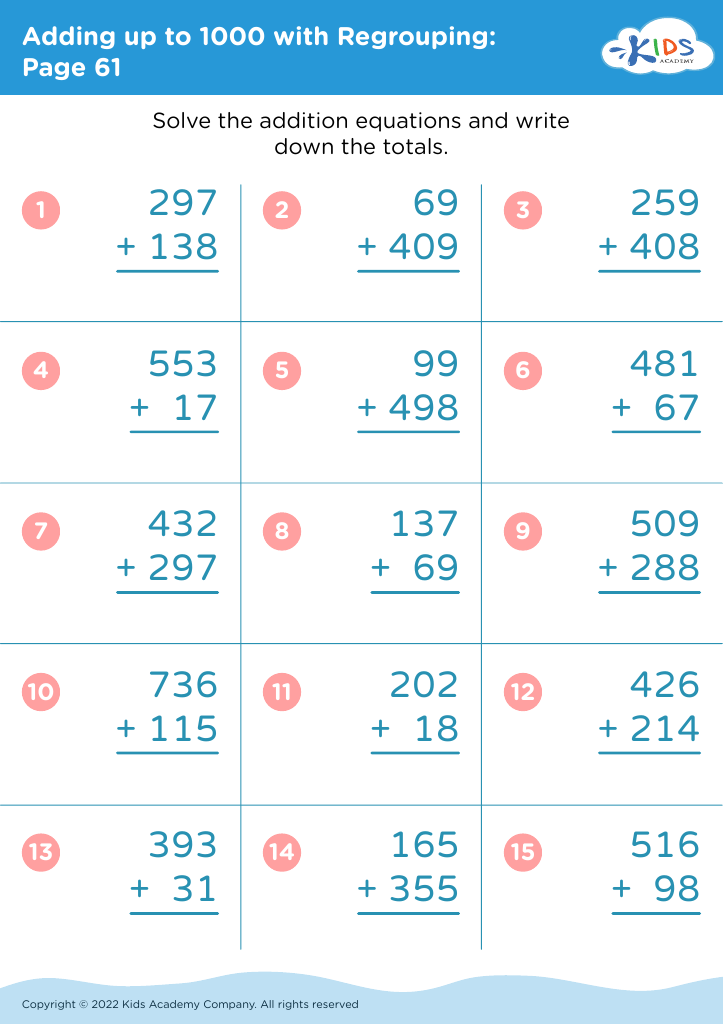
Adding up to 1000: Page 61

Adding up to 1000: Page 61

Adding up to 1000: Page 61
Worksheet
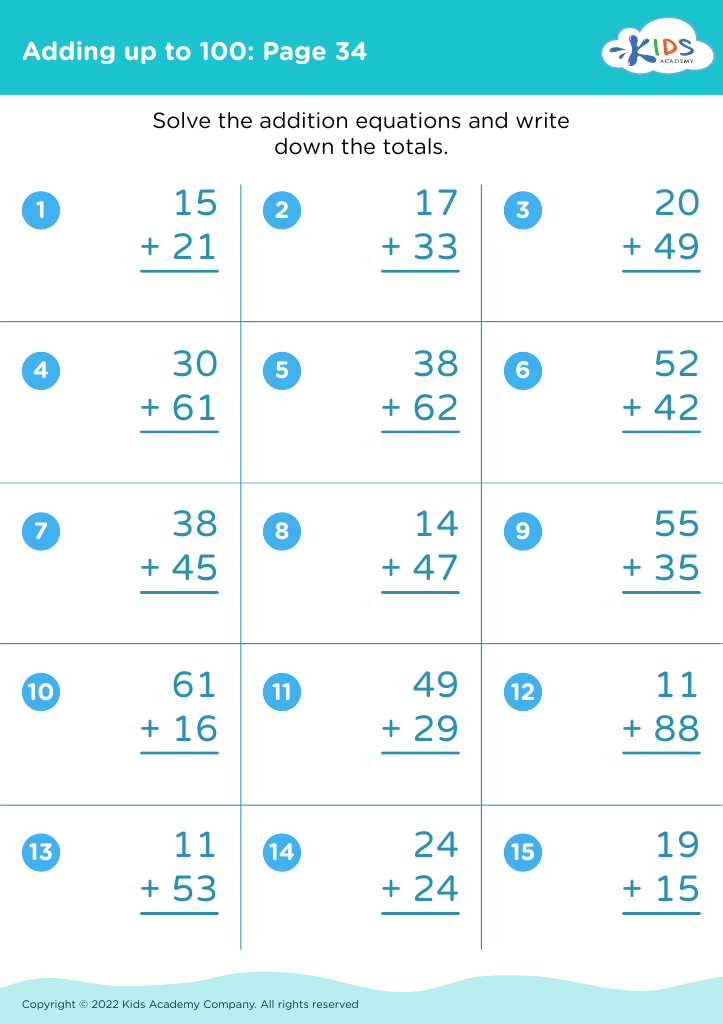
Adding up to 100: Page 34

Adding up to 100: Page 34

Adding up to 100: Page 34
Worksheet
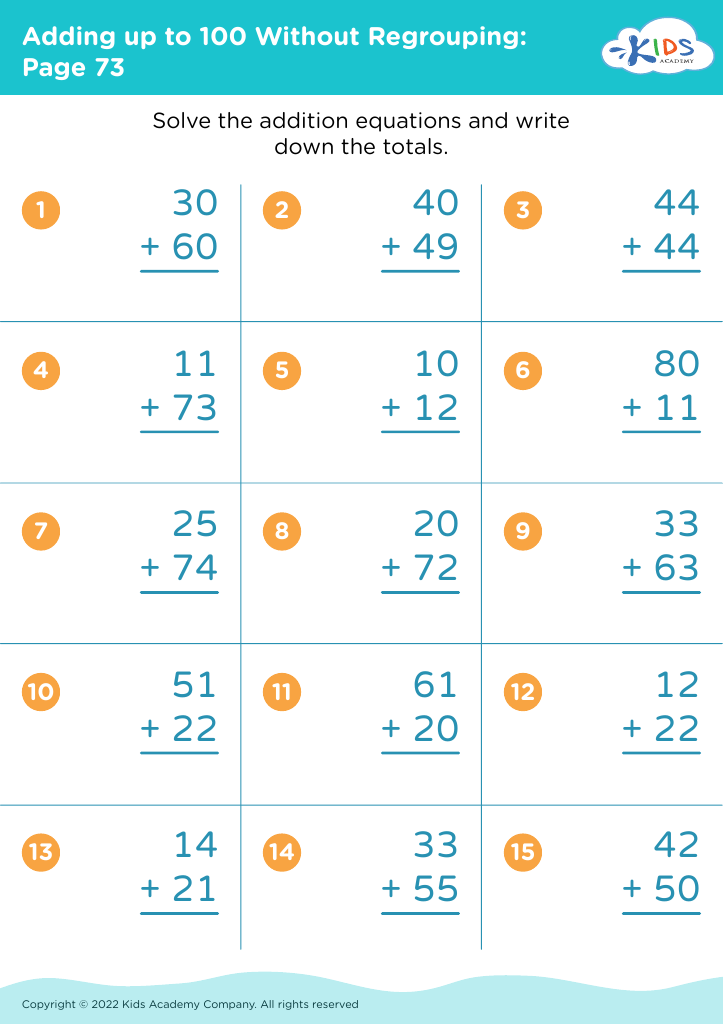
Adding up to 100 Without Regrouping: Page 73
Worksheet
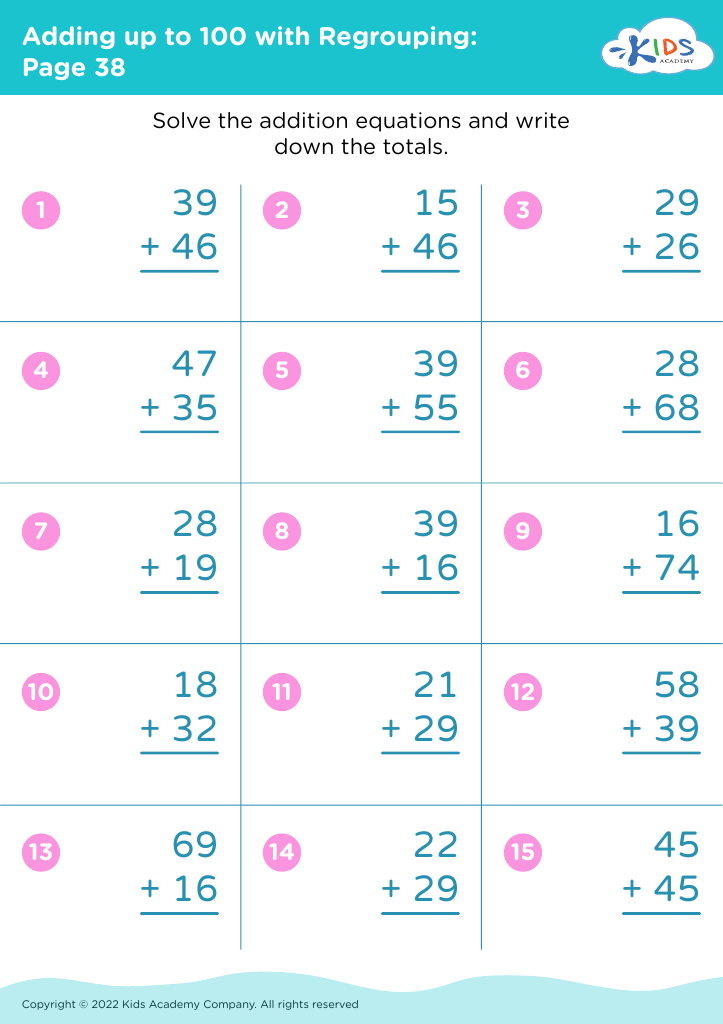
Adding up to 100 with Regrouping: Page 38
Worksheet
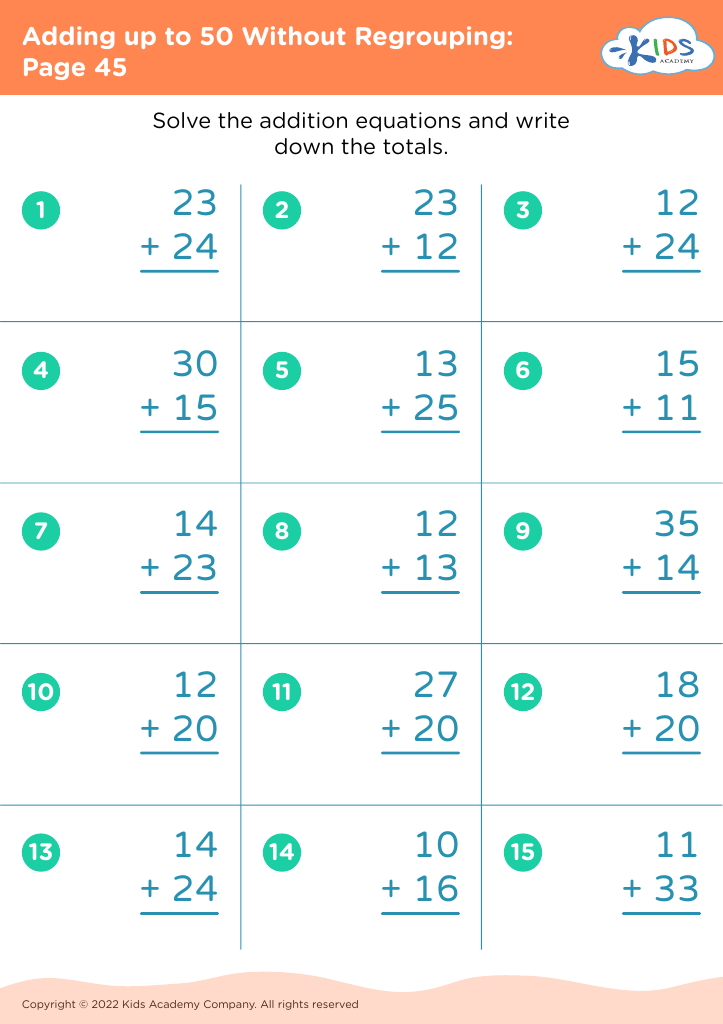
Adding up to 50 Without Regrouping: Page 45
Worksheet
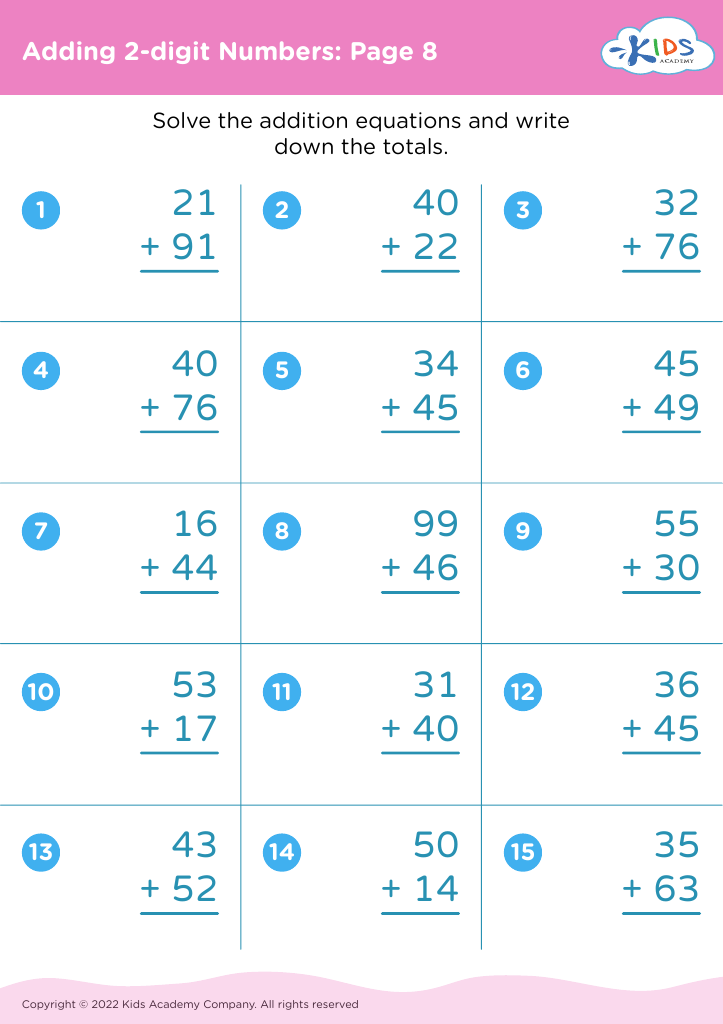
Adding 2-digit Numbers: Page 8

Adding 2-digit Numbers: Page 8

Adding 2-digit Numbers: Page 8
Worksheet
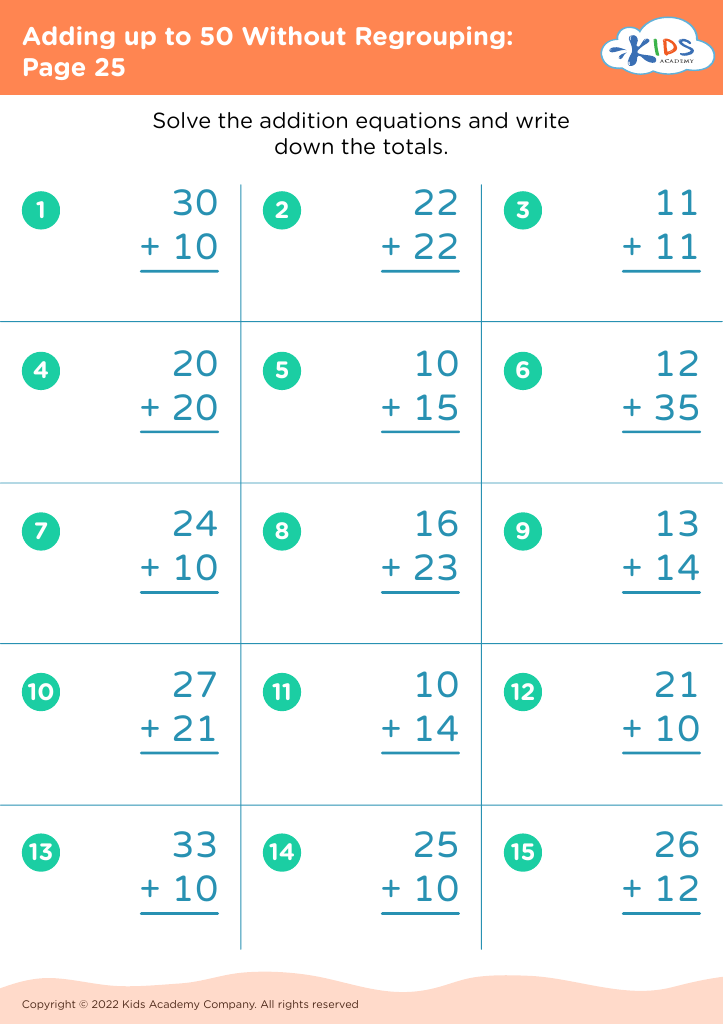
Adding up to 50 Without Regrouping: Page 25
Worksheet
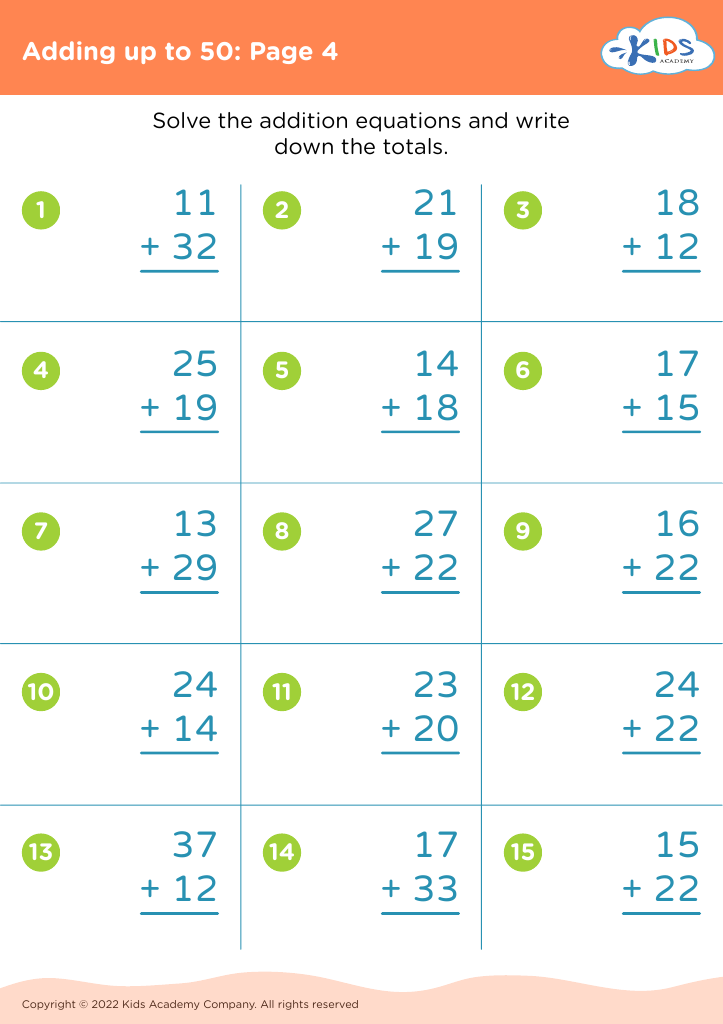
Adding up to 50: Page 4

Adding up to 50: Page 4

Adding up to 50: Page 4
Worksheet
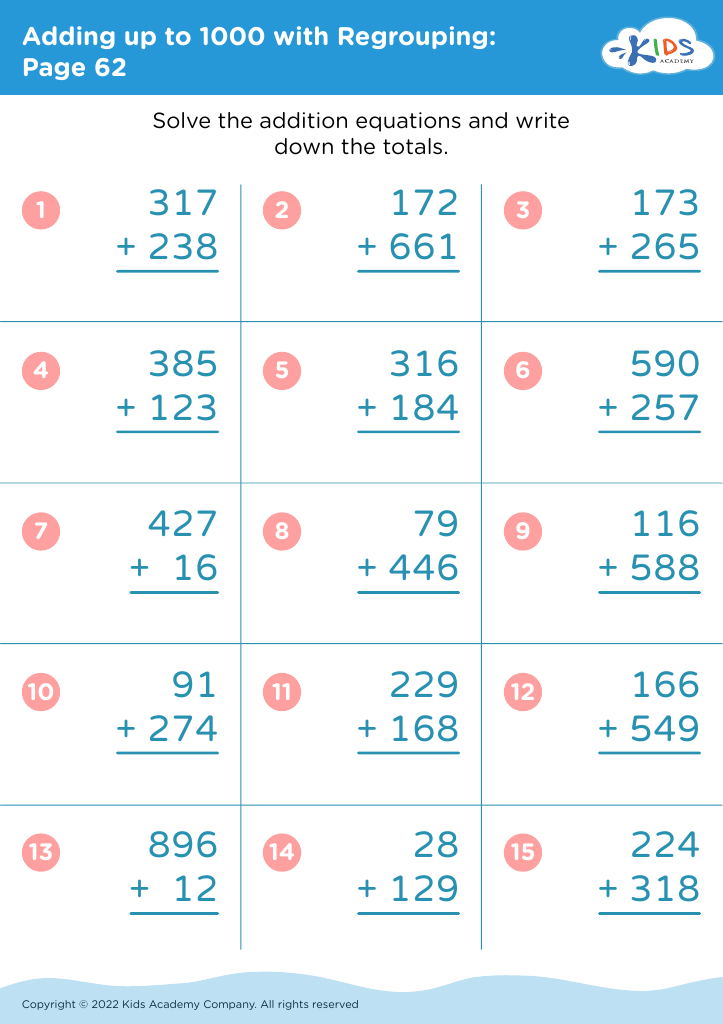
Adding up to 1000 with Regrouping: Page 62
Worksheet
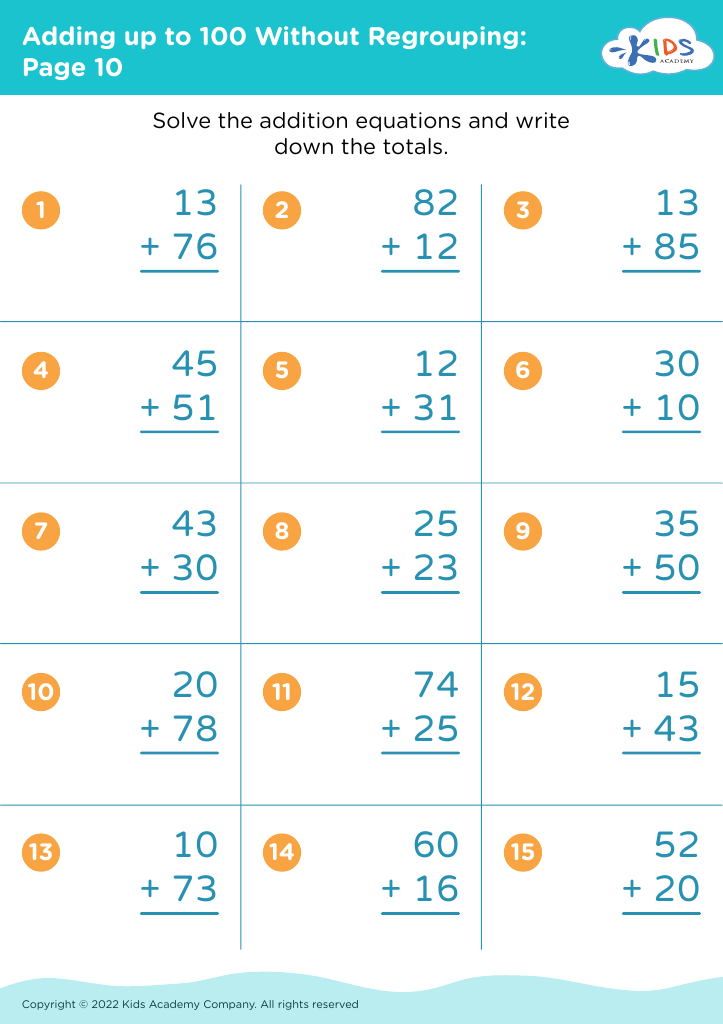
Adding up to 100 Without Regrouping: Page 10
Worksheet
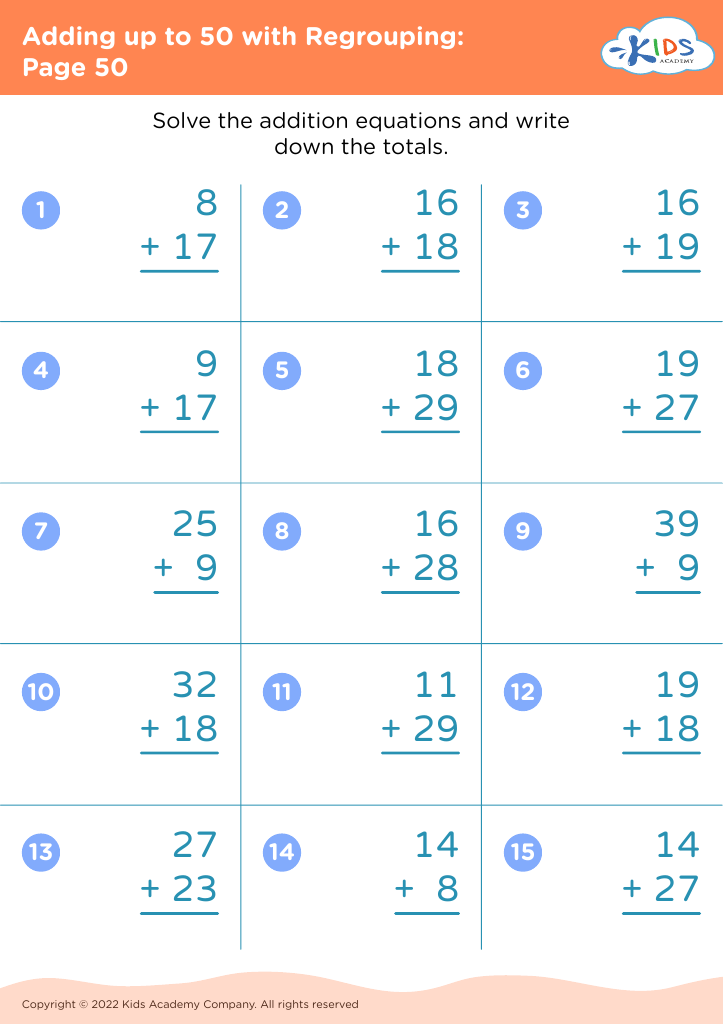
Adding up to 50 with Regrouping: Page 50
Worksheet
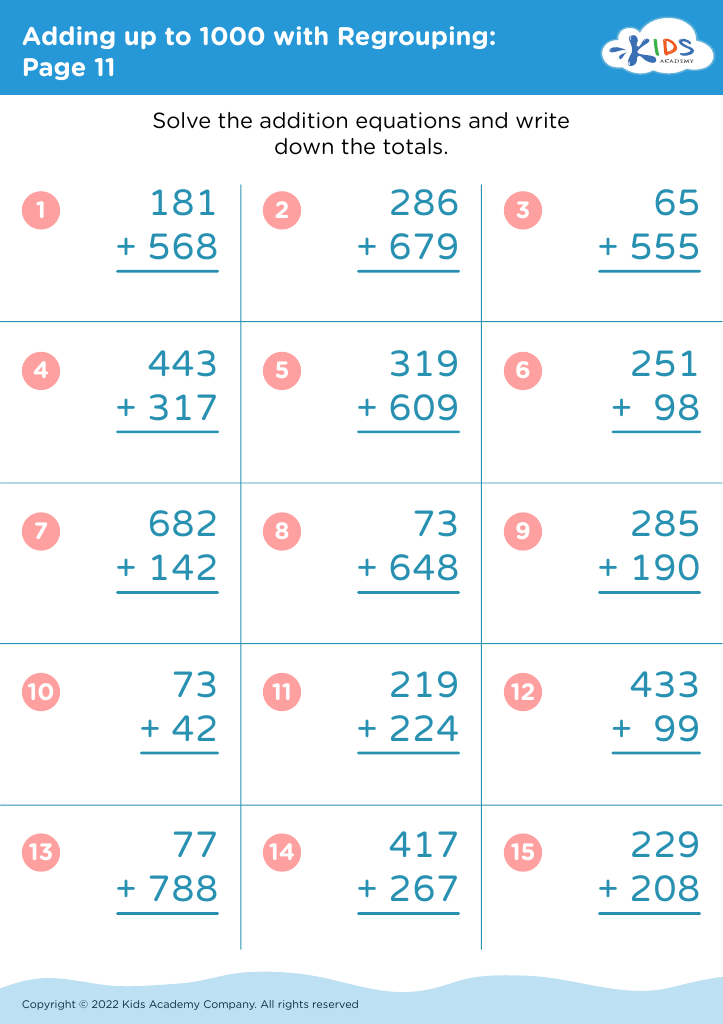
Adding up to 1000 with Regrouping: Page 11
Worksheet
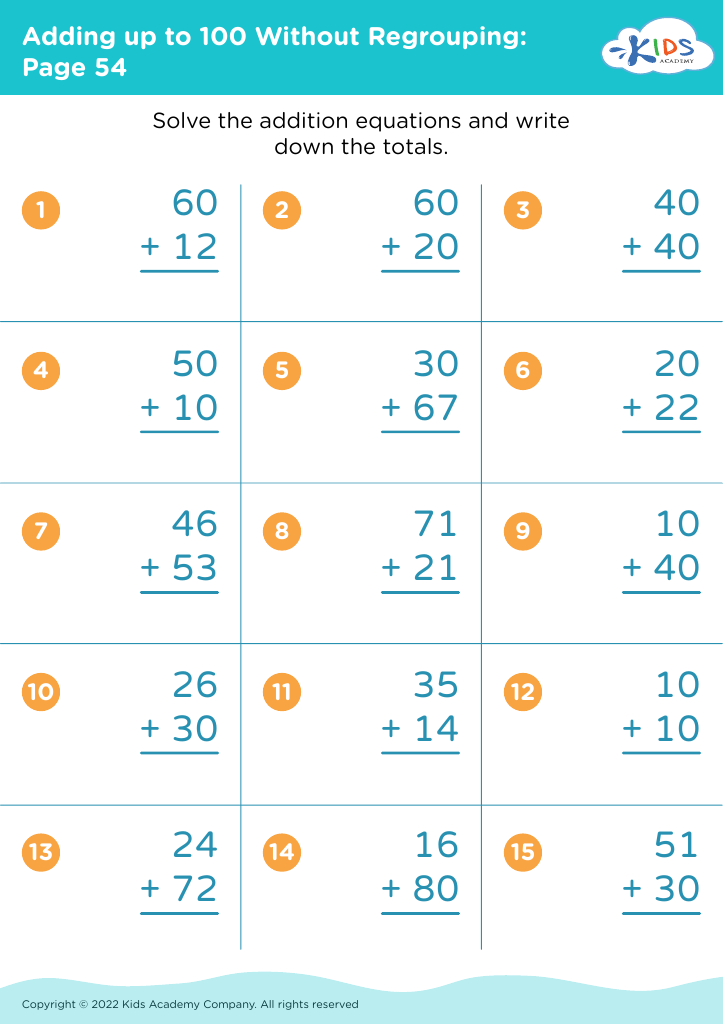
Adding up to 100 Without Regrouping: Page 54
Worksheet
Adding up to 1000 with Regrouping: Page 61
Worksheet
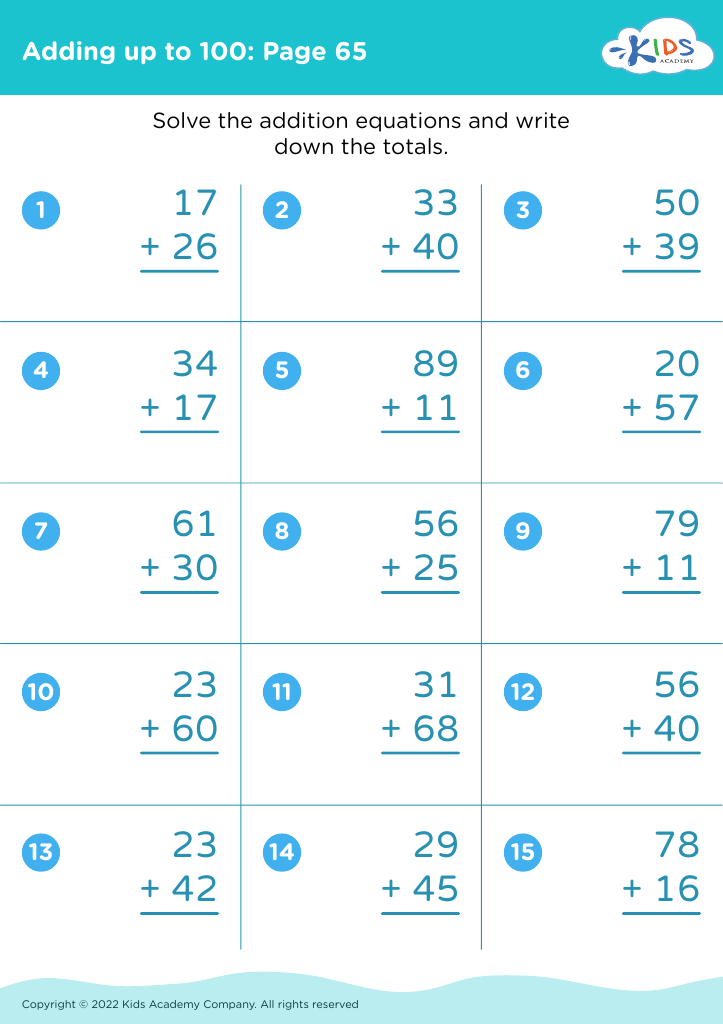
Adding up to 100: Page 65

Adding up to 100: Page 65

Adding up to 100: Page 65
Worksheet
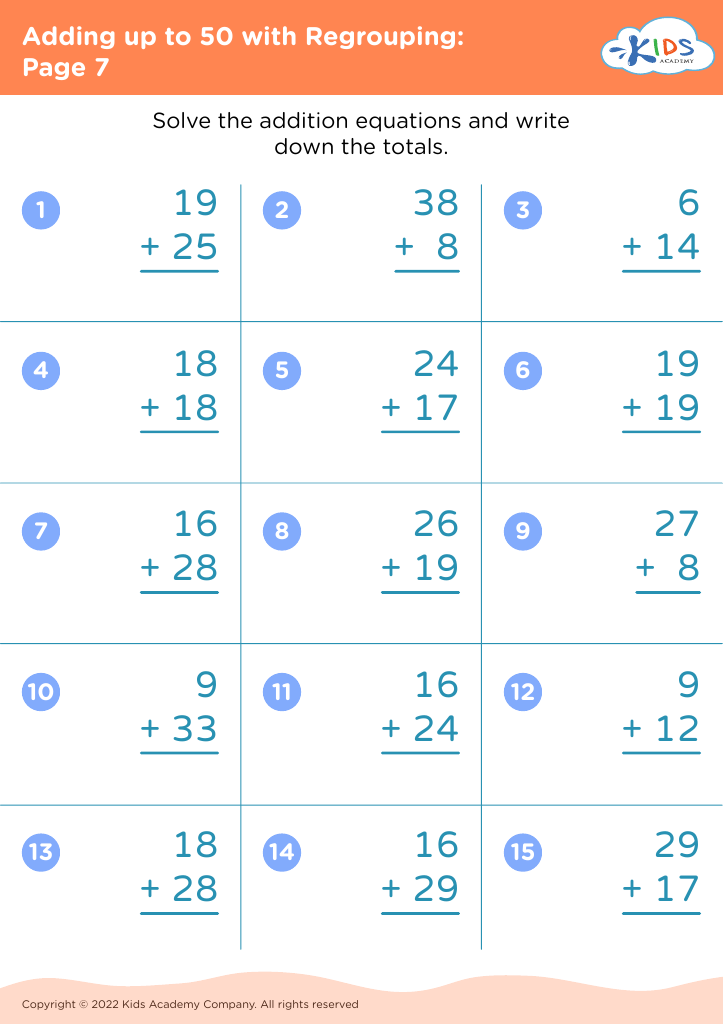
Adding up to 50 with Regrouping: Page 7
Worksheet
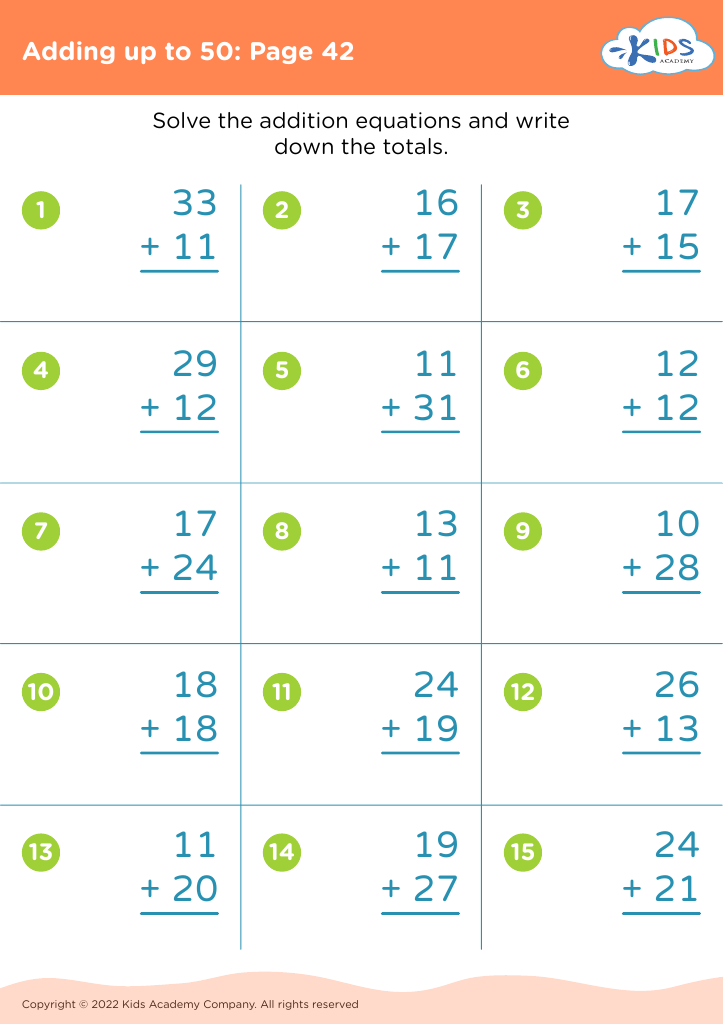
Adding up to 50: Page 42

Adding up to 50: Page 42

Adding up to 50: Page 42
Worksheet
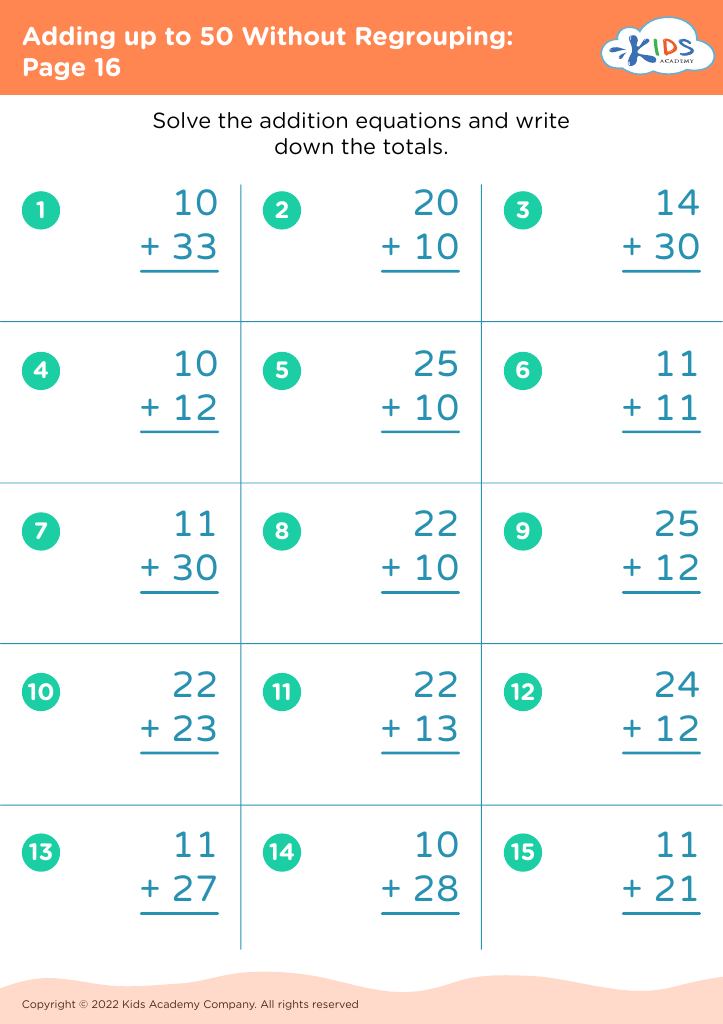
Adding up to 50 Without Regrouping: Page 16
Worksheet
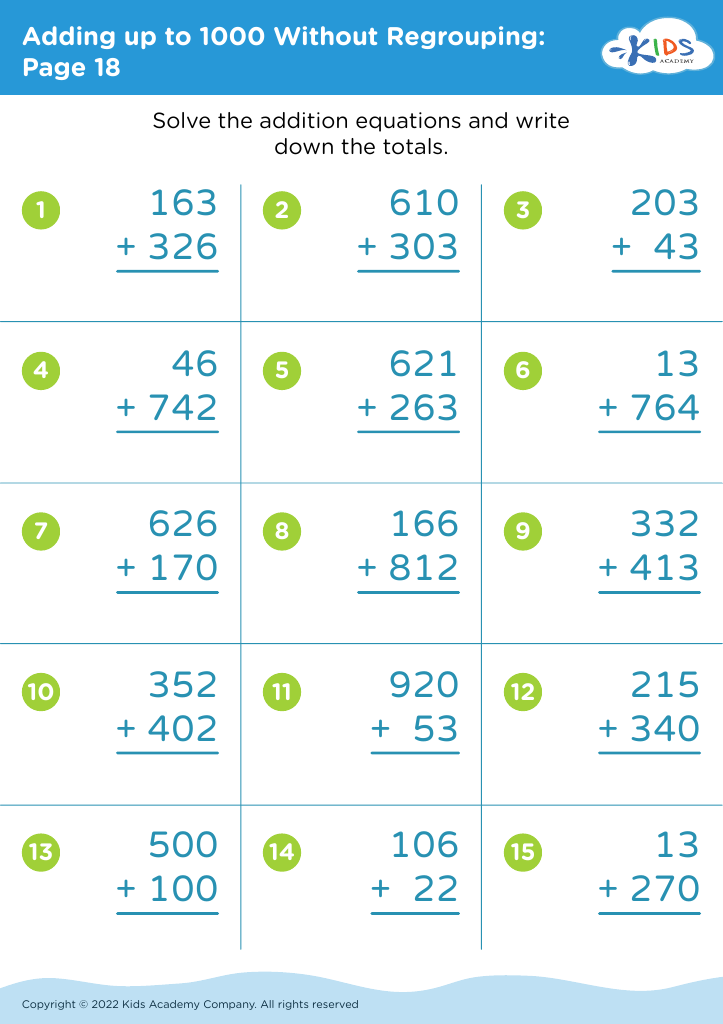
Adding up to 1000 Without Regrouping: Page 18
Worksheet
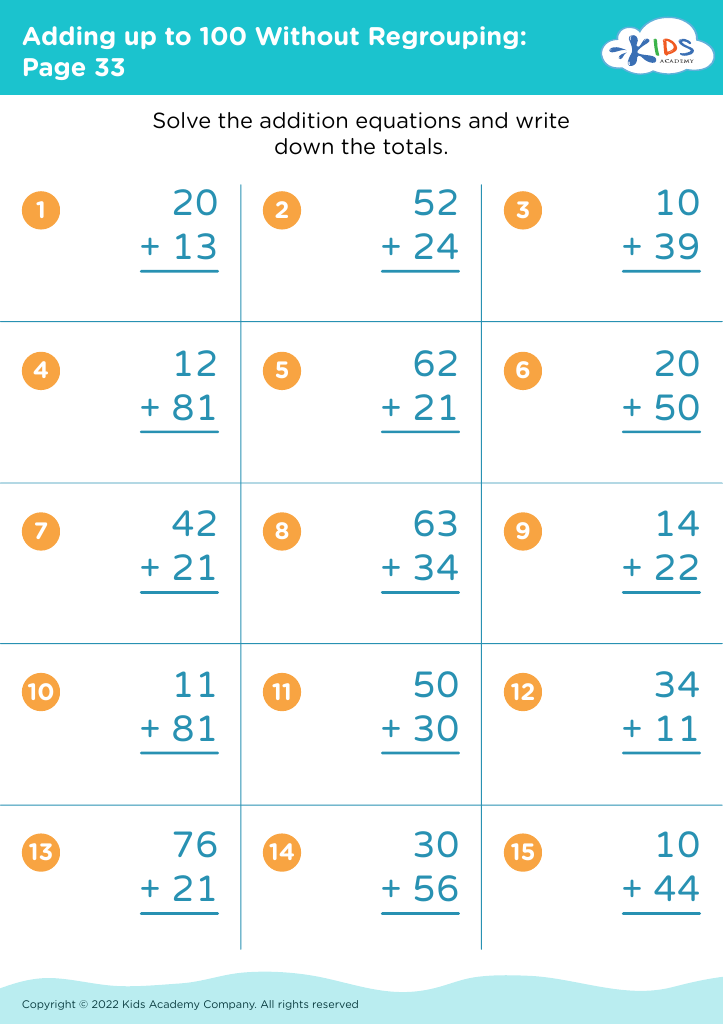
Adding up to 100 Without Regrouping: Page 33
Worksheet
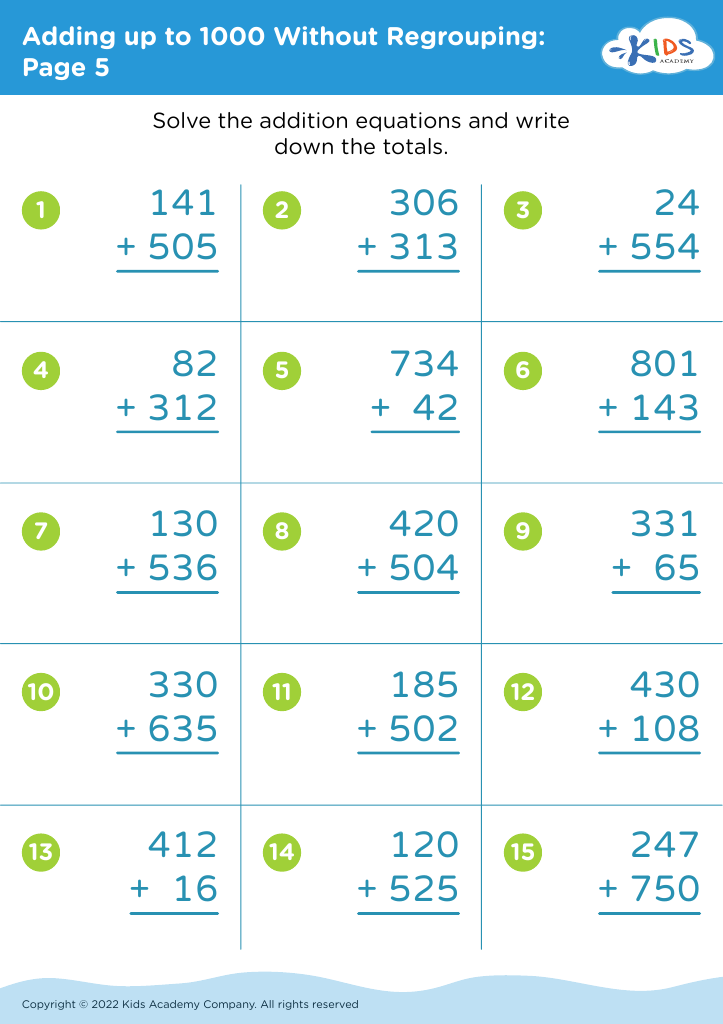
Adding up to 1000 Without Regrouping: Page 5
Worksheet
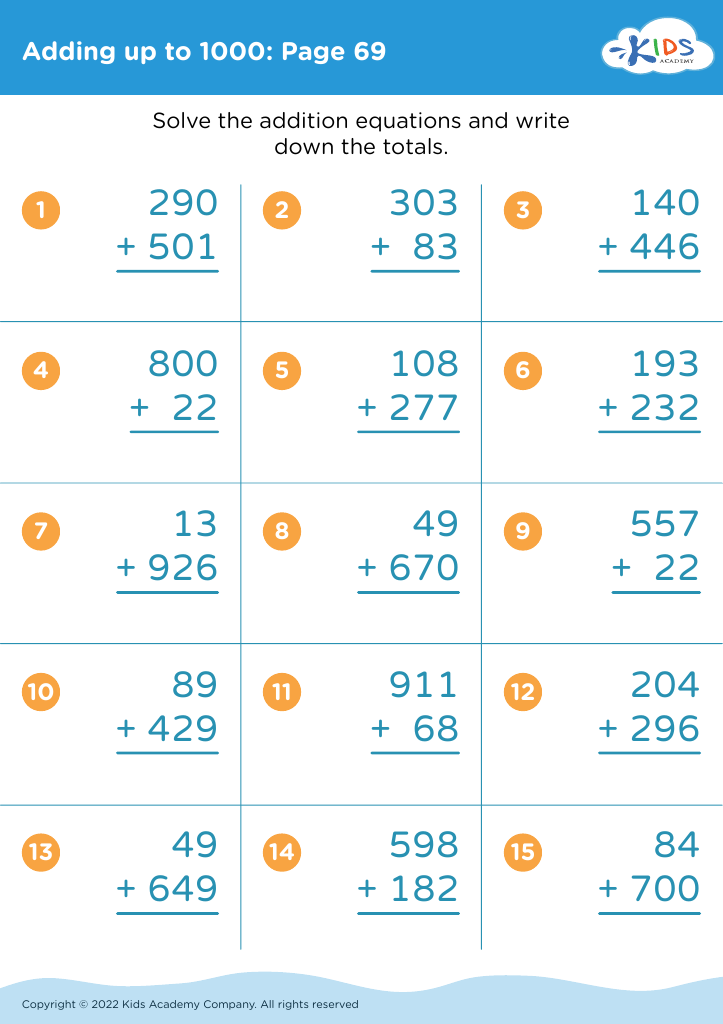
Adding up to 1000: Page 69

Adding up to 1000: Page 69

Adding up to 1000: Page 69
Worksheet
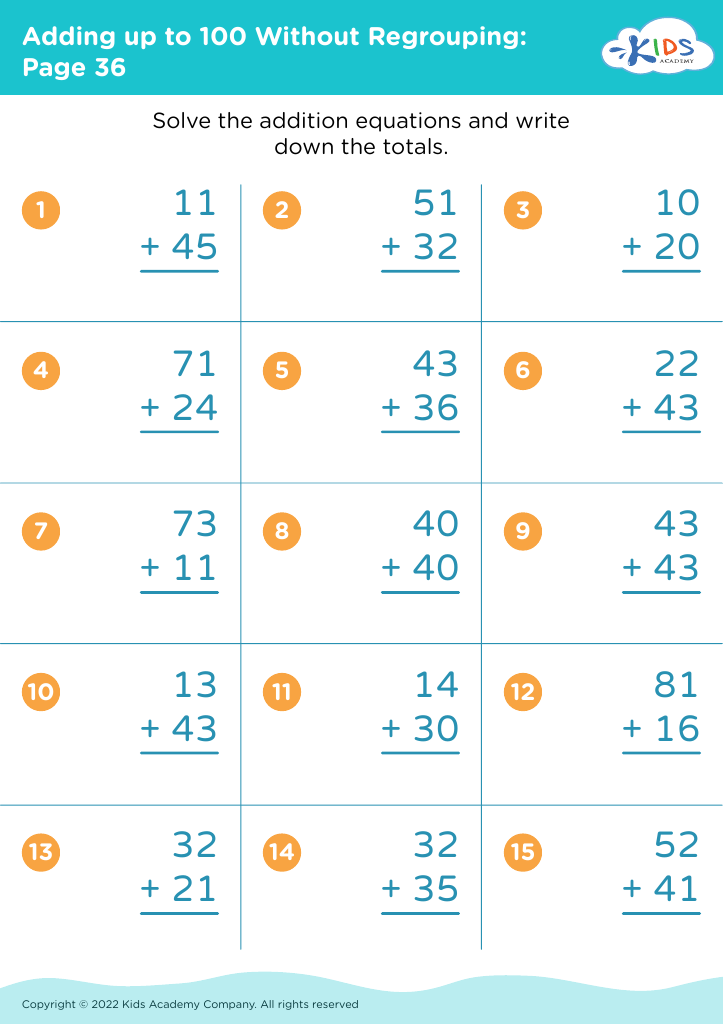
Adding up to 100 Without Regrouping: Page 36
Worksheet
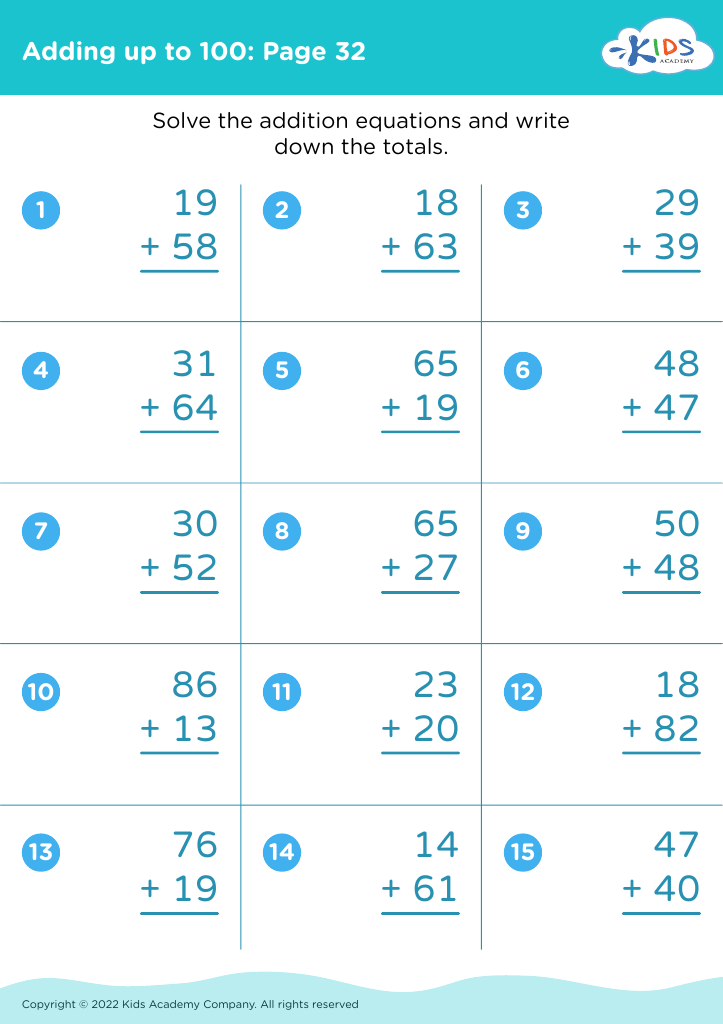
Adding up to 100: Page 32

Adding up to 100: Page 32

Adding up to 100: Page 32
Worksheet


Understanding fraction addition is crucial for 8-year-olds, laying the foundation for their mathematical development. At this age, children begin to explore more complex mathematical concepts, and mastering fractions is integral as these concepts appear frequently in higher grades and real-life situations.

Fractions represent parts of a whole, helping children grasp proportions and ratios. Engaging in fraction addition encourages critical thinking and problem-solving skills, teaching children to visualize and manipulate numbers in ways that enhance their overall numerical sense. This comprehension improves their ability to work with mixed numbers and decimals later on, essential skills for algebra and geometry.

Moreover, fractions are often encountered in everyday contexts, such as cooking, where precise measurements are vital. By understanding how to add fractions, children develop practical skills that empower them to make informed decisions in situations requiring precise calculations.

Teachers and parents play a vital role in reinforcing these concepts through supportive activities, consequently fostering a positive attitude towards math. This encouragement not only strengthens children's mathematical abilities but also builds their confidence when approaching new topics. Ultimately, understanding fraction addition becomes a stepping stone for future academic success and practical life skills.