Understanding seasons Addition Worksheets for 8-Year-Olds
3 filtered results
-
From - To
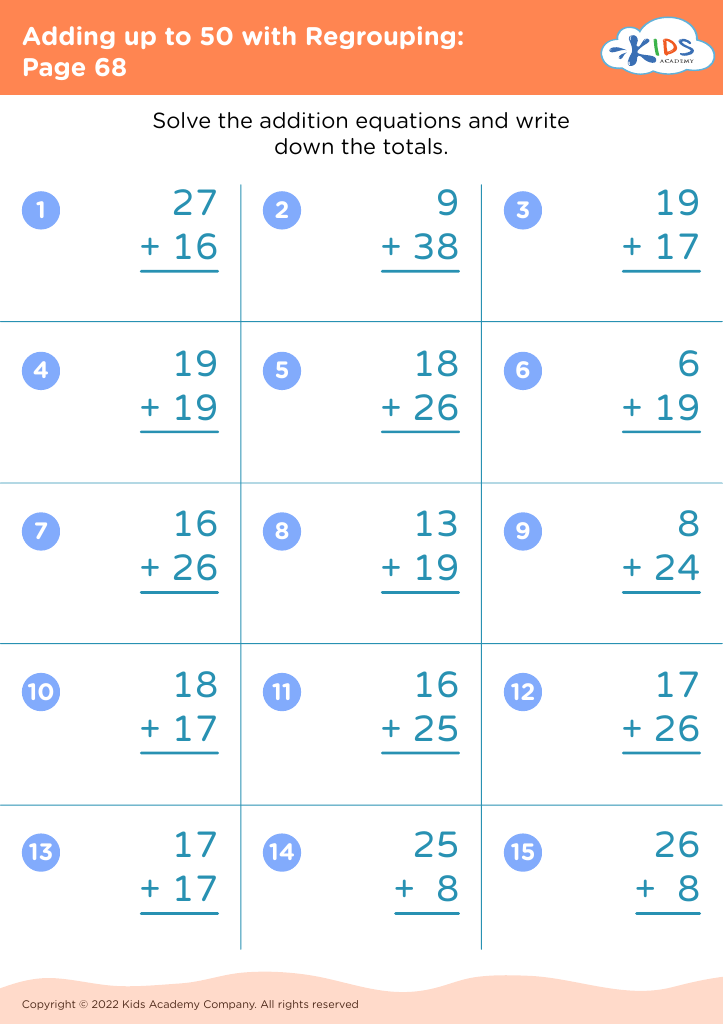
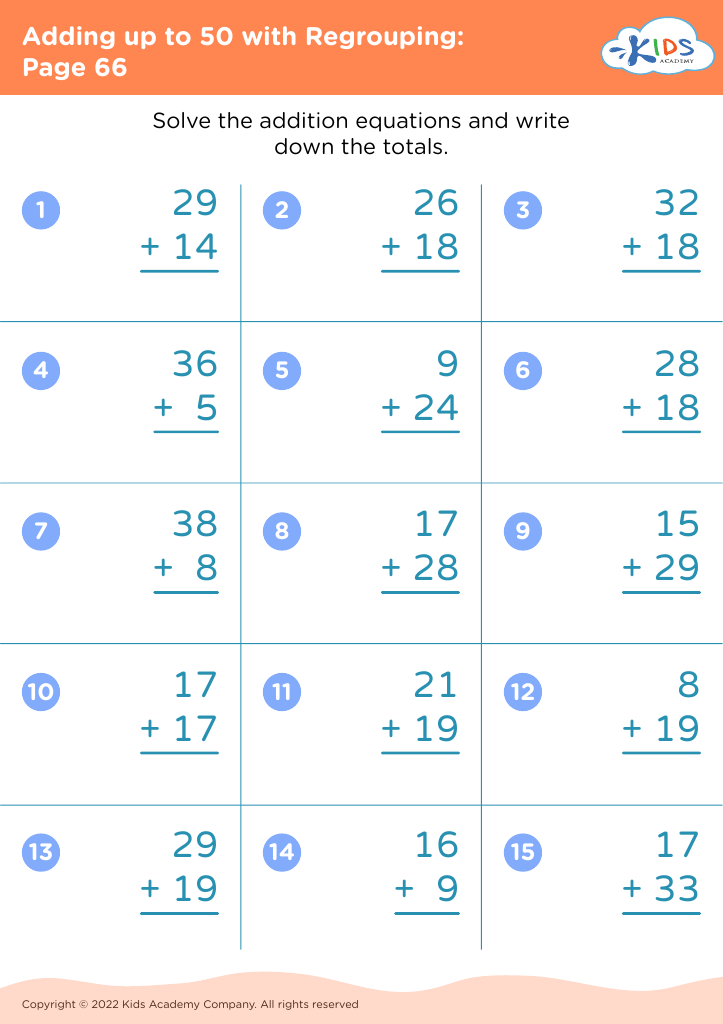
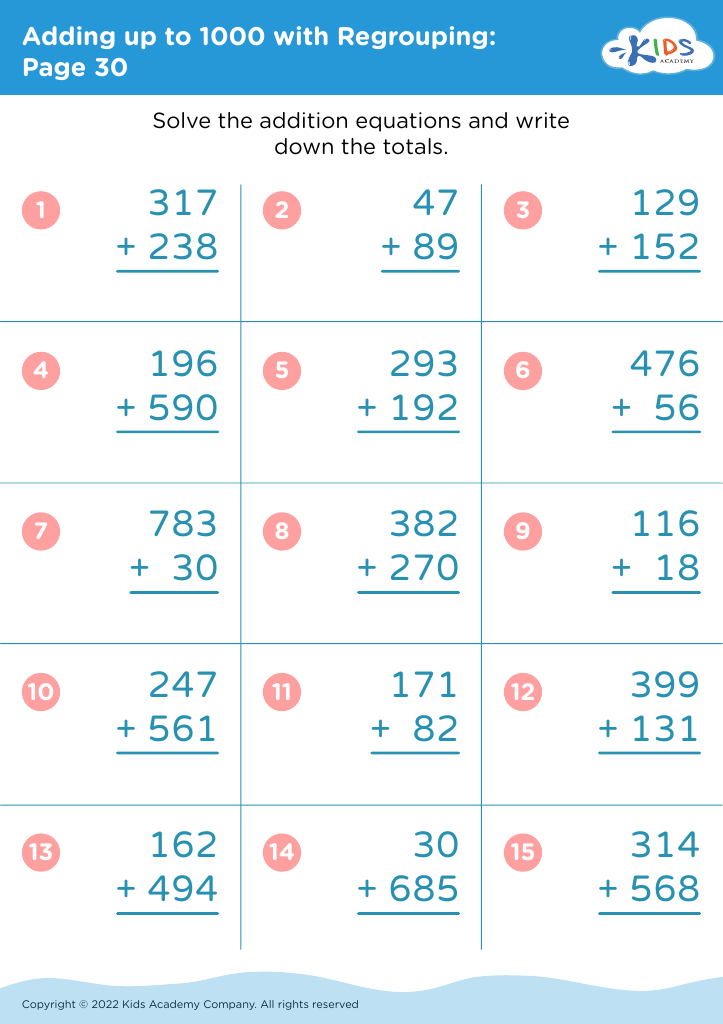
Welcome to our "Understanding Seasons Addition Worksheets for 8-Year-Olds"! These interactive worksheets are designed to engage young learners while enhancing their math skills. Focused on the fascinating theme of seasons, children will explore addition problems that incorporate seasonal images and concepts, making learning both fun and relevant. Whether it’s adding amounts of apples in an autumn harvest or counting ice cream cones in summer, each worksheet invites creativity along with critical thinking. Our user-friendly format encourages independent practice at home or in the classroom, empowering students to build confidence in their math abilities. Get started today and watch your child's skills flourish!







Understanding seasons is vital for 8-year-olds, as it connects them with the world around them. From a scientific perspective, recognizing the different seasons — spring, summer, autumn, and winter — helps children grasp the concepts of time, weather patterns, and environmental changes. This foundational knowledge can spark curiosity about nature and the planet.
Moreover, understanding seasons enriches children's practical lives. It influences daily activities, clothing choices, and holiday celebrations. For instance, parents can use seasonal changes to teach children about responsibility through tasks like raking leaves in autumn or preparing for snow in winter.
In addition, knowledge about seasons can support emotional and social development. Children learn to appreciate seasonal traditions, engage in nature activities, and identify healthy foods that are in season, which promotes a balanced diet.
For teachers and parents, facilitating discussions about seasons can enhance communication skills, as children learn to express their observations and preferences related to each time of year. Ultimately, when adults foster an understanding of seasons in children, they nurture a sense of wonder and instill lifelong appreciation for nature and its rhythms. Whether through storytelling, art, or outdoor experiences, understanding seasons equips children with essential life skills.








