Categorization skills Math Worksheets for 8-Year-Olds
6 filtered results
-
From - To
Our Categorization Skills Math Worksheets for 8-Year-Olds are expertly designed to enhance your child's analytical abilities. These engaging worksheets help students master the fundamental skill of categorization through fun, interactive exercises. With a focus on sorting, classifying, and identifying patterns, these activities stimulate critical thinking and improve problem-solving skills. Perfect for both classroom use and home practice, our worksheets cater to various learning styles, providing a comprehensive math learning experience. Unlock your child’s potential and watch them excel in math with our high-quality educational resources. Download now from Kids Academy and transform learning into an enjoyable adventure!
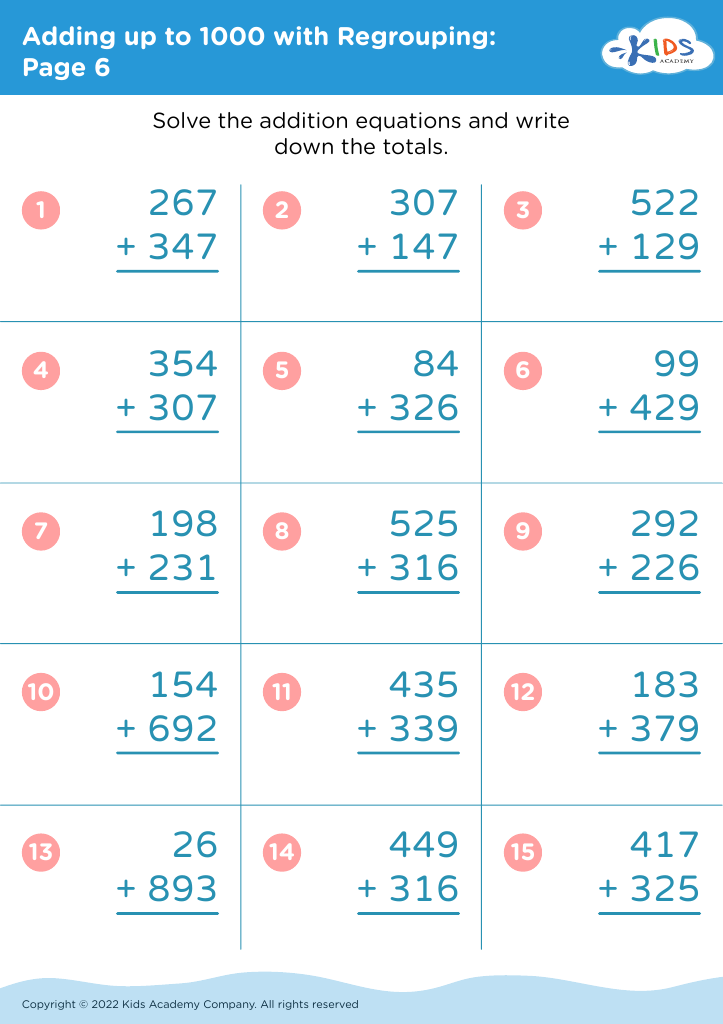
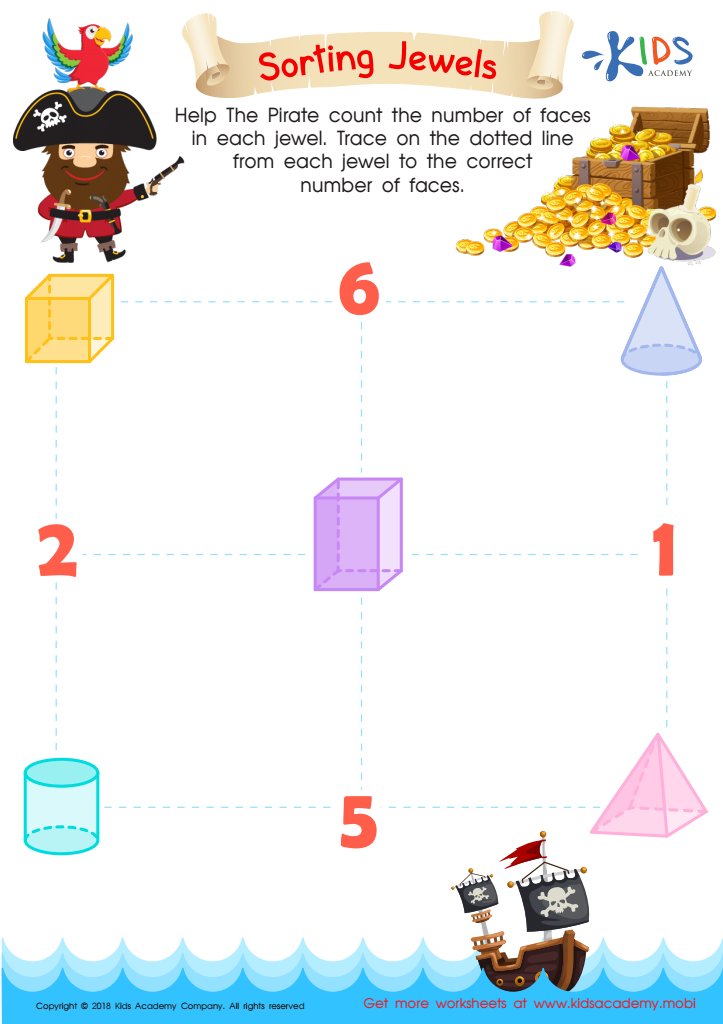
Sorting Jewels Worksheet
 Assign to My Students
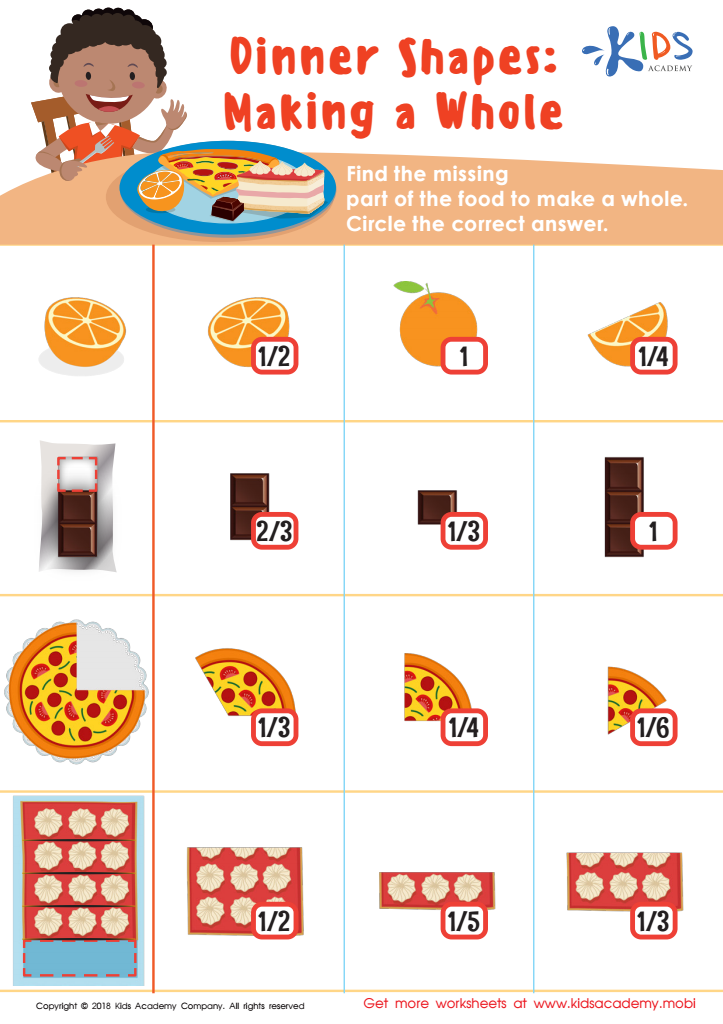
Dinner Shapes: Making a Whole Worksheet
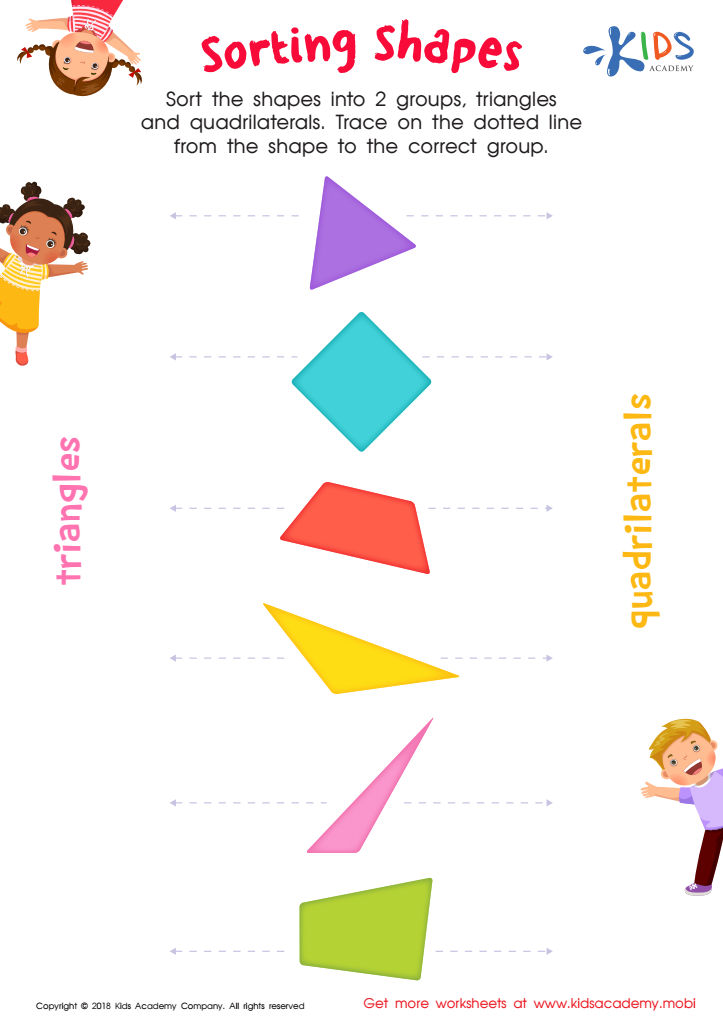
Sorting Shapes Worksheet
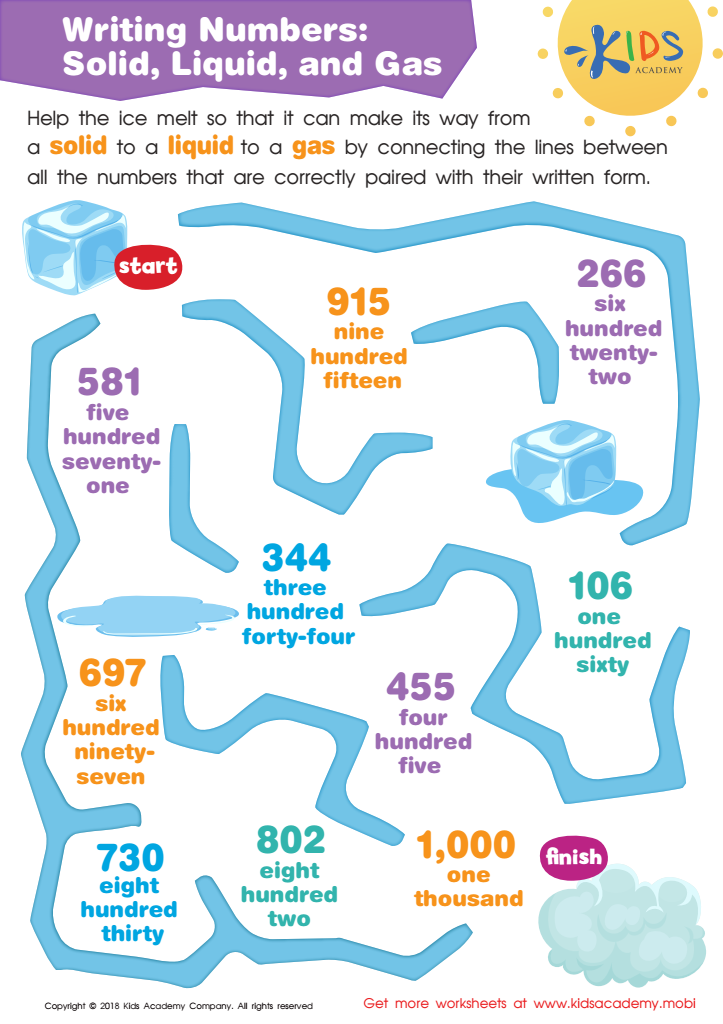
Solid, Liquid, and Gas Writing Numbers Worksheet
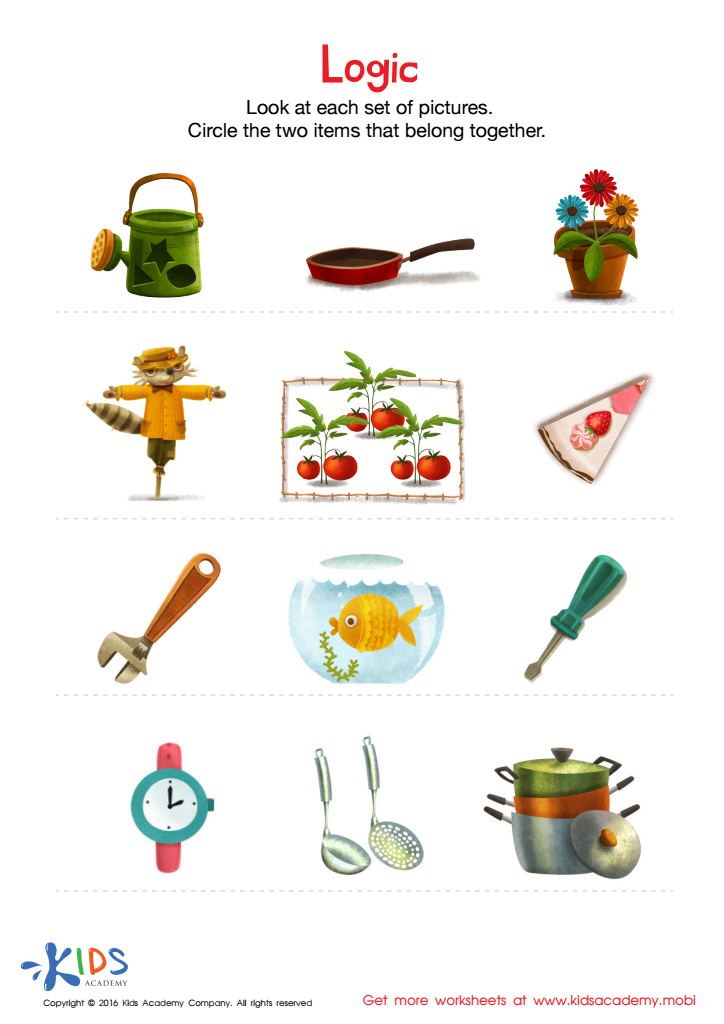
Logic Game Sorting Worksheet







Categorization skills in math are crucial for 8-year-olds as they form the foundation for more complex mathematical concepts and overall cognitive development. At this age, children who can effectively categorize objects, numbers, and shapes are better prepared to understand operations like addition, subtraction, multiplication, and division.
Developing categorization skills helps children recognize patterns, organize information, and establish logical relationships between ideas. For example, being able to group even and odd numbers or identify different shapes gives children a systematic way to approach problem-solving. These fundamental skills contribute significantly to their ability to process more advanced math concepts later on, including fractions, geometry, and algebra.
Moreover, categorization aids in enhancing memory and retrieval processes. By organizing materials into meaningful categories, children can store and recall information more efficiently, which is vital for academic success in all subjects, not just math. This ability also promotes critical thinking and decision-making, as children learn to make informed choices based on the structured classifications they understand.
Engaging 8-year-olds in categorization activities also supports language development, as discussing categories and their attributes requires descriptive vocabulary and comparative language. Ultimately, emphasizing categorization skills in math fosters a well-rounded intellectual growth that benefits children inside and outside the classroom, preparing them for future academic challenges and everyday reasoning tasks.








