
Comparing numbers Math Worksheets for 8-Year-Olds
4 filtered results
Difficulty Level
Grade
Age
-
From - To
Subject
Activity
Standards
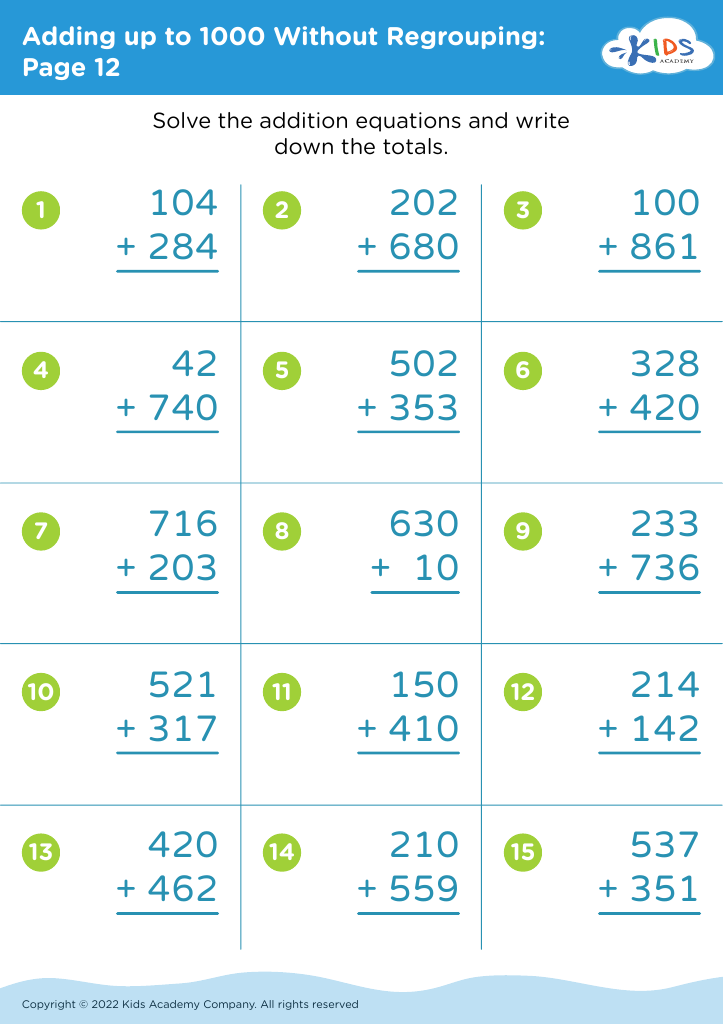
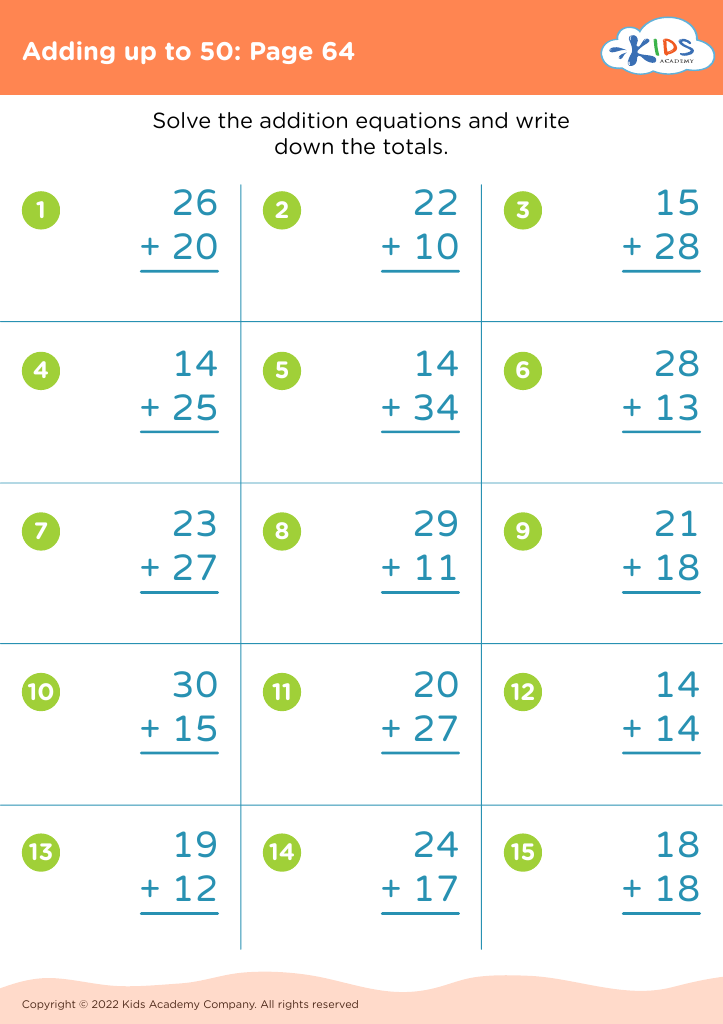
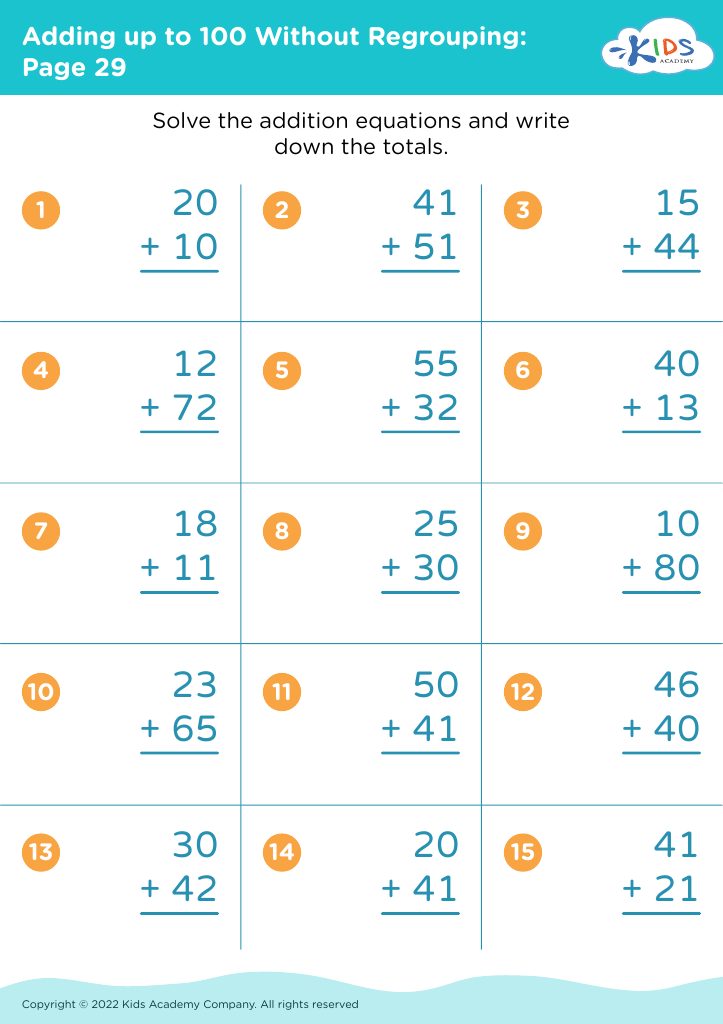
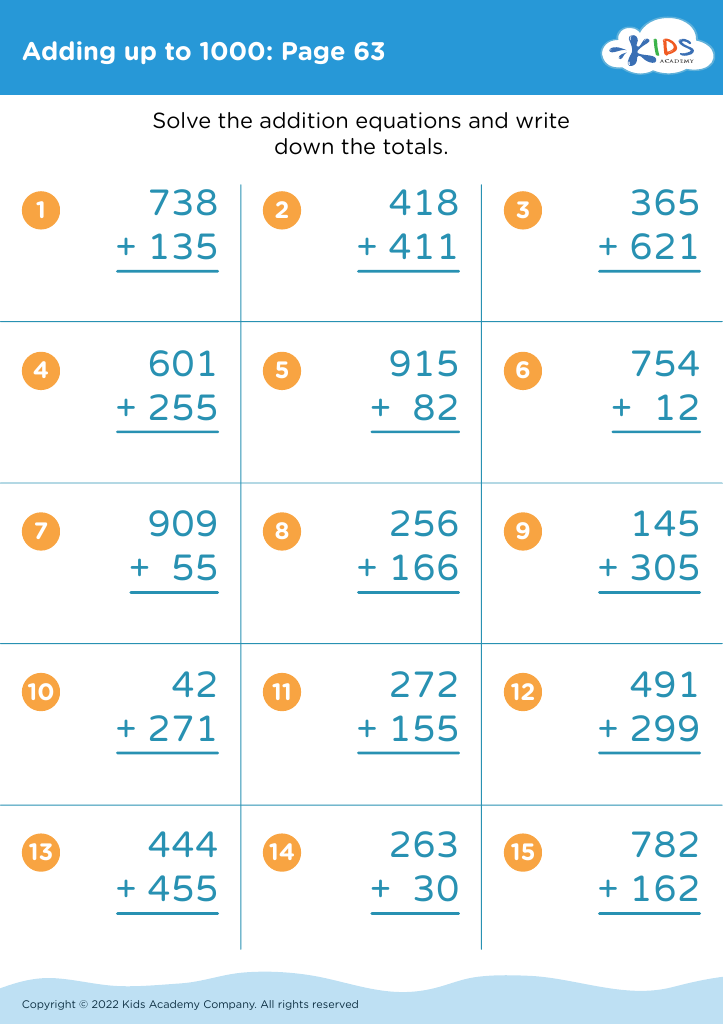
Welcome to our engaging Comparing Numbers Math Worksheets for 8-year-olds! Designed to enhance numerical understanding and strengthen critical thinking, these worksheets provide an exciting way for children to learn how to compare different numbers. Students will find activities that help them identify greater than, less than, and equal to, making math fun and interactive. Our resources support core math skills through colorful illustrations and age-appropriate challenges that encourage practice and mastery. Perfect for classroom instruction or at-home learning, these worksheets are a great way to build confidence and competence in math. Start comparing numbers today and watch your child's skills grow!
Favorites
With answer key
Interactive
Join Kids Academy for Free
Who is primarily going to use this learning content?



.jpg)




Understanding how to compare numbers is crucial for 8-year-olds as it forms the foundation for more complex mathematics in the future. At this stage, children are transitioning from simple arithmetic to more sophisticated concepts. This skill promotes critical thinking, helping them discern greater or lesser values. Being able to compare numbers boosts their problem-solving abilities, as children often need to assess different quantities in real-world situations, such as budgeting, shopping, or measuring.
Additionally, comparing numbers enhances numerical fluency, an essential component for mathematical literacy. This skill aids in understanding place value and enhances mental math capabilities, allowing children to make quick estimations. For parents and teachers, focusing on this concept encourages engagement in daily activities and discussions about quantity, encouraging a sense of curiosity and exploration in mathematics.
Moreover, developing a strong grasp of number comparison sets the groundwork for future math topics such as fractions, decimals, and introductory statistics. As children become comfortable with comparing numbers, they gain confidence in their math skills, fostering a positive attitude toward learning. Consequently, parents and teachers play a vital role in supporting this essential aspect of mathematics, shaping the mathematical mindset of the next generation.








