Develop analytical thinking Math Worksheets for 8-Year-Olds
3 filtered results
-
From - To
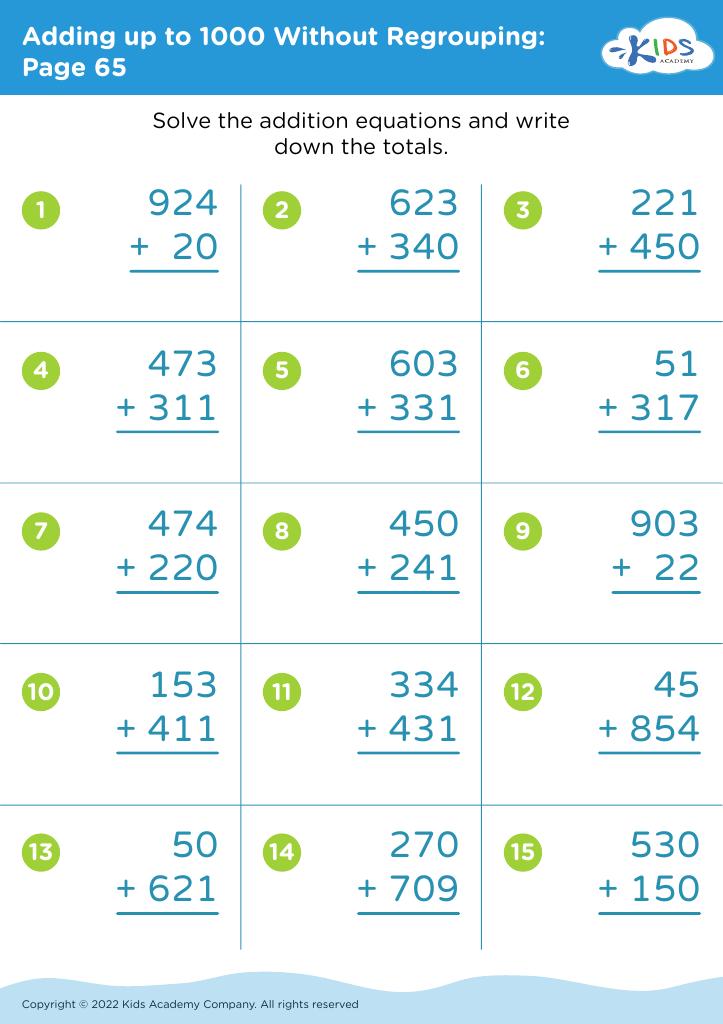
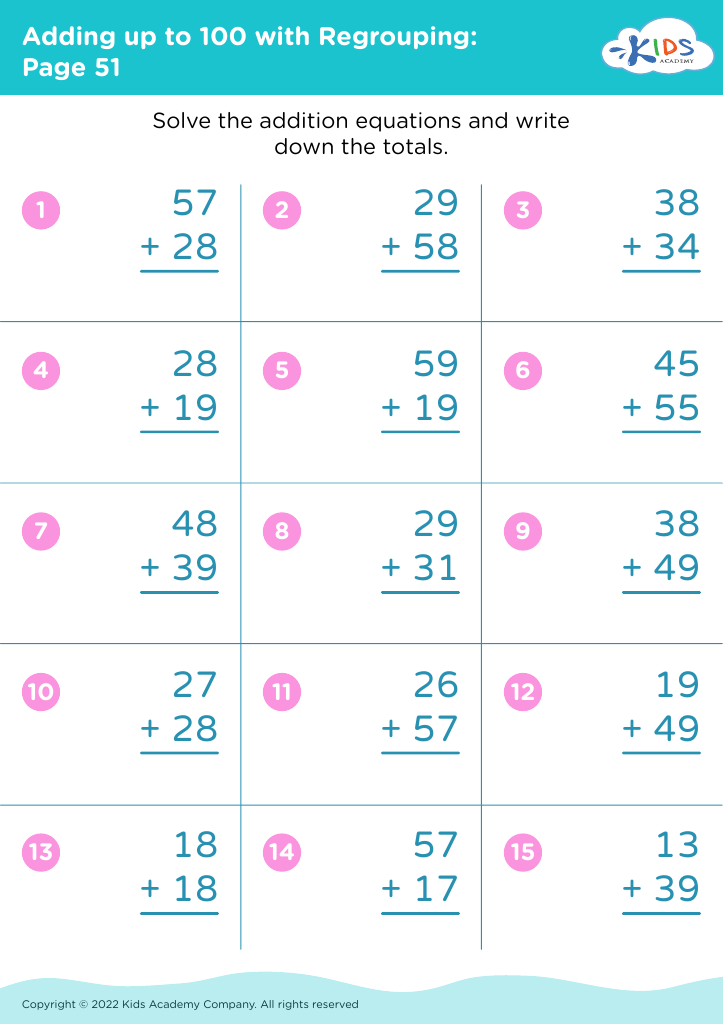
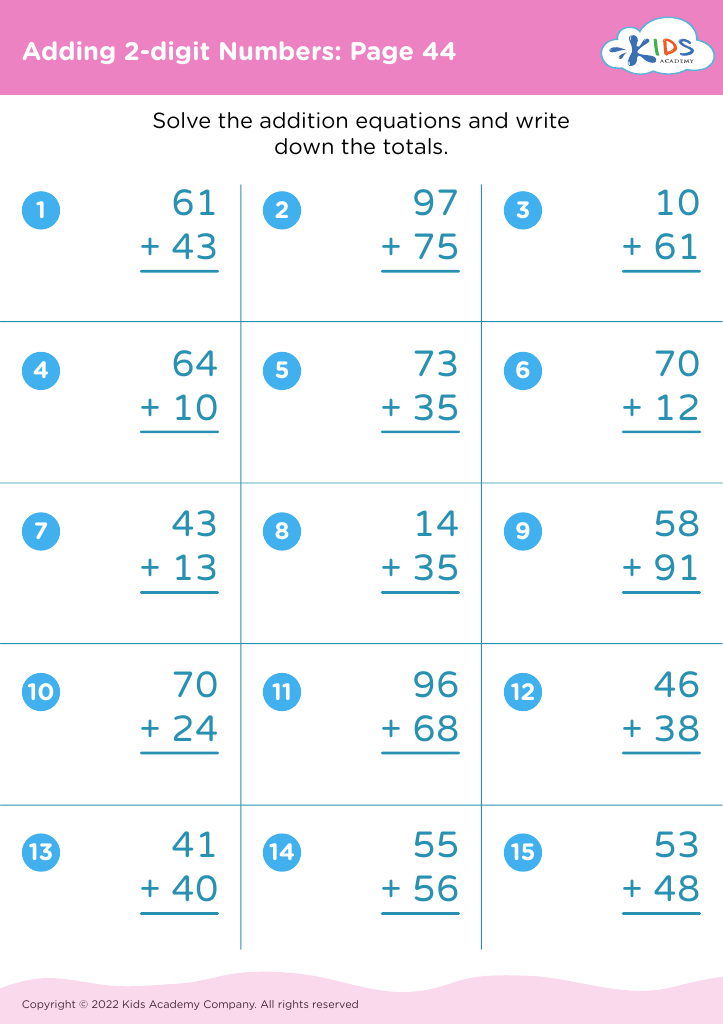
Explore our collection of analytical thinking math worksheets designed specifically for 8-year-olds! These engaging activities help young learners enhance their problem-solving abilities, logical reasoning, and critical thinking skills in a fun and interactive way. The worksheets are crafted to challenge students with a variety of thought-provoking questions and puzzles that stimulate their cognitive skills. By integrating relatable scenarios and colorful visuals, we ensure learning remains enjoyable. Perfect for both parents and teachers, these worksheets serve as excellent tools for reinforcing math concepts and fostering a deeper understanding. Start developing your child's analytical thinking today with our printable resources!







Developing analytical thinking in math for 8-year-olds is crucial for several reasons. First, this age group is at a pivotal stage in their cognitive development where they begin to think more critically and logically. By fostering analytical thinking in math, we equip children with the skills to solve problems effectively. This foundational skill will serve them not just in math, but across various subjects and real-life situations as they encounter complex scenarios.
Second, analytical thinking promotes independence and confidence. When children learn to approach problems methodically, they develop resilience and the ability to tackle challenges on their own. This sense of self-efficacy translates into other areas, encouraging them to take academic risks and engage more fully in their education.
Furthermore, strong analytical skills enhance students' performance in standardized tests and classroom assessments. This not only shows them the importance of math but also lays a groundwork for future advanced mathematical concepts. Parental and teacher involvement is essential, as they can create an environment that encourages exploration and critical questioning, reinforcing the value of analytical thinking. Ultimately, nurturing these skills in young learners cultivates thoughtful, resourceful individuals prepared to navigate the complexities of the world.








