Recognizing shapes Math Worksheets for 8-Year-Olds - Page 2
33 filtered results
-
From - To
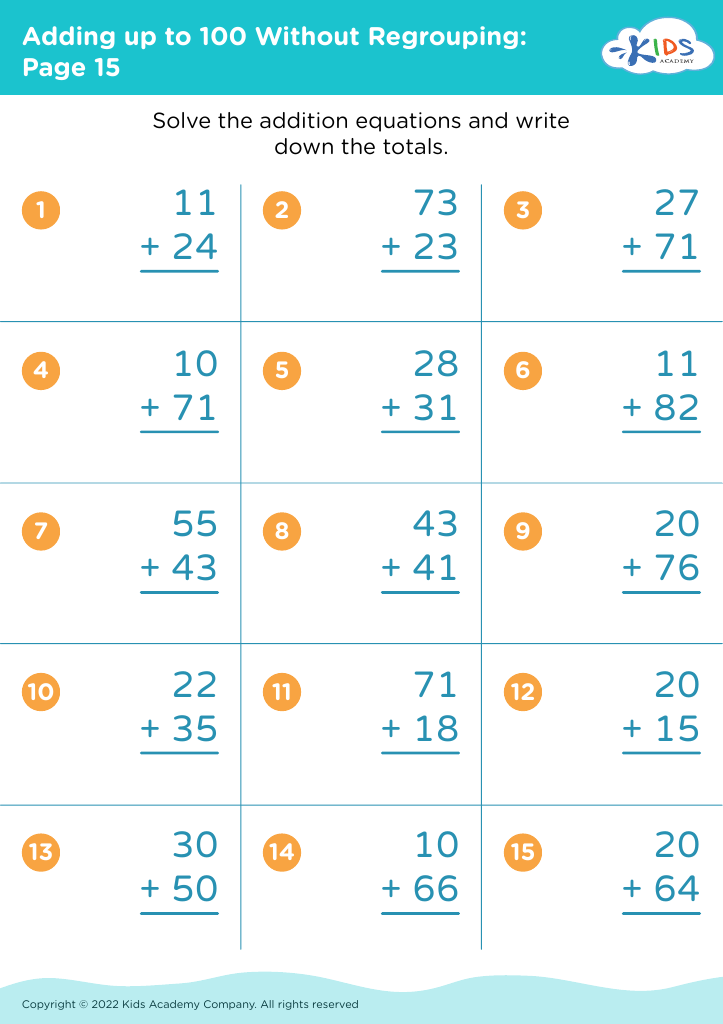
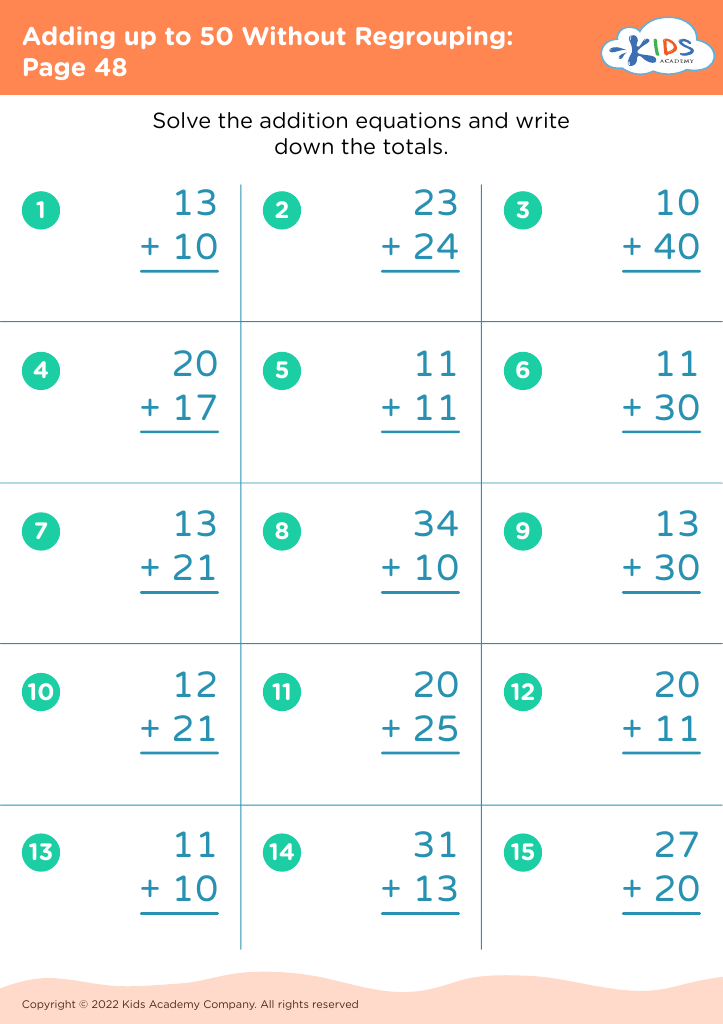
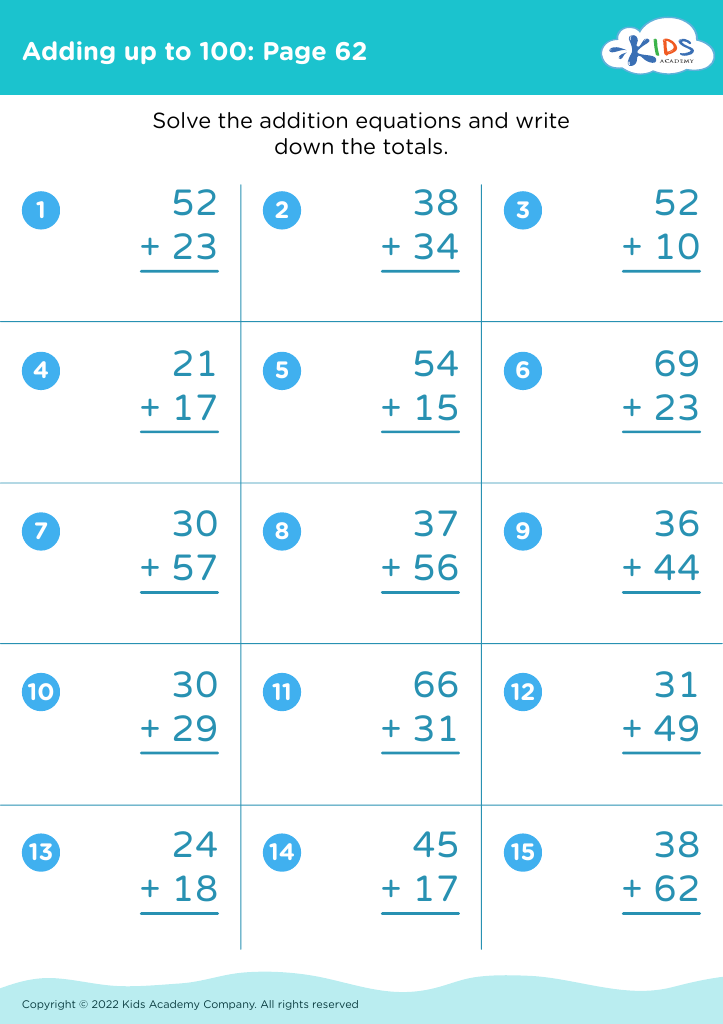
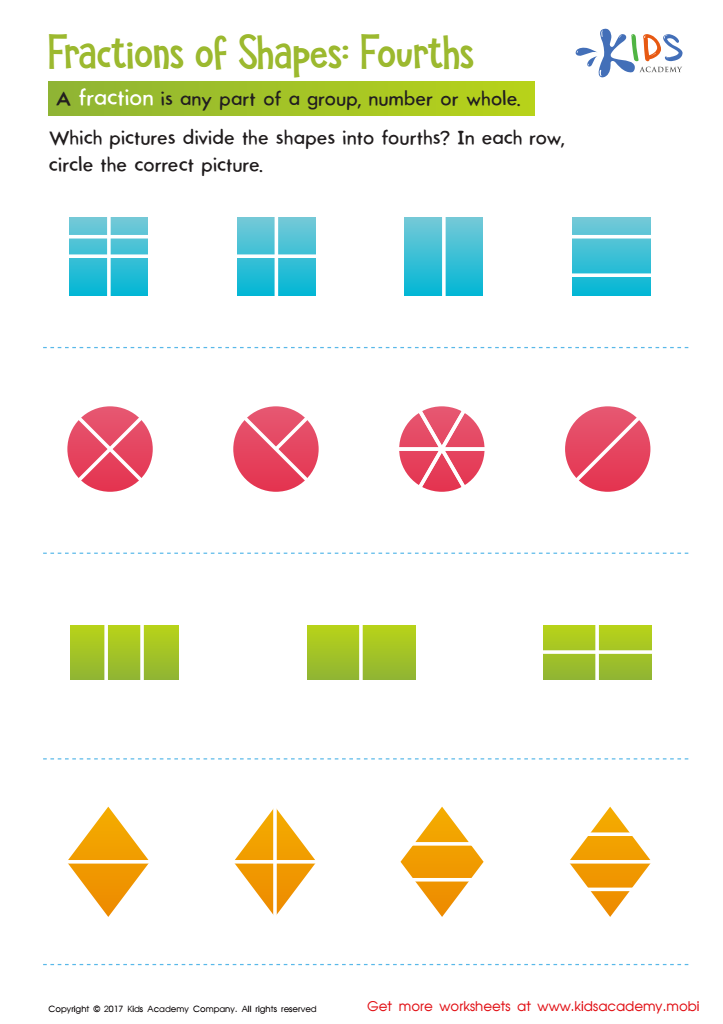
Fractions of Shapes Worksheet
 Assign to My Students
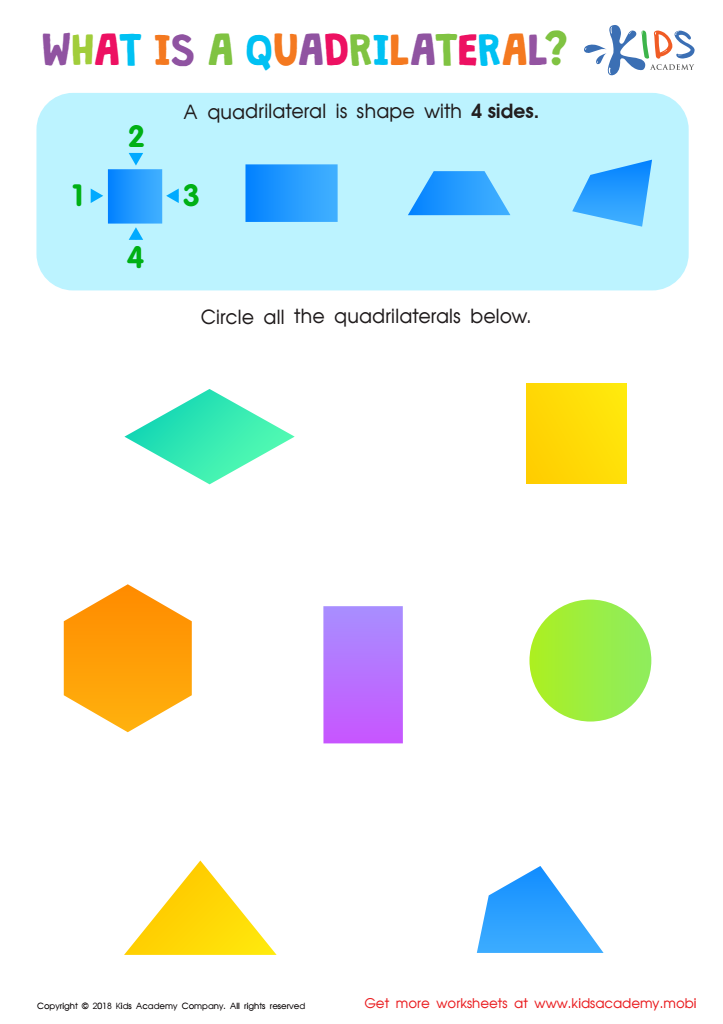
What Is a Quadrilateral? Worksheet






Recognizing shapes is a fundamental skill in mathematics that significantly impacts an 8-year-old's cognitive development. For parents and teachers, fostering this ability is crucial for several reasons. First, shape recognition forms the bedrock of more advanced mathematical concepts, including geometry, spatial reasoning, and problem-solving. Early familiarity with shapes prepares children to understand more complex dimensions and measurements in later grades.
Additionally, recognizing shapes enhances a child’s visual and spatial awareness, skills essential for daily tasks such as reading maps, understanding diagrams, and even engaging in physical activities and sports. It promotes critical thinking as children learn to classify objects, see relationships, and make connections between different mathematical concepts.
Furthermore, recognizing shapes supports language development. As children describe shapes using appropriate vocabulary—like "triangle," "rectangle," or "circular"—they develop communication skills that are important across all subjects.
Lastly, integrating shape recognition into educational activities fosters a love for learning. Engaging games and hands-on experiences make math enjoyable, helping to build a positive attitude toward education and encouraging a lifelong love for learning. Thus, parents and teachers play a pivotal role in shaping a child's future success by emphasizing the importance of recognizing shapes.








