Telling time Math Worksheets for 8-Year-Olds
3 filtered results
-
From - To
Enhance your child's understanding of time with our engaging Telling Time Math Worksheets designed for 8-year-olds! These printable resources offer a variety of activities that challenge young learners to read analog and digital clocks, understand time intervals, and solve time-related problems. Featuring colorful illustrations and fun, relatable scenarios, our worksheets captivate children's attention while reinforcing critical math skills. Ideal for home study or classroom use, these activities will build confidence and mastery in telling time. Download our worksheets today to help your child become adept at managing time, an essential life skill for their future!
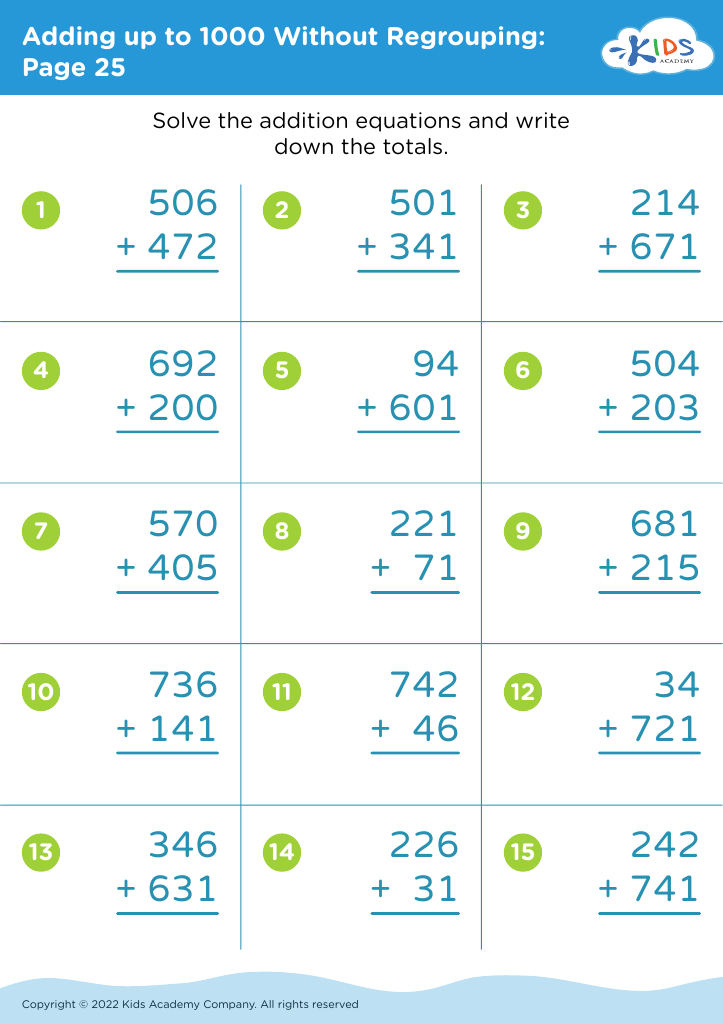
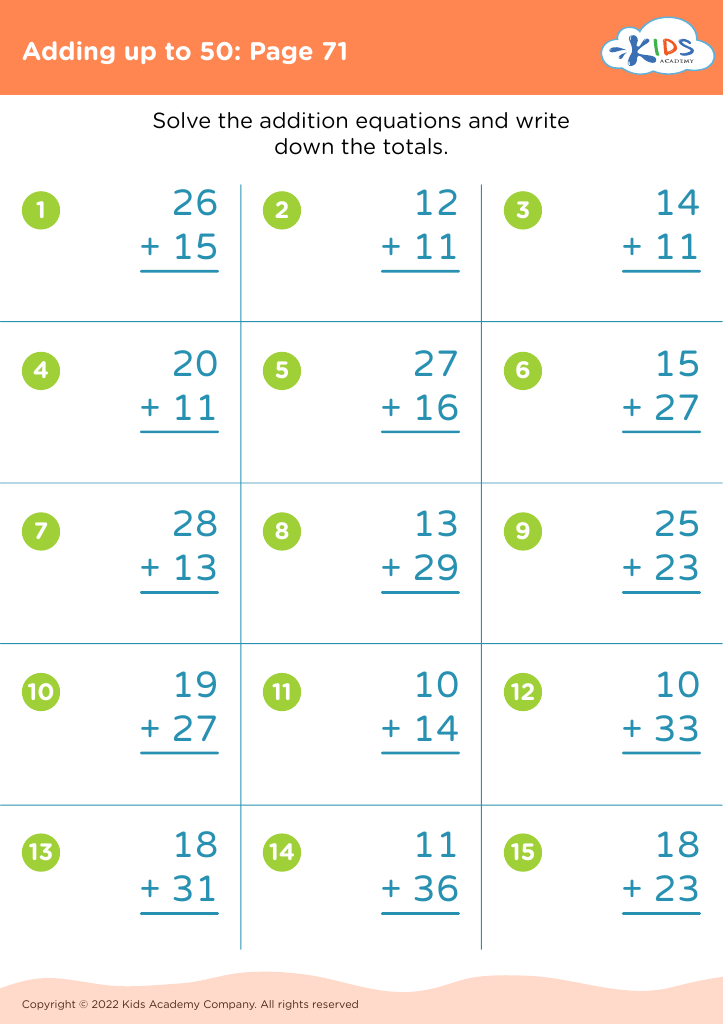
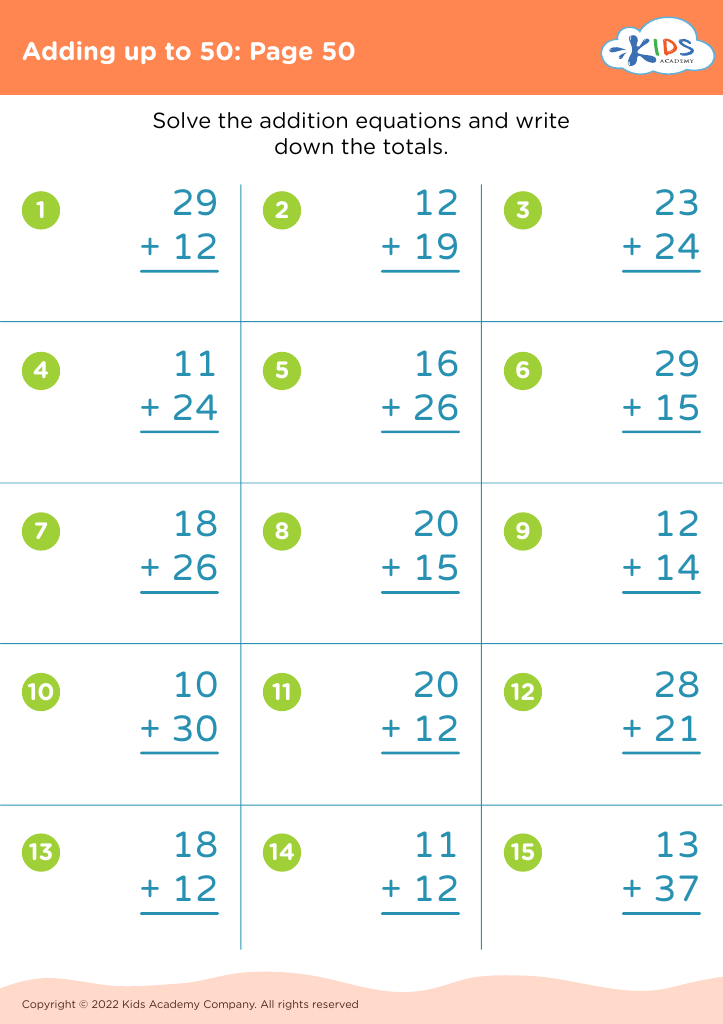






Teaching 8-year-olds to tell time is crucial for their cognitive development and everyday functioning. At this age, children are gaining independence and starting to manage their schedules, so understanding time helps them grasp the concept of organization. Learning to read clocks, both analog and digital, enhances critical thinking and spatial reasoning skills as they associate numbers with their corresponding positions on a clock face.
Moreover, telling time independently fosters responsibility. Children begin to understand punctuality and the importance of being on time for activities, which builds their self-discipline and time management skills. This knowledge also facilitates a sense of routine and belonging, as they can follow daily activities such as school, meals, and bedtime more effectively.
In addition, time-telling provides a practical application of math skills. It integrates different mathematical concepts such as counting, multiplication (when calculating hours and minutes), and fractions (understanding how to halve and quarter hours). Engaging with time-related activities can stimulate interest in math while preparing them for more complex concepts in the future. By valuing time-telling skills, parents and teachers not only equip children for daily life but also inspire a lifelong appreciation for mathematics.








