
Understand patterns Math Worksheets for 8-Year-Olds
6 filtered results
Difficulty Level
Grade
Age
-
From - To
Subject
Activity
Standards
Unlock the fun of learning with our "Understand Patterns Math Worksheets for 8-Year-Olds". Designed by educational experts, these engaging worksheets help children grasp the concept of patterns through interactive exercises and creative problem-solving. Each worksheet offers a mix of simple and complex patterns that promote critical thinking and foundational math skills. Perfect for enhancing classroom learning or extra practice at home, our resources make mastering math concepts enjoyable and accessible. Dive into the world of patterns and watch your child's confidence in math grow! Visit Kids Academy to explore our diverse collection of carefully crafted worksheets.
Favorites
With answer key
Interactive
Join Kids Academy for Free
Who is primarily going to use this learning content?





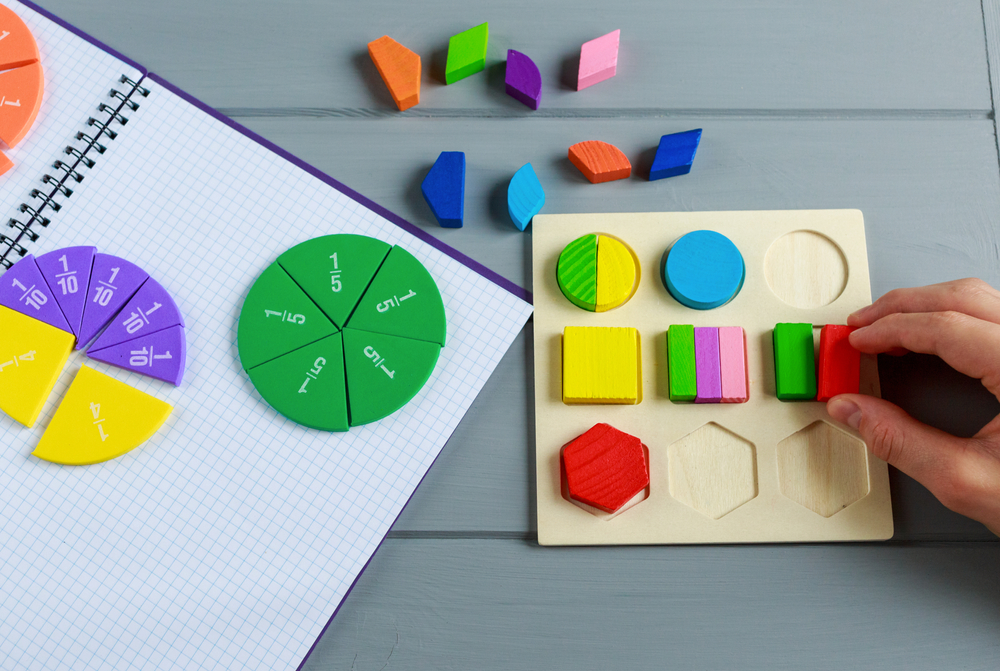


Understanding patterns is vital for 8-year-olds as it lays the foundation for mathematical thinking and problem-solving. Patterns are the building blocks of math, evident in sequences, shapes, and numbers, and recognizing them helps children develop critical thinking and analytical skills.
For parents and teachers, fostering an understanding of patterns contributes to a child's overall cognitive development. First, patterns enhance a child's ability to predict and make connections, skills essential for more complex mathematical concepts like addition, subtraction, multiplication, and division. Secondly, recognizing and understanding patterns aids in language acquisition and comprehension, since language itself is based on patterns of sounds, letters, and syntax.
Engaging with patterns also boosts memory and organizational skills. When children learn to identify and create patterns, they become better at recalling sequences of information, which is useful not only in math but in daily life activities and other academic subjects. Furthermore, pattern recognition can be fun and creative, encouraging a love for learning that is crucial at this age.
In conclusion, parents and teachers should care about developing pattern recognition skills in 8-year-olds. This enhances their logic, reasoning, and cognitive abilities, building a firm foundation for academic success and daily problem-solving.








