Understanding graphs Math Worksheets for 8-Year-Olds
3 filtered results
-
From - To
Explore our "Understanding Graphs Math Worksheets" specially designed for 8-year-olds! These engaging worksheets help young learners grasp essential graphing skills, building their confidence in mathematics. Through a variety of visual aids and interactive exercises, children will learn to read and interpret different types of graphs, including bar graphs, line graphs, and picture graphs. Each worksheet promotes critical thinking and encourages students to analyze data effectively. Perfect for home or classroom use, these worksheets make learning fun and accessible while preparing kids for future math concepts. Start your child's journey into the world of graphs today with our comprehensive resources!
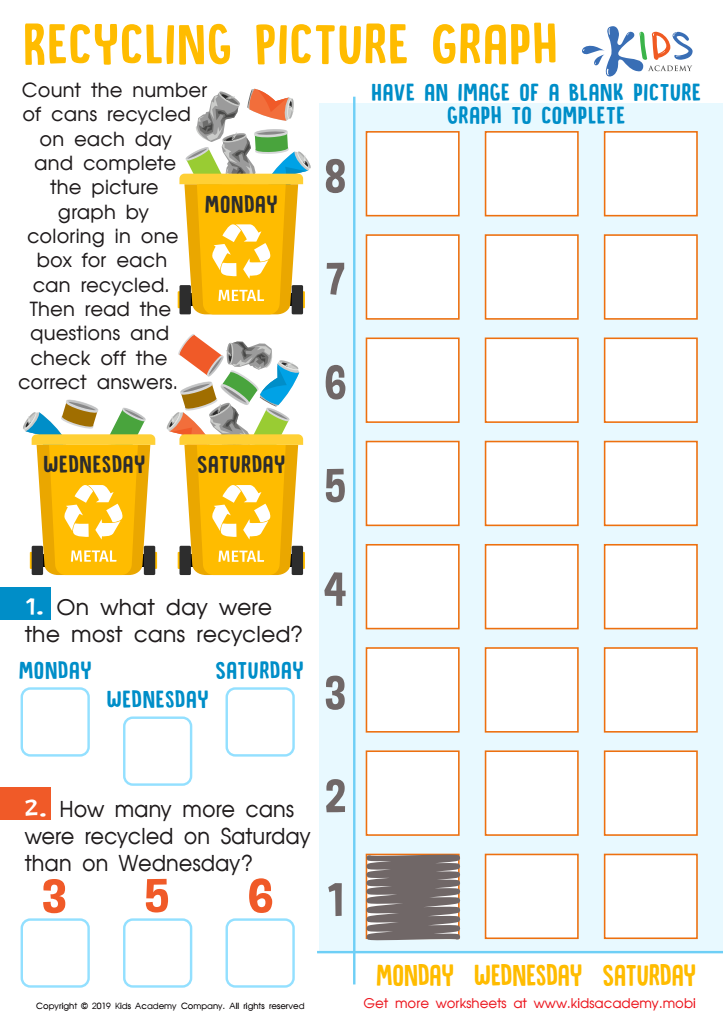
Recycling Picture Graph Worksheet
 Assign to My Students
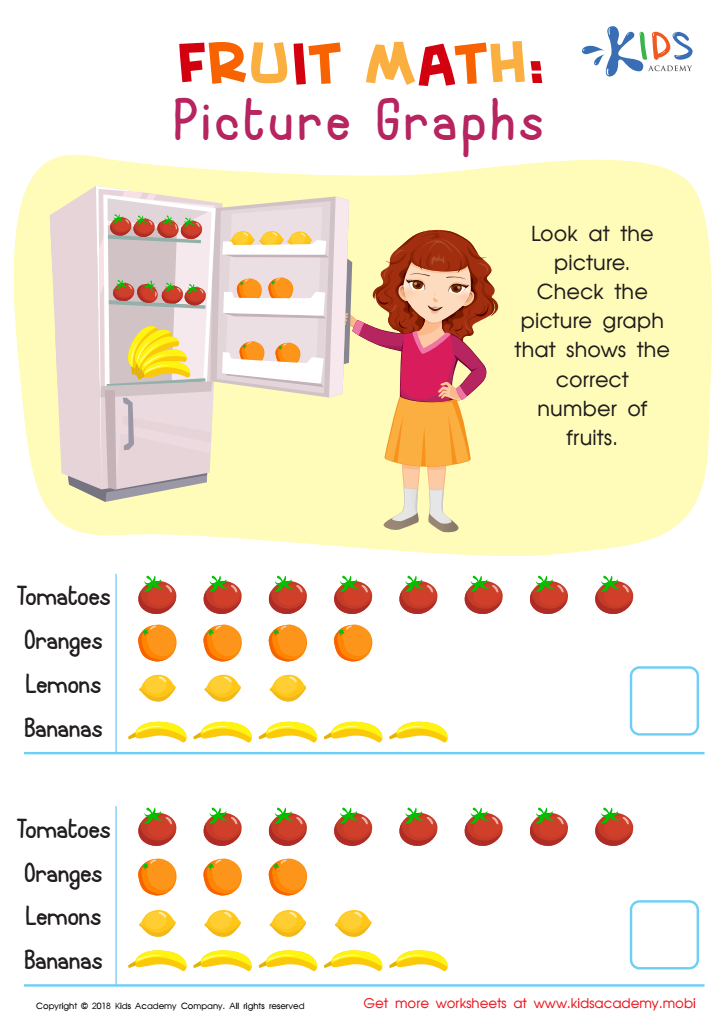
Fruit Math: Picture Graphs Worksheet
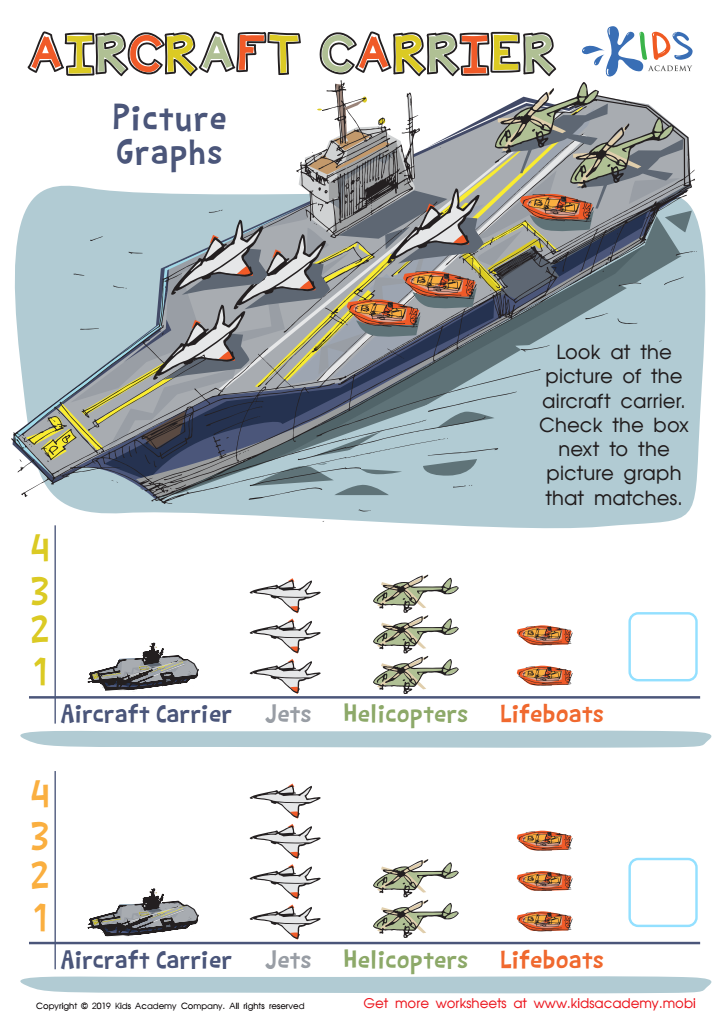
Aircraft Carrier Picture Graphs Worksheet



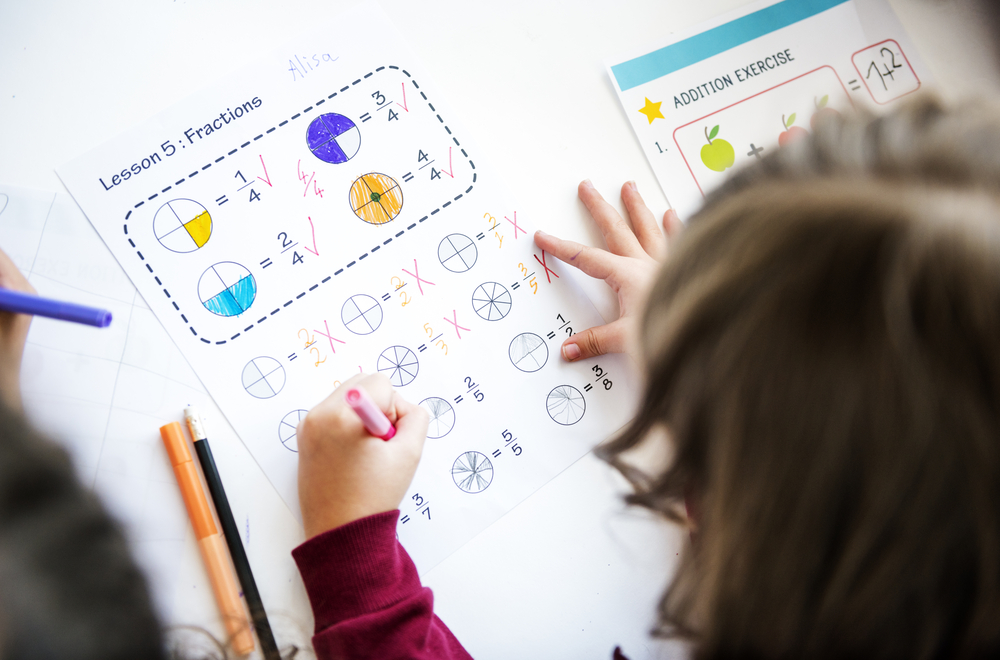




Understanding graphs is a crucial skill for 8-year-olds that extends beyond math class, impacting their overall educational development and daily lives. First, graphs visually represent data, making complex information easier to understand. When children learn to interpret graphs, they develop critical thinking skills, enabling them to analyze information, identify trends, and draw conclusions based on visual data representations.
Graphs are prevalent in various subjects, including science and social studies, where students encounter charts, timelines, and diagrams. By grasping how to read and create graphs, children enhance their ability to absorb and discuss information across disciplines. This skill becomes increasingly important as they progress through school, where quantitative literacy is essential.
Additionally, graphing fosters problem-solving abilities. When children learn to organize data visually, they enhance their logical reasoning and decision-making skills, which are valuable both in academics and real-life scenarios, such as understanding sports statistics or shopping deals.
Parents and teachers should prioritize graph comprehension to ensure students are not only mathematically proficient but also well-rounded learners capable of engaging with and analyzing the world around them. Ultimately, this foundational skill prepares children for future challenges, both academically and in everyday decision-making.








