Understanding sequencing Math Worksheets for 8-Year-Olds
7 filtered results
-
From - To
Understanding sequencing is a key aspect of 8-year-old math skills, pivotal for fostering logical thinking, problem-solving, and effective communication in mathematical contexts. These targeted worksheets from Kids Academy help children master the art of sequence identification, comparison, and pattern recognition. With engaging exercises, students will intuitively grasp concepts like numerical order, skip counting, and logical sequences. Each worksheet is designed to boost confidence and ensure a solid mathematical foundation. Combining fun activities and challenges, these worksheets make learning sequencing enjoyable and interactive, honing essential skills for future complex mathematical concepts and real-world applications.
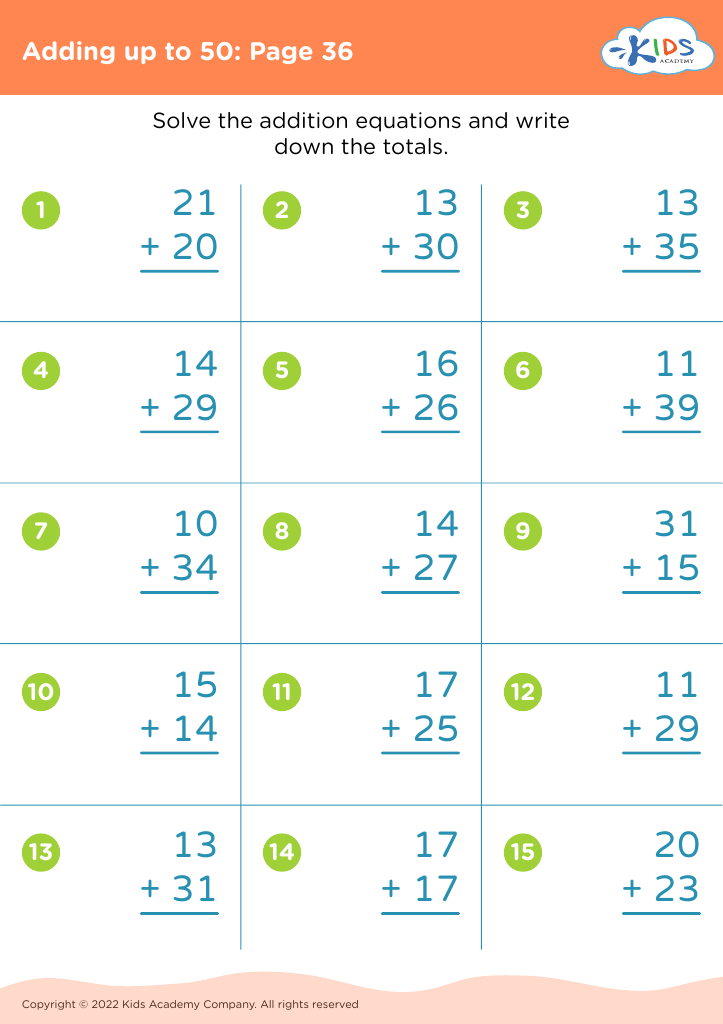
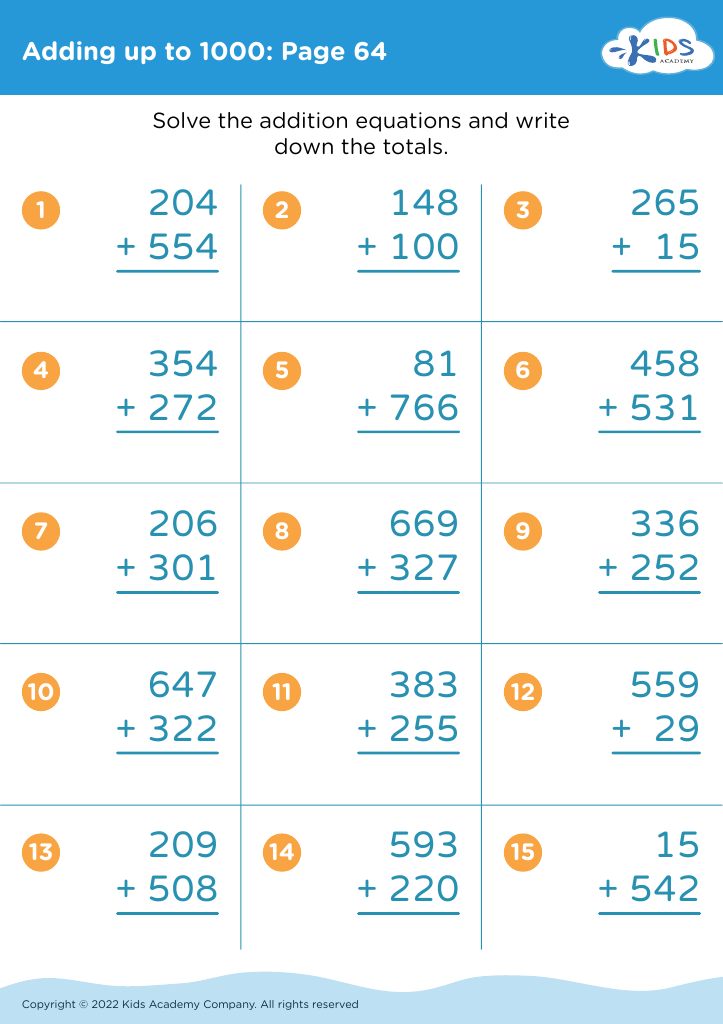
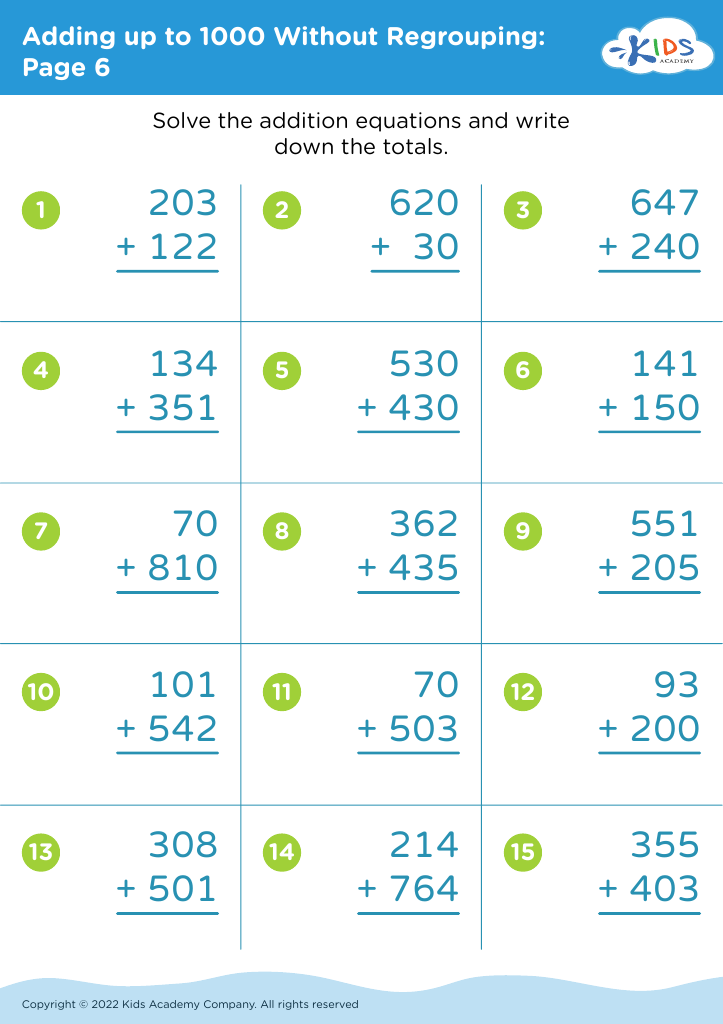
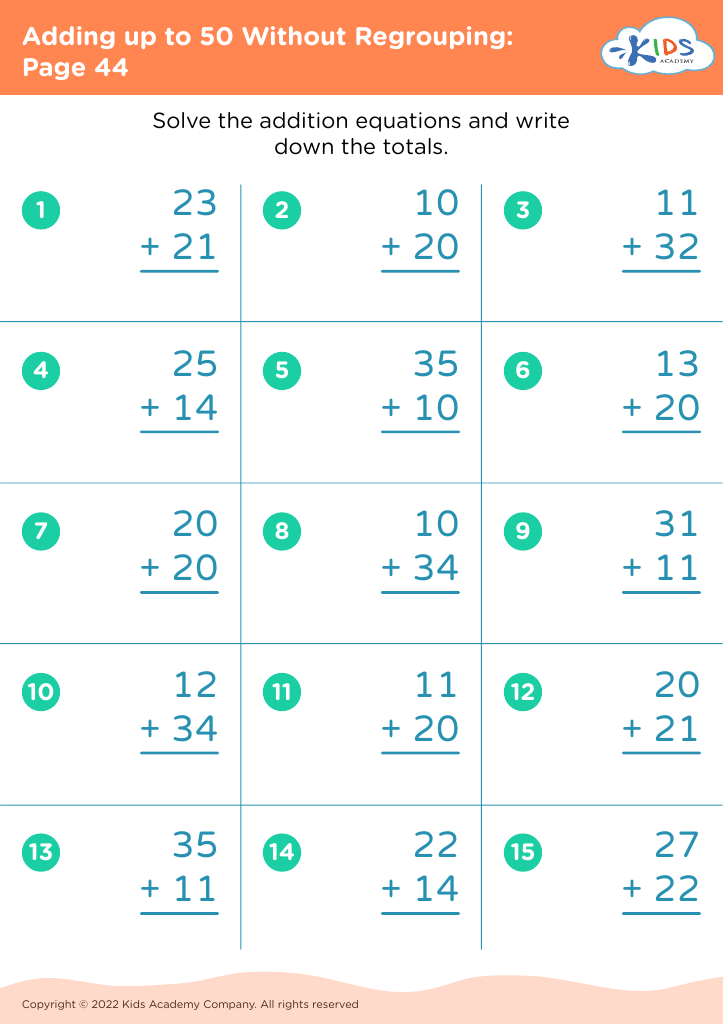
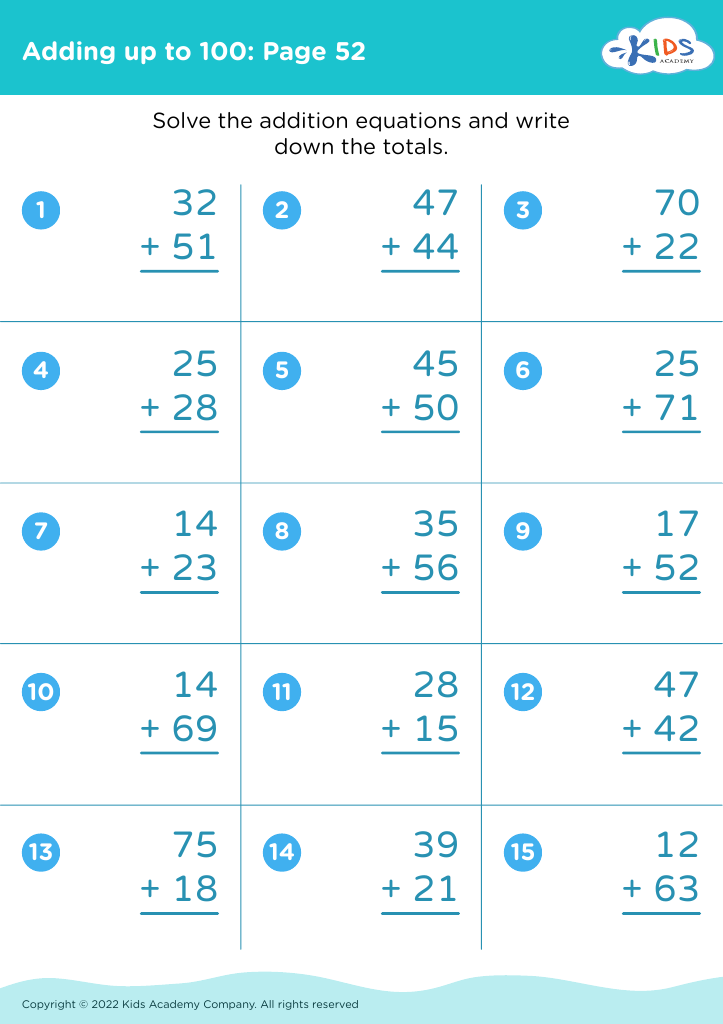
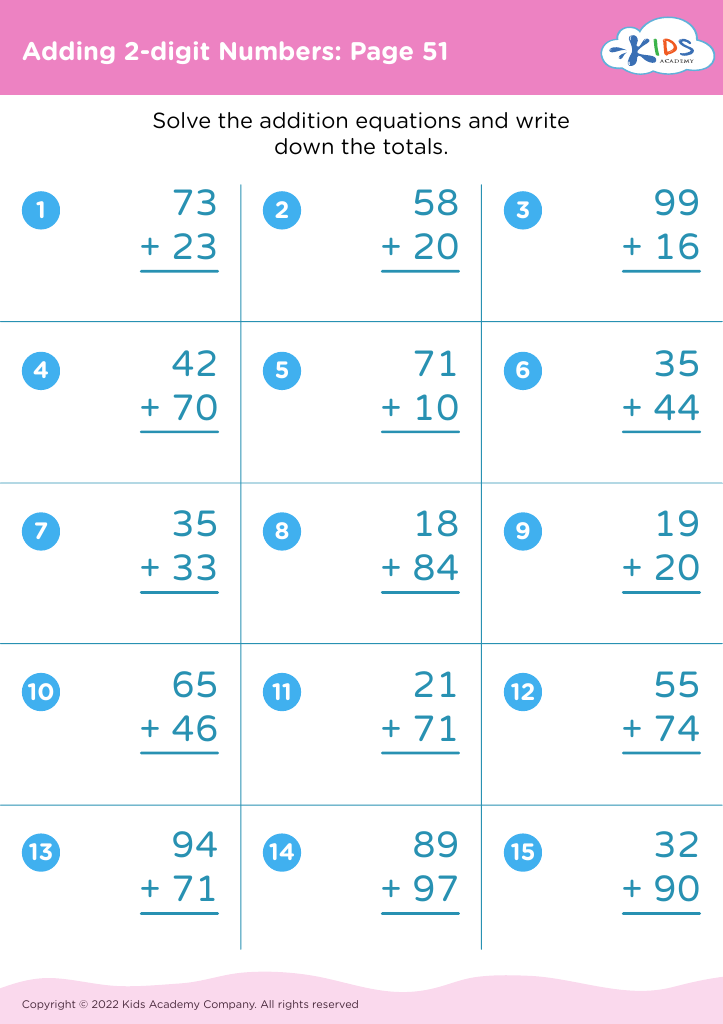
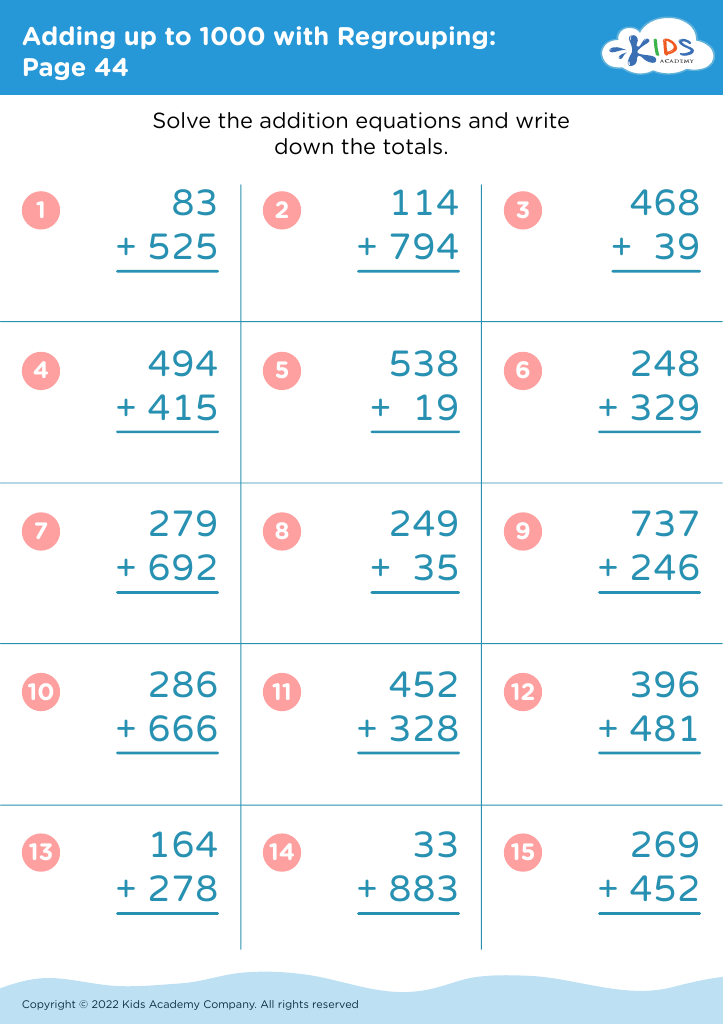








Understanding sequencing in math for 8-year-olds is crucial because it lays the foundation for a broad range of complex mathematical concepts and everyday problem-solving skills. Sequencing helps children understand the order of operations, which is essential for more advanced arithmetic like addition, subtraction, multiplication, and division. It also plays a critical role in fostering logical thinking and reasoning skills. When children grasp sequencing, they can follow multi-step instructions accurately and recognize patterns, which aids in developing their critical thinking abilities.
Additionally, sequencing is pivotal in comprehending time (days, months, seasons), narrative order in literature (setting the scene, plot progression, conclusion), and even organizing tasks and responsibilities in daily life. For 8-year-olds, this skill is particularly significant as they begin to tackle more detailed school assignments and increase their participation in structured activities.
For parents and teachers, emphasizing sequencing enriches a child's learning experience, giving them the tools to approach problems systematically, enhancing their academic confidence, and laying the groundwork for future success in STEM fields and beyond. Engaging activities that incorporate sequencing can be both educational and enjoyable, capturing the child's interest and making learning a positive experience.








