Shape Recognition Building Vocabulary Worksheets for 8-Year-Olds
5 filtered results
-
From - To
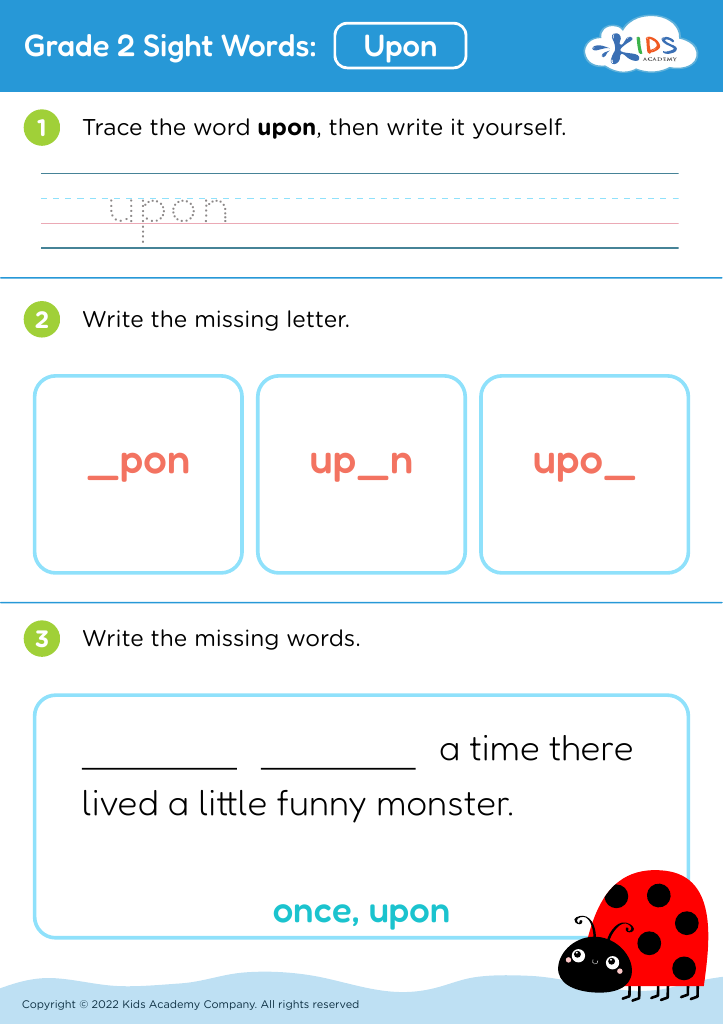
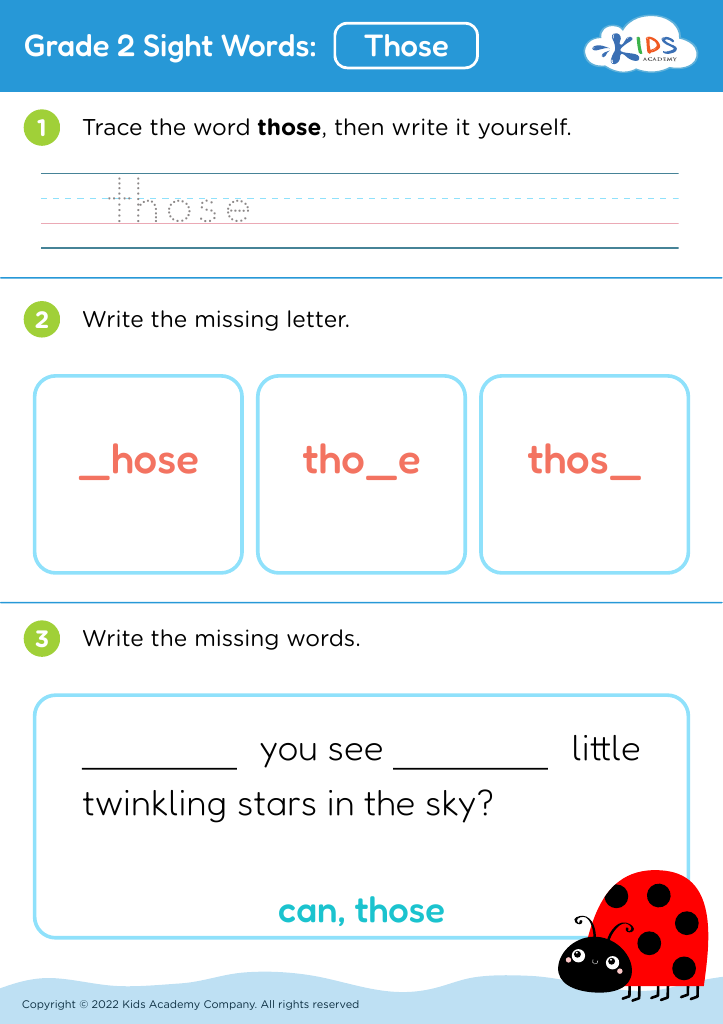
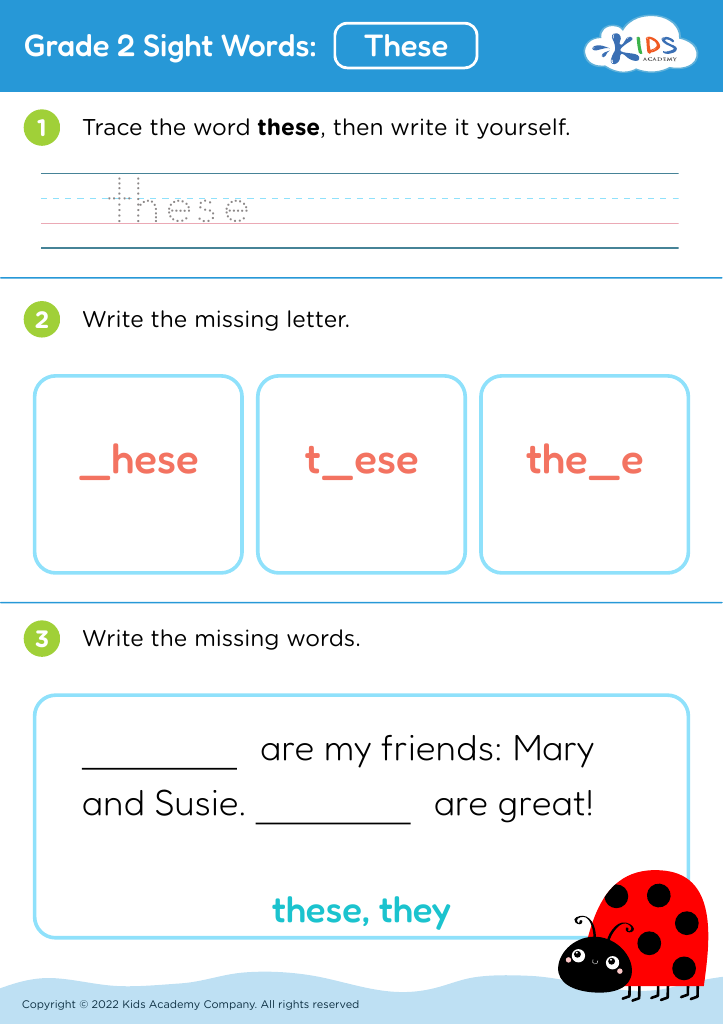
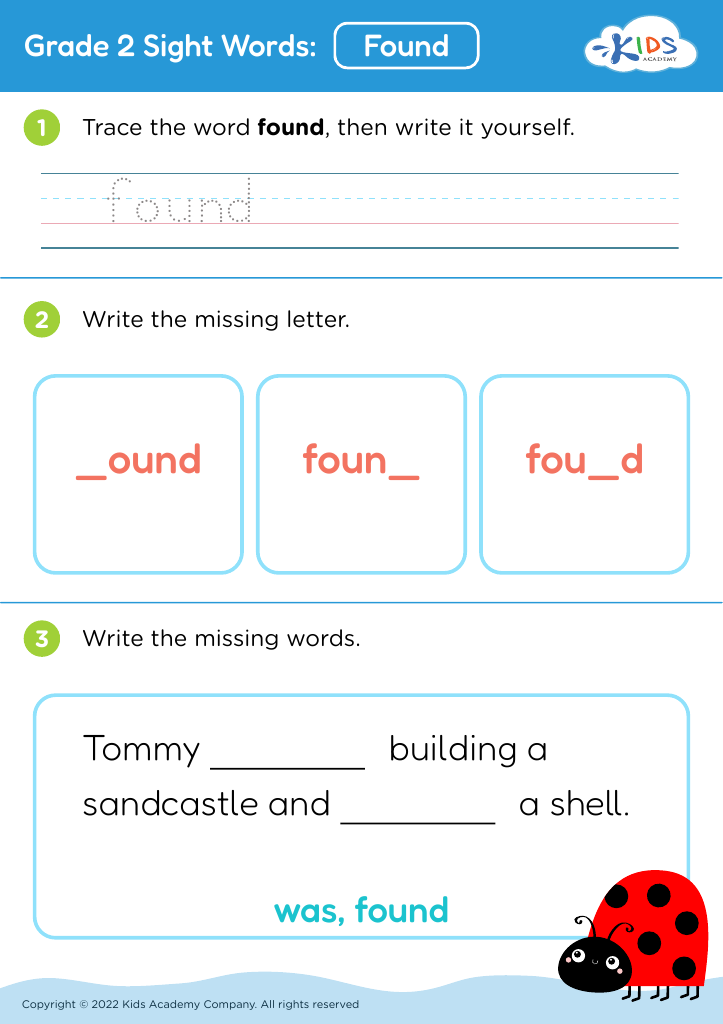
Enhance your 8-year-old's understanding of shape recognition with our engaging Building Vocabulary Worksheets! Designed to boost cognitive development and language skills, these worksheets provide a fun, interactive way for children to learn and identify various shapes. Featuring vibrant illustrations and user-friendly activities, kids will enjoy connecting vocabulary words to their corresponding shapes. Our worksheets are aligned with educational standards, making them perfect for classrooms or at-home learning. Whether practicing with circles, squares, or more complex shapes, young learners will build a solid vocabulary foundation while discovering the world of geometry. Explore our shape recognition resources today and watch their confidence soar!














.jpg)




Shape recognition and vocabulary development are crucial elements in the cognitive growth of 8-year-olds. At this age, children are beginning to interact more rigorously with their environments and concepts, making it essential for parents and teachers to nurture these skills. Shape recognition helps children understand their world, as shapes form the basis for many objects and structures. Recognizing and naming different shapes fosters spatial awareness, which is foundational for math and science learning.
Building vocabulary around shapes enhances communication skills, enabling children to describe, categorize, and discuss their observations more effectively. This enrichment of language increases their confidence in expressing ideas and concepts, both verbally and in writing. Furthermore, developing shape-related vocabulary supports critical thinking, as children begin to make connections between shapes, their properties, and real-world applications.
Additionally, engaging in shape-related activities can be fun and interactive, promoting collaborative learning experiences among peers. By emphasizing shape recognition and vocabulary at this age, parents and teachers equip children with essential tools for future academic success and life skills. Ultimately, investing in these foundational skills prepares children for more complex learning experiences and enhances their overall cognitive development.








