Vocabulary enhancement Reading Non-Fiction Worksheets for 8-Year-Olds
8 filtered results
-
From - To
Introduce your 8-year-old to the exciting world of non-fiction with our Vocabulary Enhancement Reading Worksheets. Specifically designed to bolster reading and comprehension skills, these worksheets blend engaging facts with challenging vocabulary exercises. As young readers delve into real-world topics, they’ll expand their lexicon and develop critical thinking abilities. Each worksheet is crafted to captivate children's interests while reinforcing new words and their meanings. Perfect for classroom or home use, our printable resources provide an enriching, fun learning experience that encourages curiosity and a love for reading. Enable your child to soar academically with our expertly designed vocabulary enhancement tools.
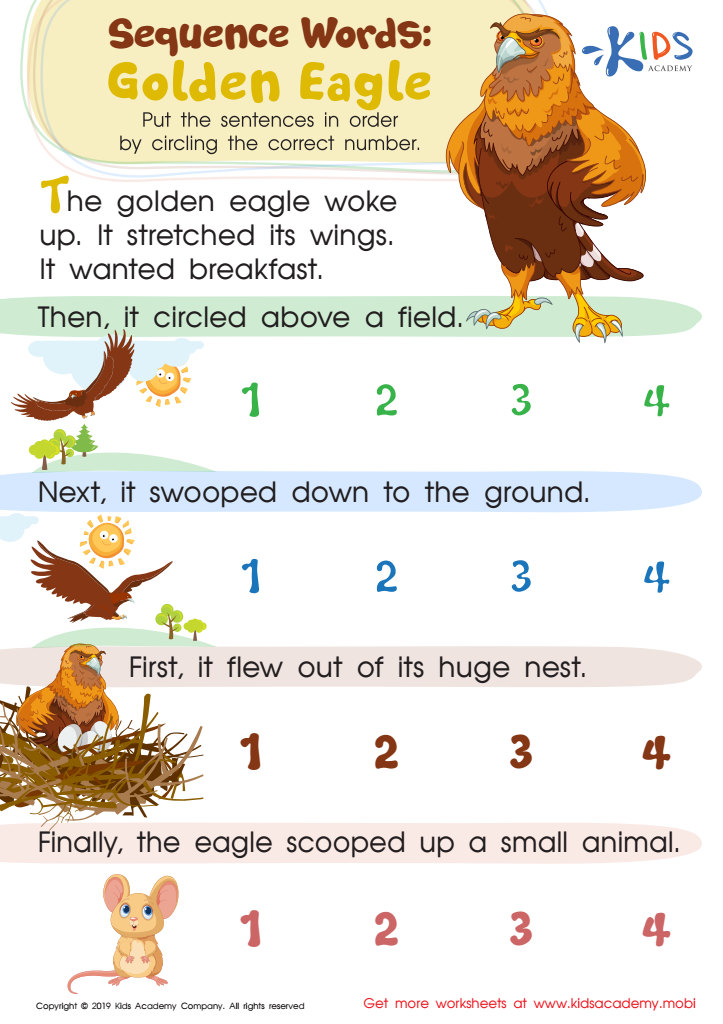
Sequence Word Eagle Worksheet
 Assign to My Students
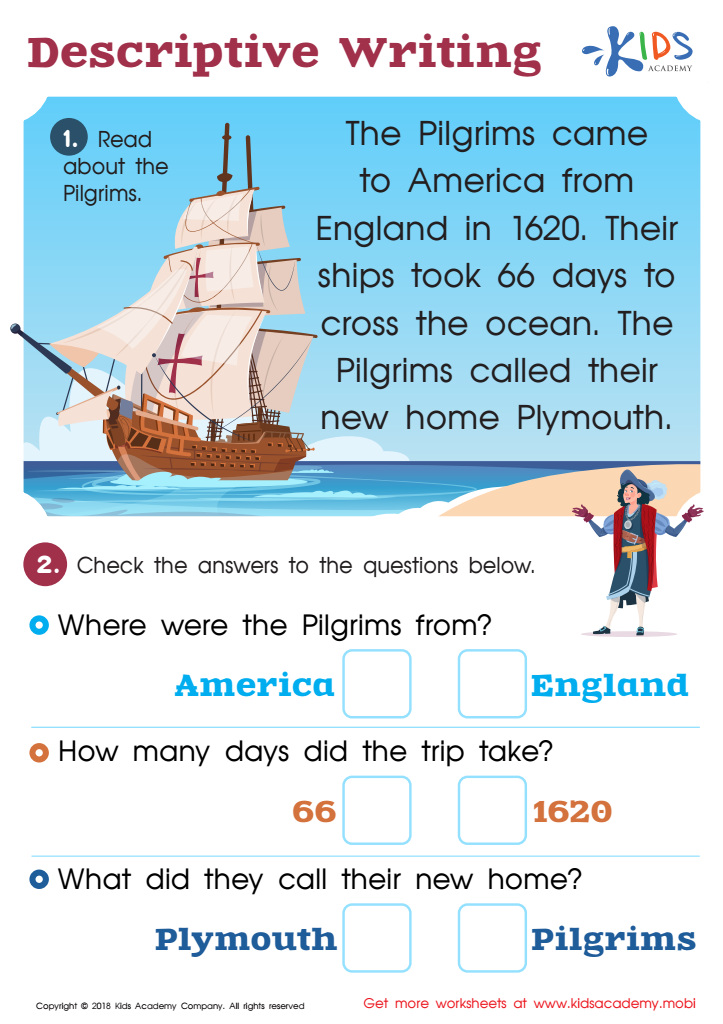
Descriptive Writing Worksheet: Part 1
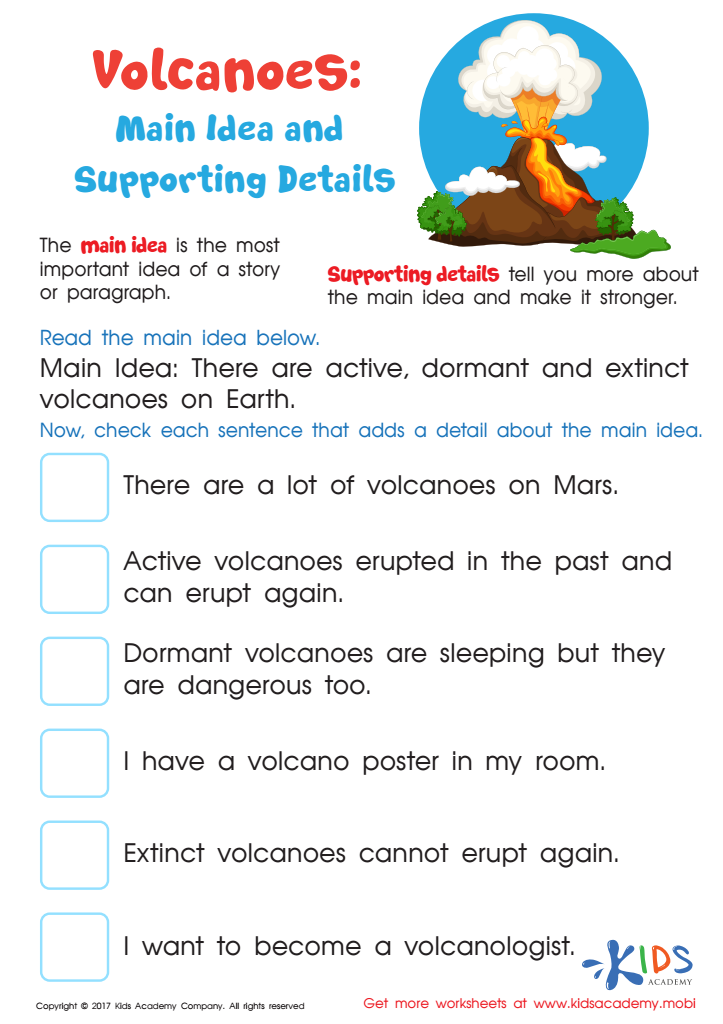
Volcano Facts Worksheet
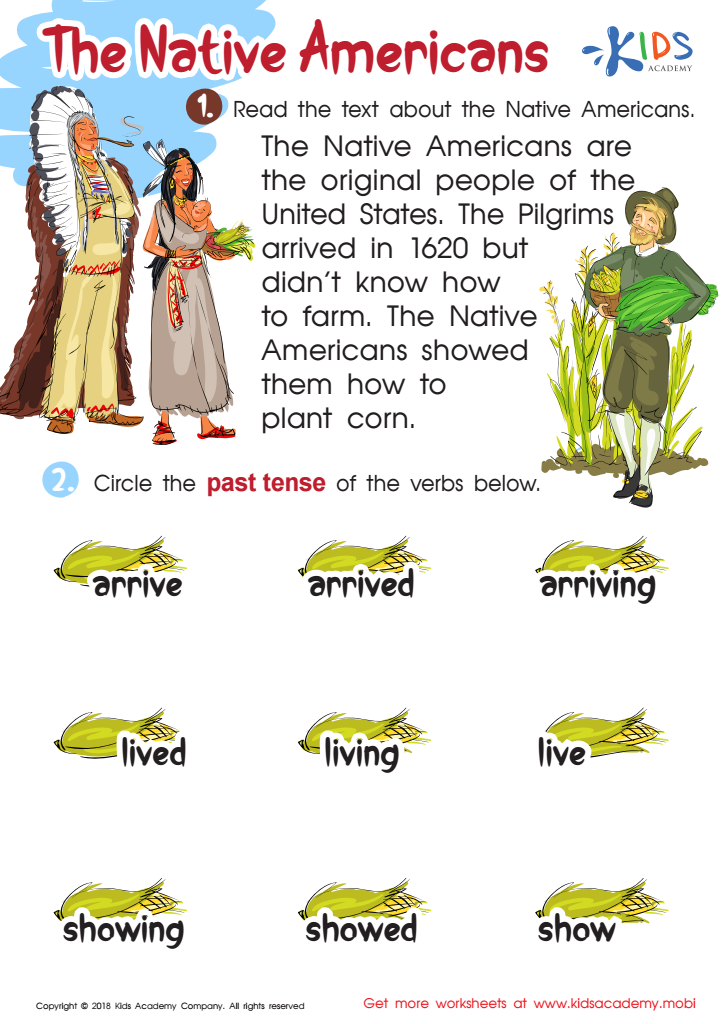
The Native Americans Worksheet
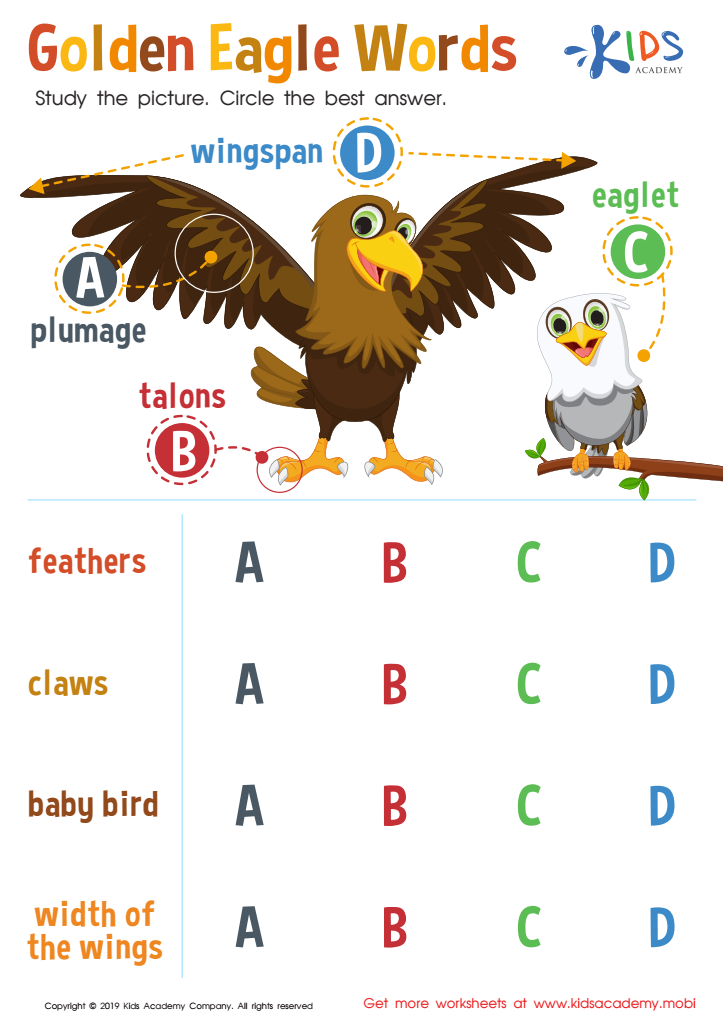
Golden Eagle Words Worksheet
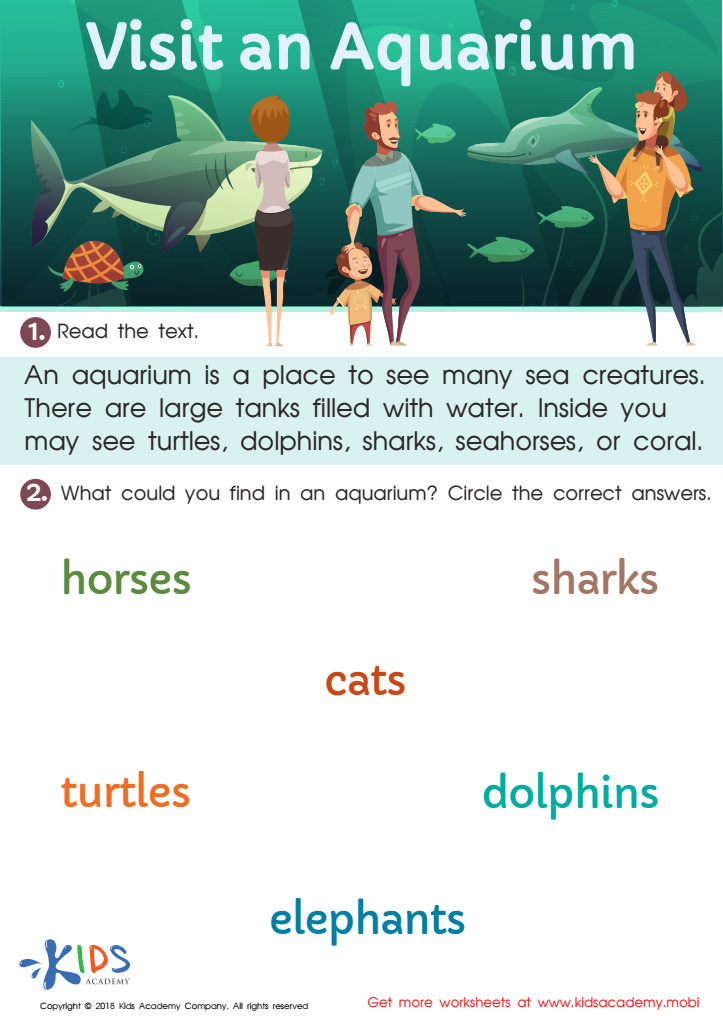
Visit an Aquarium Worksheet
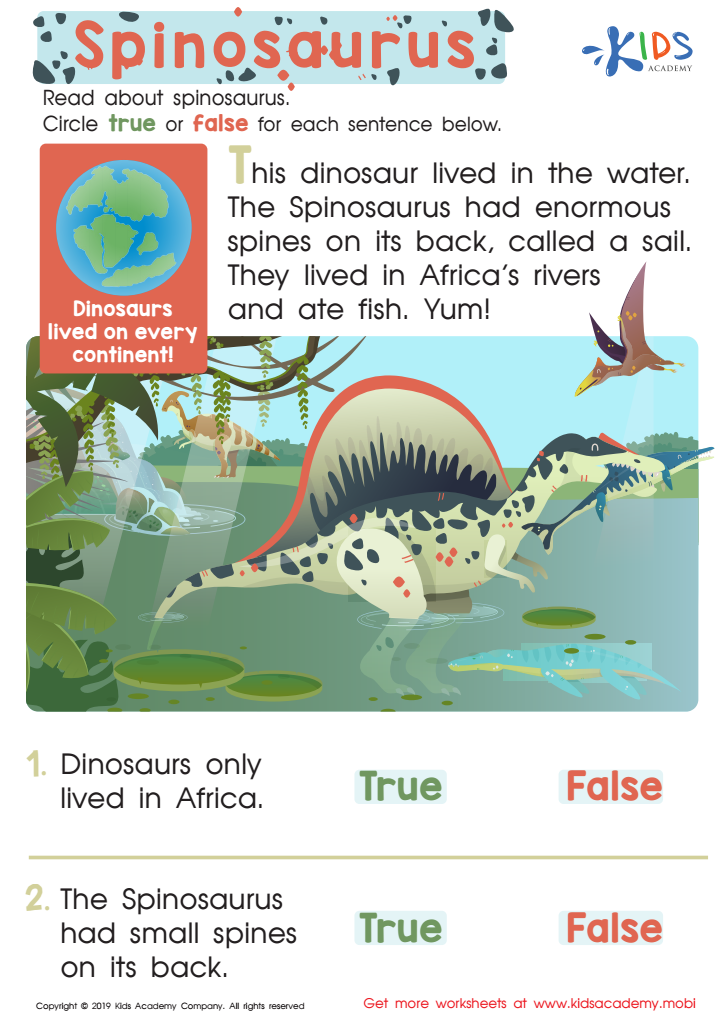
Spinosaurus Assessment Worksheet
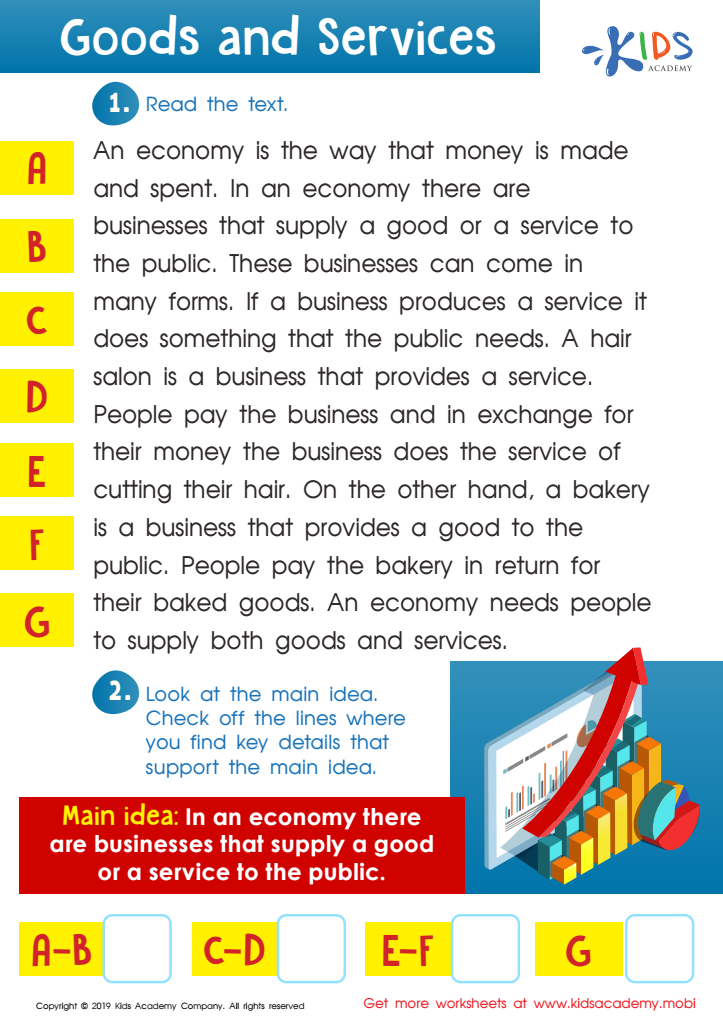
Goods and Services Worksheet








Vocabulary enhancement through reading non-fiction is crucial for 8-year-olds because it plays a key role in their cognitive and language development. At this age, children are like sponges, eagerly absorbing new information and words. Engaging with non-fiction texts exposes them to a diverse range of vocabulary that they might not encounter in everyday conversation or even in fictional stories. This enriched vocabulary helps them to articulate thoughts more clearly and accurately, aiding them in both written and verbal communications.
Additionally, reading non-fiction builds background knowledge about the world, encouraging curiosity and broadening their understanding of various subjects such as science, history, and culture. These experiences foster critical thinking skills as they learn to comprehend, analyze, and question the information presented to them. As they encounter factual texts, they also develop the ability to distinguish between opinions and evidence-based facts, a fundamental aspect of literacy and informed learning.
Promoting vocabulary development through non-fiction further sets the foundation for future academic success. Studies have shown that a robust vocabulary is linked to improved reading comprehension and better overall academic performance. Moreover, when children can understand complex texts, they are more likely to enjoy reading, creating a positive cycle that encourages lifelong learning and curiosity. Therefore, both parents and teachers should prioritize non-fiction as a tool for vocabulary enhancement, fostering well-rounded, informed, and articulate young students.








