Letter Tracing Practice Alphabet Worksheets for 9-Year-Olds
3 filtered results
-
From - To
Enhance your 9-year-old’s handwriting skills with our engaging Letter Tracing Practice Alphabet Worksheets! Specially designed for older kids, these worksheets feature fun and challenging tracing activities, from uppercase to lowercase letters, ensuring a comprehensive approach to mastering the alphabet. With clear instructions and creative designs, your child will boost their fine motor skills and confidence in writing. Perfect for both independent work and guided practice, our worksheets make learning a delightful experience. Unleash your child's potential with Kids Academy's expert-approved tools, and watch their writing abilities soar!
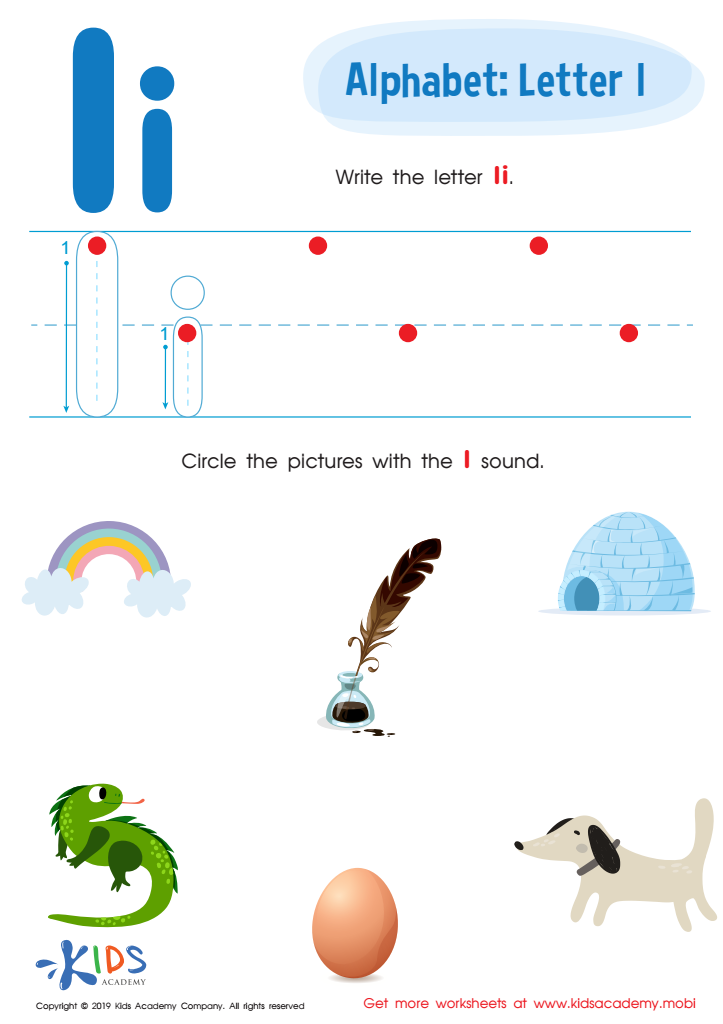
Letter I Tracing Worksheet
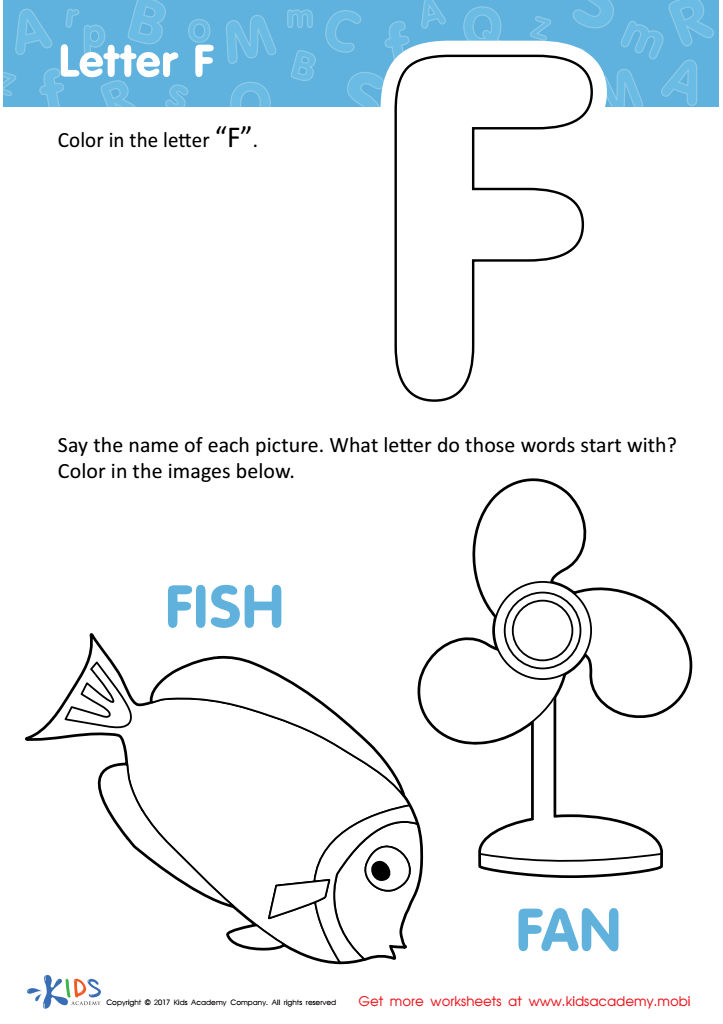
Letter F Coloring Sheet
 Assign to My Students
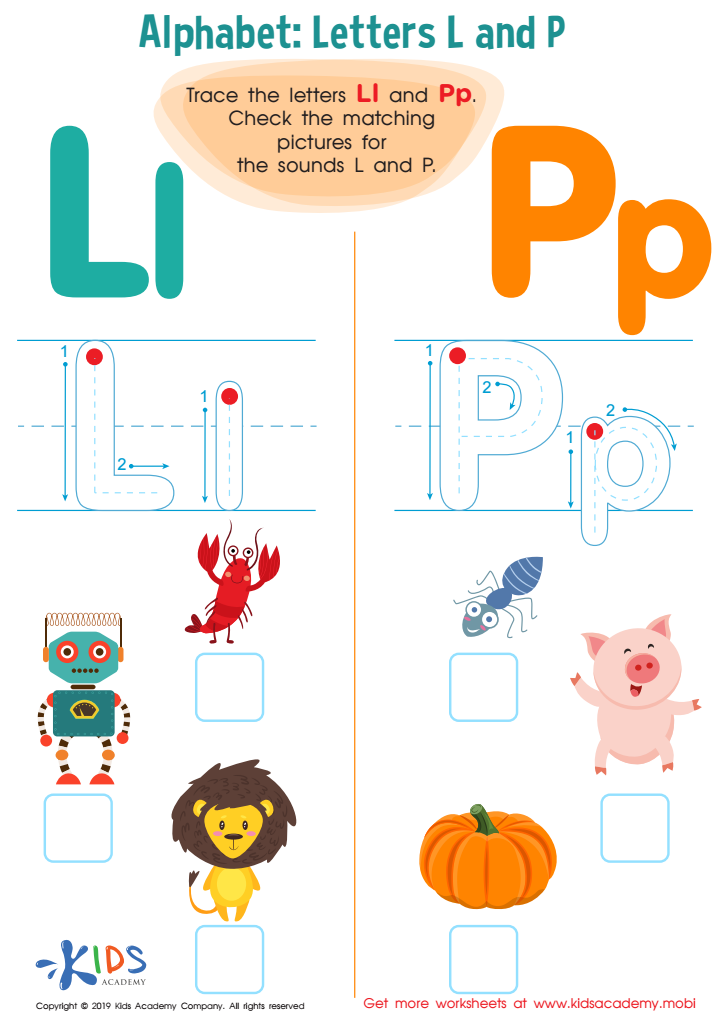
Letter L and P Tracing Worksheet







Letter tracing practice is often thought to be predominantly crucial for younger children, typically ages five and under. However, it remains a valuable activity for 9-year-olds for several reasons.
Firstly, letter tracing enhances fine motor skills and handwriting proficiency. At this age, children are still refining their motor control and muscle memory for writing. By tracing letters, they develop better control over their writing instruments, leading to improved legibility and speed.
Secondly, letter tracing can support cognitive development. When children trace letters, they strengthen the neural connections necessary for reading and writing. This repetitive motion helps solidify letter recognition, a crucial component for spelling and word formation. For some children, particularly those struggling with dyslexia or other learning challenges, additional practice can provide significant support.
Additionally, tracing aids in concentration and focus. The structured, repetitive nature of tracing helps children develop a focused, task-oriented mindset. This can translate to better performance in other academic areas as they adapt to tasks requiring sustained attention.
Lastly, it's a confidence booster. As children's skills improve through practice, their self-esteem naturally increases, leading to a more positive outlook on learning in general.
In conclusion, parents and teachers should care about letter tracing practice for 9-year-olds because it bolsters fine motor skills, cognitive development, concentration, and self-confidence, forming a foundation for subsequent learning success.







