Alphabet tracing Tracing Letters Worksheets for 9-Year-Olds
7 filtered results
-
From - To
Empower your 9-year-old’s writing skills with our engaging Alphabet Tracing Letters Worksheets, designed specifically for their age group. These worksheets from Kids Academy combine fun with learning, enhancing fine motor skills and reinforcing alphabetical order. Each worksheet offers clear, structured guidance to help children trace both uppercase and lowercase letters with confidence. We incorporate captivating illustrations and themes that resonate with 9-year-olds, ensuring they remain motivated and eager to learn. Perfect for home practice or supplementary classroom activities, these worksheets are an enjoyable way to master letter formation and improve handwriting proficiency. Dive into the world of letter tracing today!
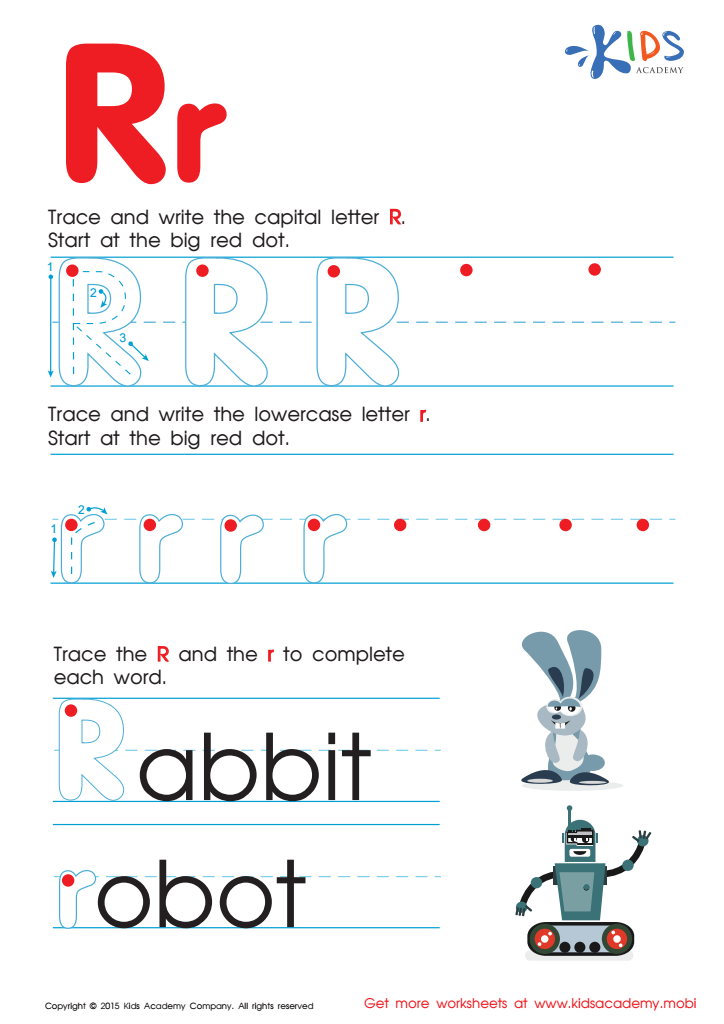
Letter R Tracing Page
 Assign to My Students
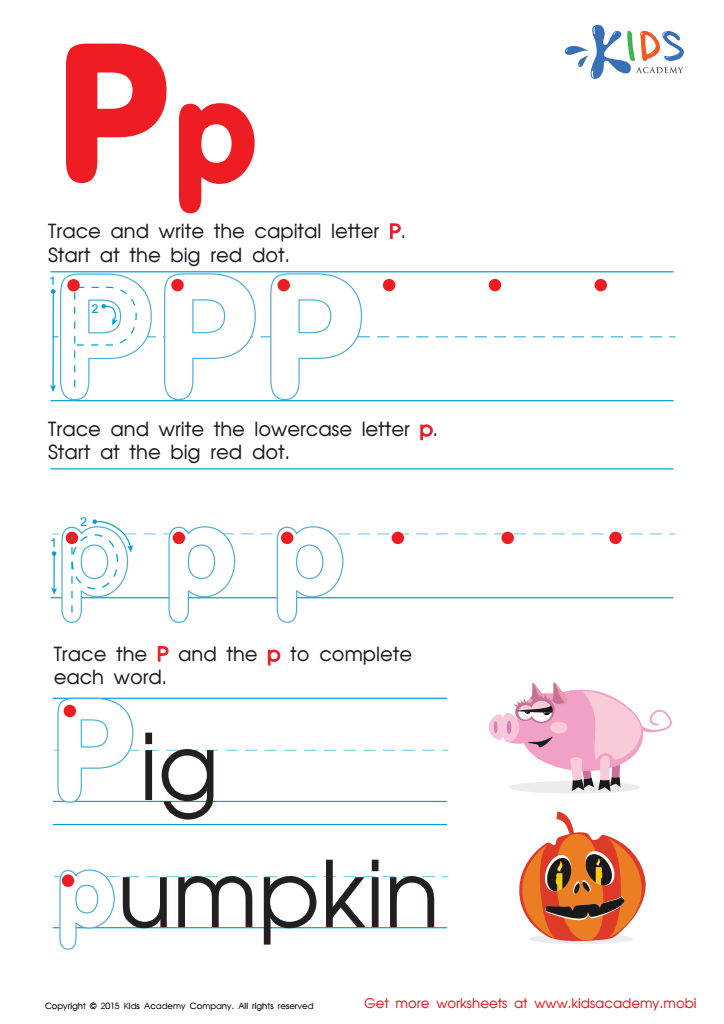
Letter P Tracing Page
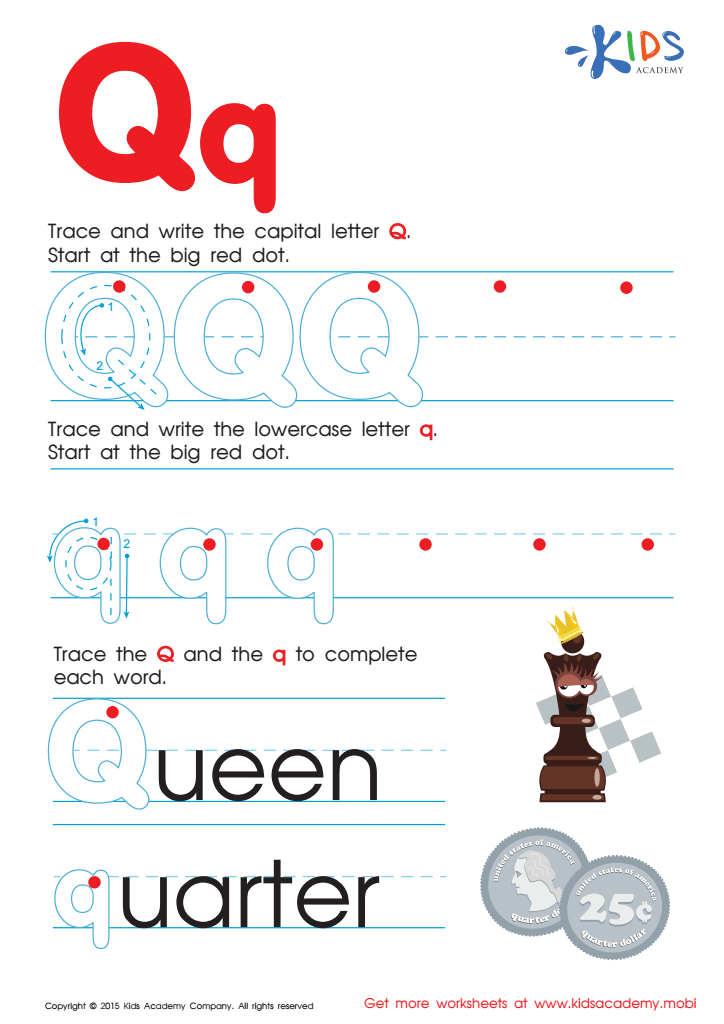
Letter Q Tracing Page

Letter H Tracing Page
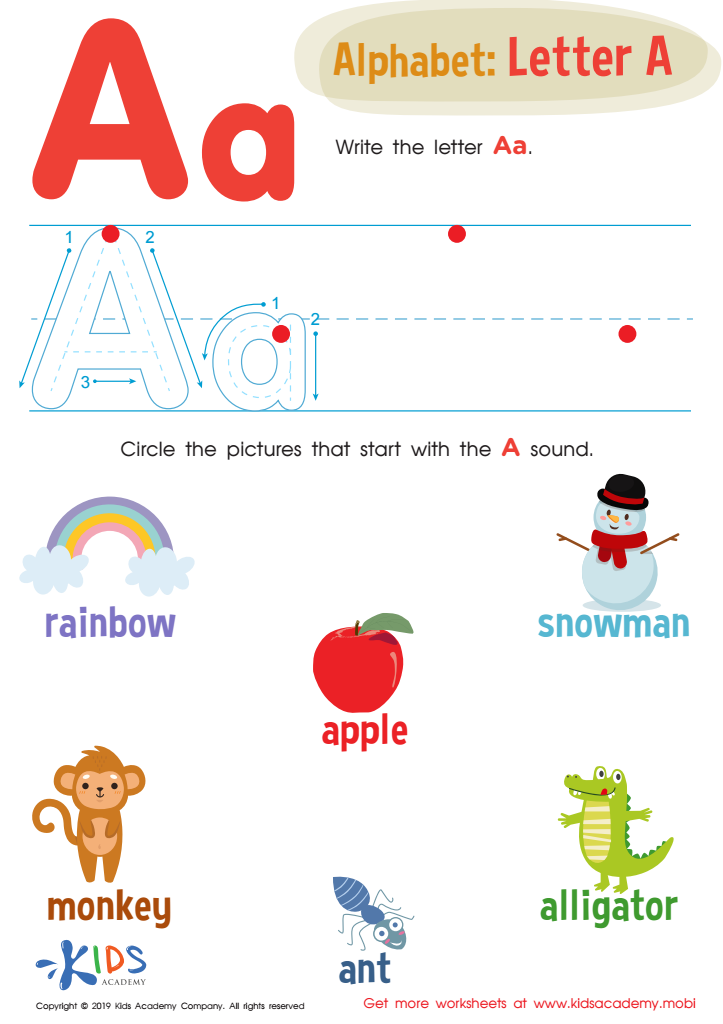
Letter A Tracing Worksheet
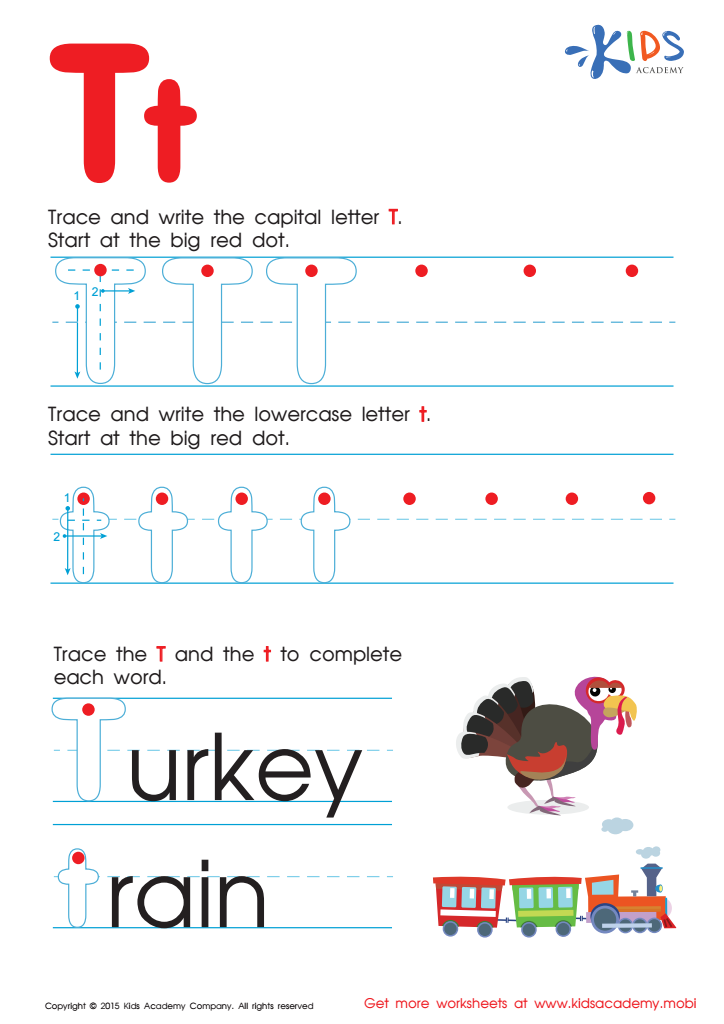
Letter T Tracing Page

Letter D Tracing Page







Alphabet tracing for 9-year-olds can be highly beneficial, even if they have moved past the initial stages of learning to read and write. Firstly, fine motor skills development is crucial at this stage. Tracing letters helps children continue to refine their hand-eye coordination and dexterity, essential for neat handwriting and other tasks requiring precision.
Additionally, alphabet tracing reinforces muscle memory. For children who have developed habits of incorrect letter formation, tracing provides a structured way to practice and correct these patterns. This helps ensure legibility and speed in writing, which are critical as academic demands increase.
Cognitive benefits include strengthening their focus and attention to detail. Tracing requires mindfulness, which can improve concentration and reduce careless mistakes in their work. Furthermore, repetition through tracing aids retention and mastery of spelling patterns and common words, supporting literacy development beyond basic reading and writing.
Emotionally, mastering a skill like neat handwriting through practices such as alphabet tracing can boost a child's confidence. Positive reinforcement gained from noticeable improvement encourages perseverance.
Finally, for teachers and parents, engaging a 9-year-old in alphabet tracing can provide a quiet, purposeful activity that contributes to their overall educational development and success, laying a better foundation for more advanced learning in the future.








