Color recognition Animals Worksheets for 9-Year-Olds
12 filtered results
Difficulty Level
Grade
Age
-
From - To
Subject
Activity
Standards
Introduce your 9-year-olds to the vibrant world of animals with our engaging Color Recognition Animals Worksheets! Designed to enhance their color identification skills while fostering creativity, these worksheets feature a variety of animal illustrations that captivate young learners. As children color, they will enhance their motor skills and learn about different animals and their natural habitats. Perfect for classroom or home use, these resources provide fun, educational activities that keep kids intrigued. With clear instructions and a playful approach, our Color Recognition Animals Worksheets will make learning an enjoyable adventure for every young explorer! Unlock the potential of creative learning today!
Favorites
With answer key
Interactive
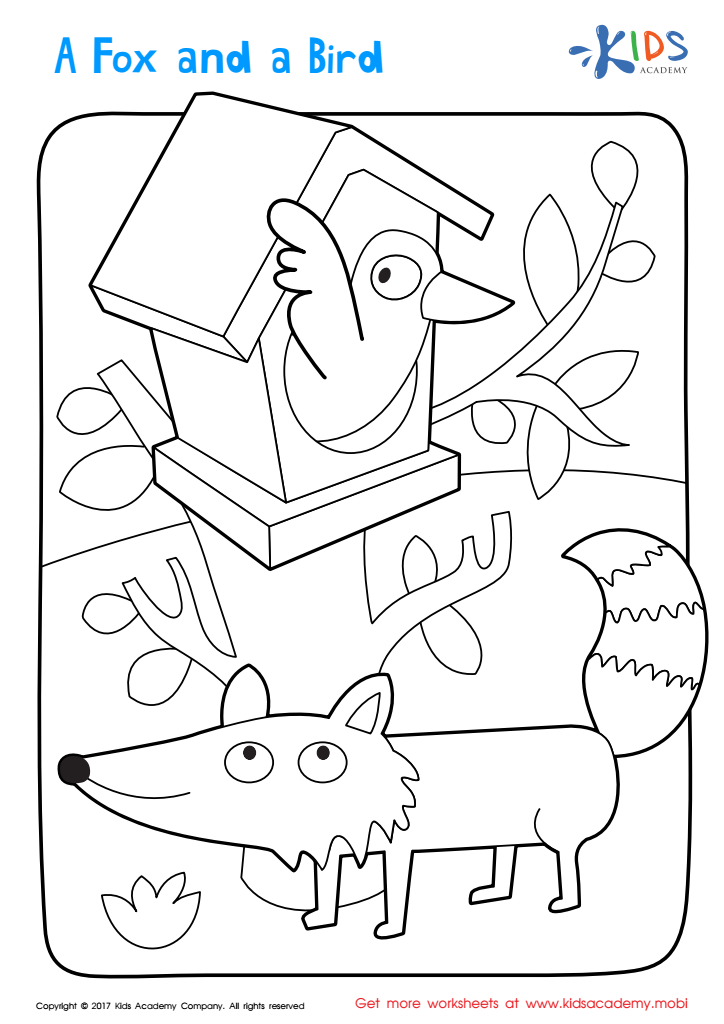
A Fox and Bird Coloring Page
Flex their creativity with this fun-filled coloring page: A Fox and Bird! Let kids express themselves through colors, allowing them to make each scene their own. This picture will bring joy to their art routine!
Download (PDF)
 Assign to My Students
Assign to My Students
A Fox and Bird Coloring Page
Worksheet
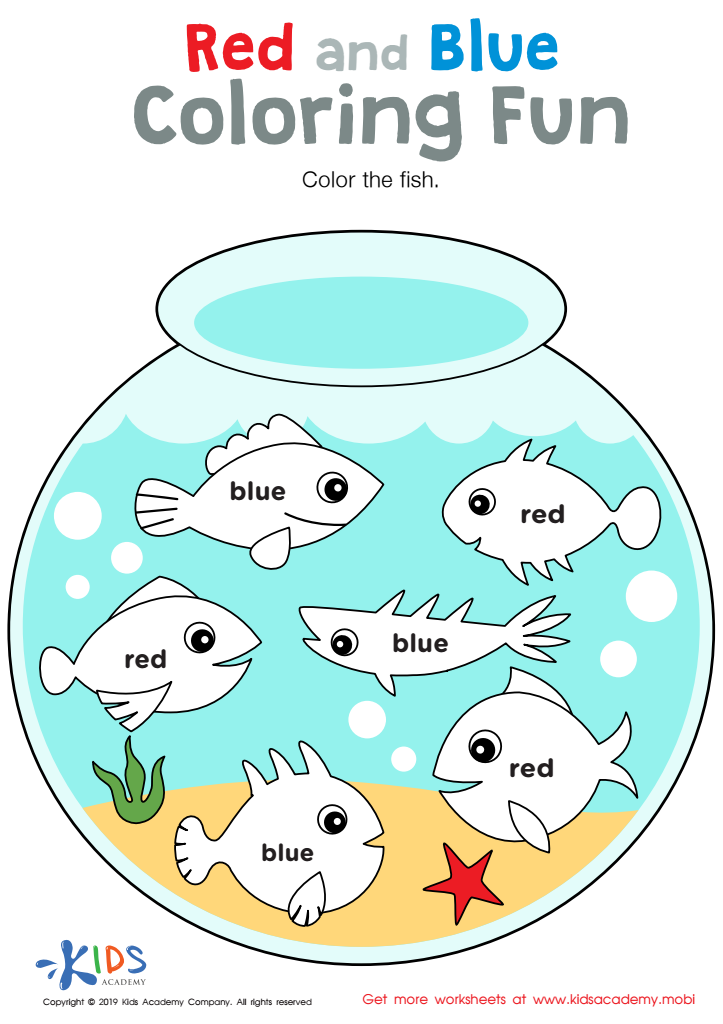
Red and Blue Coloring Fun Worksheet
Kids know colors like red and blue. But can they read these words? Give them practice with this fun fish bowl coloring sheet. They'll look at the fish, then color them the corresponding hue. Home or classroom, they'll be sure to get a kick out of learning colors in this creative way!
Download (PDF)
Assign to My Students
Assign to My Students
Red and Blue Coloring Fun Worksheet
Worksheet
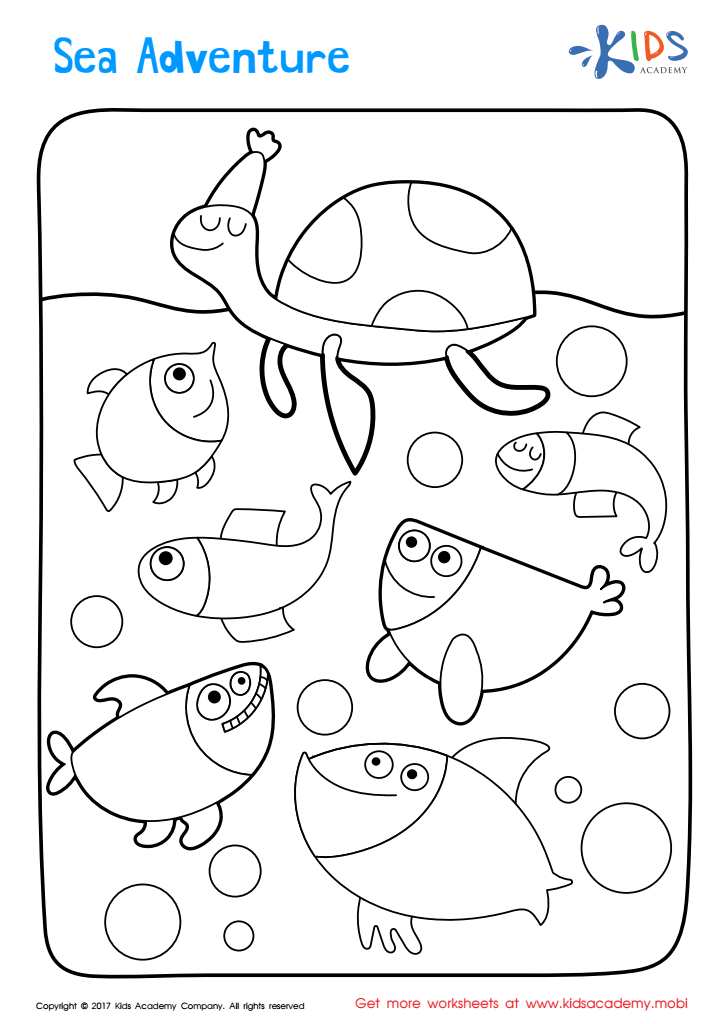
Sea Adventure Coloring Page
Explore the sea with a turtle and color the Sea Adventure printable! Let the turtle lead the way and let the fish watch and follow as kids unleash their creative side and pick the best colors. Have fun!
Download (PDF)
Assign to My Students
Assign to My Students
Sea Adventure Coloring Page
Worksheet
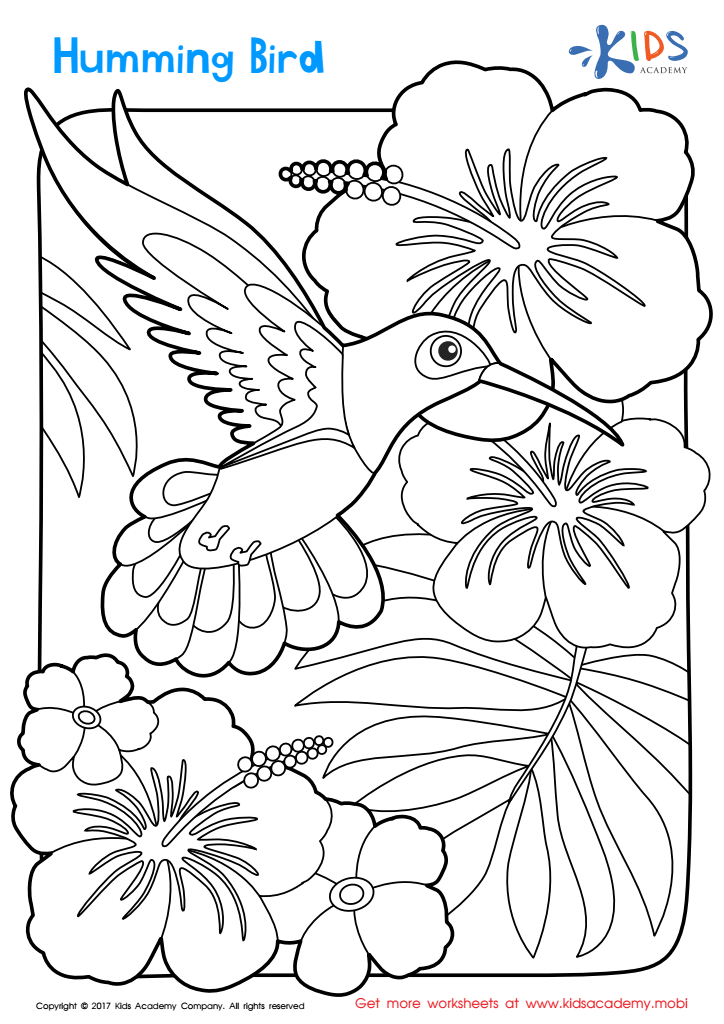
Humming Bird Worksheet
Encourage your child to explore nature with this lovely hummingbird coloring page! Use pictures to learn about the bird and extend the experience with a hummingbird feeder. See the beautiful creature in your own backyard!
Download (PDF)
Assign to My Students
Assign to My Students
Humming Bird Worksheet
Worksheet
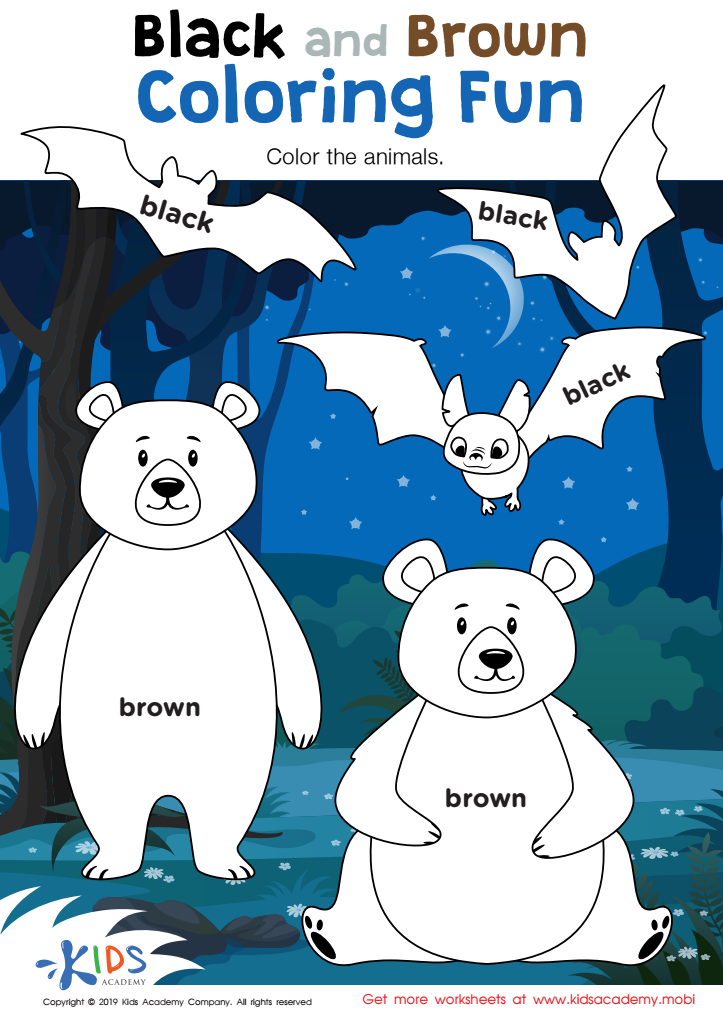
Black and Brown Coloring Fun Worksheet
Young readers can learn the difference between black and brown with this free, downloadable worksheet. The page features coloring activities: students color bears brown and bats black. This helps children learn to read color words by sight, as they are among the first reading experiences for young ones. But black and brown can be tricky as they start with the same consonant sound. This worksheet will help clear up any confusion.
Download (PDF)
Assign to My Students
Assign to My Students
Black and Brown Coloring Fun Worksheet
Worksheet
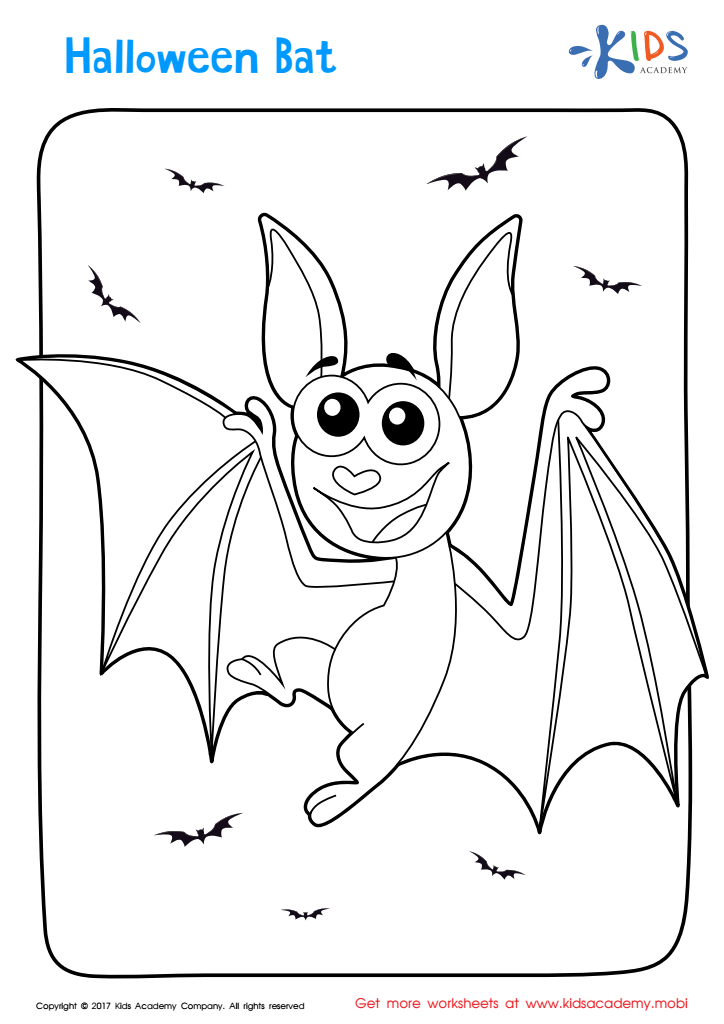
Halloween: A Bat Printable
Give your child a Halloween boost with our free coloring page. They'll have a blast adding their own decorations and creating a spooky scene!
Download (PDF)
Assign to My Students
Assign to My Students
Halloween: A Bat Printable
Worksheet
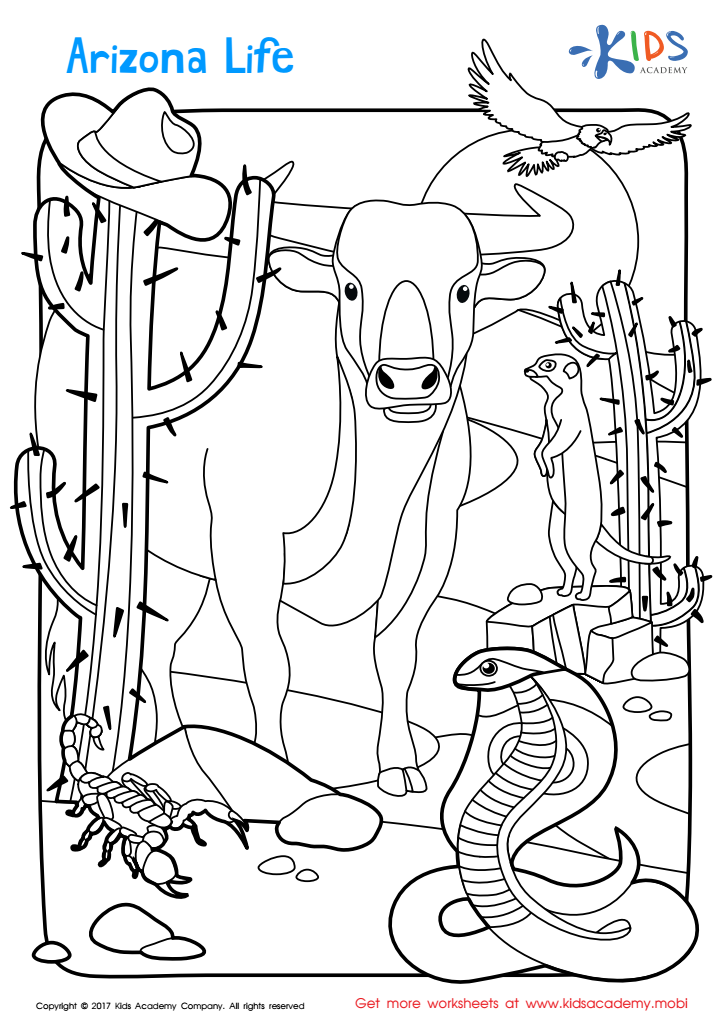
Arizona Coloring Page Worksheet
Heading to Arizona with this fun coloring page! Your kid will have a great time coloring the rattle snake and cacti, and learn about Arizona's distinct climate and wildlife along the way.
Download (PDF)
Assign to My Students
Assign to My Students
Arizona Coloring Page Worksheet
Worksheet
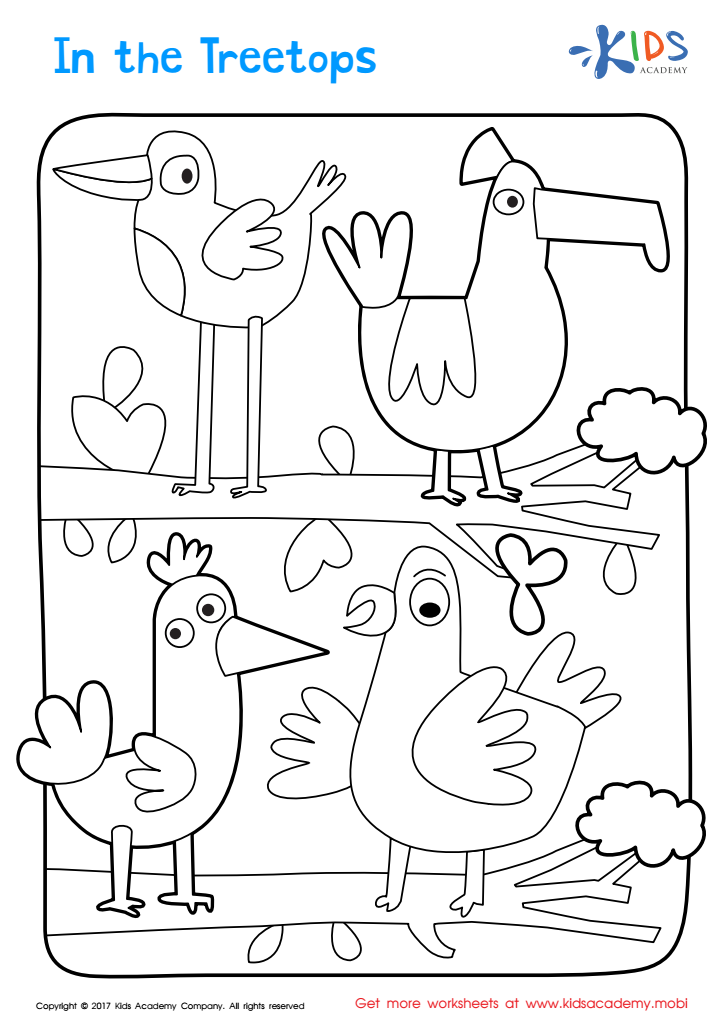
In the Treetops Coloring Page
Let your child soar by coloring this adorable printable page - In the Treetops. They can pick colors to make the birds lively and bright. It's a great way to encourage your child's creativity!
Download (PDF)
Assign to My Students
Assign to My Students
In the Treetops Coloring Page
Worksheet
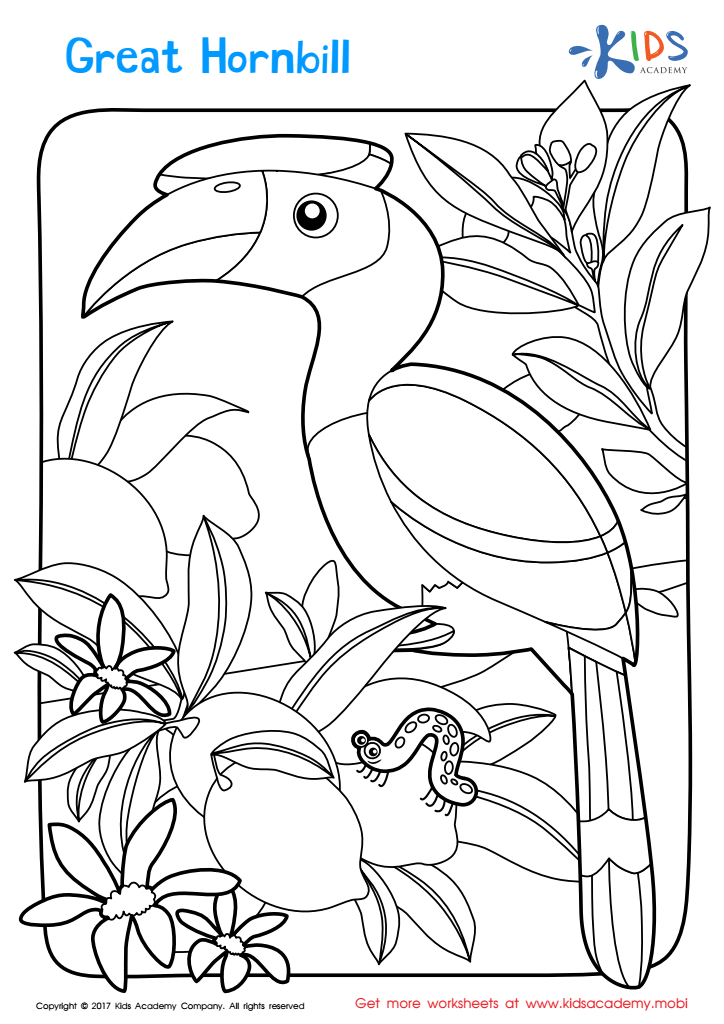
Great Hornbill Worksheet
Expand your child's knowledge with our exotic animal printable: the great hornbill coloring page. It’s a fun and easy way to explore this beautiful bird's stunning array of colors without leaving home. Look up pics online to get a better understanding of this incredible creature.
Download (PDF)
Assign to My Students
Assign to My Students
Great Hornbill Worksheet
Worksheet
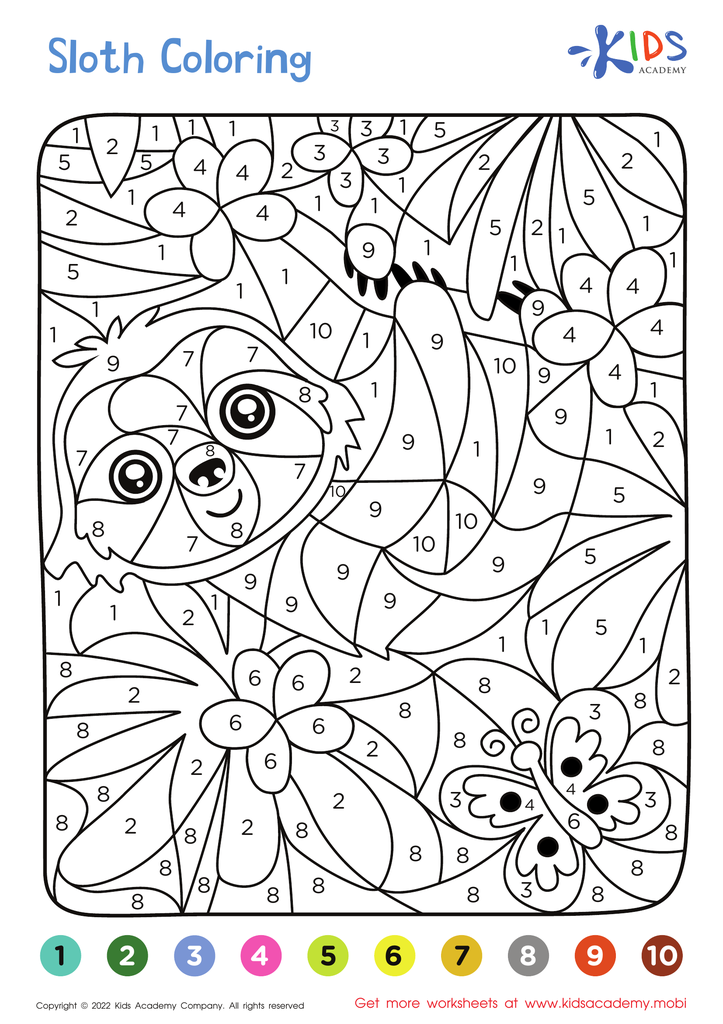
Sloth – Coloring by Numbers
Download our free coloring by numbers PDF page featuring a sloth! This fun activity is for all ages; just match the numbers to the colors and create a masterpiece. Get the entire family involved and see who can create the best sloth.
Sloth – Coloring by Numbers
Worksheet
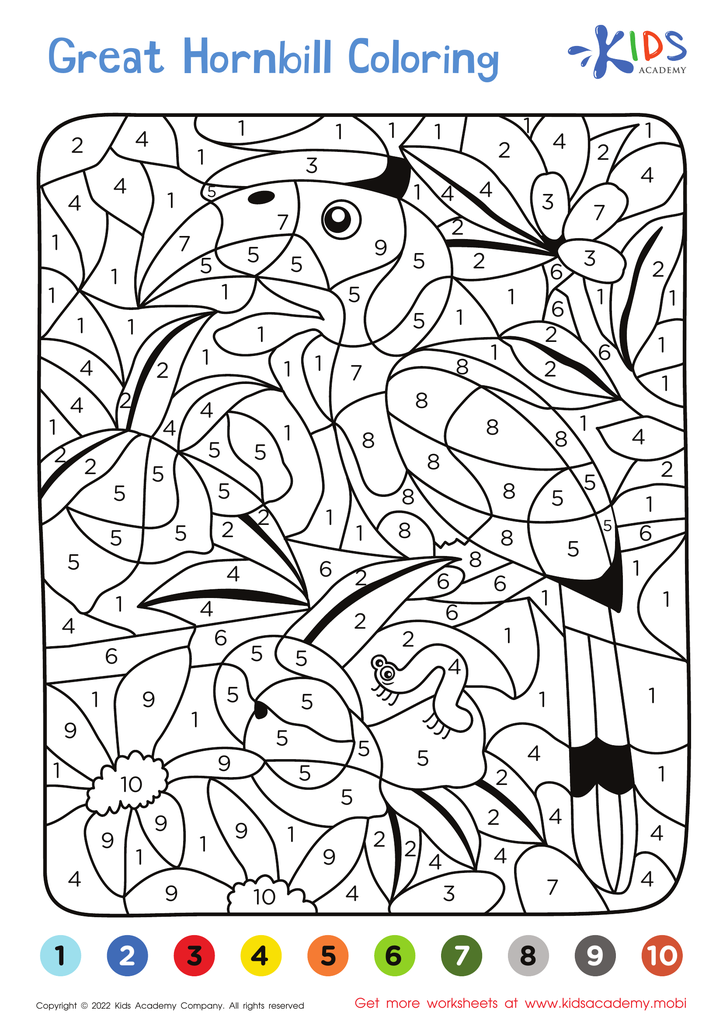
Great Hornbill – Coloring by Numbers
Download our free PDF page, featuring a hornbill for you to color in! Numbers are provided so you can follow along, making the picture come to life. Fun for all ages!
Download our free PDF page and have fun coloring a hornbill according to the numbers! You'll bring the picture to life with every stroke of your creativity. Perfect for all ages!
Great Hornbill – Coloring by Numbers
Worksheet
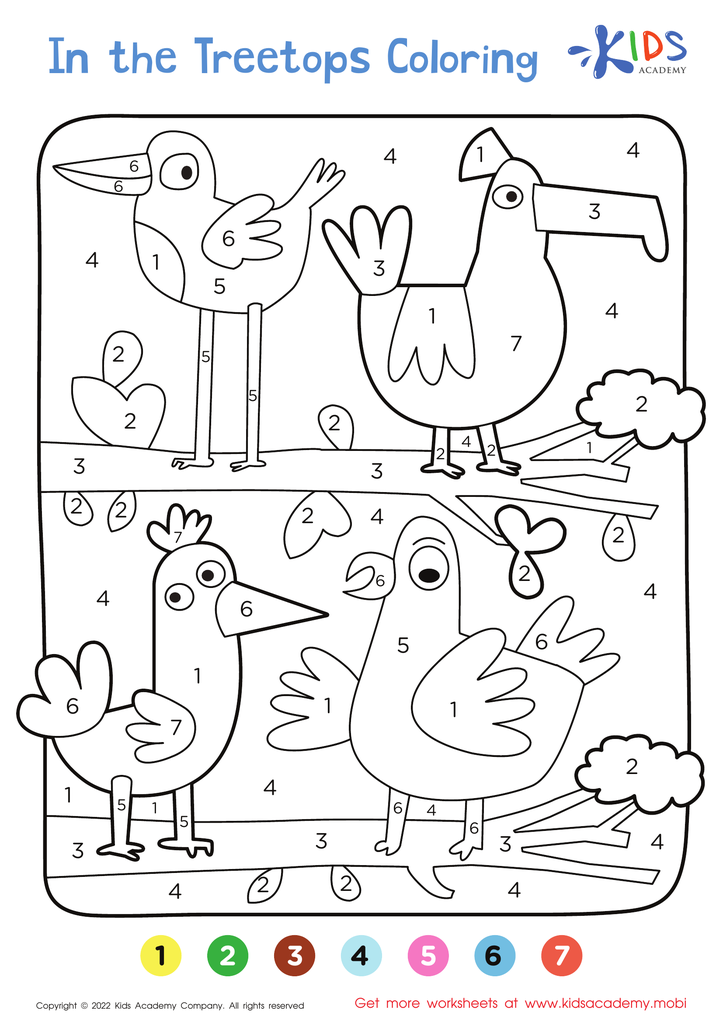
In the Treetops – Coloring Page
Coloring by numbers with a fantasy bird design - free PDF page to download! Get creative and bring the birds to life with color.
In the Treetops – Coloring Page
Worksheet
Join Kids Academy for Free
Who is primarily going to use this learning content?







Color recognition and understanding animals are crucial learning areas for 9-year-olds as they contribute significantly to a child's cognitive and social development. First, color recognition helps children differentiate between various hues, which is fundamental in developing visual perception and enhancing artistic skills. This perceptual skill supports later learning in subjects such as math and science, when recognizing patterns and solving problems.
Moreover, learning about animals fosters curiosity and empathy. Children engage more deeply with nature and their environment, cultivating a sense of responsibility towards wildlife and conservation. Identifying animals by color also aids in memory development and categorization, enabling kids to build connections between different species and their habitats.
Additionally, these subjects provide rich opportunities for hands-on learning. Activities like coloring animals, observing wildlife, or visiting a zoo can enhance critical thinking and strengthen child-parent or student-teacher bonds through shared experiences.
Ultimately, integrating color recognition and animals into education enhances creativity, promotes environmental awareness, and instills empathy in children, preparing them to become informed and engaged members of society. Parents and teachers, therefore, should prioritize these elements in their educational curricula for holistic child development.