Color recognition Plants Worksheets for 9-Year-Olds
5 filtered results
-
From - To
Explore our engaging Color Recognition Plants Worksheets designed specifically for 9-year-olds! These interactive resources help children sharpen their color identification skills while learning about various plants and nature. Each worksheet features vibrant illustrations of different plant species, encouraging kids to connect colors with the beauty of their environment. Perfect for enhancing fine motor skills and artistic expression, these worksheets will make learning fun and educational. Ideal for both classroom activities and at-home practice, our Color Recognition Worksheets foster curiosity and creativity, ensuring your child gains a strong foundation in color recognition through enjoyable learning experiences. Download and watch them blossom!
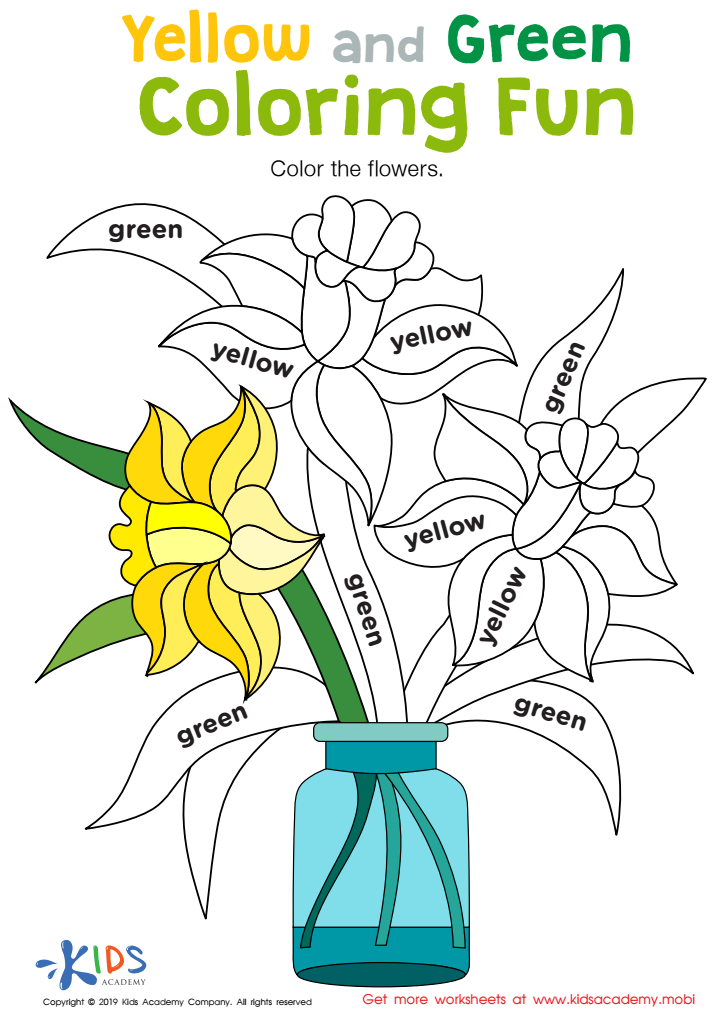
Yellow and Green Coloring Fun Worksheet
 Assign to My Students





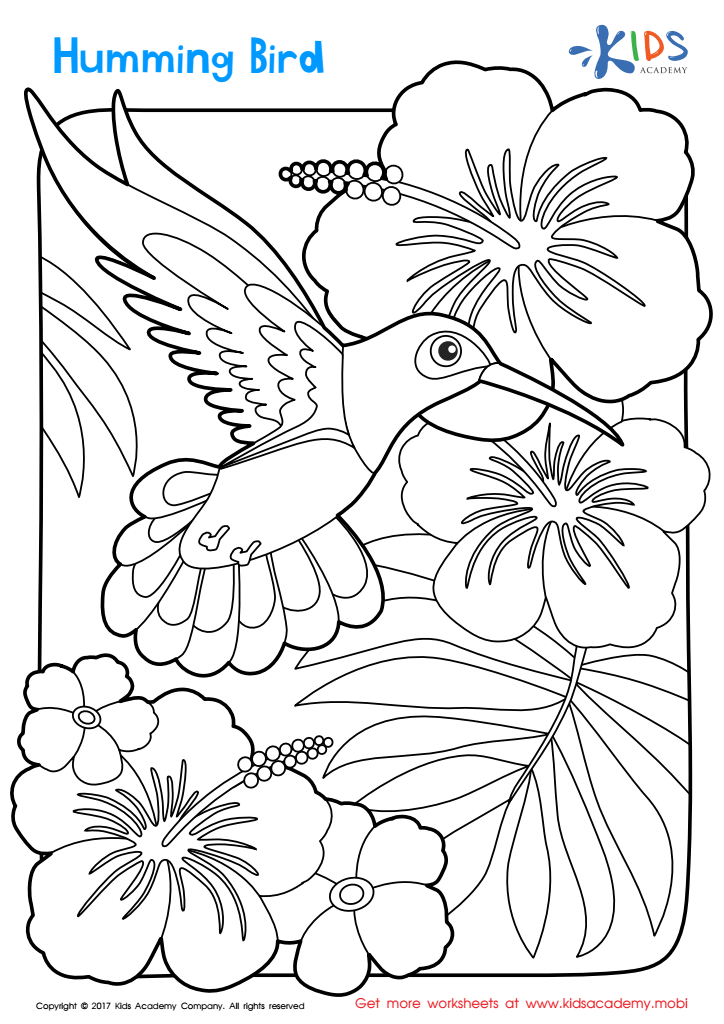
Humming Bird Worksheet
Assign to My Students
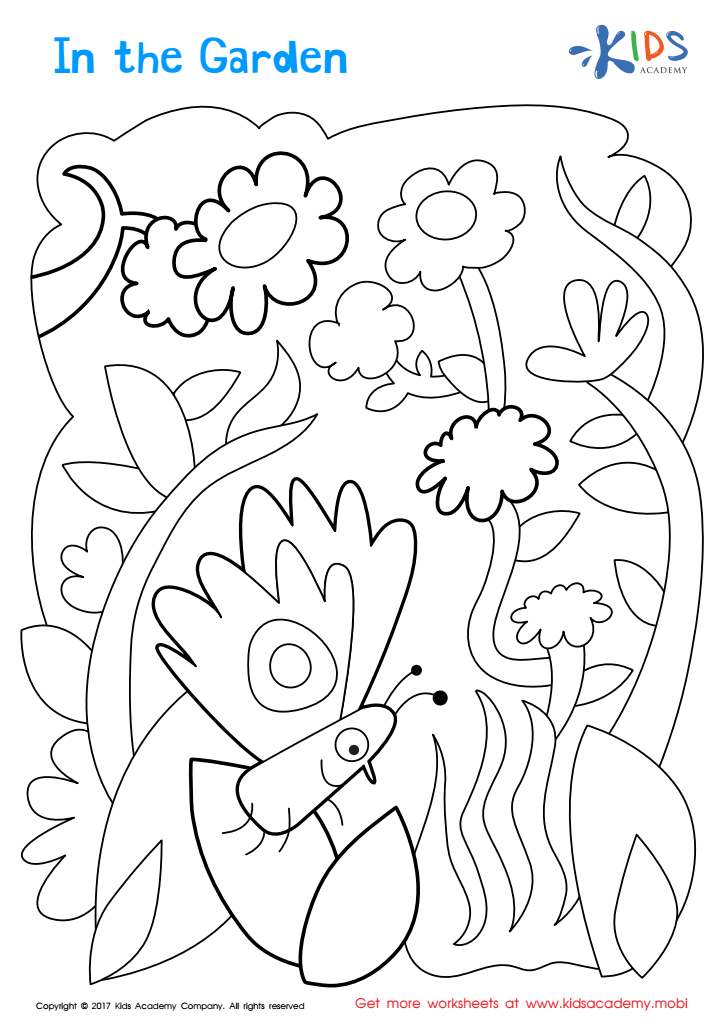
In The Garden Coloring Page
Assign to My Students
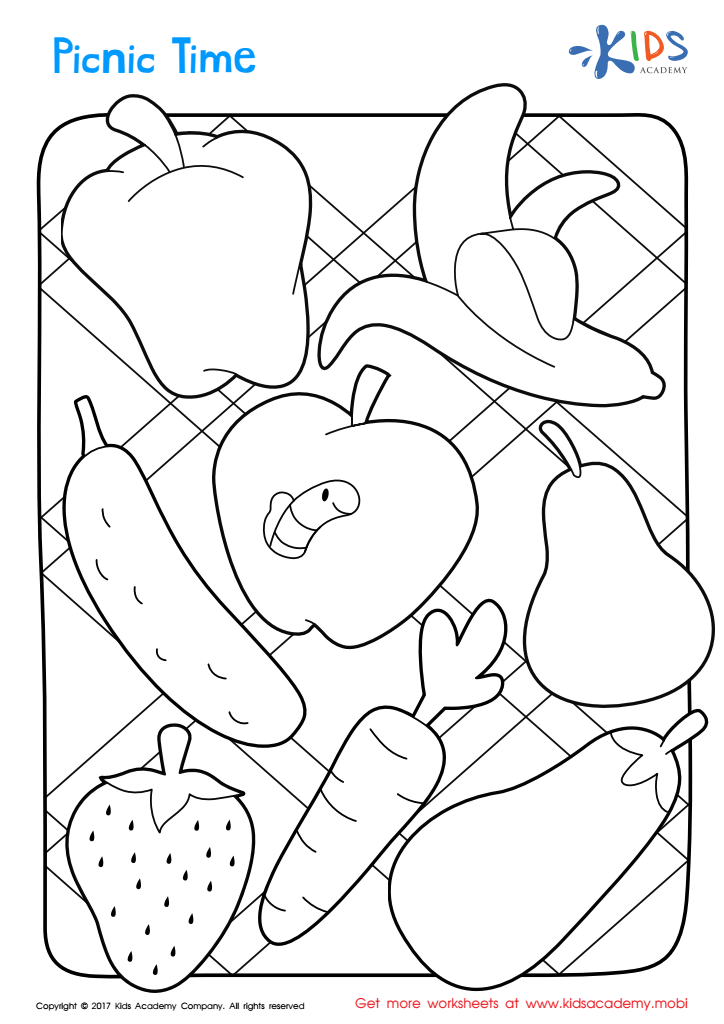
Picnic Time Coloring Page
Assign to My Students
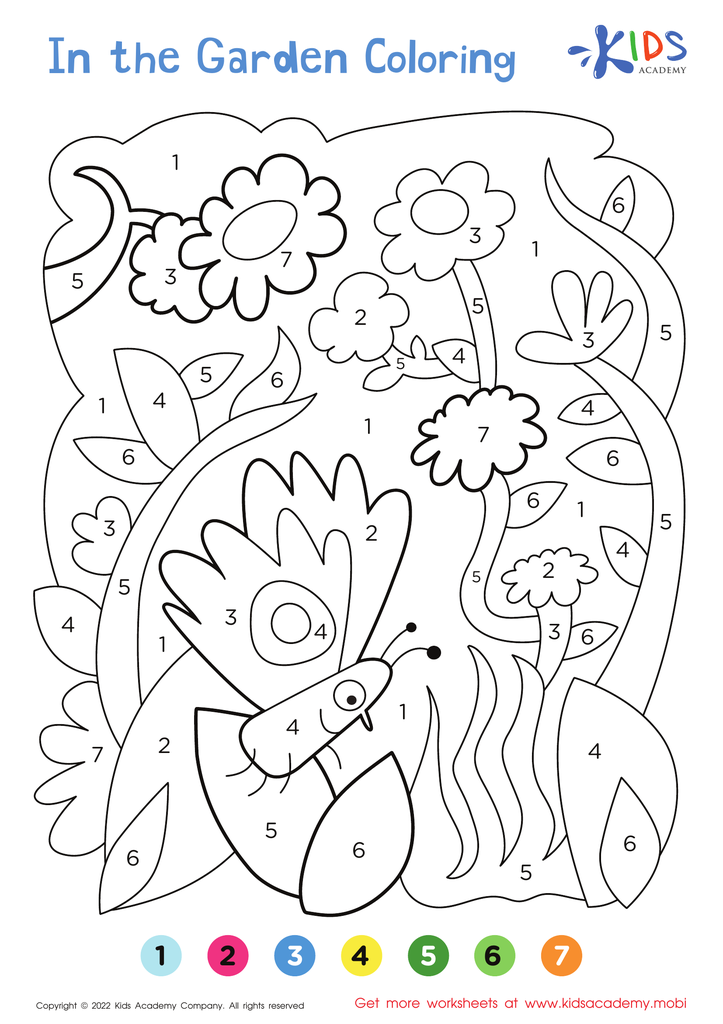
In the Garden – Coloring by Numbers







Color recognition is an essential aspect of cognitive development for children, and teaching 9-year-olds about color recognition in plants can be both engaging and beneficial. Understanding plant colors helps children appreciate the diversity of nature and fosters observational skills, which are vital for scientific inquiry.
By learning to identify and name the colors of various plants, children enhance their vocabulary and learn to associate colors with specific characteristics, such as the health or ripeness of fruits and flowers. This connection can stimulate curiosity about plant biology and ecosystems, nudging them toward potentially developing interests in environmental science, gardening, or conservation.
Moreover, color recognition can improve children's artistic abilities as they emulate the vibrant hues found in nature. Engaging in activities related to plant color, like drawing or gardening, can strengthen fine motor skills and promote creativity.
Lastly, when parents and teachers incorporate themes of color recognition into lessons about plants, they create a multi-sensory experience that promotes learning in an enjoyable and memorable way. This approach not only supports academic growth but also nurtures a lifelong respect for nature, which is crucial for fostering future environmentally conscious adults.