Recognizing shapes Worksheets for 9-Year-Olds
13 filtered results
-
From - To
Enhance your 9-year-old's geometry skills with our engaging and educational Recognizing Shapes Worksheets. Designed to make learning fun, these worksheets help children identify and categorize various shapes by their attributes. Each activity challenges students to analyze and differentiate shapes, fostering critical thinking and problem-solving abilities. Perfect for use at home or in the classroom, our worksheets align with educational standards and support the development of foundational math skills. Give your child the opportunity to excel in geometry with our expertly crafted Recognizing Shapes Worksheets, available for download and print through Kids Academy.
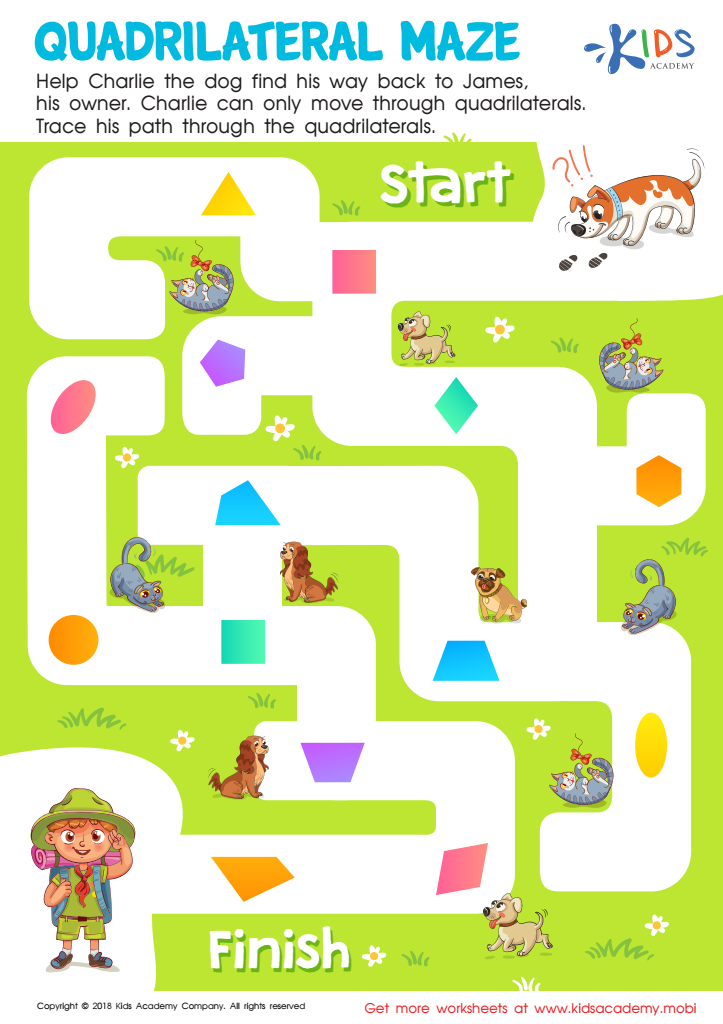
Quadrilateral Maze Worksheet
 Assign to My Students
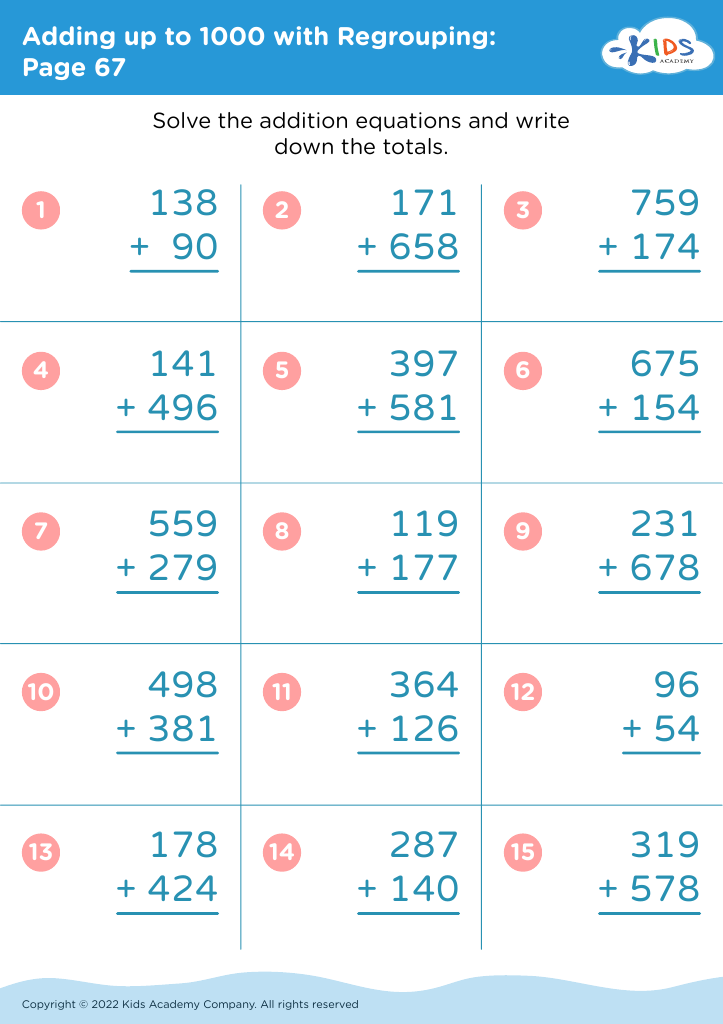
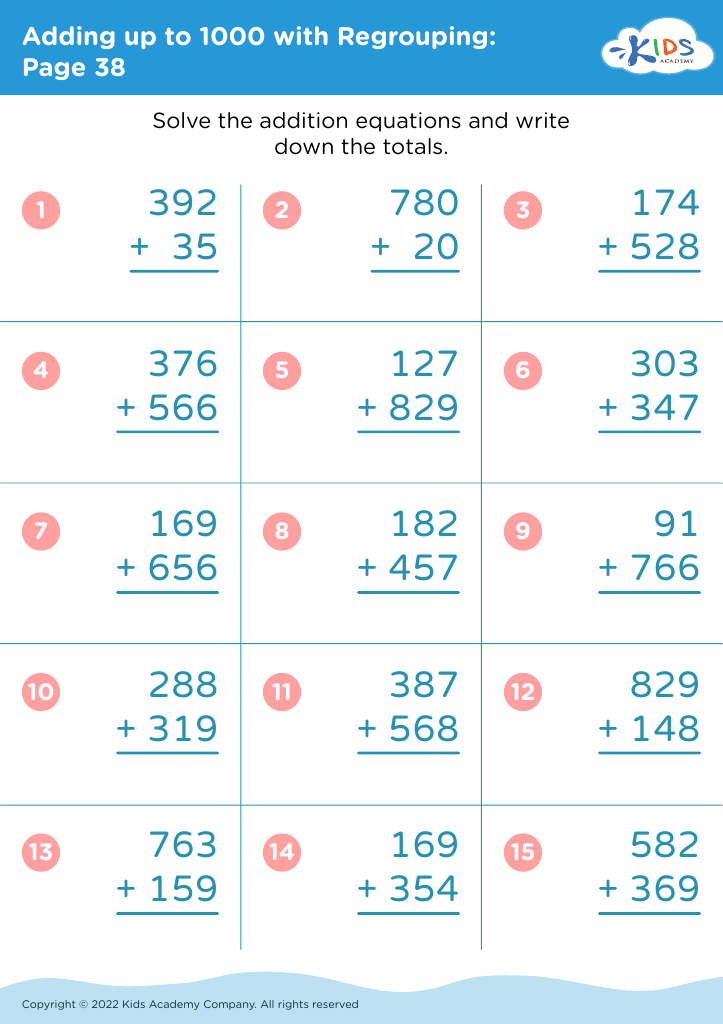
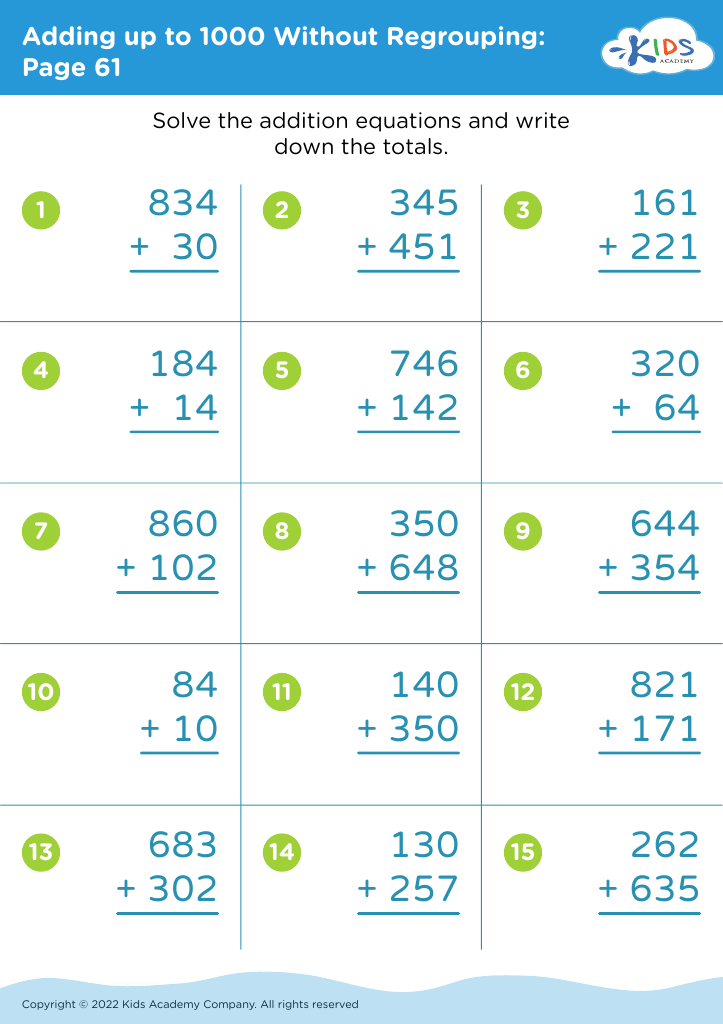
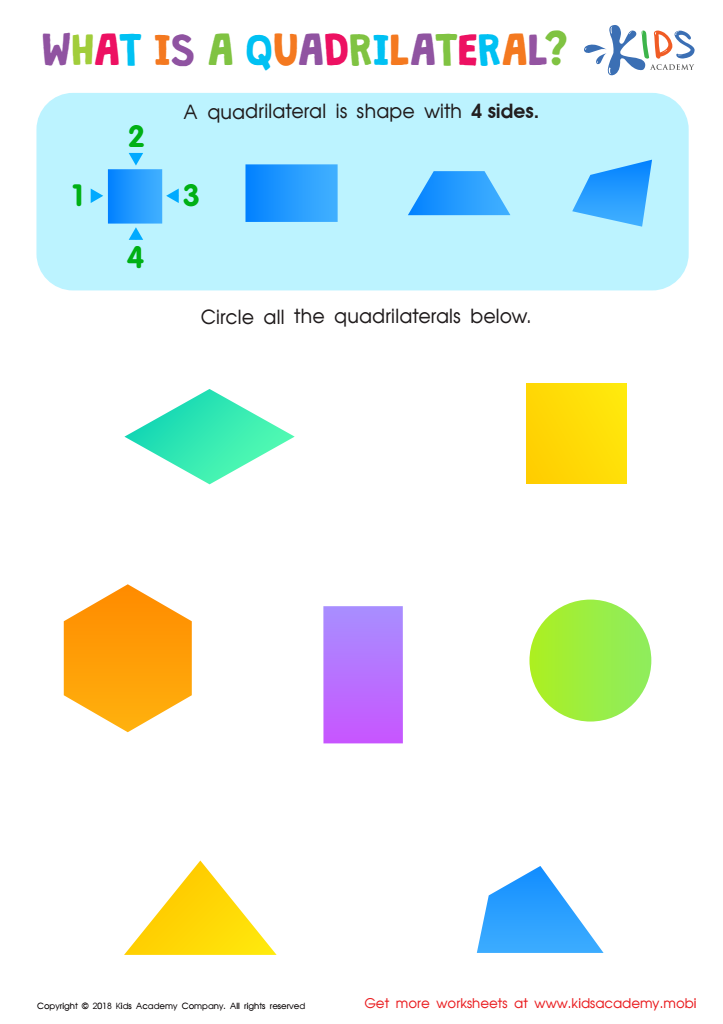
What Is a Quadrilateral? Worksheet








Recognizing shapes is an essential skill for 9-year-olds, offering multiple educational and developmental benefits. For one, it forms a foundational block for geometry, which is a critical aspect of mathematics. Early recognition of shapes helps children understand properties, relationships, and spatial reasoning—skills crucial not just in math but in everyday problem-solving situations.
Moreover, learning to recognize shapes enhances visual perception and cognitive processing. These skills enable children to differentiate objects, understand spatial orientation, and develop better hand-eye coordination. For instance, understanding the difference between a circle and a square involves recognizing and interpreting visual details, which is directly applicable to reading and writing skills.
Shapes also permeate our daily environments and identifying them can foster a child's observational skills. Recognizing shapes in nature, art, and architecture can inspire creativity and appreciation for the world around them. Additionally, engaging in shape-based games and activities can be a fun, interactive method of bonding with children, promoting social skills and positive learning experiences.
For both parents and teachers, nurturing this skill means supporting a child's academic growth and overall cognitive development. By emphasizing the importance of shapes, they can help build a strong foundation which is crucial for more advanced learning and practical life skills.








