
Vocabulary improvement Worksheets for 9-Year-Olds
4 filtered results
Difficulty Level
Grade
Age
-
From - To
Subject
Activity
Standards
Unlock your child's potential with our engaging Vocabulary Improvement Worksheets for 9-Year-Olds. These printable activities are designed by educators to enhance vocabulary using fun, age-appropriate tasks. Featuring intriguing word puzzles, creative writing prompts, and reading comprehension exercises, these worksheets aid in acquiring new words and understanding their use in various contexts. Perfect for both classroom and home use, our resources emphasize language skills vital for academic success. Boost your child's confidence in reading, writing, and communication while making learning an enjoyable experience. Join us to nurture a love for words and a strong linguistic foundation.
Favorites
With answer key
Interactive

Sun Facts Worksheet
Test your child's reading comprehension with this sun facts PDF worksheet! It offers a quiz to help kids hone their knowledge on the sun. A fun way to learn, it puts their skills to the test!
Sun Facts Worksheet
Worksheet
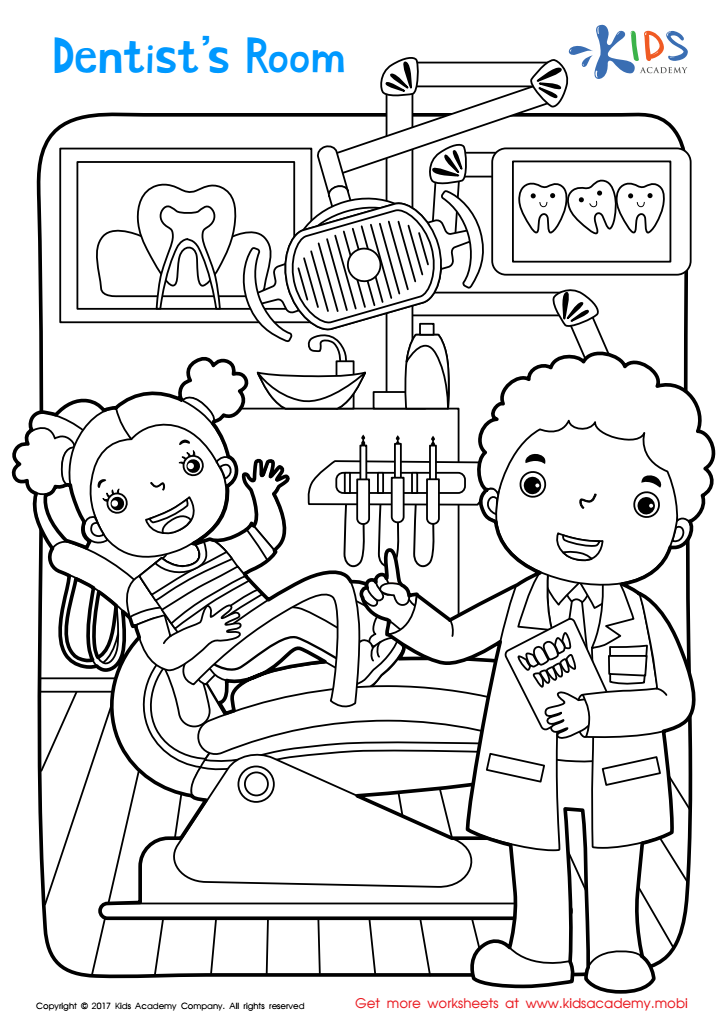
Dental Coloring Page Worksheet
Make your kid's dental visit fun and educational with our coloring page! It will help familiarize children with the dentist's office, from the chair to the tools. Plus, they'll learn about the dentistry profession.
Download (PDF)
 Assign to My Students
Assign to My Students
Dental Coloring Page Worksheet
Worksheet
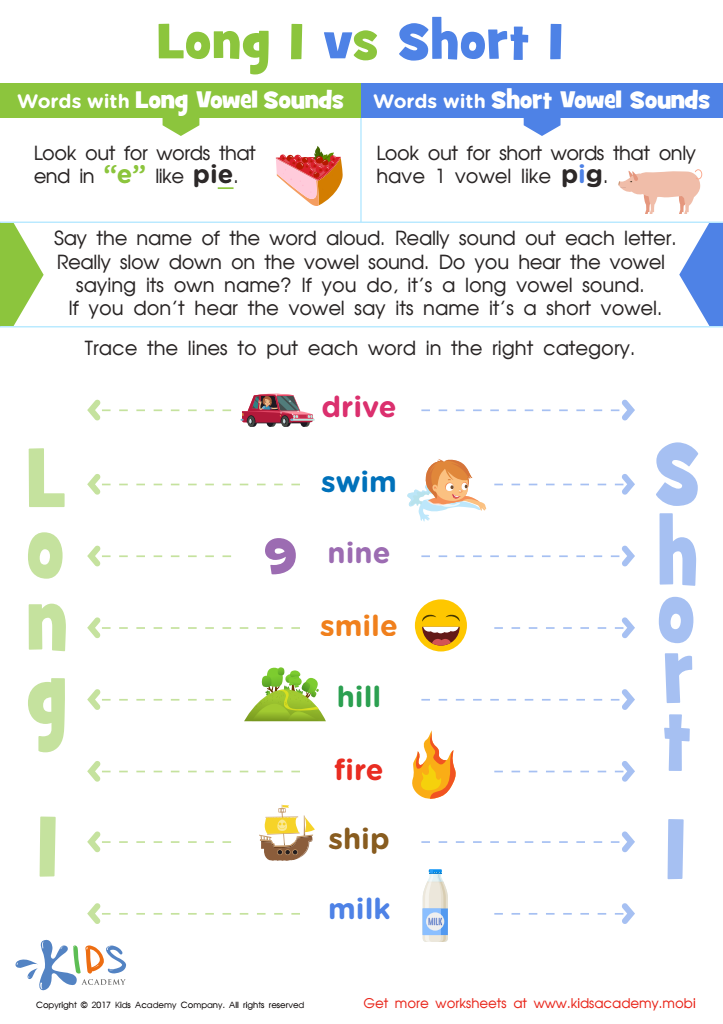
Long and Short Vowel I Spelling Worksheet
When it comes to long "I" sounds, kids should look out for the letter "E" at the end. With examples and sounding out words, kids will improve spelling skills with this long/short "I" worksheet!
Long and Short Vowel I Spelling Worksheet
Worksheet
Join Kids Academy for Free
Who is primarily going to use this learning content?







Vocabulary improvement is crucial for 9-year-olds as it forms the foundation of effective communication, reading comprehension, and academic success. Enhanced vocabulary equips children with the words they need to express their thoughts, emotions, and needs more precisely, aiding in better interpersonal skills. At this developmental stage, children transition from learning to read to reading to learn. A robust vocabulary directly supports this shift, enabling children to understand and engage with complex texts across various subjects.
Moreover, vocabulary growth influences a child's cognitive development. Learning new words encourages them to think critically, make connections, and expand their knowledge base. This cognitive flexibility is essential for problem-solving and analytical thinking. Additionally, possessing a strong vocabulary boosts confidence. Children who can articulate their ideas well are more likely to participate in class discussions, ask questions, and seek help when needed.
For teachers and parents, nurturing vocabulary and toolkit opens doors for richer educational experiences and broadens cultural understanding. By integrating vocabulary games, reading sessions, and conversations at home, parents, and teachers create an enriching environment that promotes lifelong learning and curiosity. Thus, investing time in vocabulary improvement at this pivotal age sets a solid groundwork for future academic and personal achievements.








