Understanding fractions Addition & Subtraction Worksheets for 9-Year-Olds - Page 2

Check out this FREE Trial Lesson on Addition & Subtraction for age 9!

T

Favorites
With answer key
Interactive
  • 9
  • Understanding fractions
  • Addition & Subtraction
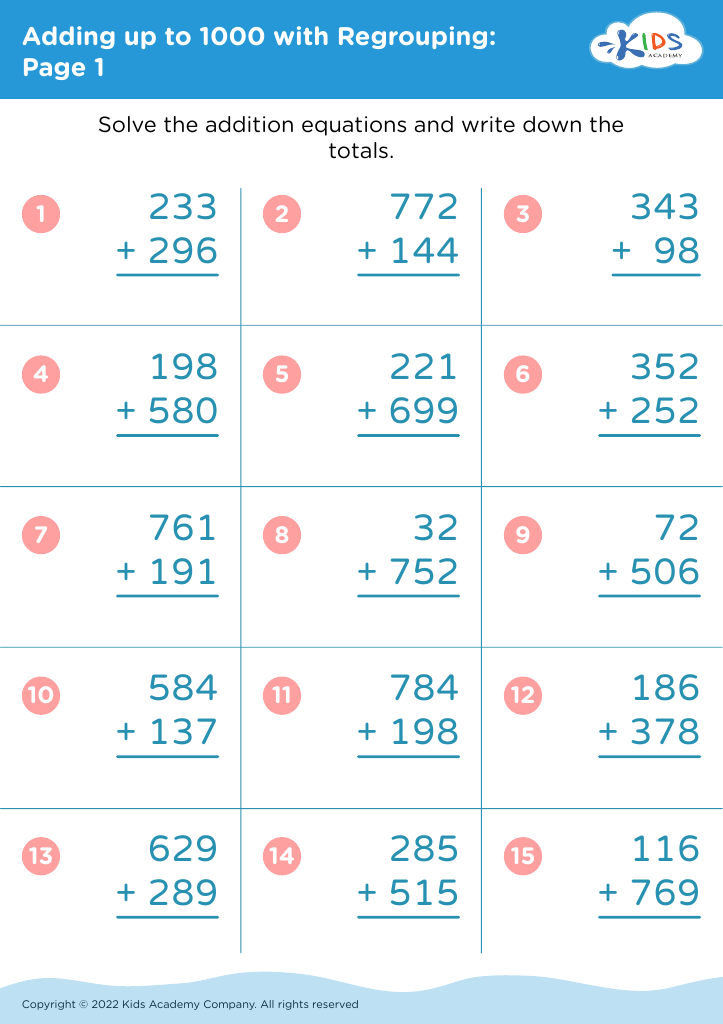
Adding up to 1000 with Regrouping: Page 1
Worksheet
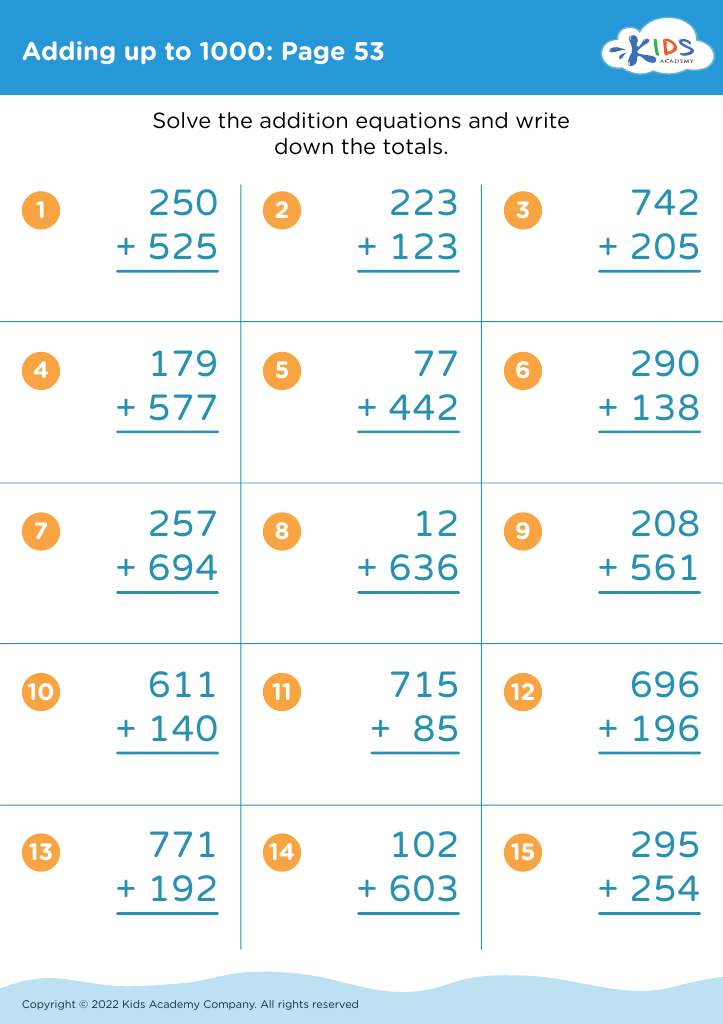
Adding up to 1000: Page 53

Adding up to 1000: Page 53

Adding up to 1000: Page 53
Worksheet
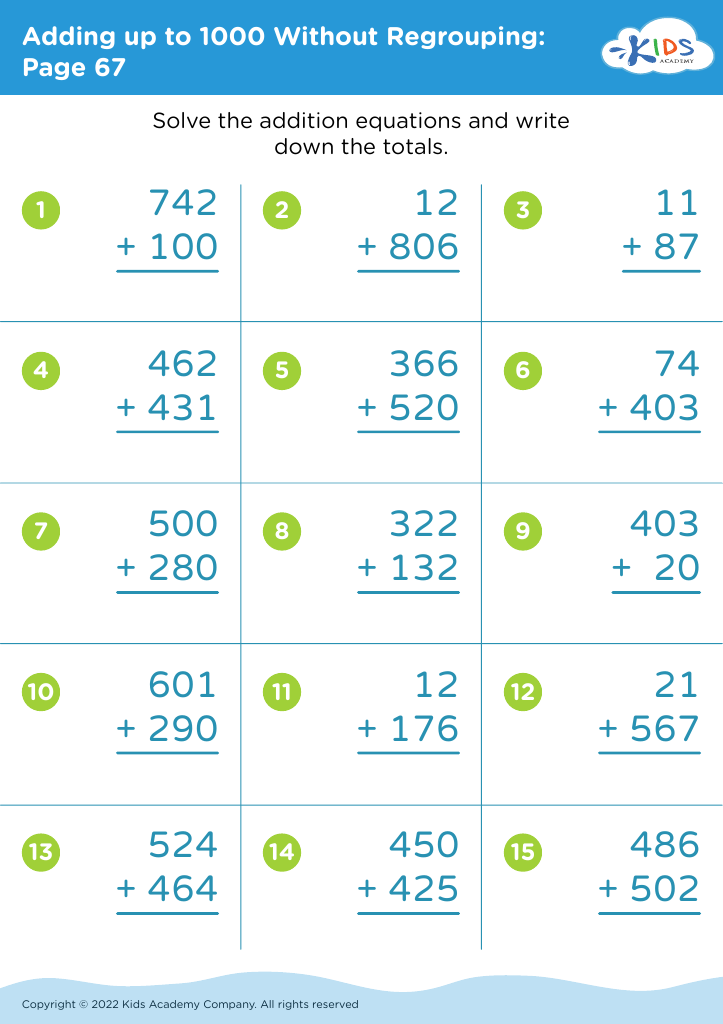
Adding up to 1000 Without Regrouping: Page 67
Worksheet
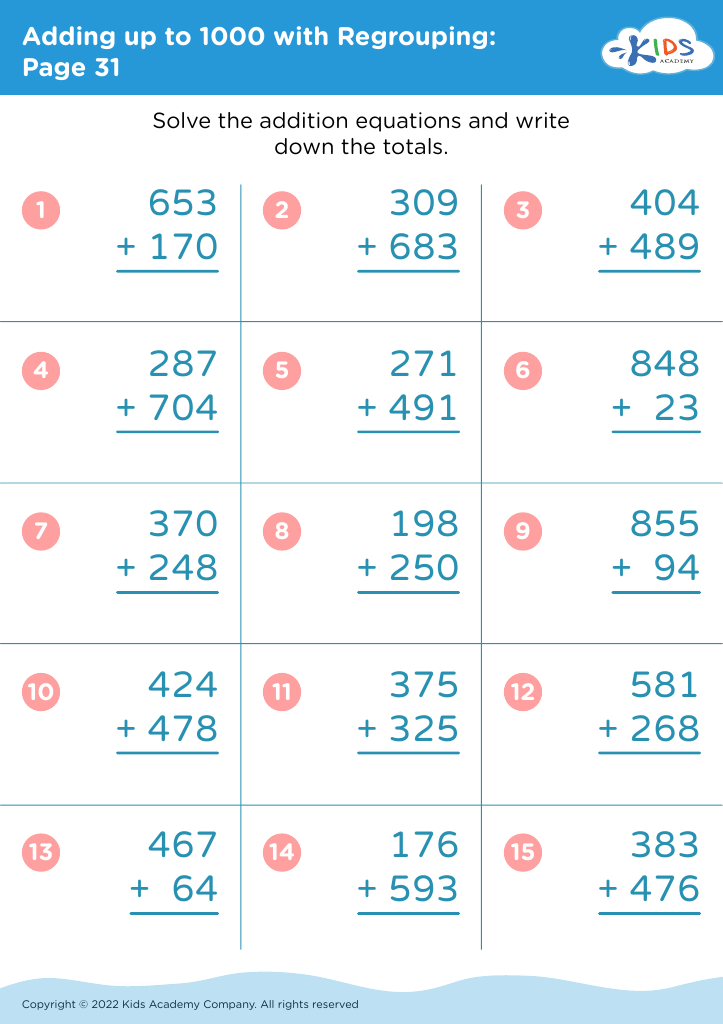
Adding up to 1000 with Regrouping: Page 31
Worksheet
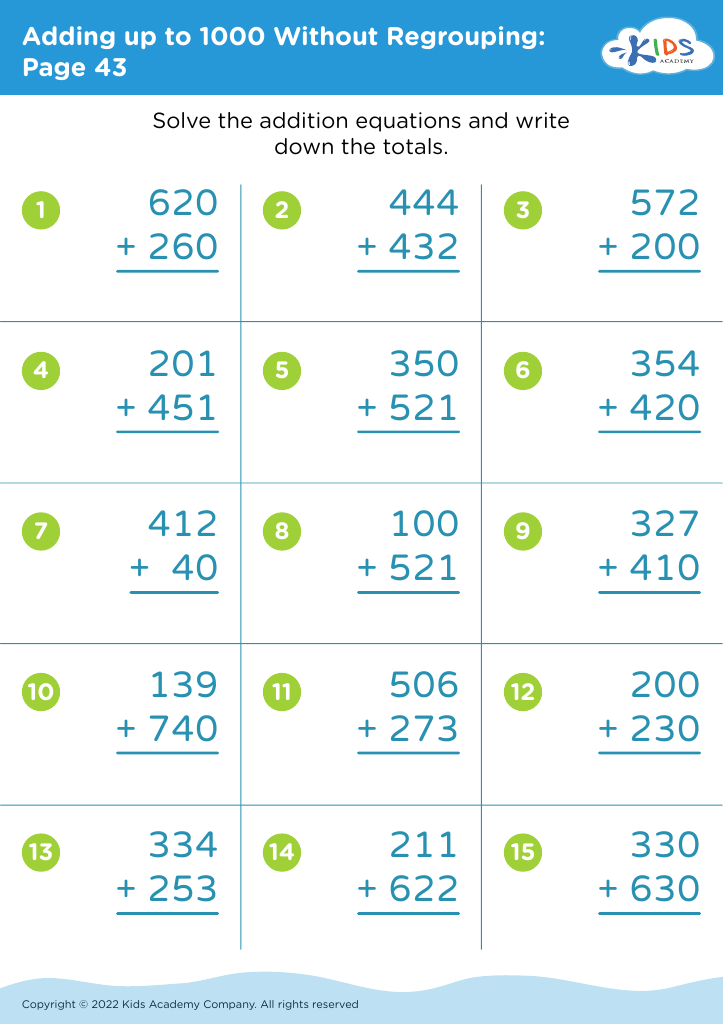
Adding up to 1000 Without Regrouping: Page 43
Worksheet
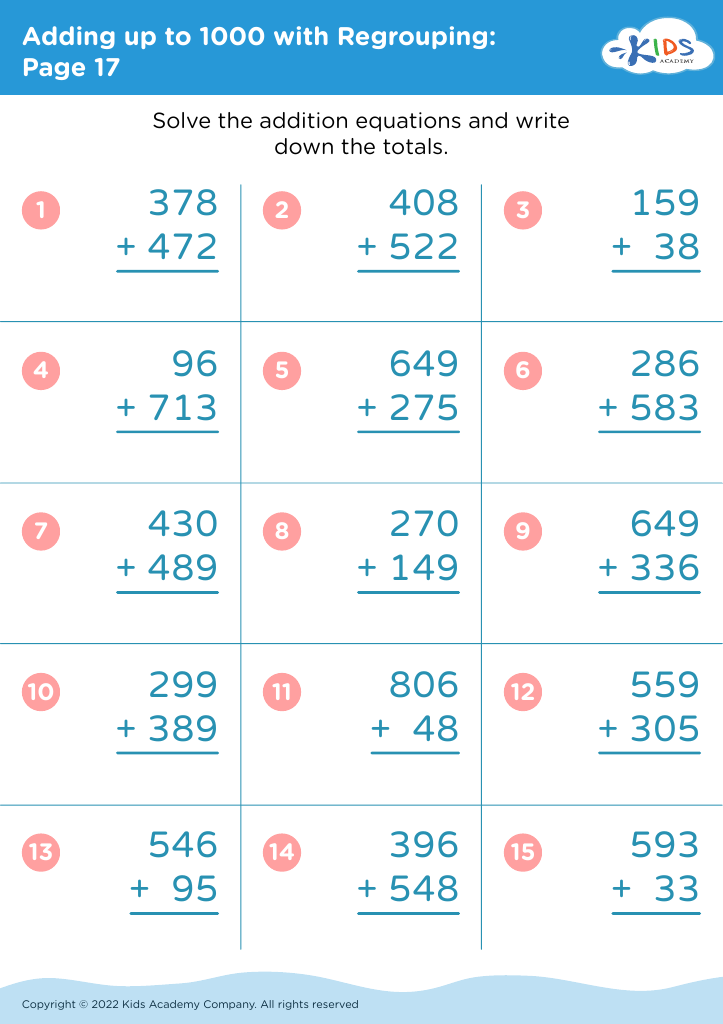
Adding up to 1000 with Regrouping: Page 17
Worksheet
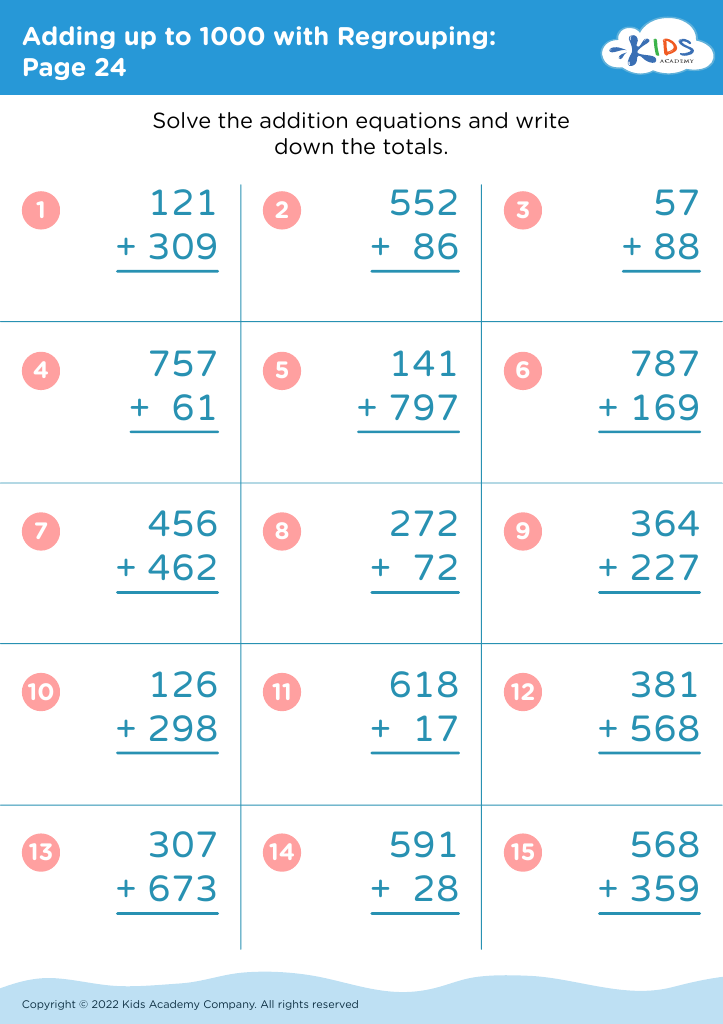
Adding up to 1000 with Regrouping: Page 24
Worksheet
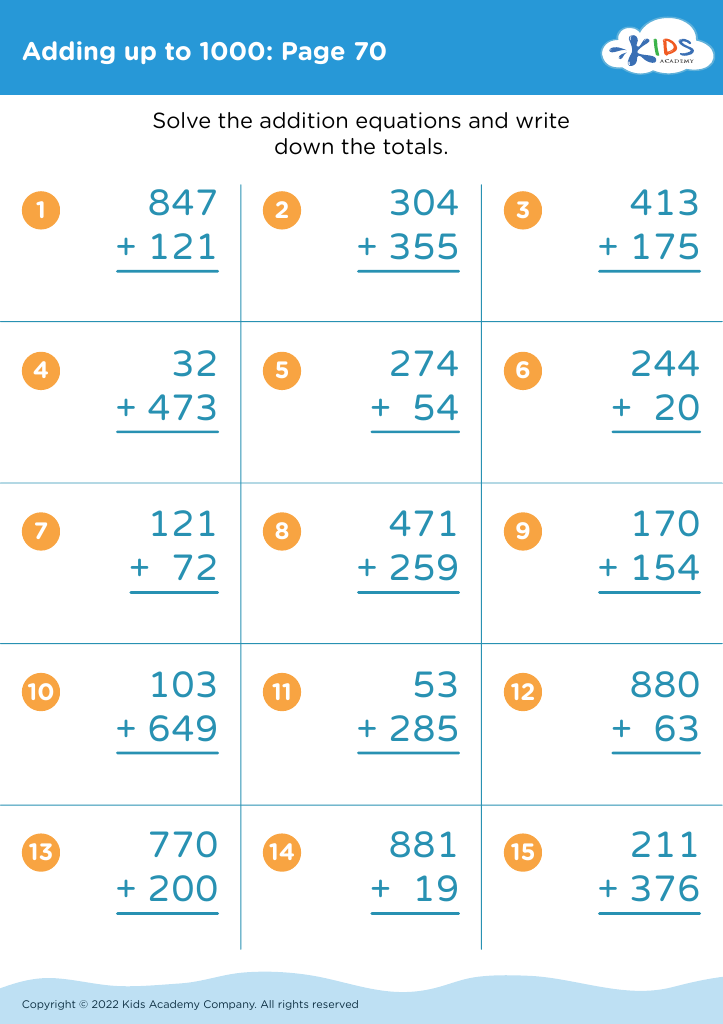
Adding up to 1000: Page 70

Adding up to 1000: Page 70

Adding up to 1000: Page 70
Worksheet
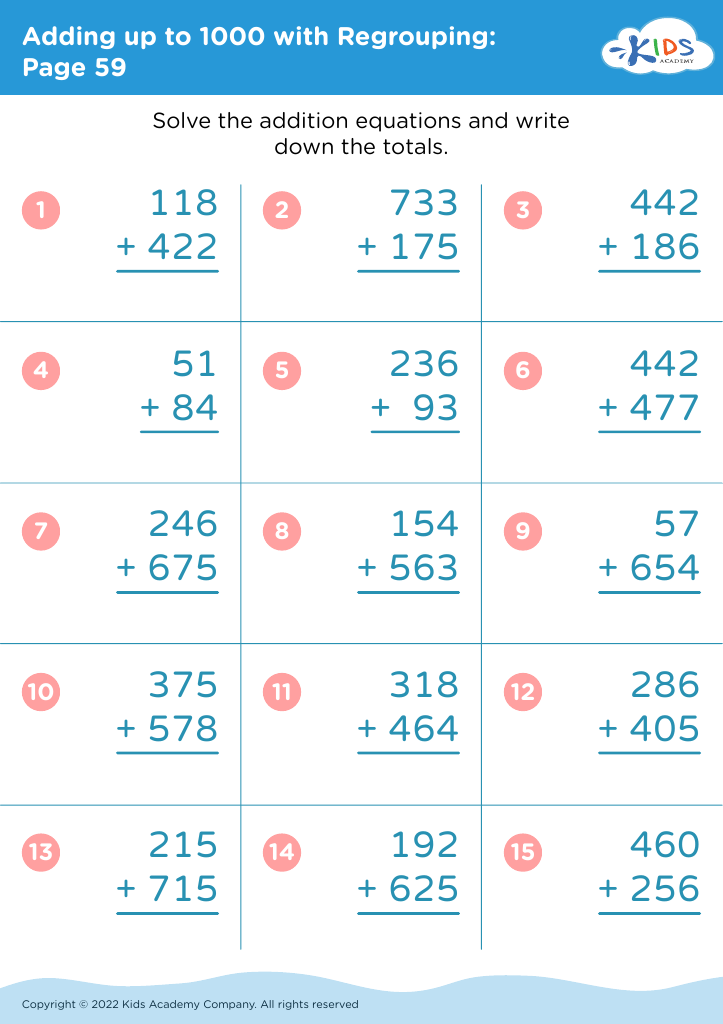
Adding up to 1000 with Regrouping: Page 59
Worksheet
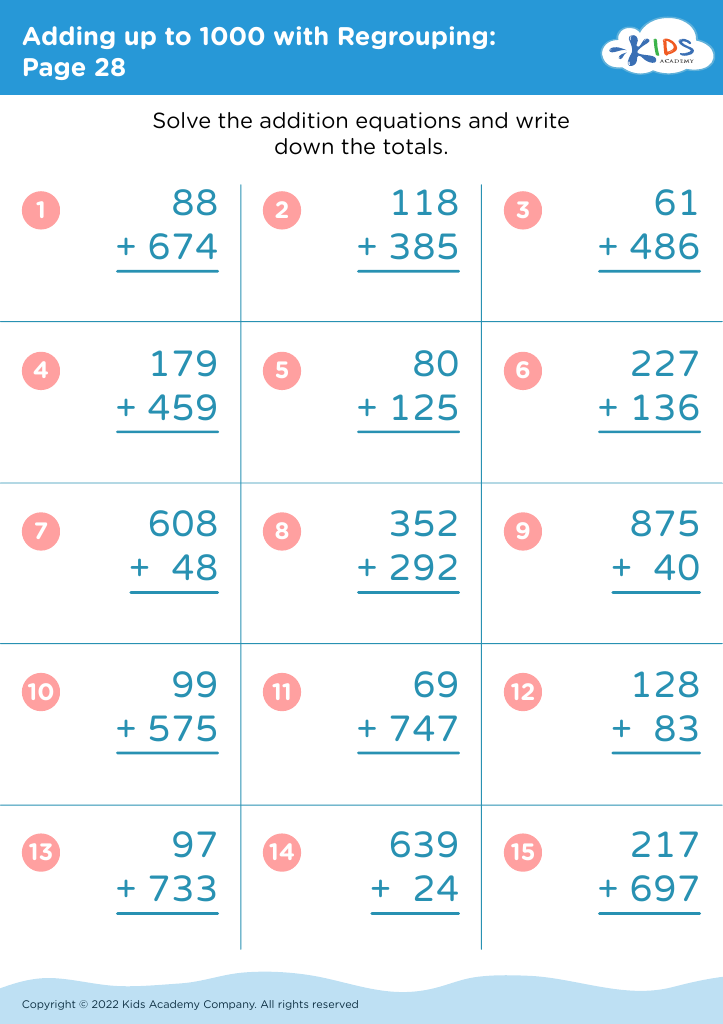
Adding up to 1000 with Regrouping: Page 28
Worksheet
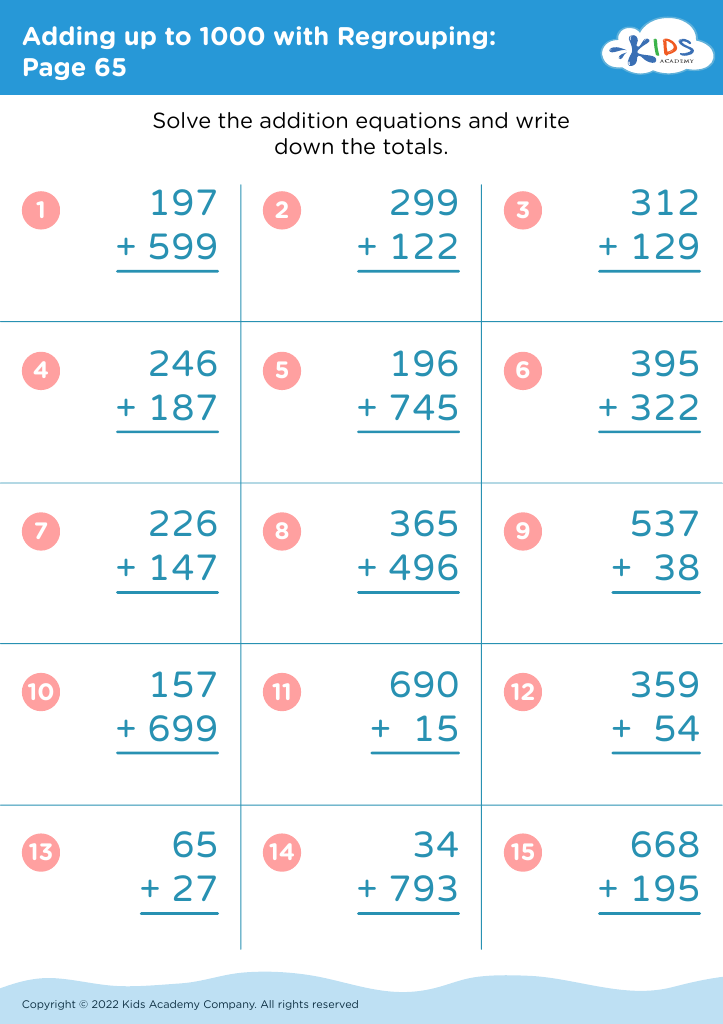
Adding up to 1000 with Regrouping: Page 65
Worksheet
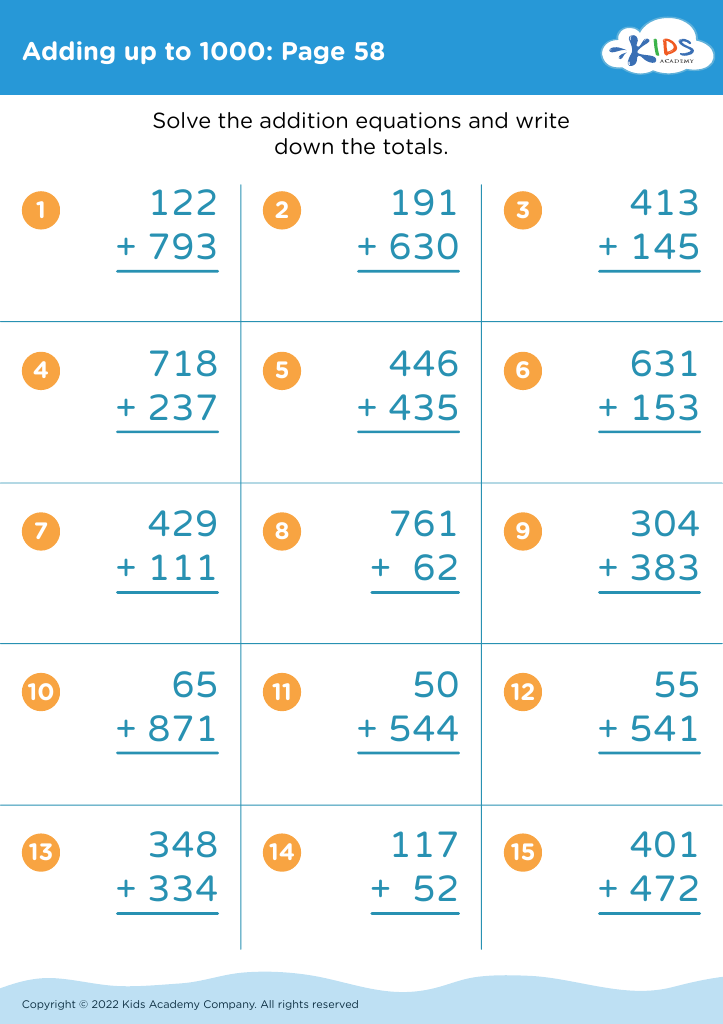
Adding up to 1000: Page 58

Adding up to 1000: Page 58

Adding up to 1000: Page 58
Worksheet
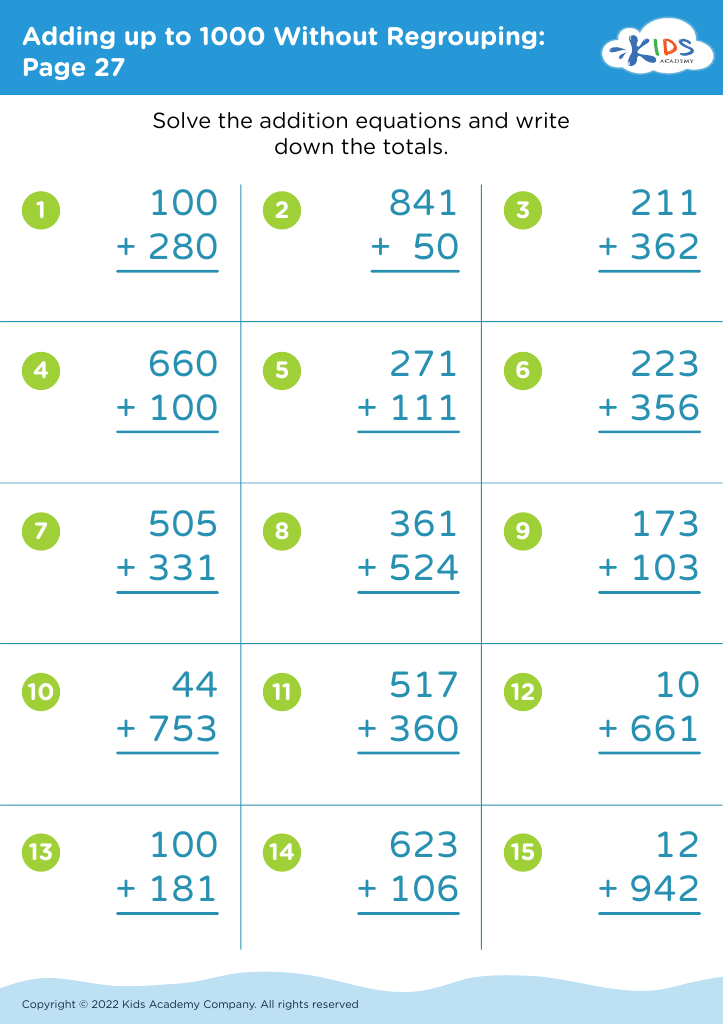
Adding up to 1000 Without Regrouping: Page 27
Worksheet
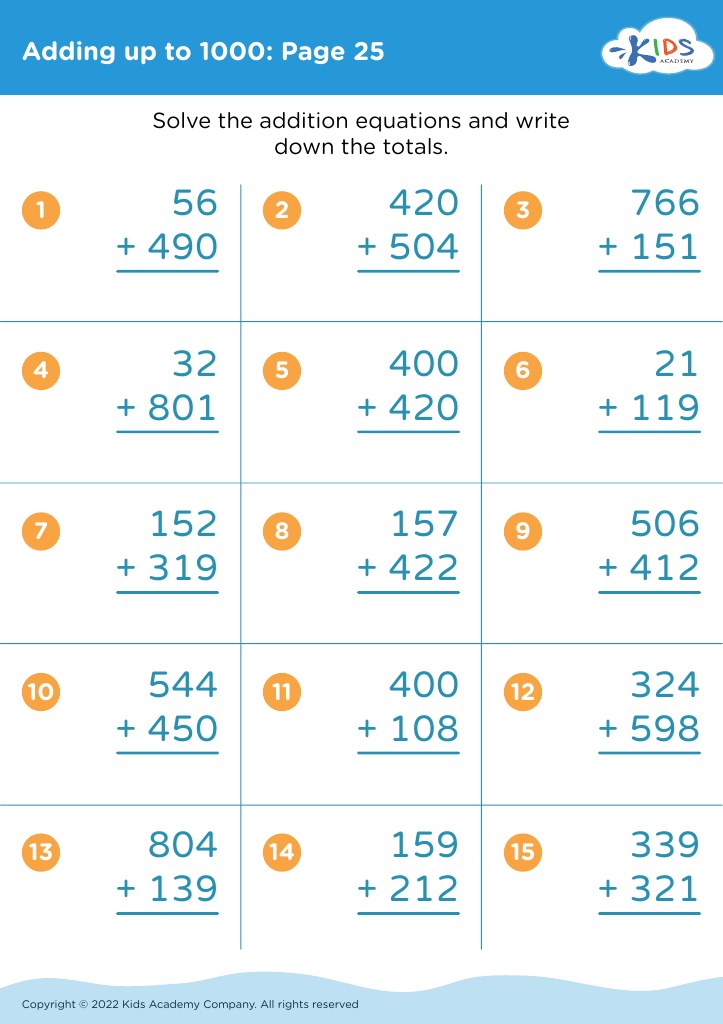
Adding up to 1000: Page 25

Adding up to 1000: Page 25

Adding up to 1000: Page 25
Worksheet
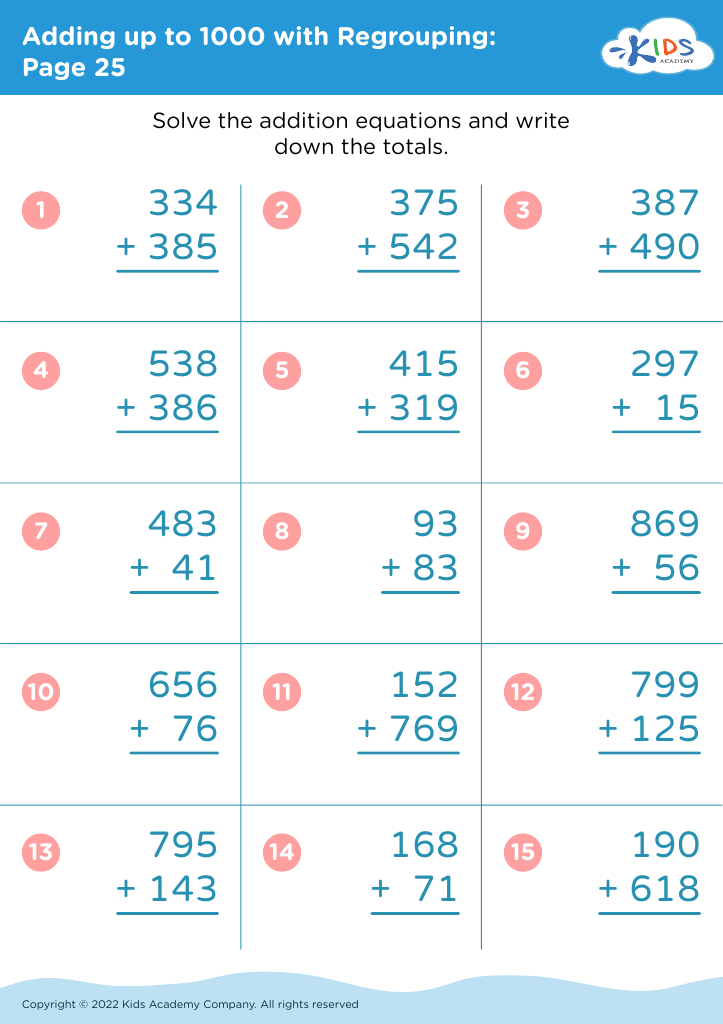
Adding up to 1000 with Regrouping: Page 25
Worksheet
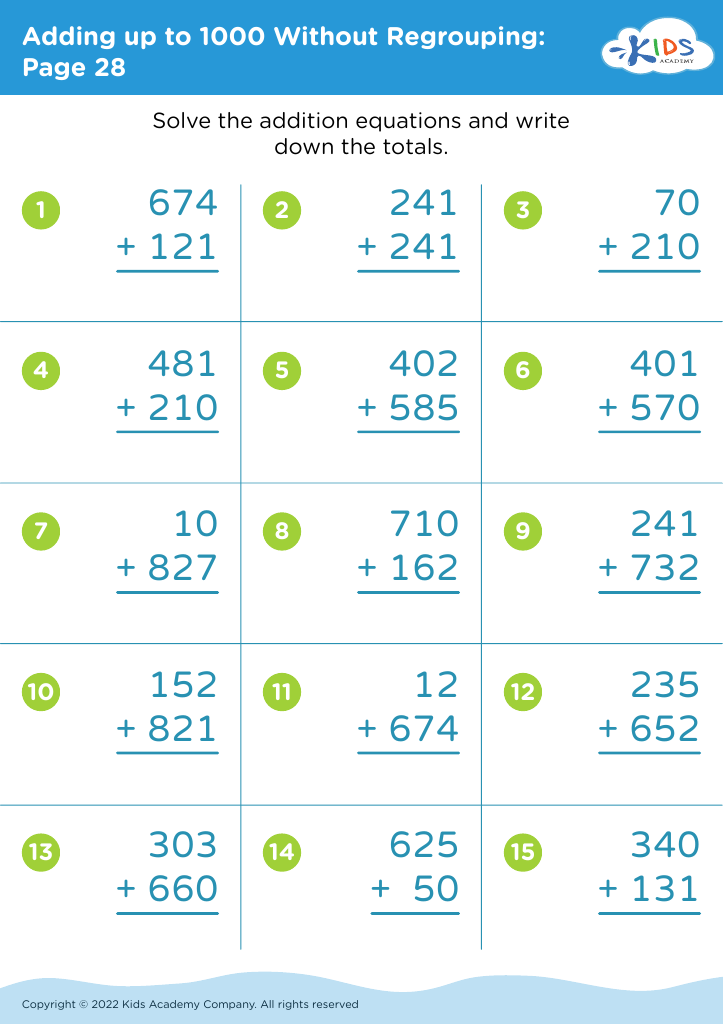
Adding up to 1000 Without Regrouping: Page 28
Worksheet
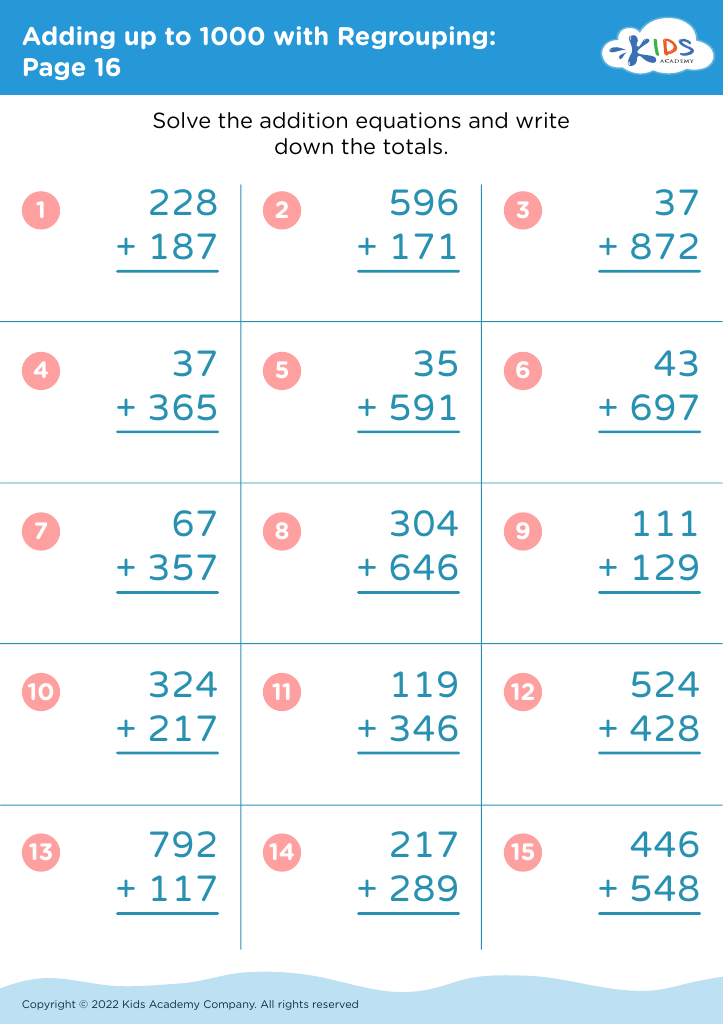
Adding up to 1000 with Regrouping: Page 16
Worksheet
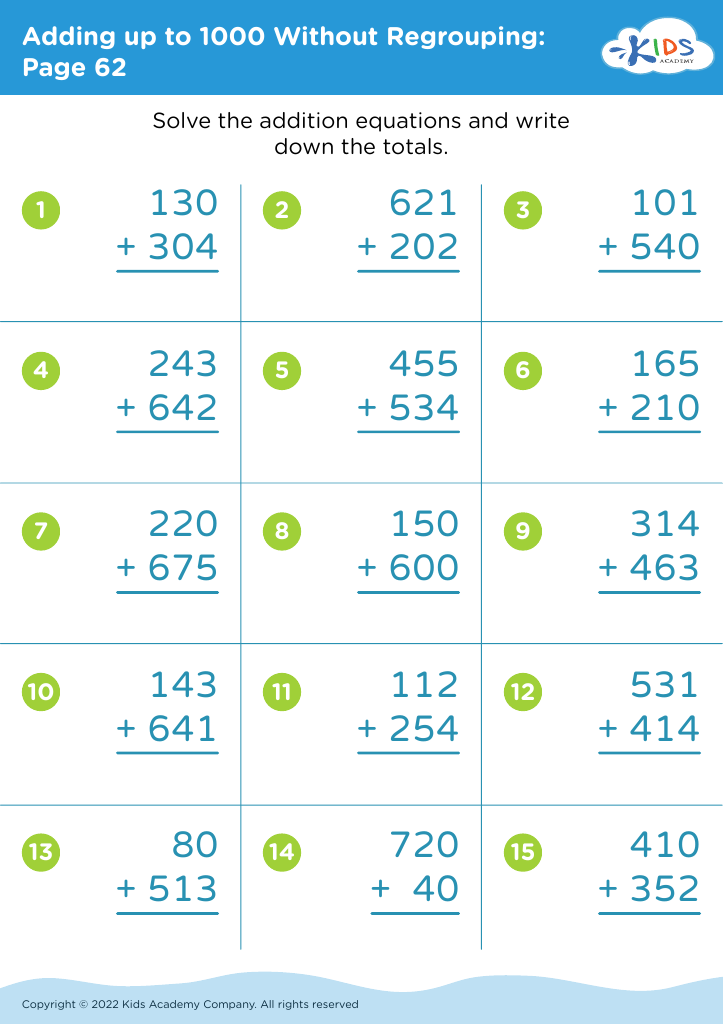
Adding up to 1000 Without Regrouping: Page 62
Worksheet
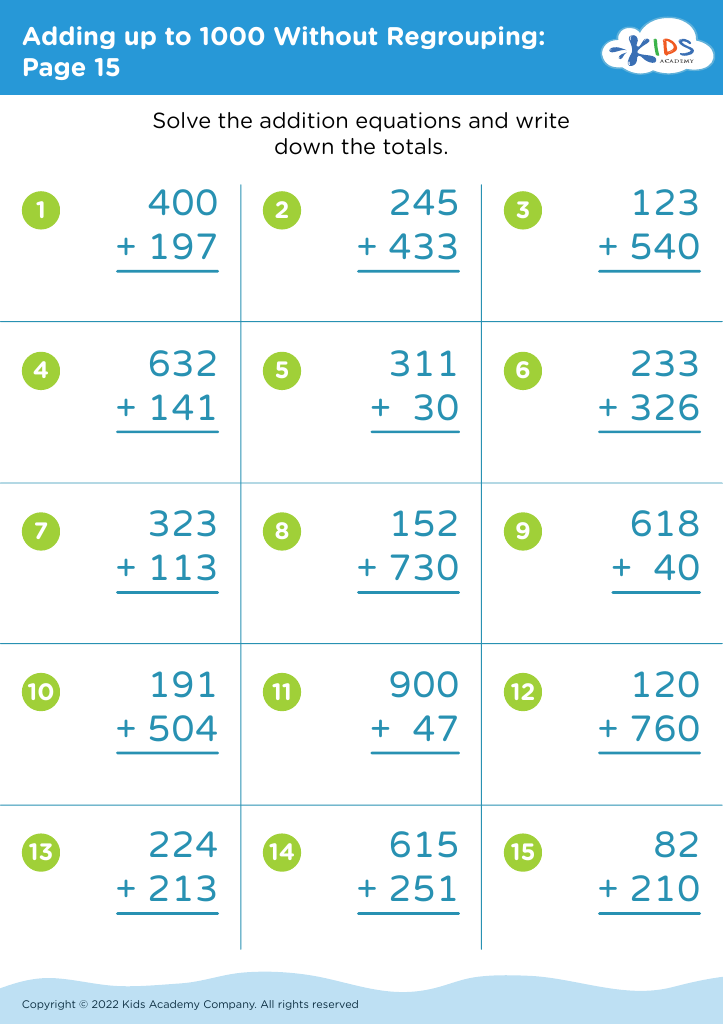
Adding up to 1000 Without Regrouping: Page 15
Worksheet
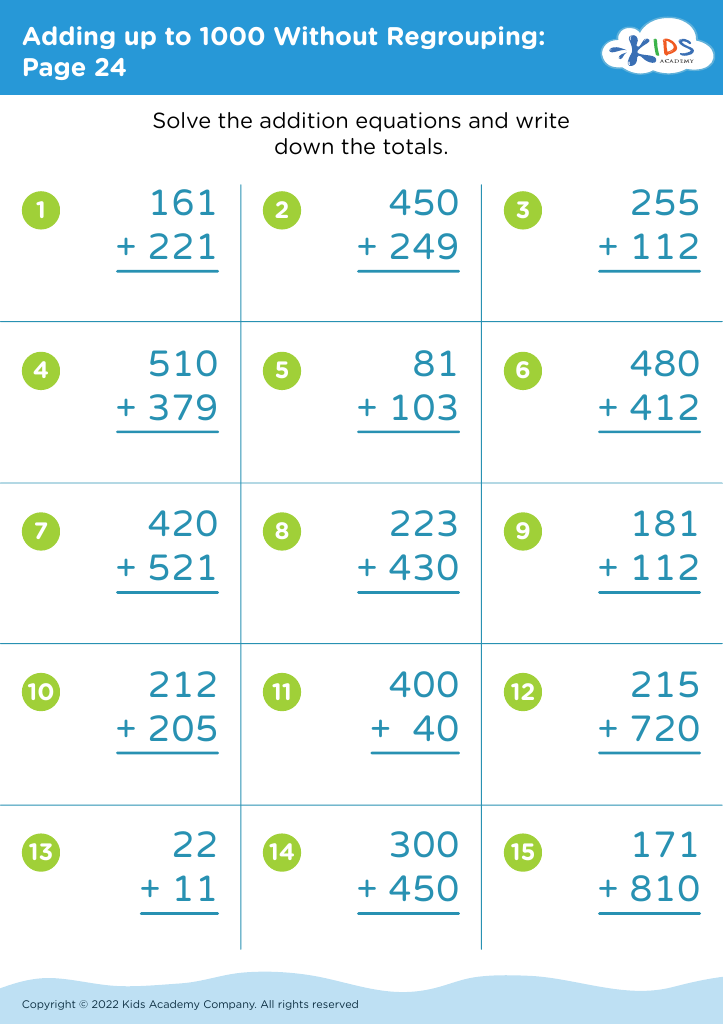
Adding up to 1000 Without Regrouping: Page 24
Worksheet


Understanding fractions, especially addition and subtraction, is crucial for 9-year-olds as it lays the foundation for future mathematical concepts. At this age, children transition from concrete operations to more abstract thinking, making it vital for parents and teachers to support their grasp of fractions.

Firstly, fractions are a fundamental aspect of daily life. Cooking, shopping, and dividing resources often involve fractional considerations. By comprehending fractions, children can make informed decisions and solve everyday problems confidently.

Moreover, success in more advanced mathematics hinges on a solid understanding of fractions. Concepts such as ratios, percentages, and algebra rely heavily on fraction knowledge. If children struggle with these foundational skills, they may encounter challenges later in their academic journeys, resulting in a lack of confidence in math.

Encouragement and direct engagement from parents and teachers are also essential. Positive reinforcement and practical applications can foster a deeper understanding and appreciation for fractions. When parents and teachers collaboratively create a supportive learning environment, they can inspire a love for math while ensuring children cultivate critical thinking and problem-solving skills. This investment in understanding fractions ultimately nurtures well-rounded learners prepared for future academic challenges.