Recognize shapes Math Worksheets for 9-Year-Olds
4 filtered results
-
From - To
Explore our engaging "Recognize Shapes Math Worksheets" designed specifically for 9-year-olds! These worksheets offer an exciting way for children to identify, categorize, and understand various shapes in a fun and interactive manner. Each worksheet incorporates bright visuals and age-appropriate activities that challenge young learners to recognize both 2D and 3D shapes while enhancing their critical thinking skills. Effective for home or classroom use, our resources aim to build a strong foundation in geometry. Encourage your child's mathematical journey today and watch them gain confidence as they master the skills of shape recognition with our thoughtfully crafted worksheets!



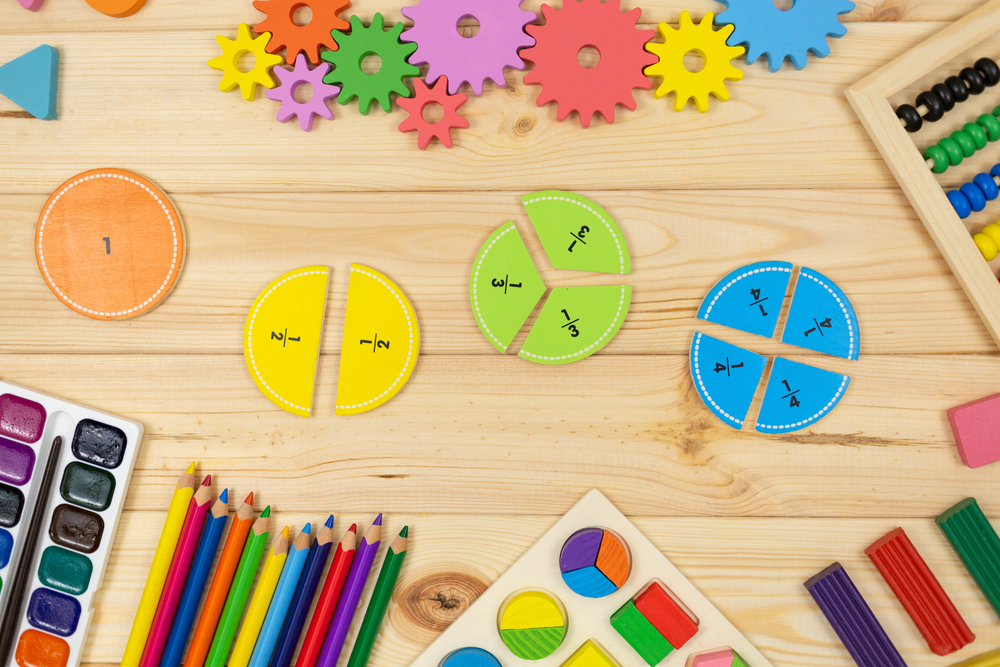



Recognizing shapes is a fundamental aspect of mathematics that lays the groundwork for spatial understanding and geometry, crucial for a child's overall cognitive development. For 9-year-olds, mastering shape recognition not only enhances their ability to identify and categorize objects but also supports critical thinking and problem-solving skills. Parents and teachers should care about this area of learning because it extends beyond the classroom and into real-world applications.
As children recognize different shapes and their properties, they become more adept at visualizing and manipulating objects in space, which is invaluable in STEM fields. Additionally, engaging with shapes fosters creativity, as children learn to see connections between art and math, encouraging them to express themselves through design or architecture.
Moreover, recognizing shapes can boost mathematical fluency by serving as a bridge to more complex topics such as measurement and algebra. By nurturing these skills early on, parents and teachers help to build a strong mathematical foundation that can enhance children's confidence and enthusiasm for learning.
Ultimately, focusing on shape recognition empowers children to develop essential skills while enriching their understanding of the world around them, making it a vital area of focus for educators and caregivers alike.








