Color recognition Nursery Rhymes Worksheets for 9-Year-Olds
3 filtered results
Difficulty Level
Grade
Age
-
From - To
Subject
Activity
Standards
Explore our engaging Color Recognition Nursery Rhymes Worksheets, perfect for 9-year-olds! Designed to merge fun and learning, these worksheets blend classic nursery rhymes with interactive color recognition activities. Children will enhance their cognitive and fine motor skills while enjoying beloved rhymes. Each worksheet provides opportunities to identify colors, boost memory, and build vocabulary. Our thoughtfully crafted materials ensure that learning remains stimulating and enjoyable. Visit Kids Academy to provide quality educational experiences that inspire creativity and foster essential learning skills. Help your child master color recognition in an entertaining and meaningful way today!
Favorites
With answer key
Interactive
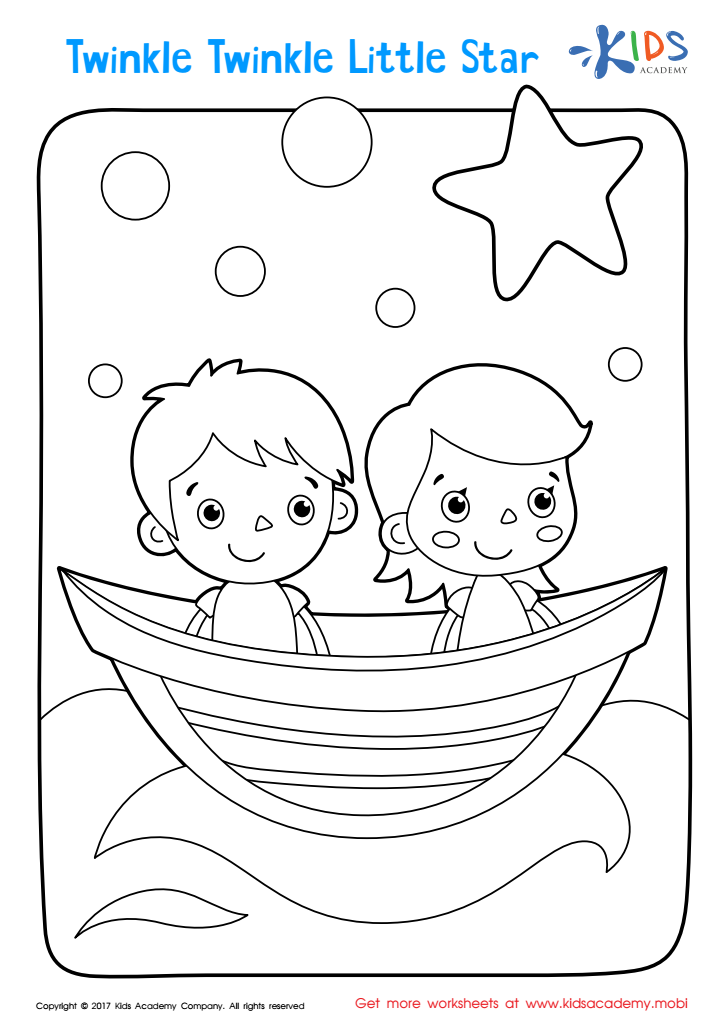
Twinkle Twinkle Little Star Coloring Page
Let your child wish upon a star as they color this scene of boy and girl stargazing. Sing Twinkle Twinkle Little Star while they choose colors to show the star twinkling in the night sky.
Download (PDF)
 Assign to My Students
Assign to My Students
Twinkle Twinkle Little Star Coloring Page
Worksheet
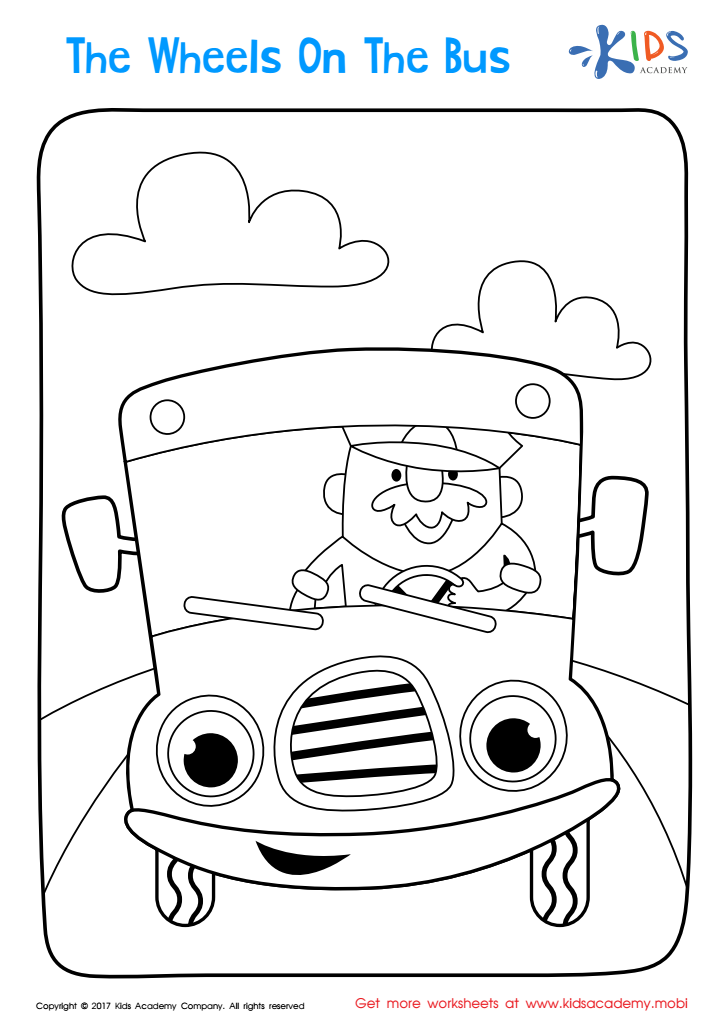
The Wheels on the Bus Coloring Page
Colour and sing with this printable Wheels on the Bus page! Let your child have fun singing the song with you as they colour. It'll make the activity even more entertaining and memorable.
Download (PDF)
Assign to My Students
Assign to My Students
The Wheels on the Bus Coloring Page
Worksheet
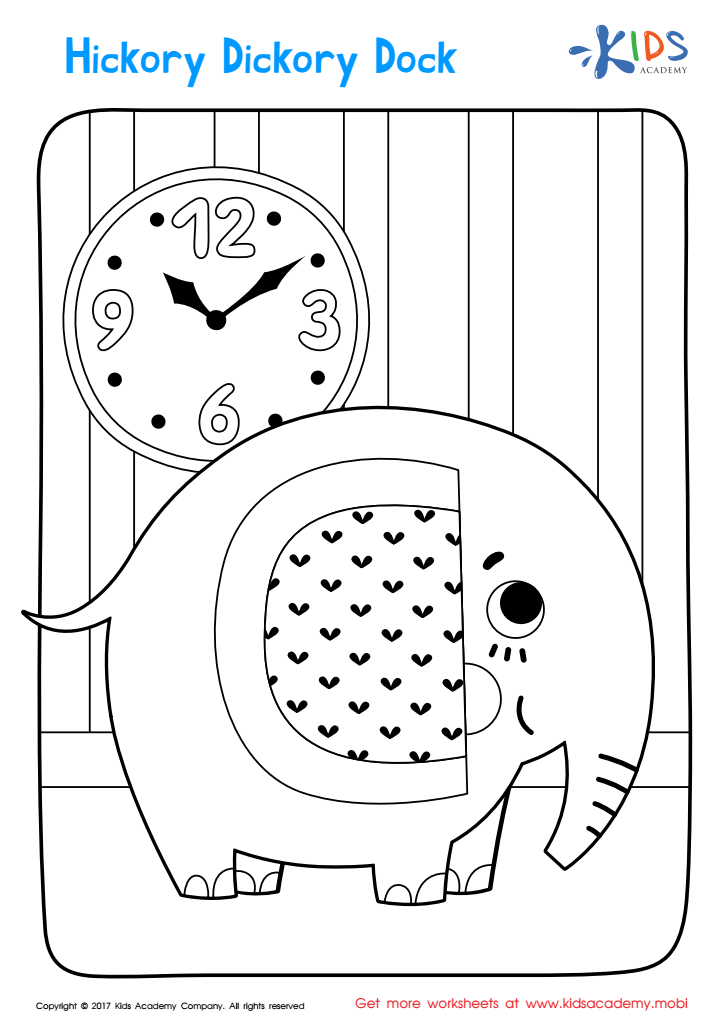
Hickory Dickory Dock Coloring Page
Sing and color with your child! Enjoy the classic nursery rhyme Hickory Dickory Dock as they color this fun printable. Watch the elephant climb and crash down the clock in the final part of the song. It's sure to bring smiles and giggles!
Download (PDF)
Assign to My Students
Assign to My Students
Hickory Dickory Dock Coloring Page
Worksheet
Join Kids Academy for Free
Who is primarily going to use this learning content?








Color recognition nursery rhymes might seem more relevant to younger children, but they still hold value for 9-year-olds. At this age, children are mastering more complex skills and knowledge, but reinforcing foundational skills like color recognition can enrich their learning experiences and creativity.
Firstly, these rhymes create a fun and engaging method to reinforce basic concepts, ensuring that children retain this knowledge as they grow. They often incorporate rhythm and repetition, which can enhance memory retention and make learning enjoyable.
Additionally, nursery rhymes that focus on colors can be a gateway to more integrated learning experiences. For instance, they can serve as a basis for discussing natural phenomena (why the sky is blue), cultural contexts (like colors in different festivals), or artistic pursuits (mixing paint to match colors).
Moreover, using color recognition nursery rhymes can support children with learning difficulties or those who benefit from repetitive, lyrical structure. They provide a multi-sensory learning experience, combining auditory, visual, and kinesthetic elements, which can be particularly effective for inclusive education.
In summary, while color recognition nursery rhymes may seem basic, they provide valuable reinforcement and open up opportunities for deeper, interdisciplinary learning, making them a worthwhile tool for educators and parents of 9-year-olds.