Basic Math Skills Reading Worksheets for 9-Year-Olds
3 filtered results
-
From - To
Enhance your 9-year-old's learning journey with our engaging Basic Math Skills Reading Worksheets. Designed to combine literacy with fundamental math concepts, these worksheets help children strengthen their reading comprehension while mastering essential skills like addition, subtraction, and problem-solving. Each worksheet features fun exercises and visual aids that keep young learners motivated and excited about math. Perfect for at-home practice or classroom use, our worksheets cater to diverse learning styles, promoting confidence and proficiency in both subjects. Encourage your child's education and foster a love for learning with our comprehensive and interactive resources that make math reading both enjoyable and effective!
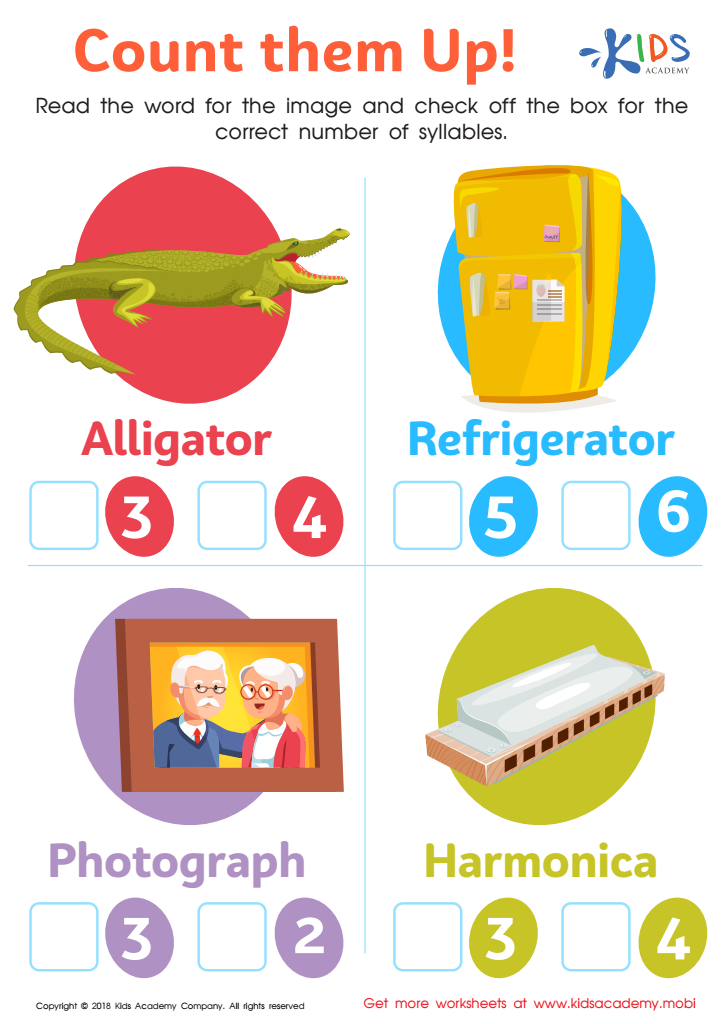
Count Them Up Worksheet
 Assign to My Students
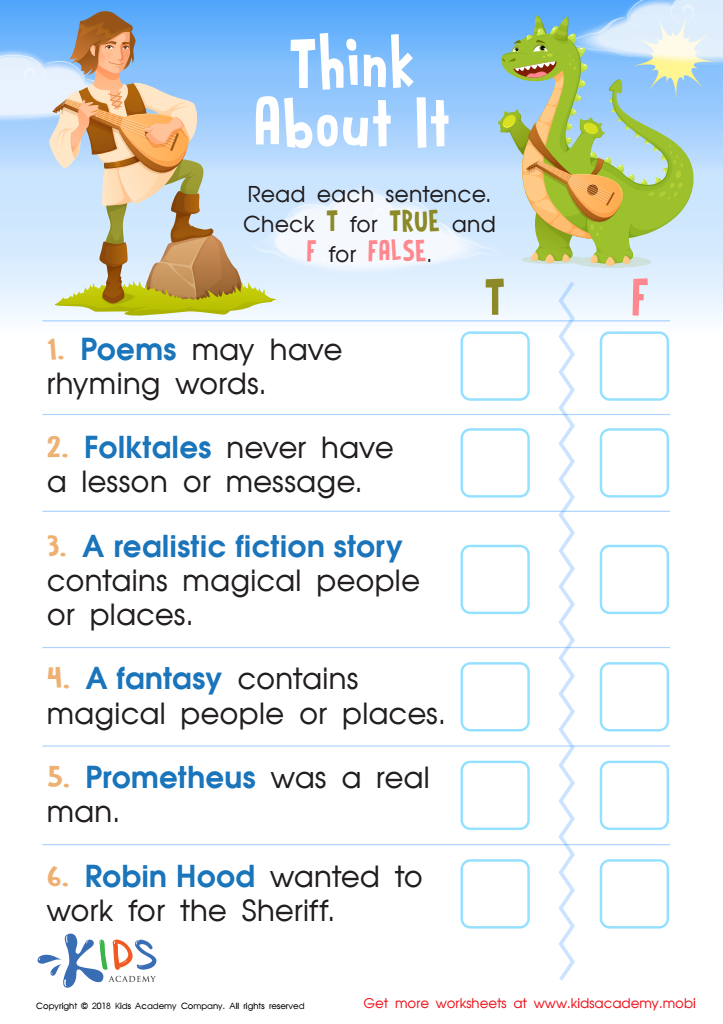
Think About It: Assessment Worksheet







Basic math skills are crucial for 9-year-olds as they form the foundation for more advanced mathematical concepts and daily problem-solving abilities. During this period, children often transition from concrete calculations to more abstract thinking, making it essential to ensure they grasp fundamental operations like addition, subtraction, multiplication, and division. Mastery of these skills not only enhances their academic performance but also boosts their confidence and fosters a growth mindset.
Parents and teachers play a vital role in supporting this learning process. Engaging children through fun and interactive activities, such as games or real-life math applications, can pique their interest and make learning enjoyable. Moreover, a strong foundation in math correlates with improved performance in subjects that increasingly integrate mathematical concepts, such as science and economics.
Furthermore, basic math is vital for developing essential life skills. It prepares kids for handling everyday situations, like managing money, cooking, and planning. By emphasizing the importance of basic math skills, parents and teachers can equip children with the competencies they need to succeed academically and develop practical skills that will serve them throughout their lives. Ultimately, investing in a child's mathematical education fosters critical thinking, resilience, and a love for learning.








