Fine Motor Skills Reading Worksheets for 9-Year-Olds
17 filtered results
-
From - To
Our Fine Motor Skills Reading Worksheets for 9-Year-Olds are specifically designed to enhance your child's reading and coordination abilities. These engaging, age-appropriate worksheets integrate fun activities that bolster both fine motor skills and reading comprehension. By incorporating tasks like tracing, cutting, and drawing, children develop essential muscles in their hands and improve their handwriting. This holistic approach ensures that learning is enjoyable and effective. Perfect for supplementing classroom education, our worksheets support skill-building at home and help your 9-year-old progress confidently on their educational journey. Explore these invaluable resources today and watch your young learner thrive!
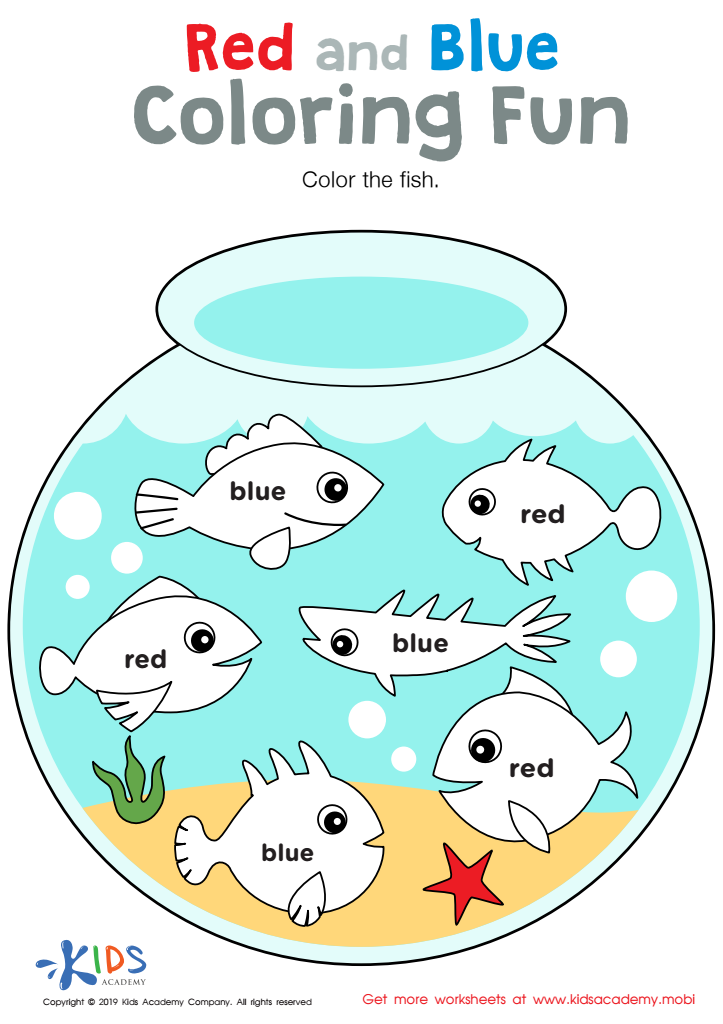
Red and Blue Coloring Fun Worksheet
 Assign to My Students

Yellow and Green Coloring Fun Worksheet
Assign to My Students

Twinkle Twinkle Little Star Coloring Page
Assign to My Students

The Dog and His Bone Worksheet

Black and Brown Coloring Fun Worksheet
Assign to My Students
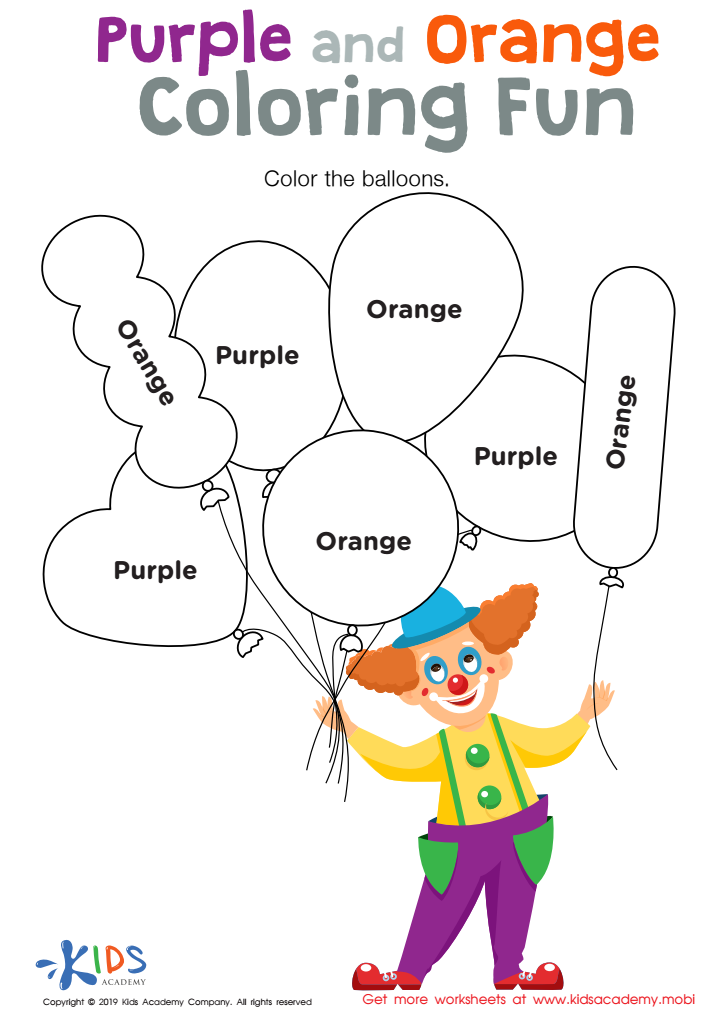
Purple and Orange Coloring Fun Worksheet
Assign to My Students
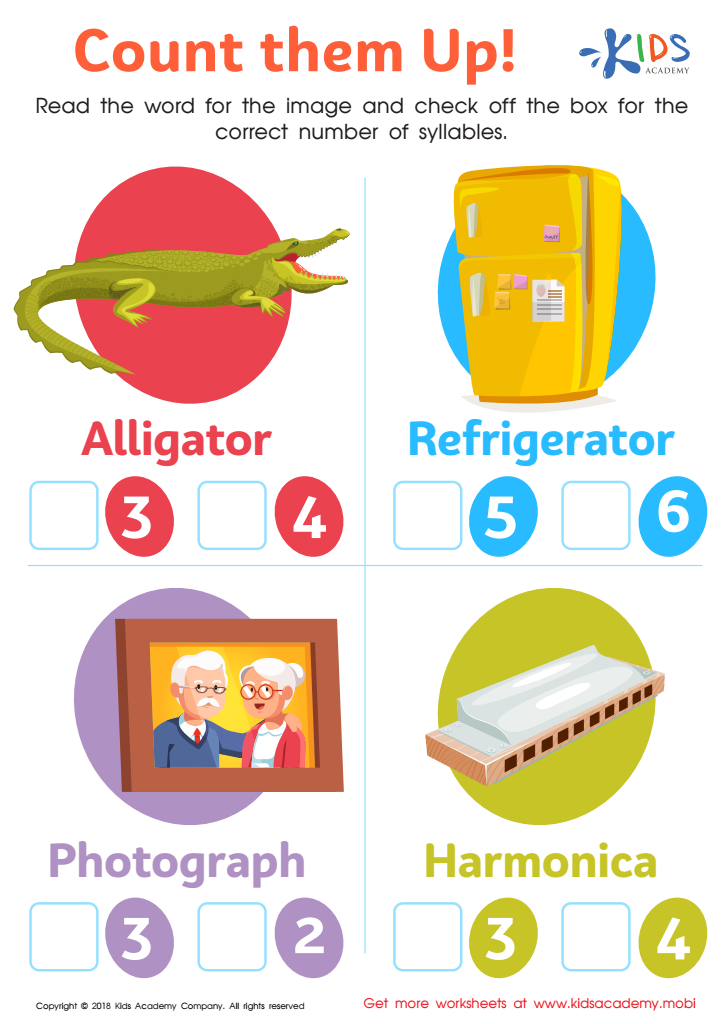
Count Them Up Worksheet

Long and Short U Worksheet
Assign to My Students
The Wheels on the Bus Coloring Page
Assign to My Students
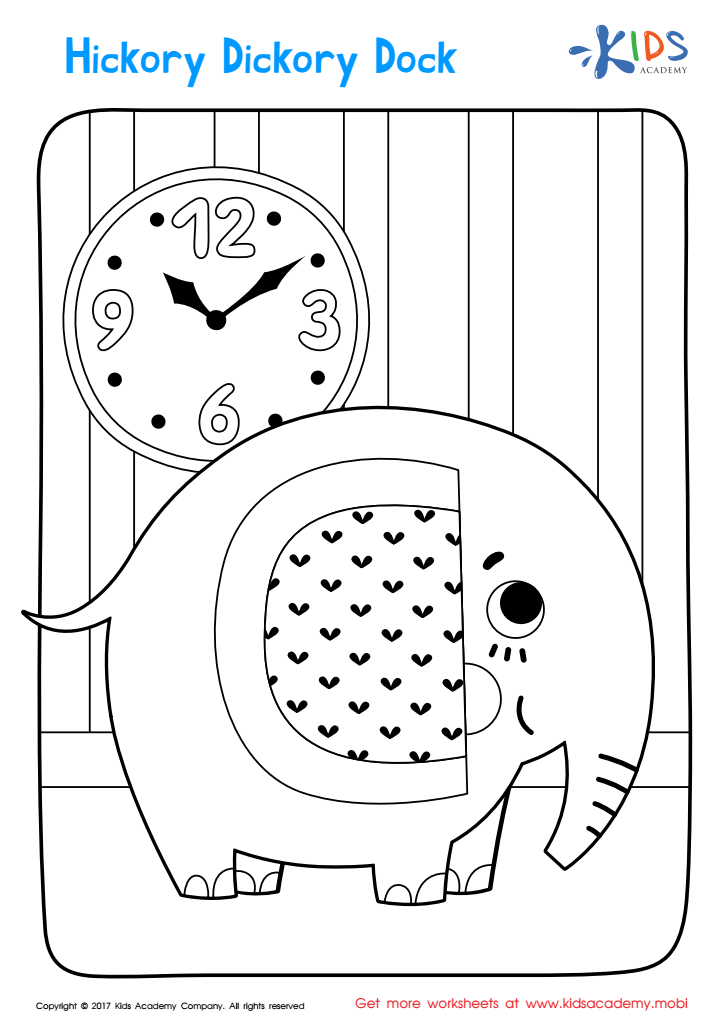
Hickory Dickory Dock Coloring Page
Assign to My Students

Red Riding Hood Coloring Page
Assign to My Students
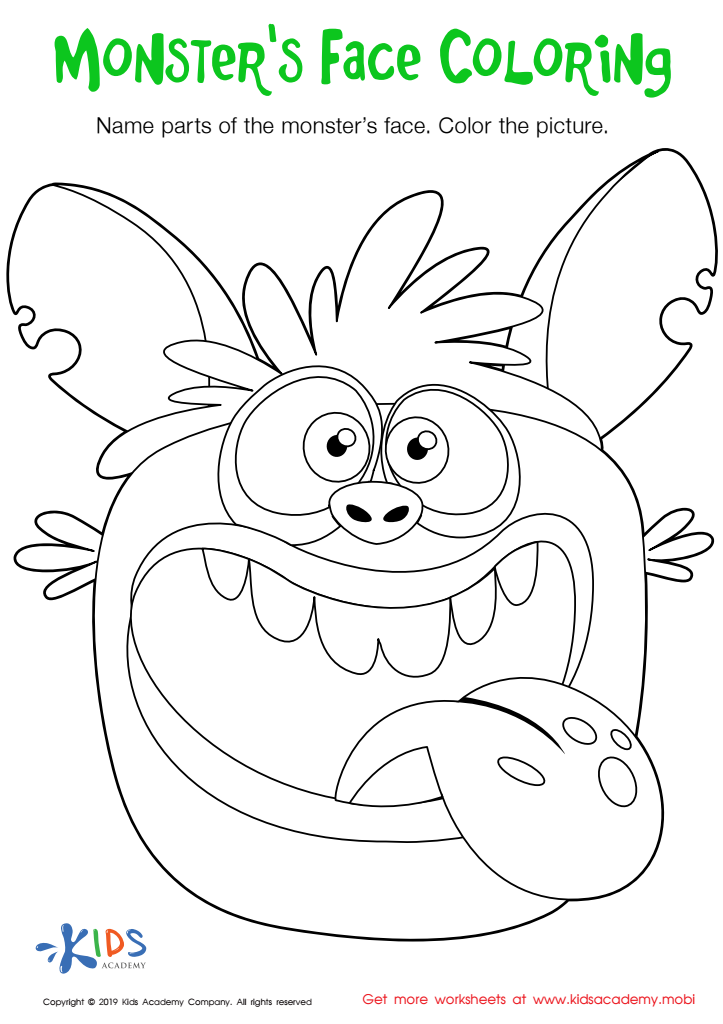
Monster's Face Coloring Worksheet
Assign to My Students

Happy Family Coloring Worksheet
Assign to My Students

White and Pink Coloring Fun Worksheet
Assign to My Students
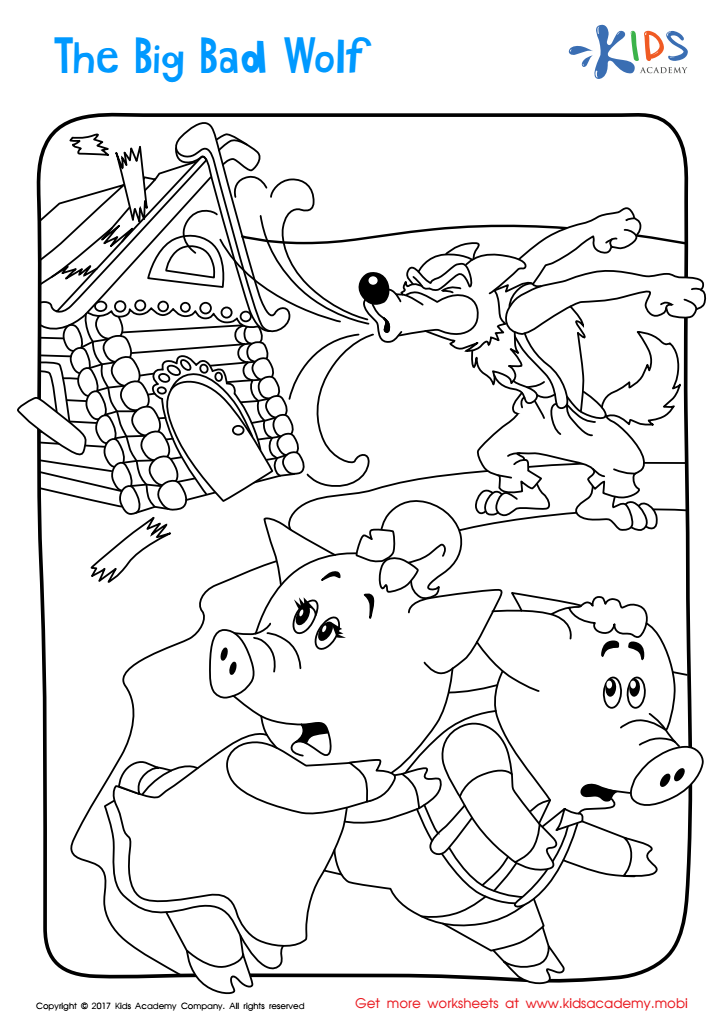
Big Bad Wolf Printable Coloring Page
Assign to My Students
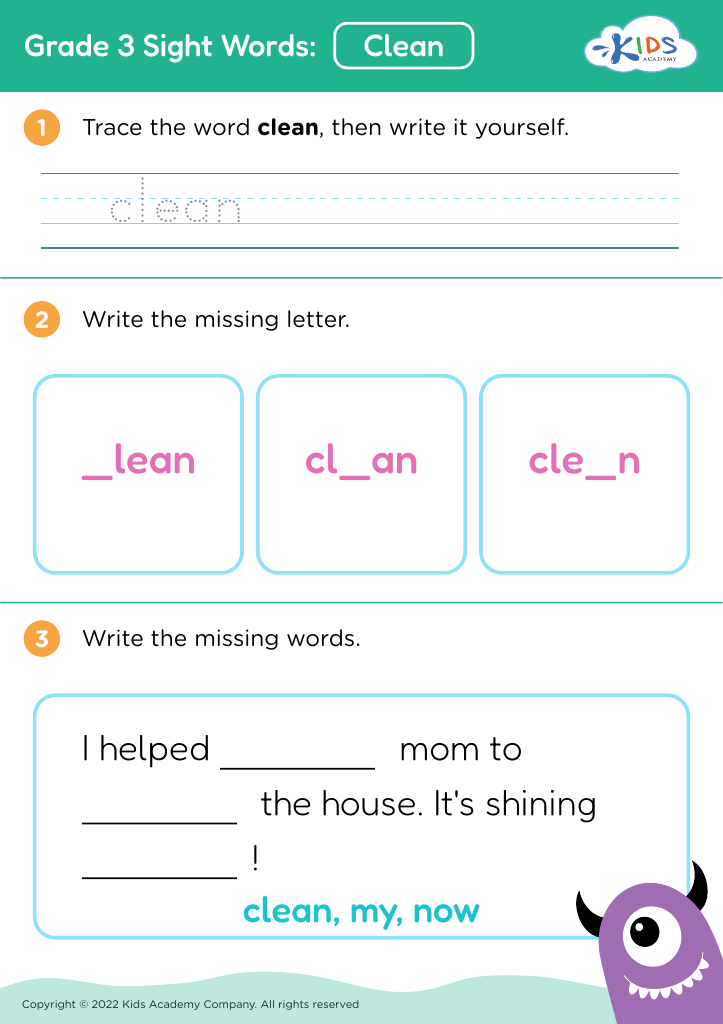







Parents and teachers should care deeply about fine motor skills development in 9-year-olds because these skills are foundational for a range of essential life activities and academic tasks. Fine motor skills involve the coordination of small muscles in the hands and fingers, making them crucial for tasks like writing, cutting, and manipulating objects. At around nine years old, children are typically transitioning from learning to read to reading to learn, and fine motor proficiency directly impacts their handwriting legibility and speed, which, in turn, affects their overall academic performance and self-confidence.
If children struggle with fine motor skills, they may find it difficult to keep up with classroom activities, and their work may appear messy or rushed. This can lead to frustration, decreased motivation, and a sense of failure. Moreover, fine motor skills are not only about academic performance; they also play a significant role in self-care activities such as buttoning clothes, tying shoelaces, and preparing food, which are crucial for fostering independence.
By paying attention to and supporting the development of fine motor skills through targeted activities and exercises, parents and teachers can help ensure that children are equipped with the tools they need for academic success and day-to-day functionality. Early intervention and continuous support can significantly improve a child's proficiency and ease the transition to more challenging tasks in school and daily life.








