Vocabulary Building Reading Comprehension Worksheets for 9-Year-Olds
4 filtered results
-
From - To
Our Vocabulary Building Reading Comprehension Worksheets for 9-Year-Olds are designed to enhance your child's reading skills while expanding their vocabulary. These engaging, age-appropriate activities encourage young readers to delve deeper into texts, making meaningful connections and understanding complex words in context. Each worksheet features a variety of exercises, including matching words to definitions, using vocabulary in sentences, and answering comprehension questions. Perfect for classroom use or additional practice at home, our worksheets are a valuable tool to support literacy and language development, fostering a lifelong love for reading and learning in your child.
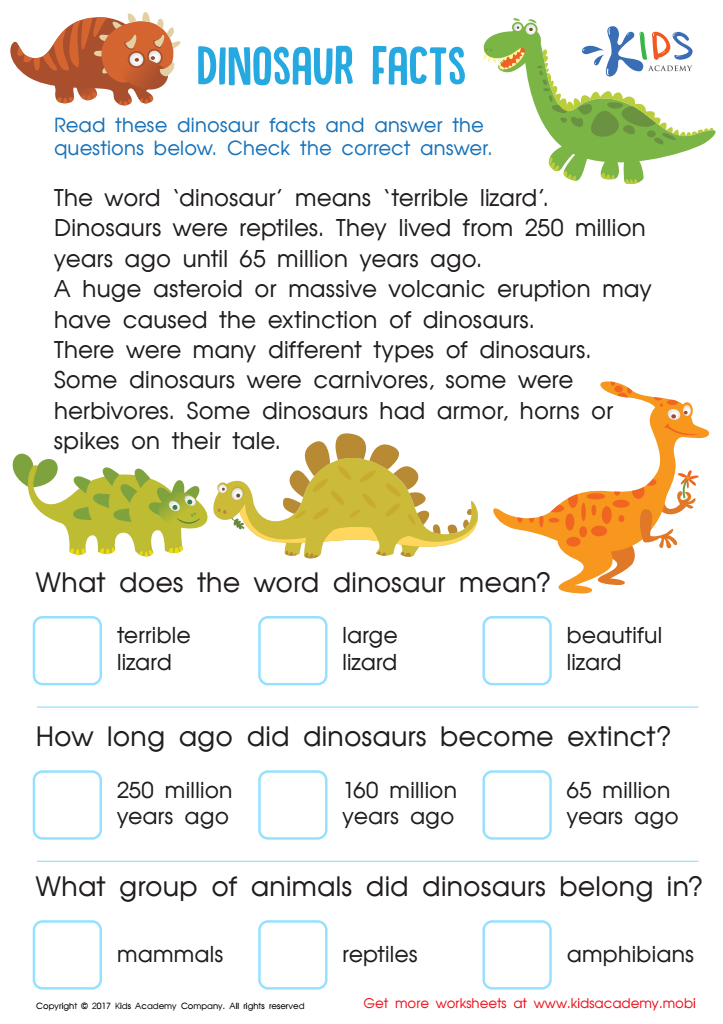
Dinosaur Facts Worksheet
 Assign to My Students
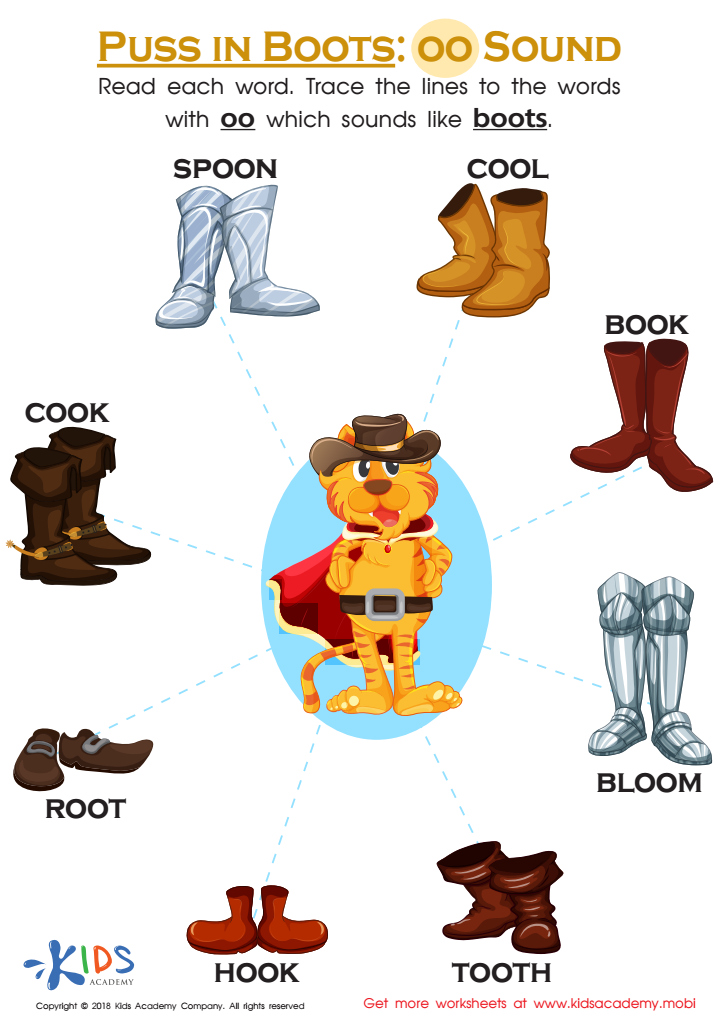
Puss in Boots: OO Sound Worksheet

Golden Eagles Worksheet
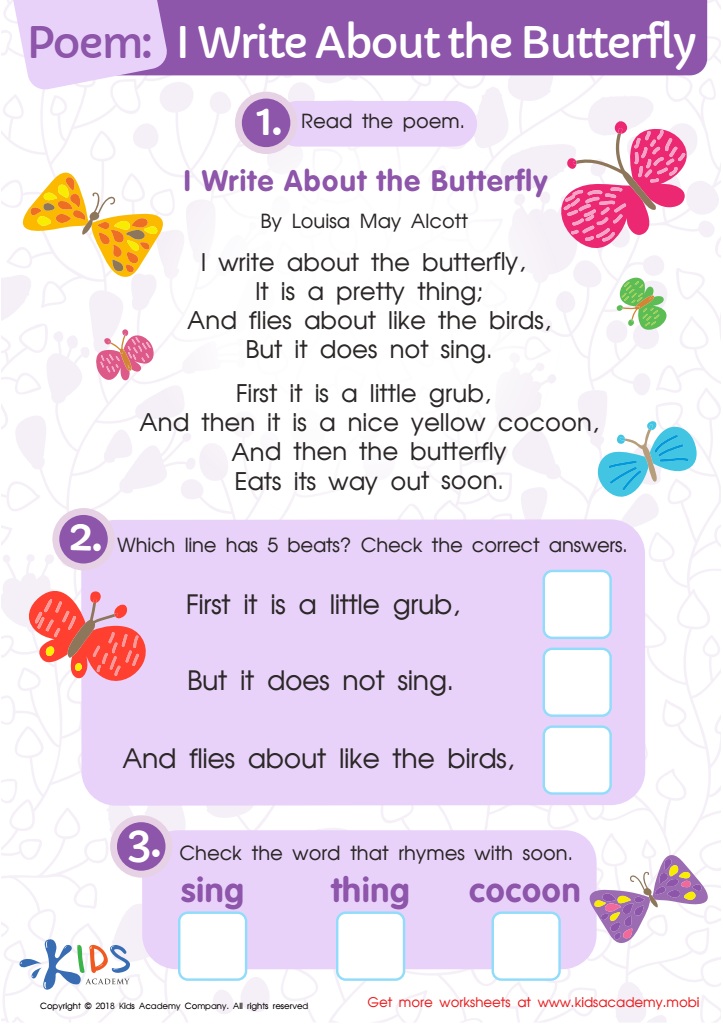
Poem: I Write About The Butterfly Worksheet








Parents and teachers should prioritize vocabulary building and reading comprehension for 9-year-olds because these foundational skills are critical for academic success and lifelong learning. At age nine, children are at a stage where their cognitive abilities are expanding rapidly. Robust vocabulary and comprehension skills equip them to understand and engage with more complex texts across all subjects. This sets a strong foundation for future learning, as reading is integral to learning everything from mathematics to science and beyond.
Furthermore, expansive vocabulary and strong reading comprehension enhance a child's ability to express themselves clearly and effectively in both written and verbal communication. This is crucial not only in academic settings but also in social situations and future workplaces.
Moreover, encouraging a rich vocabulary and proficient reading skills boosts a child's confidence and promotes a love of reading. When children understand what they read, they are more likely to enjoy books and develop a lifelong reading habit, which itself is linked to higher levels of empathy, general knowledge, and academic performance.
Ultimately, focusing on these skills at a critical developmental stage helps in closing any early achievement gaps, catering to diverse vocabularies, and supporting all students, including those for whom English may not be the first language. Thus, parents and teachers play a vital role in nurturing these early literacy skills, setting children on a path toward successful and enriched lives.








