Multiplication practice History Worksheets for 9-Year-Olds
8 filtered results
-
From - To
Unlock your child's potential with our engaging "Multiplication Practice History Worksheets" for 9-year-olds! This unique resource combines mathematics with historical exploration to provide an interactive learning experience. Designed specifically for young learners, these worksheets help reinforce multiplication skills while captivating their curiosity about historical events and figures. Each worksheet features fun activities that challenge students to solve multiplication problems related to history, making learning both educational and enjoyable. Perfect for at-home practice or classroom use, these worksheets aim to instill confidence in math and broaden their understanding of the past. Start your child's journey to success today!
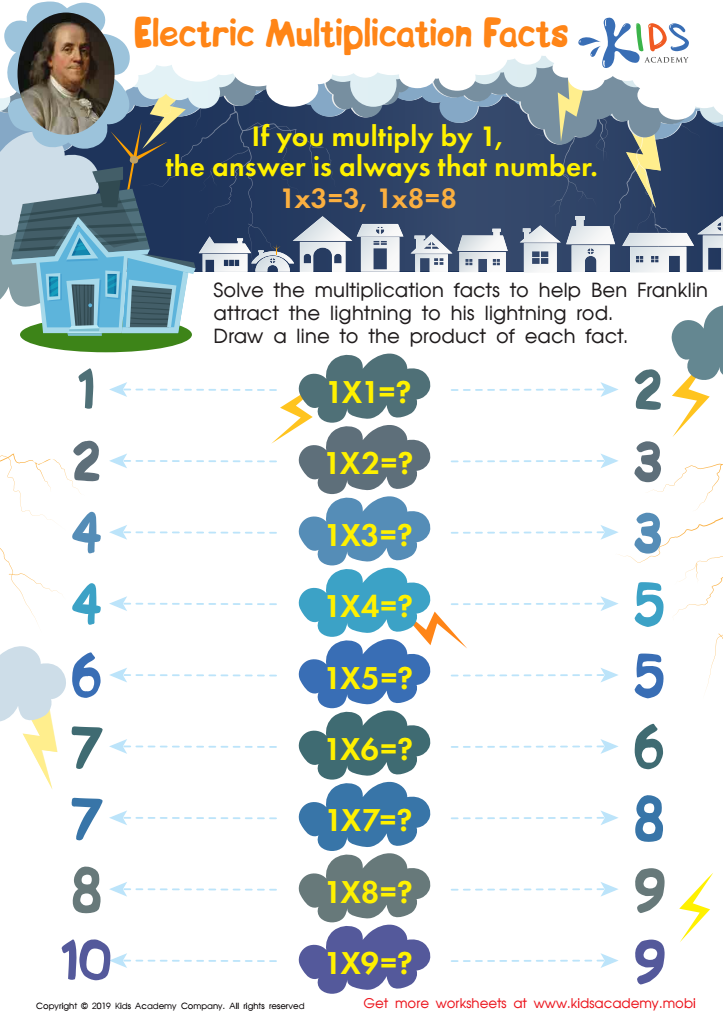
Electric Multiplication Facts Worksheet
 Assign to My Students
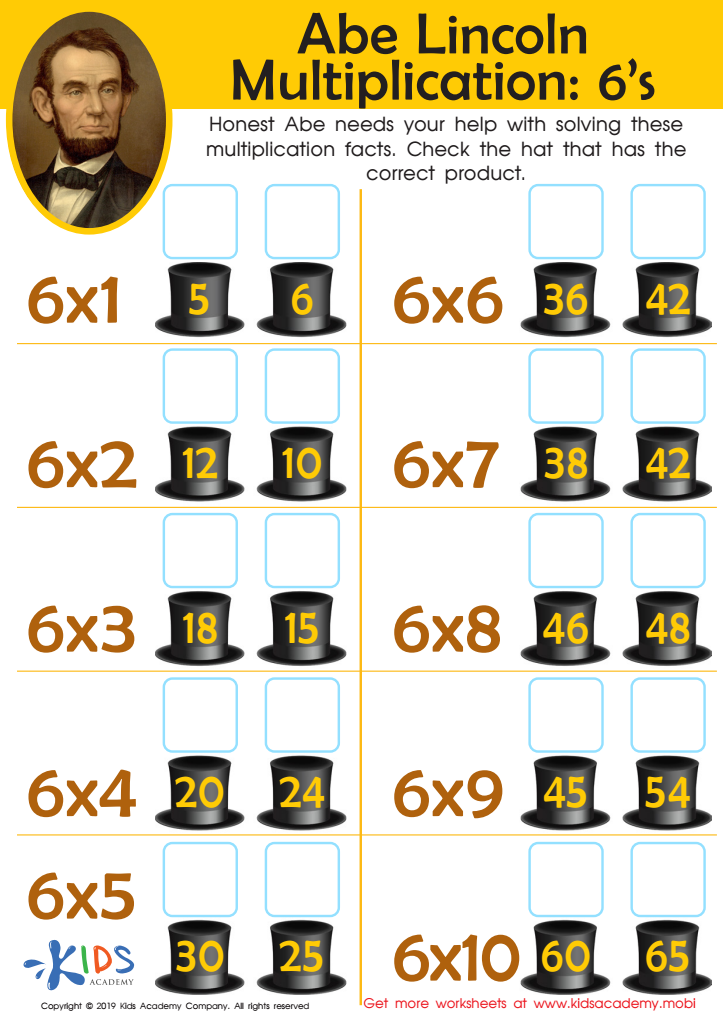
Abe Lincoln Multiplication: 6’s Worksheet
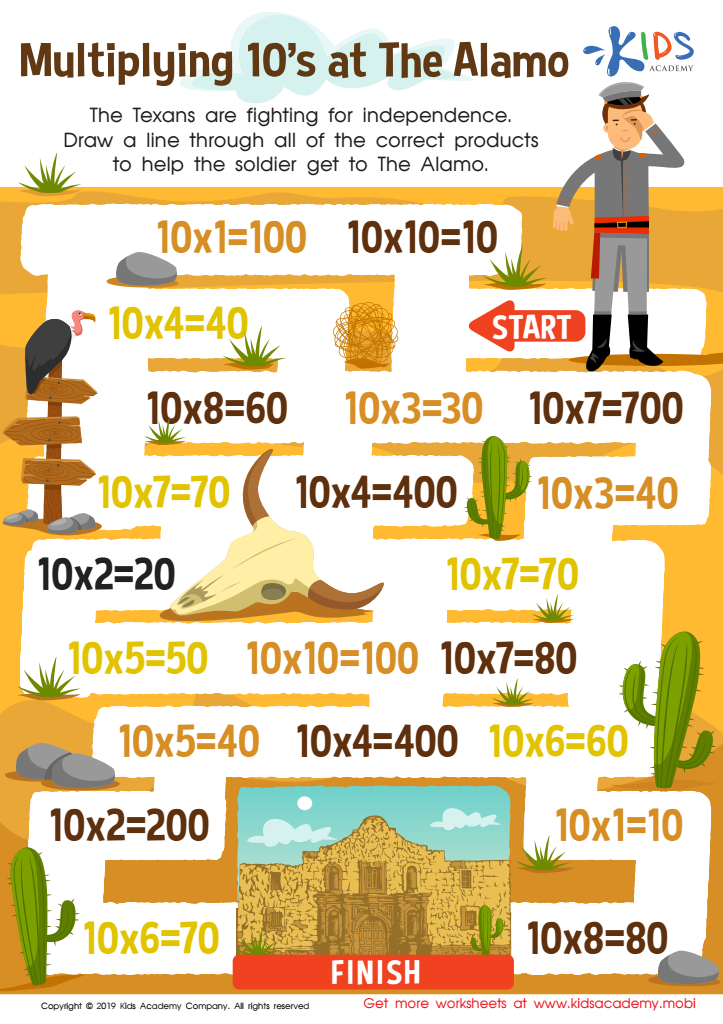
Multiplying 10’s at The Alamo Worksheet
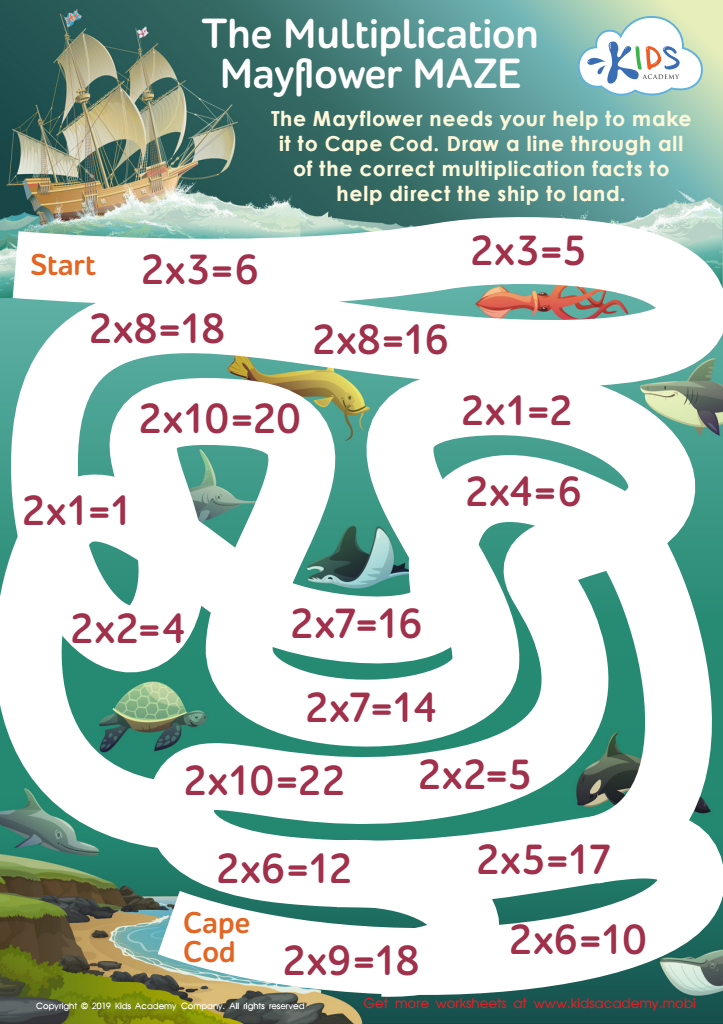
The Multiplication Mayflower Maze Worksheet
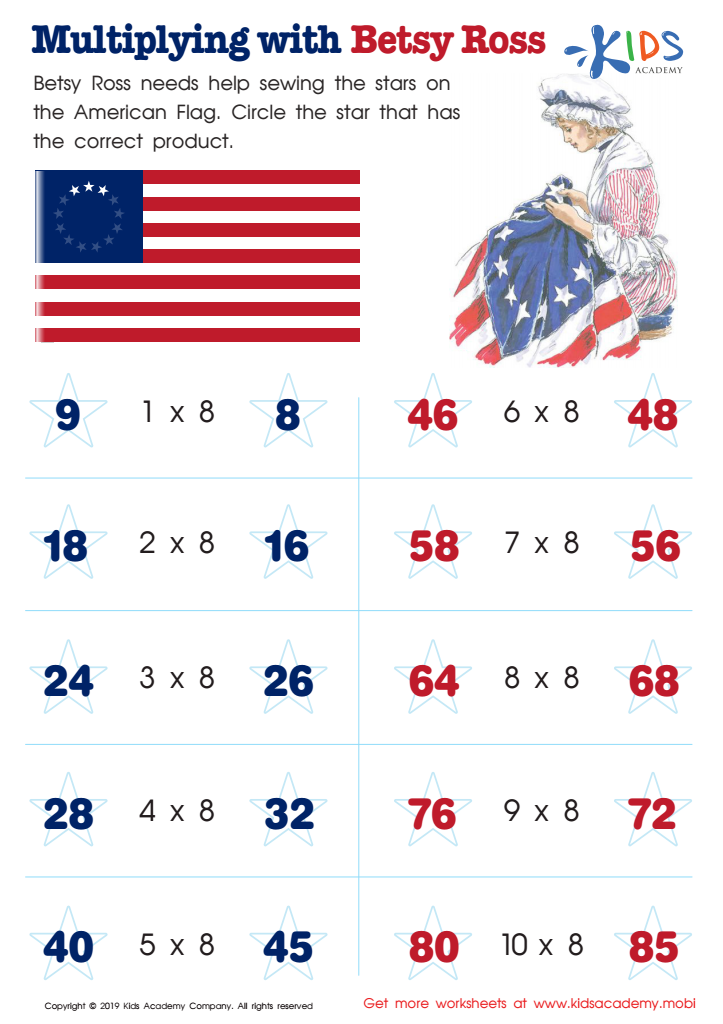
Multiplying with Betsy Ross Worksheet
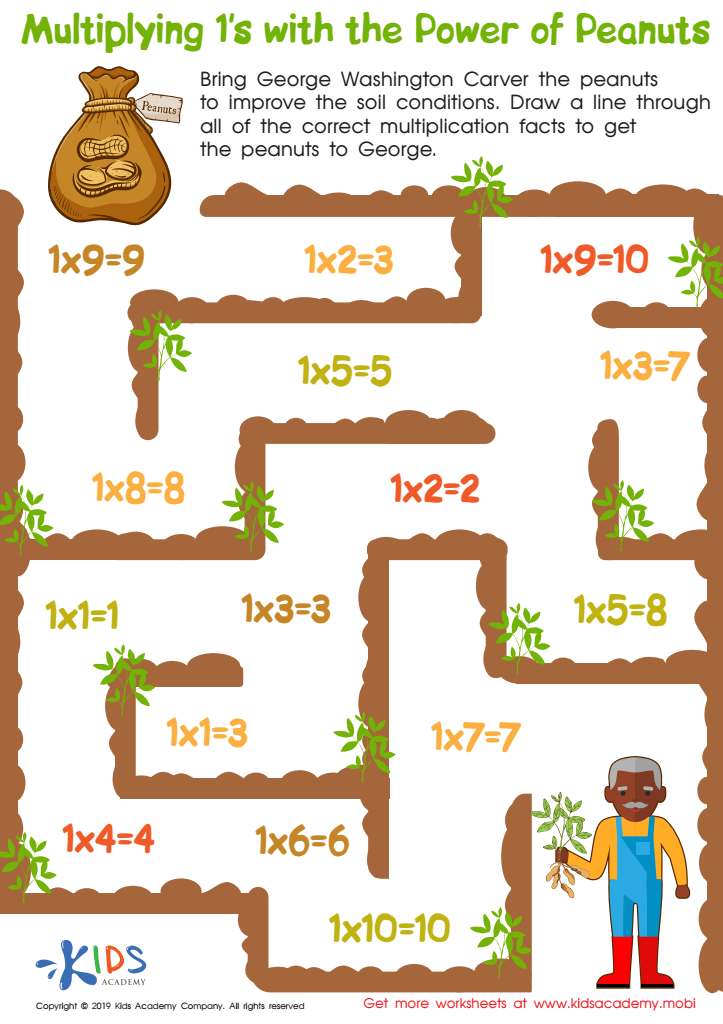
Multiplying 1’s With the Power of Peanuts Worksheet
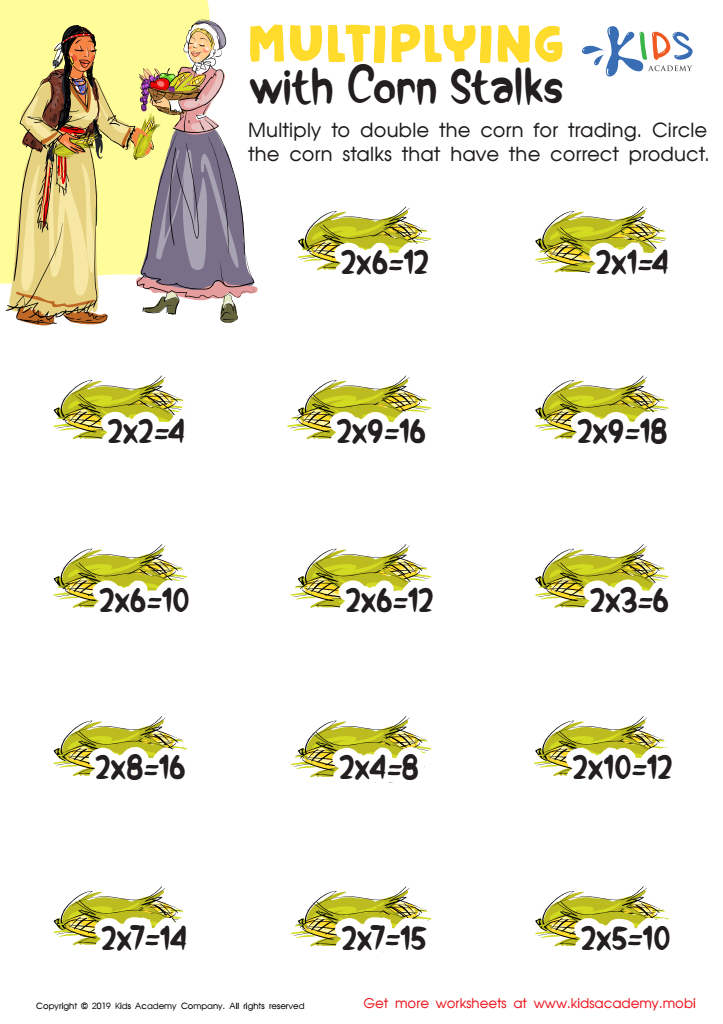
Multiplying With Corn Stalks Worksheet
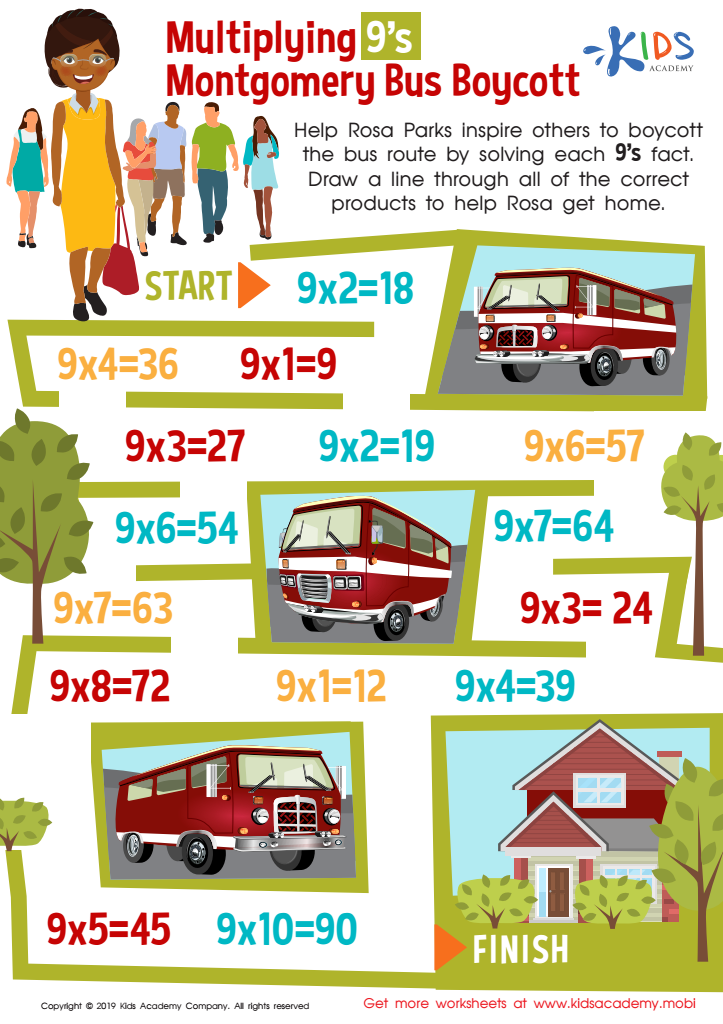
Multiplying 9’s Montgomery Bus Boycott Worksheet




.jpg)



Understanding multiplication practice history is vital for parents and teachers of 9-year-olds because it underscores the progression and impact of mathematical skills in a child's educational journey. At this age, students are typically transitioning from basic arithmetic concepts to more complex problem-solving situations, and multiplication is a foundational skill that supports this growth. It not only assists in developing a deeper understanding of mathematics but also aids in building confidence.
Research has shown that mastery of multiplication can enhance a child's ability to tackle various mathematical challenges, such as division, fractions, and even algebra in later grades. Furthermore, a strong grasp of multiplication lays the groundwork for success on standardized tests that often assess these skills.
Additionally, historical context can engage students and pique their interest in mathematics. Learning how multiplication techniques and tools evolved offers a perspective on the real-world applications of math, fostering a sense of relevance.
Finally, effective multiplication practice can be supplemented by fun, interactive methods and technology, turning potentially tedious drills into engaging activities. Supporting children in this area not only enhances their academic skills but also promotes a positive attitude towards learning, setting them on a path to future success.