Fine motor skills development ABC Letters Worksheets
3 filtered results
-
From - To
Enhance your child's fine motor skills with our ABC Letters Worksheets! Designed for young learners, these engaging activities from Kids Academy help children develop essential handwriting abilities. Each worksheet encourages kids to trace and write letters, improving hand-eye coordination and pencil control. Through fun and interactive exercises, children will build the foundation for strong writing skills while becoming more confident in letter recognition. Ideal for preschool and kindergarten students, our worksheets provide a solid start in literacy development by combining play with practice. Invest in your child's learning journey with our expertly crafted motor skills enhancement worksheets!
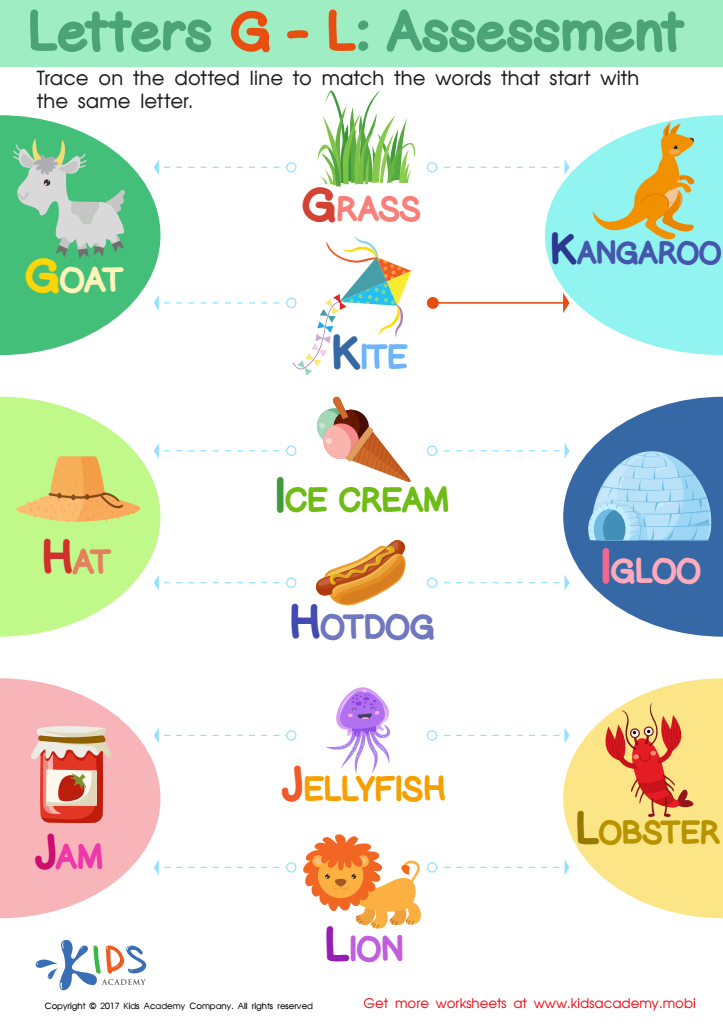
Letters G-L Worksheet











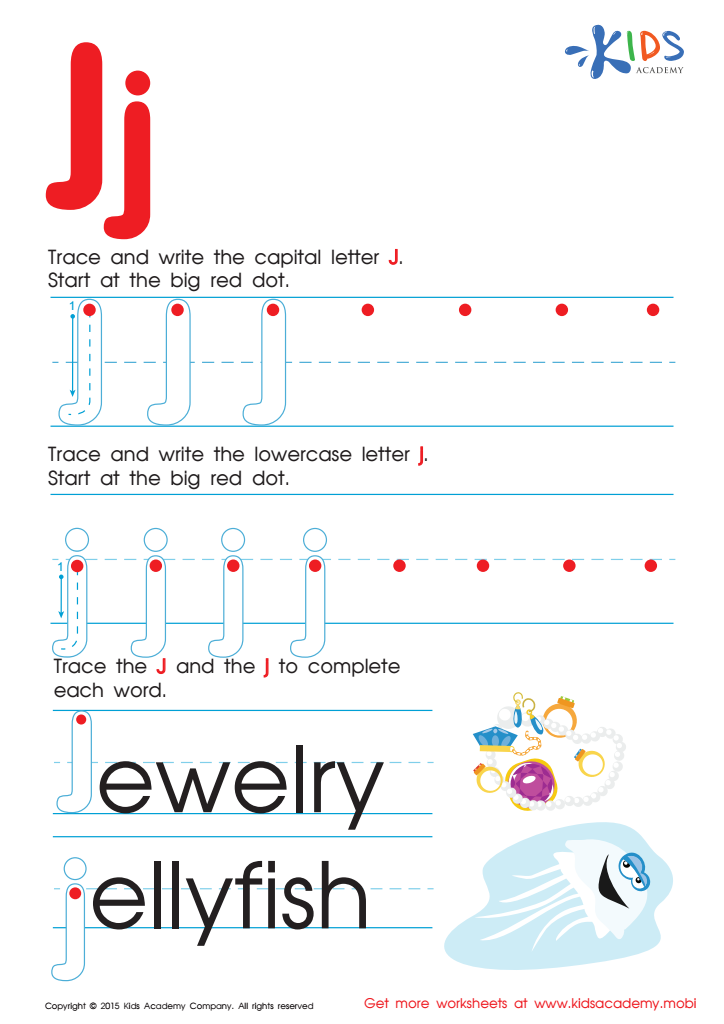
Letter J Tracing Page
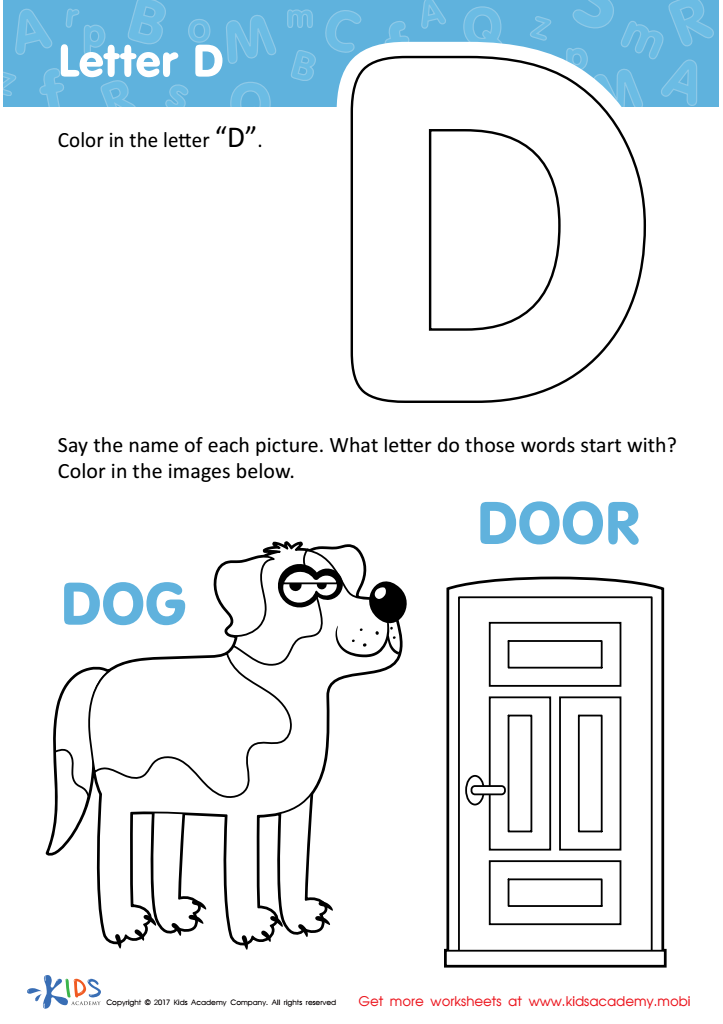
Letter D Coloring Sheet
 Assign to My Students







Fine motor skills development is crucial for young children as it directly impacts their ability to perform everyday activities and sets the foundation for future academic success. These skills involve the coordination of small muscles, particularly in the hands and fingers, enabling tasks such as writing, buttoning clothes, and using scissors. Focusing on fine motor skills when teaching children the ABC letters is particularly important.
When children practice writing letters, they enhance their hand-eye coordination, dexterity, and control. This foundational practice not only makes learning to write more efficient but also boosts their confidence in the classroom. As they master holding a pencil and forming letters, children become more prepared for other academic tasks requiring fine motor skills, like drawing shapes or solving puzzles.
Moreover, incorporating fine motor skills development into learning the ABC letters also aids cognitive development. Activities that blend physical and mental challenges stimulate neurological pathways, supporting memory, attention to detail, and problem-solving abilities.
Parents and teachers should care about fine motor skills because these early practices form a cornerstone for lifelong learning. By fostering a child's ability to write and recognize letters with dexterity, adults are empowering them with essential tools for effective communication and independent daily functioning.







