Handwriting practice ABC Letters Worksheets - Page 2
26 filtered results
-
From - To
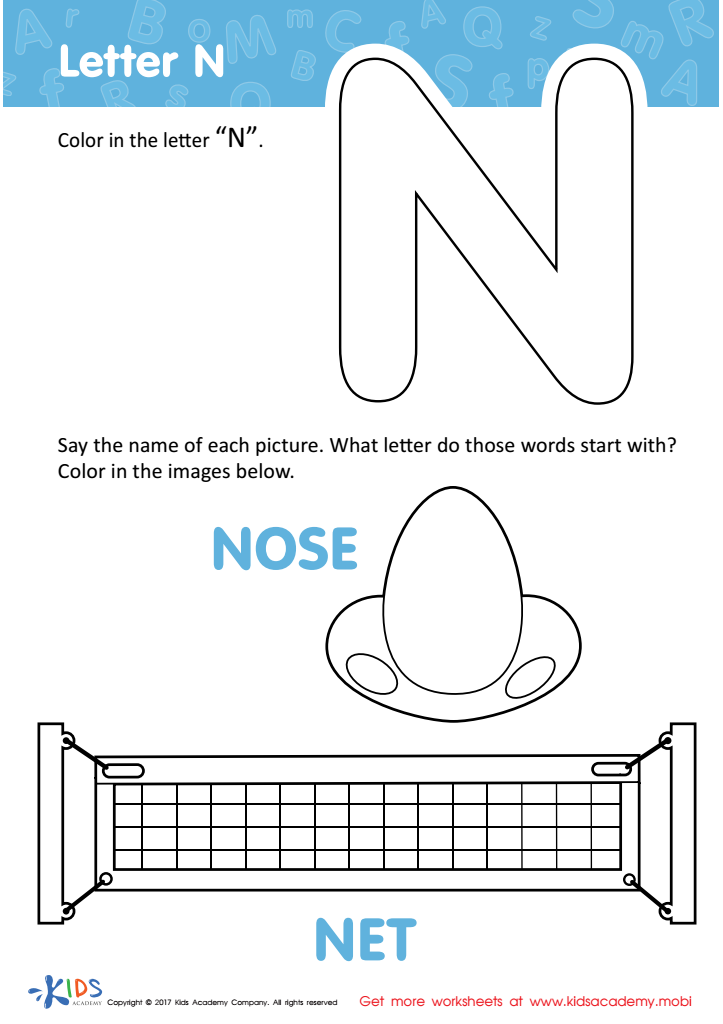
Letter N Coloring Sheet
 Assign to My Students








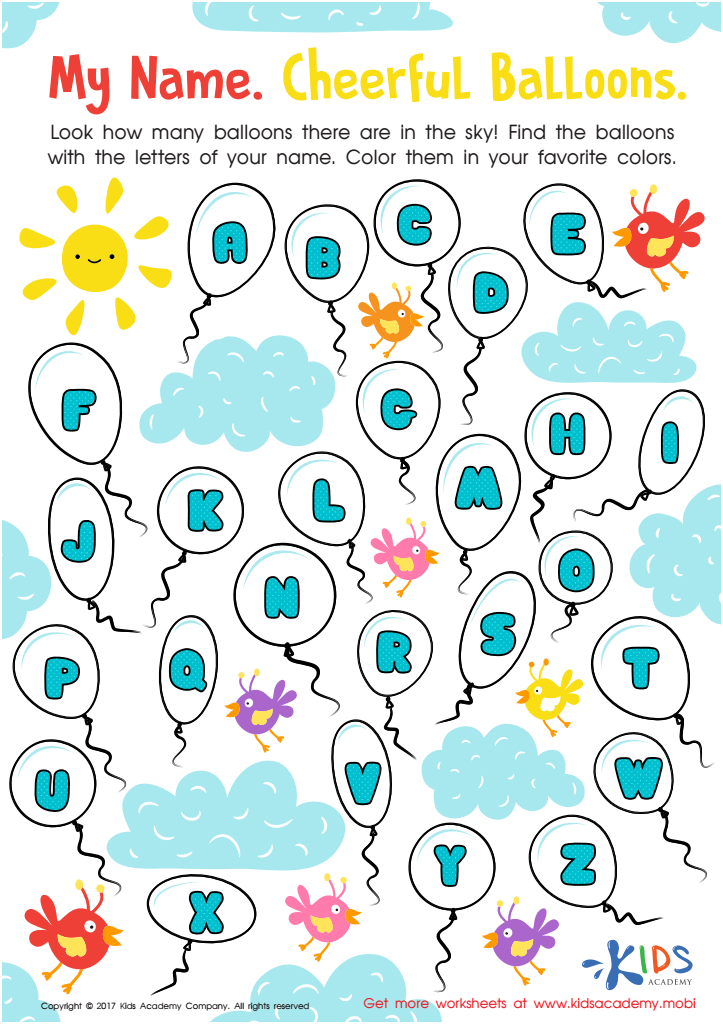
My Name: Cheerful Balloons Worksheet
Assign to My Students







Handwriting practice is crucial for early childhood development and plays a significant role in a child's educational journey. For both parents and teachers, focusing on practicing ABC letters offers numerous benefits that extend beyond just writing skills.
Firstly, handwriting enhances fine motor skills. As children learn to form letters, they develop hand-eye coordination and improve their dexterity, which is fundamental for tasks like typing and drawing later on. Secondly, effective handwriting contributes to better literacy. Research shows that the physical act of writing letters helps reinforce letter recognition, phonetics, and vocabulary, enabling children to understand language mechanics more deeply.
Moreover, handwriting practice fosters critical thinking and concentration. As children focus on forming letters correctly, they learn patience and precision. This attention to detail is not only essential for writing but also encourages students to apply these skills in problem-solving and creative activities.
Finally, good handwriting can boost self-esteem. Children who take pride in their writing tend to feel more confident in their academic abilities. By encouraging handwriting practice, parents and teachers lay a solid foundation for effective communication skills and cognitive development, ultimately equipping children for future success in various academic endeavors.







