Phonics practice Consonants Worksheets
5 filtered results
-
From - To
Enhance your child's phonics skills with our engaging Consonants Worksheets! Designed for early learners, these printable resources focus on consonant recognition and mastery, helping kids improve their reading and writing abilities in a fun way. Each worksheet features interactive activities, including tracing, matching, and sound recognition, ensuring a comprehensive understanding of consonant sounds. Perfect for classroom or at-home practice, our worksheets cater to different learning styles, making phonics practice enjoyable and effective. Watch your child flourish as they build confidence in their literacy skills! Explore our collection today and empower your young learner on their phonics journey.
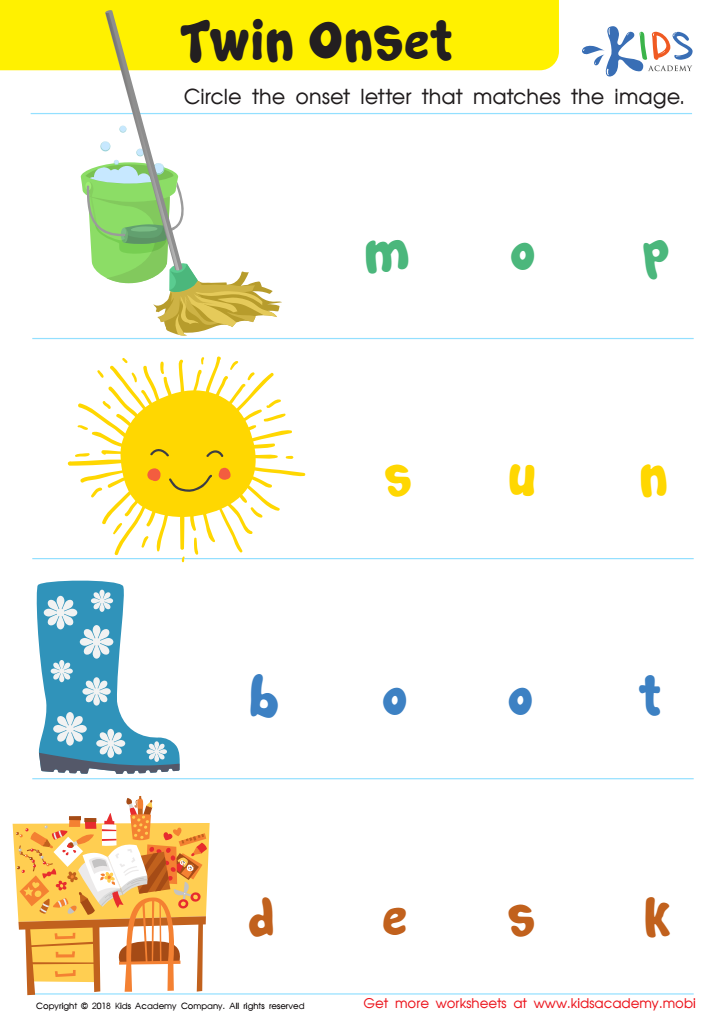
Twin Onset Worksheet
 Assign to My Students
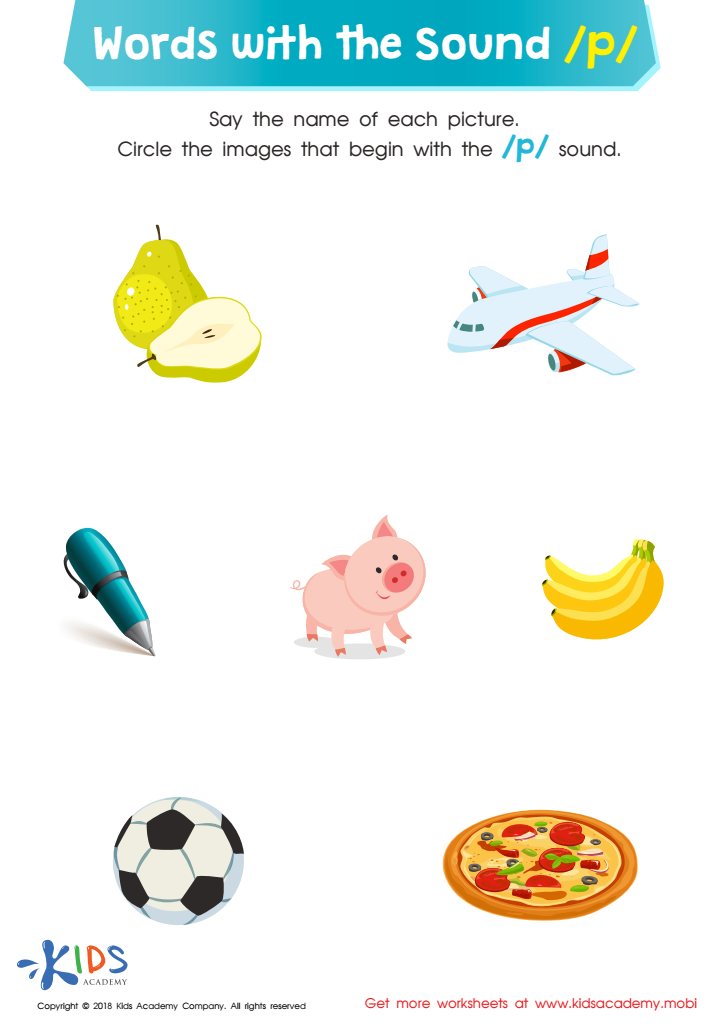
Words with sound p Reading Worksheet
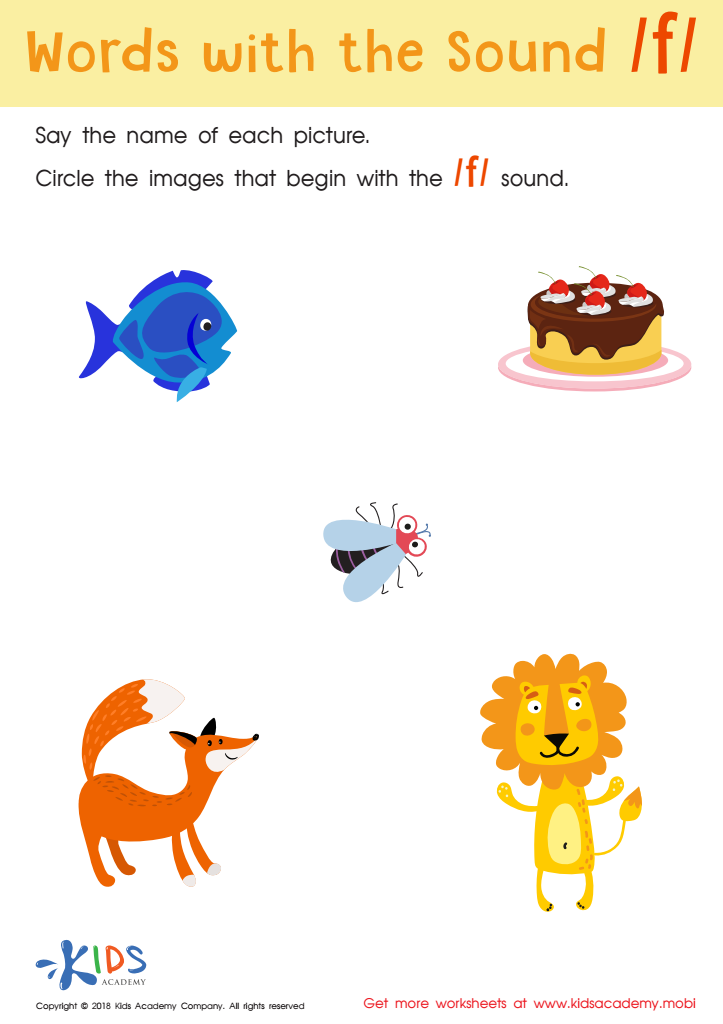
Words with sound f Reading Worksheet
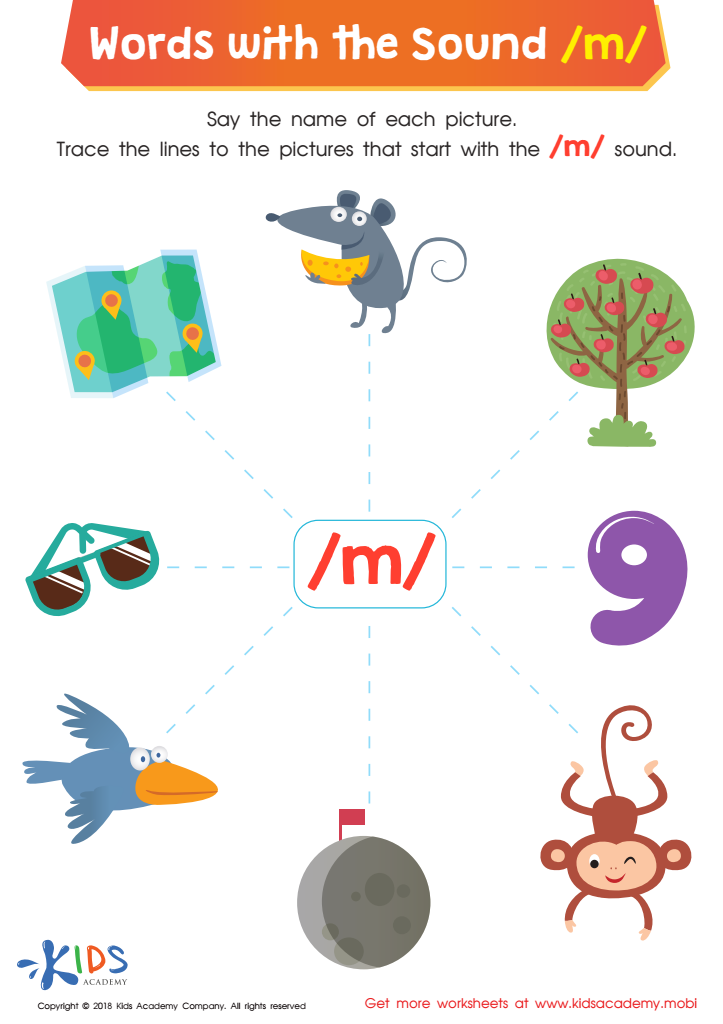
Words with Sound M Reading Worksheet
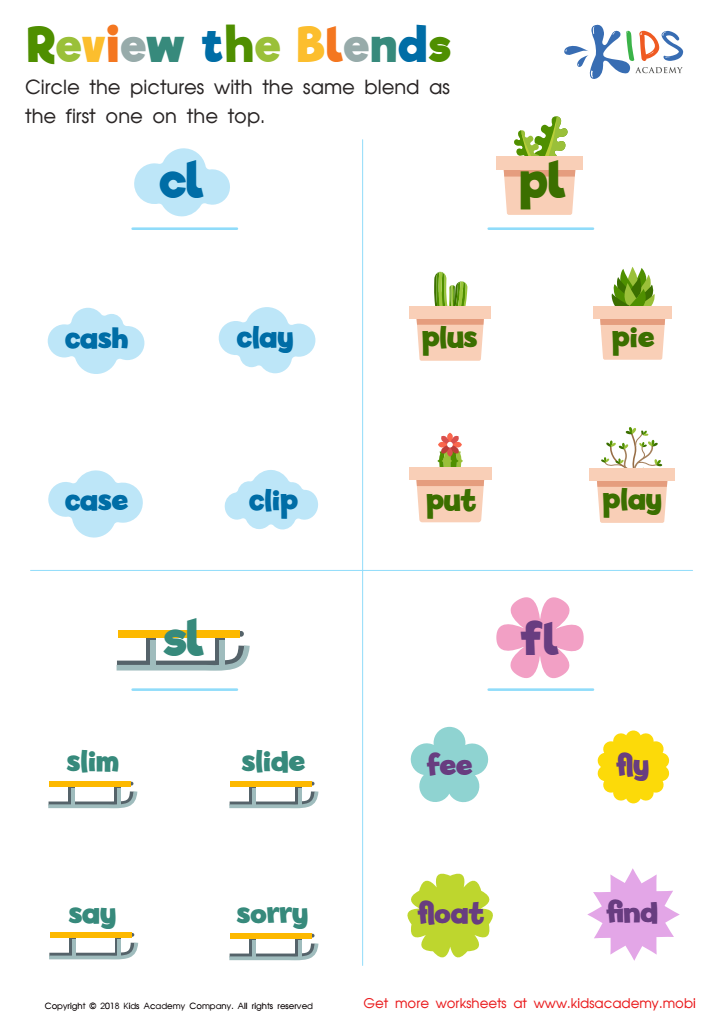
Review the Blends Worksheet



Phonics practice, particularly focusing on consonants, is crucial for early literacy development. Understanding consonants helps children decode words, improving their reading skills. Since consonants often provide the initial sounds of words, mastering these sounds allows young learners to sound out unfamiliar vocabulary effectively.
When parents and teachers emphasize consonant practice, they lay a solid foundation for more complex reading and writing tasks. Phonics skills also enhance vocabulary acquisition, as children learn to break down and build words using consonants and vowels. Additionally, engagement in consistent phonics practices can bolster a child's confidence. As they learn to decode words successfully, their enthusiasm for reading is likely to grow.
Furthermore, phonics practice supports language development beyond reading. When children learn how to manipulate consonant sounds, they enhance their spelling and comprehension skills, leading to better overall academic performance. Ultimately, both parents and teachers play a pivotal role in fostering these foundational skills; their encouragement and structured phonics practice enables children to navigate language with greater ease, setting them up for success in school and lifelong learning.







