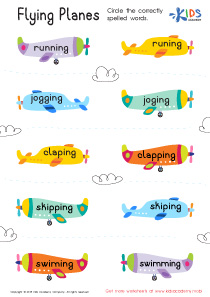
Phonics recognition Elementary Phonics Worksheets
4 filtered results
Difficulty Level
Grade
Age
-
From - To
Subject
Activity
Standards
Unlock the world of reading for young learners with our Phonics Recognition Elementary Phonics Worksheets. These engaging, easy-to-use worksheets are designed to help children in kindergarten through early grades understand the relationship between letters and sounds. With a variety of activities focused on recognizing phonics patterns and blending sounds, children will build essential literacy skills and gain confidence in their reading abilities. Perfect for both classroom use and extra practice at home, our worksheets provide a fun and effective way for kids to enhance their phonics knowledge and advance their reading proficiencies. Start your child's learning adventure today!
Favorites
With answer key
Interactive
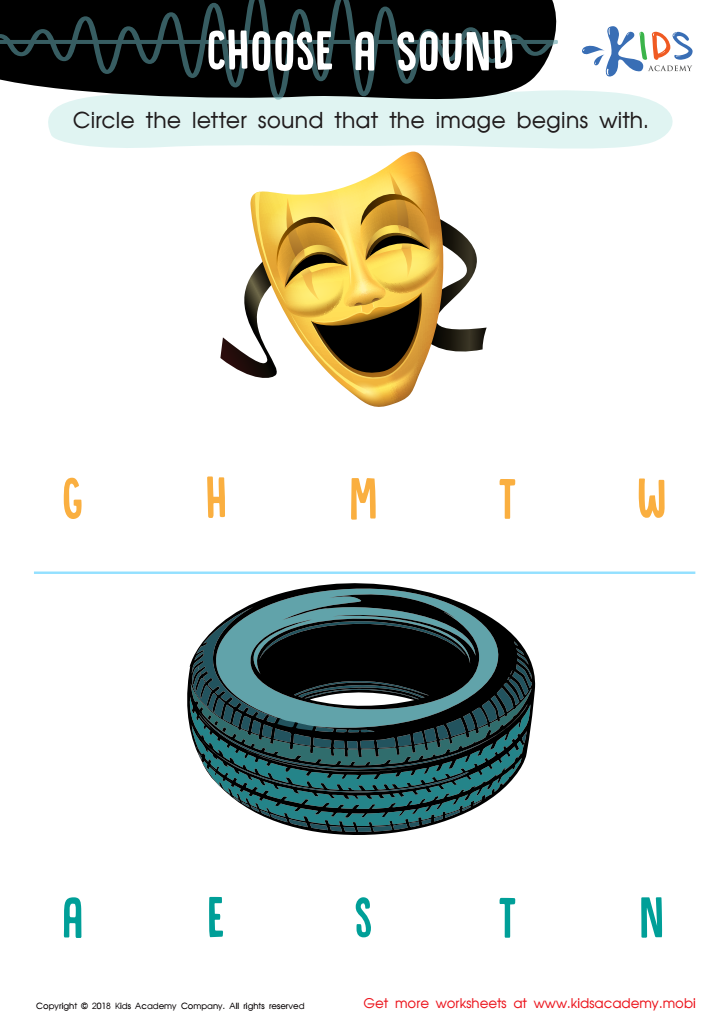
Choose a Sound Worksheet
Help your child hone pre-reading skills with this colorful worksheet! They'll practice tracing letter sounds, develop phoneme awareness, and gain confidence. Plus, it's a fun way to work on their fine motor skills.
 Assign to My Students
Choose a Sound Worksheet
Worksheet
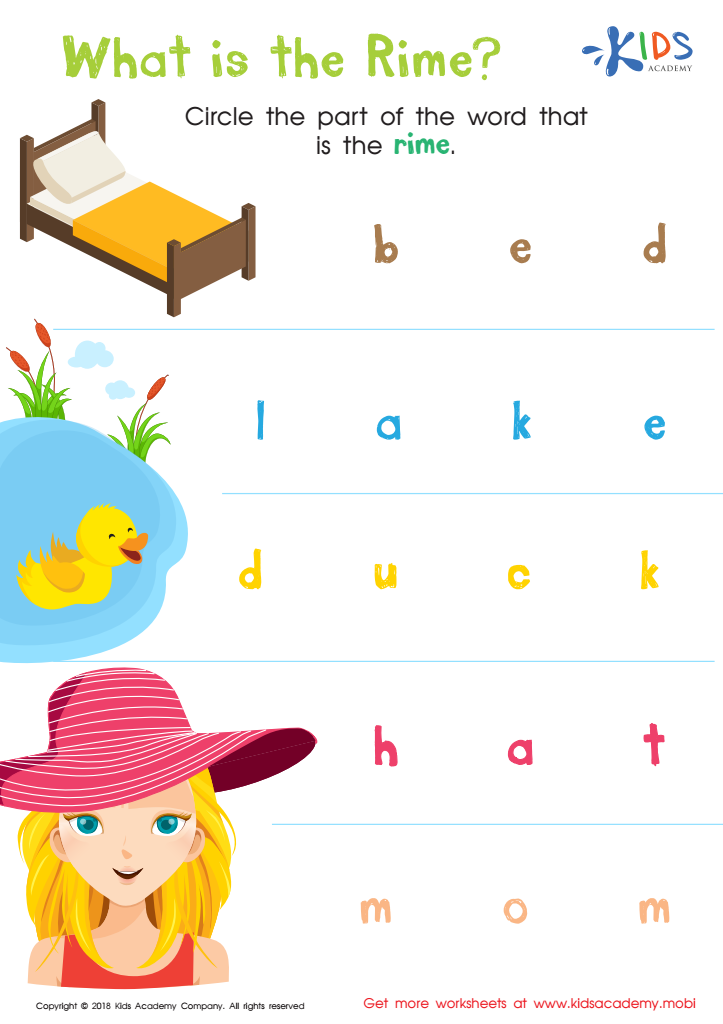
What Is the Rime? Worksheet
Kids will love this PDF worksheet that boosts their reading skills and fine motor skills as they trace the correct rimes for each picture. Knowing onset and rime is key to decoding and fluency, and this worksheet makes it fun! They won't even know they're learning and will be asking for more.
What Is the Rime? Worksheet
Worksheet
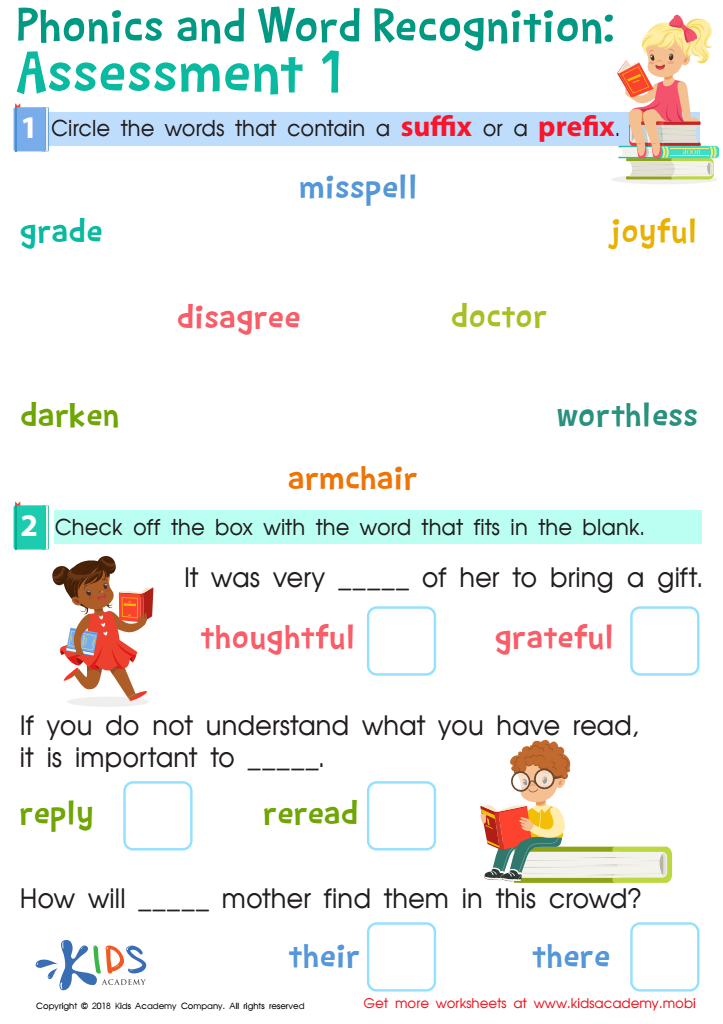
Phonics and Word Recognition: Assessment 1 Worksheet
Explain prefixes (words added to start of another word to give it a new meaning) and suffixes (added to end of word to change its meaning) to your kids with examples like 'unhappy' (prefix) and 'forgetful' (suffix). Now, help your child complete this worksheet, including circling words and checking boxes.
Phonics and Word Recognition: Assessment 1 Worksheet
Worksheet
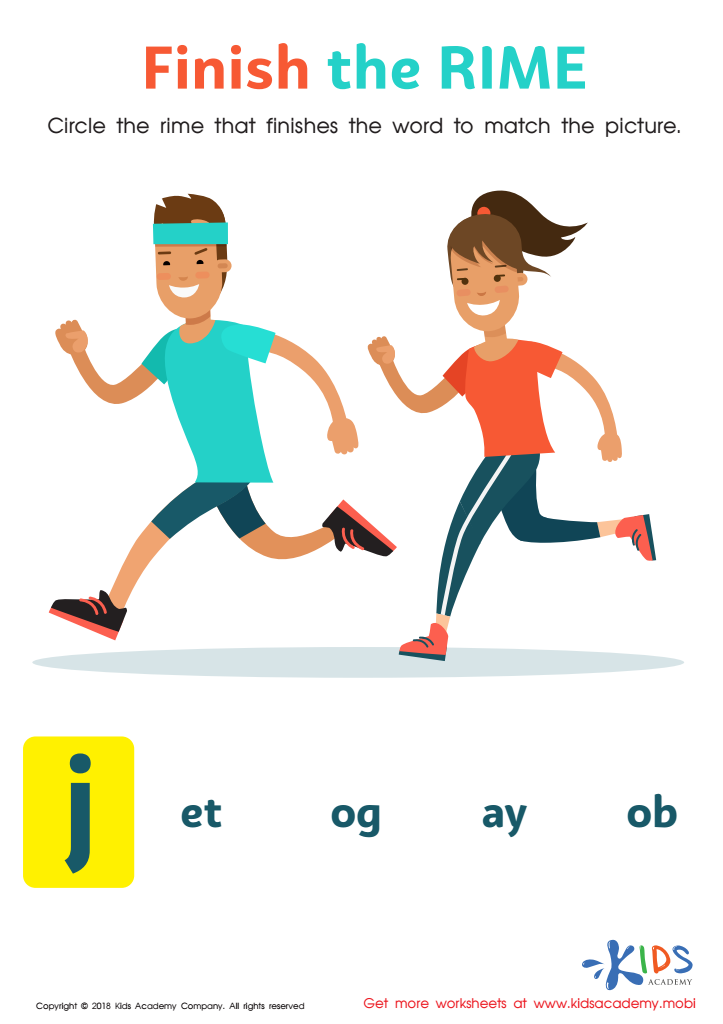
Finish the Rime Worksheet
Rimes help kids learn word families and spelling strategies. This PDF worksheet gives new readers practice with initial consonants, pictures, colors and motor skills. It's fun and cheery, and a great way to boost phonological awareness and rime identification.
Finish the Rime Worksheet
Worksheet
Join Kids Academy for Free
Who is primarily going to use this learning content?




Parents and teachers should care about phonics recognition and elementary phonics because they form the foundation of essential reading skills. Phonics involves understanding the relationship between sounds and their corresponding letters or groups of letters. This skill is crucial for young learners as it enables them to decode and pronounce new words independently, thereby enhancing their reading fluency and comprehension.
When children grasp phonics, they become more confident readers, which can foster a lifelong love for reading and learning. Moreover, strong phonics skills are linked to better performance in other academic areas because proficiency in reading is fundamental to understanding and mastering a broad range of subjects.
Phonics instruction also helps identify potential reading difficulties early on. By recognizing and addressing these challenges promptly, educators and parents can provide targeted interventions that prevent future struggles and academic setbacks.
Additionally, phonics enhances spelling abilities. When children understand sound-letter relationships, they can spell words more accurately, which boosts their written communication skills.
In summary, caring about phonics recognition ensures that children develop crucial literacy skills, laying a strong foundation for overall academic achievement and future success. Being proactive in this aspect of education can significantly impact a child's learning journey, making it smoother and more enriching.