Phonics Skills Elementary Phonics Worksheets
4 filtered results
-
From - To
Discover our engaging Phonics Skills Elementary Phonics Worksheets designed to enhance your child’s reading proficiency and phonemic awareness. Tailored for young learners, these worksheets offer a fun and interactive approach to mastering the sounds of letters and letter combinations. With activities that reinforce skills like sound recognition, blending, and segmenting, children will build a strong foundation for reading success. Our collection is perfect for both classroom use and home practice, providing educators and parents with essential tools to support literacy development. Dive into our phonics worksheets and watch your child’s confidence and reading abilities soar!
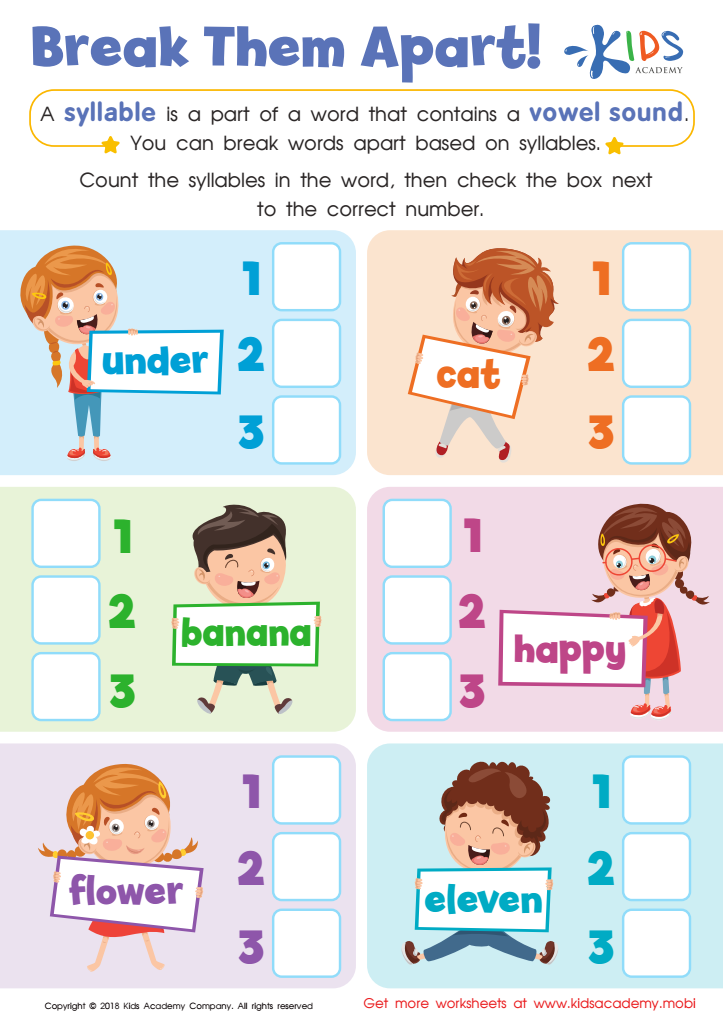
Reading: Break Them Apart Worksheet
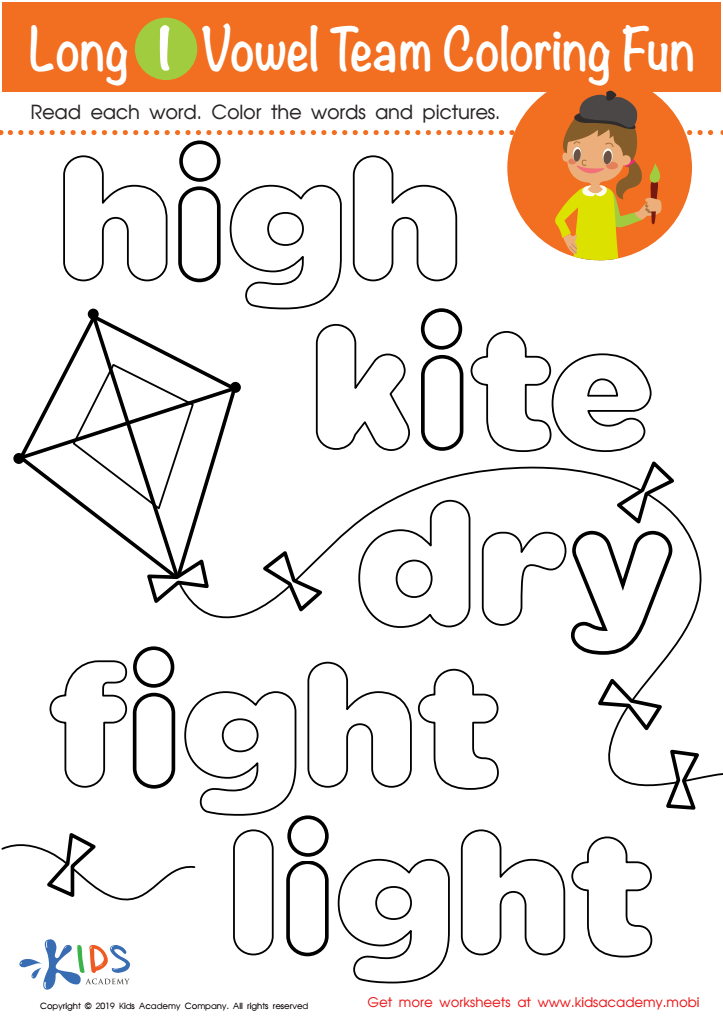
Long I Vowel Team Coloring Worksheet
 Assign to My Students
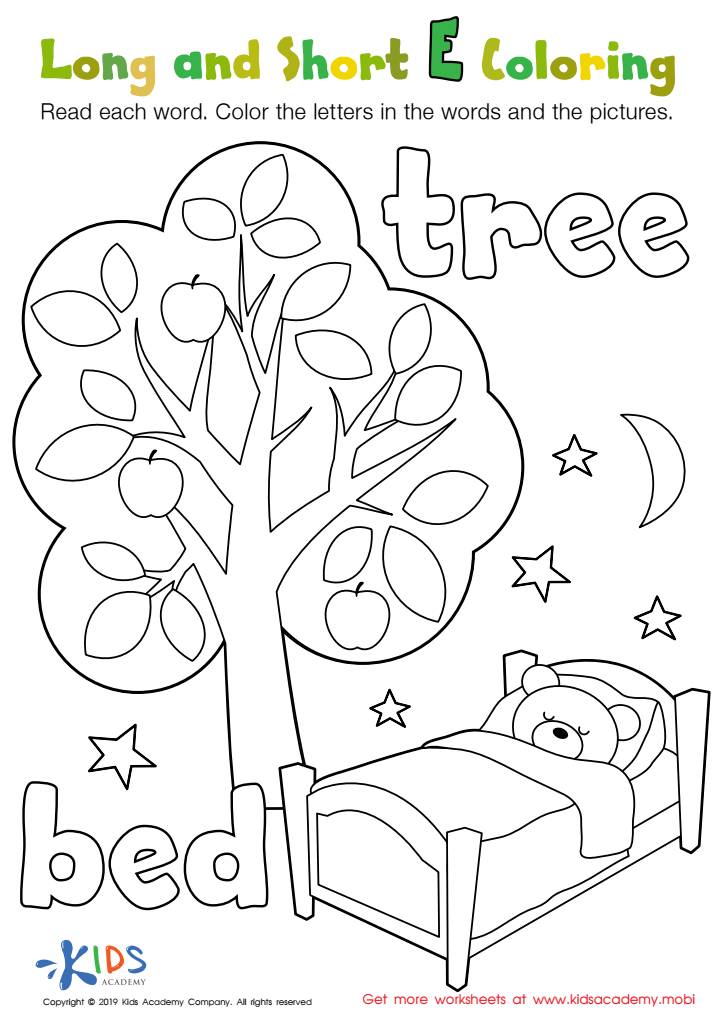
Long and Short E Worksheet
Assign to My Students
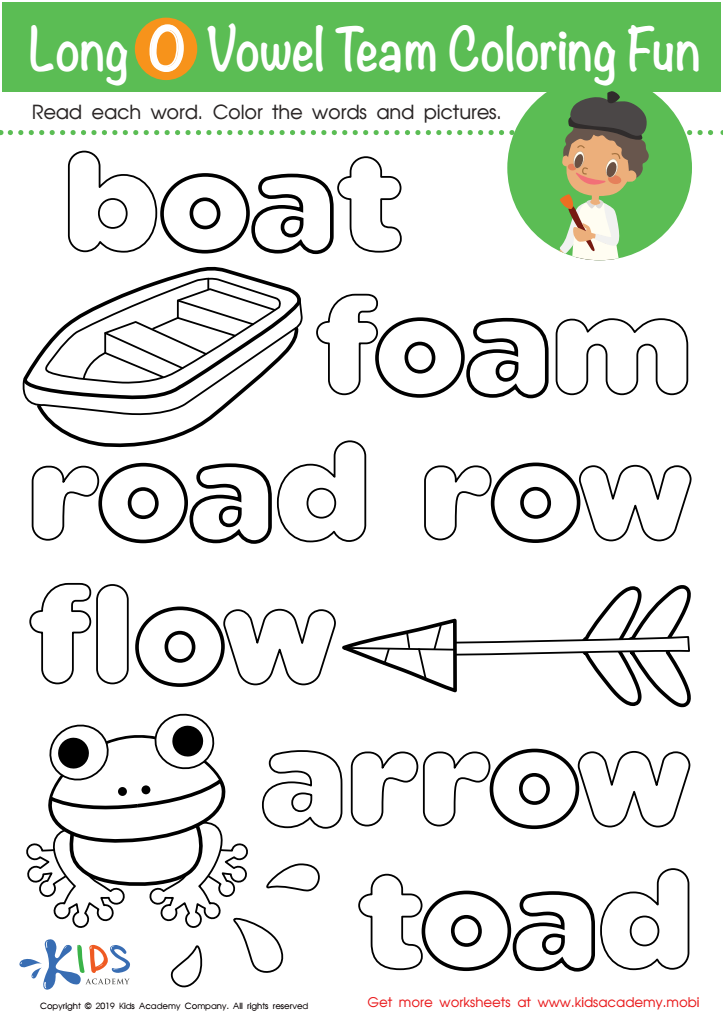
Long O Vowel Team Coloring Worksheet
Assign to My Students




Phonics skills are fundamental for young learners in developing strong reading and writing abilities. At the elementary level, phonics involves teaching children the relationship between letters and sounds, enabling them to decode words independently. Parents and teachers should prioritize phonics skills because they serve as a foundation for literacy development.
Research shows that students with a solid understanding of phonics perform better in reading comprehension and overall academic success. When children can recognize phonetic patterns, they gain confidence in their ability to read unfamiliar words, fostering a love for reading. Additionally, strong phonics skills enhance writing proficiency, as children learn to spell words based on their sounds.
Phonics instruction also supports diverse learning needs. It benefits students who may struggle with reading, providing structured strategies to better understand language. Moreover, effective phonics programs can be incorporated into various teaching approaches, accommodating different learning styles.
In conclusion, investing in phonics skills is vital for a child's literacy journey, not just for immediate reading success, but also for long-term academic growth and emotional well-being. By supporting phonics development, parents and teachers help cultivate competent, enthusiastic readers who are equipped for future learning challenges.







